
When he took power in 1970, Oman had only 12 hospital beds, six miles of surfaced roads and three primary schools. Radios were banned and civilians were not allowed to drive.
In Muscat, the city gates were shut every evening and residents had to carry a lantern if they went out after dark.
Today, the sultanate is very different.
A tourist hotspot, a vibrant Gulf state at home and a crucial regional mediator overseas thanks to Sultan Qaboos’ shrewd diplomacy and even-handed arbitration.
For most Omanis, Sultan Qaboos was the embodiment of their country, a stable leader who brought development and change, but not at the cost of the country’s culture and people.
-

A group of men watch the news on a projector outside a restaurant in Al Khodh, Muscat, on Sunday night. Reem Mohammed / The National -
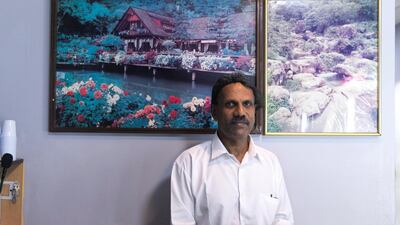
'It was not just Omanis who were sad, all people in Oman felt the same,' says Chandram Marulla Prambath, a restaurant manager from Kerala who moved to the country in about 1990. Reem Mohammed / The National -
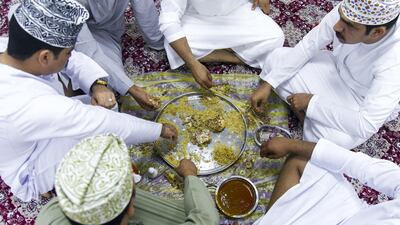
Men eat at Hashi Basha restaurant in Al Khodh, Muscat. Reem Mohammed / The National -
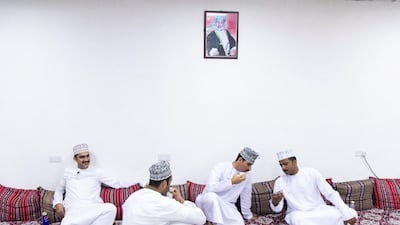
Beneath a photo of Sultan Qaboos, Omanis talk about a future without the revered ruler. Reem Mohammed / The National -

Taher Al Moqdad, owner of Hashi Bashi restaurant in Al Khodh, says much of the country has shut down for mourning. 'Today, half the market’s shops are closed. Yesterday it was 90 per cent,' he says. Reem Mohammed / The National


After his death on Friday, Sultan Haitham was elected to lead the country.
But Oman faces challenges in the years ahead from dwindling oil reserves to a growing young population looking for work.
This week on Beyond the Headlines, we look at the legacy of Sultan Qaboos and talk about who Sultan Haitham is and what he will have to face in office.
We're joined by Ahmad Al Mukhaini, an Omani public policy expert, as well as Khalid Al Rahbi, a local of Muscat.
We'll also hear from Lisa Morgan, a former member of Oman's vibrant expat community who discusses her experience in the Sultanate and what prompted her to sing about her time there.
If you missed last week’s Beyond the Headlines, hear about the latest tensions between Iran and the United States after the killing of Qassem Suleimani.
The late head of Iran's Islamic Revolutionary Guard Corps' Quds Force spent decades building up Tehran's army of proxy militia and allies from Beirut to Sanaa.
Then the United States killed him in an airstrike near Baghdad airport.



