Umayyad Mosque in the centre of Damascus shortly after rebels declared that they had taken the Syrian capital. AFP


Syria after Assad can use its rich history to build a bright future


  • English
  • Arabic

December 13, 2024

The seismic events in Syria over the past few days can be described as a black swan event, a term coined by Nassim Nicholas Taleb to denote an occurrence that is highly improbable yet has a huge impact.

The overthrow of the Baathist government is poised to have significant repercussions, not only within the country but also across the broader region. Whether these consequences will be positive or negative will depend on the choices made by Syria’s interim and long-term leadership.

More than a decade ago, I wrote an article highlighting a significant shift in the Arab world’s centres of gravity in culture, economy and diplomacy. This shift saw the traditional capitals of Cairo, Baghdad, Beirut and Damascus ceding prominence to emerging hubs such as Abu Dhabi, Riyadh, Dubai, Doha and Sharjah. The triumph of the Syrian uprising holds the potential to rebalance the haemorrhaging of influence from these once-great cities. It could finally provide an opportunity for one of the Arab world’s traditional leading capitals, battered by decades of corruption, mismanagement and brain drain, to begin reclaiming the mantle it once proudly held.

However, for that to occur, Syria will need a confluence of critical factors to align.

The first and most essential is the establishment of a competent, just, secular and progressive government, consisting of technocrats – one that prioritises the rule of law, inclusivity and equitable governance. Such a government must work to rebuild trust among its citizens, address the deep scars left by years of conflict, and foster a sense of unity and shared purpose. This new government should also engage with friendly states in the Arab world, as well as Turkey, to draw upon their expertise in economic and tourism development. Collaborative partnerships in these fields could provide valuable insights and support, enabling Syria to rebuild its infrastructure, attract investment and create sustainable growth opportunities.

It is essential that the Syrian authorities learn from the best practices implemented across the region including in the Gulf countries. The successes achieved in the UAE demonstrate that similar progress is entirely possible in Syria. The country possesses all the necessary components for stellar success: a strategic geographic location, abundant natural resources, a youthful and ambitious population, a globally spread and successful diaspora, and a wealth of archaeological and historical sites. By using these assets and adopting proven strategies, Syria has the potential to rebuild and thrive, positioning itself as a significant player in the region once again.

Syrian sculptor Khaled Dawwa works on a clay art piece, representing a street in Syria destroyed by government forces and their allies, during a photo session in his workshop in Vanves, near Paris. AFP

Syria must avoid a destructive purge akin to the de-Baathification process led by Paul Bremer during the US-led occupation of Iraq, which effectively hollowed out the Iraqi administration by removing experienced bureaucrats and technocrats. Such actions left Iraq’s institutions weakened and ill-equipped to function, contributing to prolonged instability.

Instead, Syria should prioritise reconciliation and the preservation of institutional knowledge while carefully balancing accountability with the need for administrative continuity and expertise. In attempting to heal some of its scars, Syria could also learn from the experience of Morocco’s Equity and Reconciliation Commission.

Syria has long held a prominent cultural role in the Arab world and its impact on the region can hardly be exaggerated and perhaps is second only to Egypt. It is, after all, where in 1919 the Arabic Language Academy was founded and where significant figures of the Arab Renaissance originated from. It is home to some of the most prominent Arab artists, poets, novelists and cultural leaders who affected not only our language but also our identities as Arabs from North Africa to the Gulf.

However, decades of conflict, underinvestment and governmental overreach have led to a decline in the quality of Syria’s artistic output, including fine art, film, television and theatre. This deterioration mirrors challenges faced across the Arab world due to excessive state interference in cultural production.

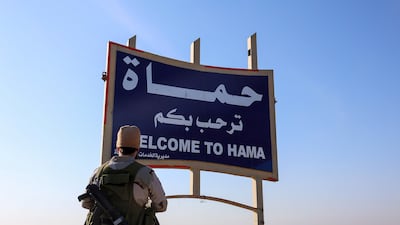
  • A member of the Syrian opposition passes a Hama governorate sign on the Damascus to Aleppo motorway on Tuesday. EPA
    A member of the Syrian opposition passes a Hama governorate sign on the Damascus to Aleppo motorway on Tuesday. EPA
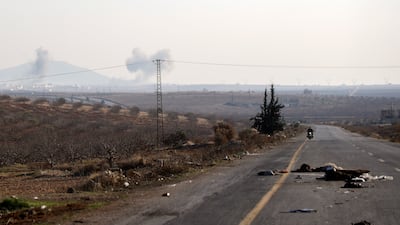
  • Signs of fighting in Hama. AP
    Signs of fighting in Hama. AP
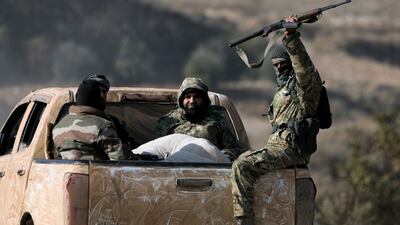
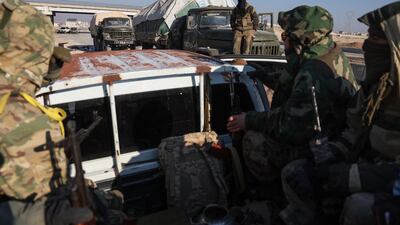
  • Anti-government fighters in the town of Suran, between Aleppo and Hama. AFP
    Anti-government fighters in the town of Suran, between Aleppo and Hama. AFP
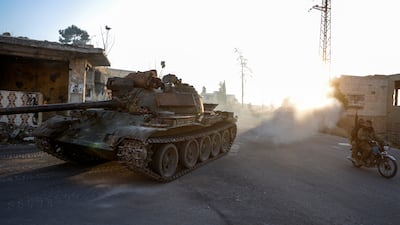
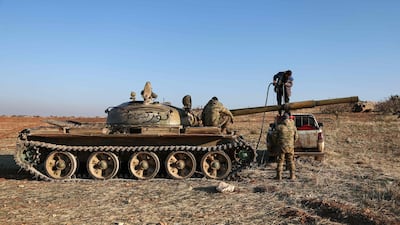
  • Syrian opposition fighters with a tank taken from the army in the town of Maarat Al Numan, south of Idlib. AP
    Syrian opposition fighters with a tank taken from the army in the town of Maarat Al Numan, south of Idlib. AP
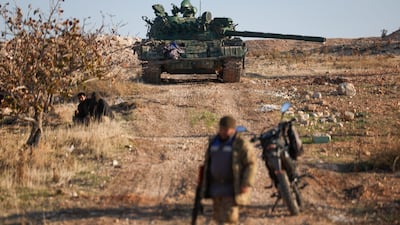
  • An abandoned Syrian army tank on the outskirts of Hama. AP
    An abandoned Syrian army tank on the outskirts of Hama. AP
  • More abandoned tanks on the highway to Damascus, near the town of Suran, north of Hama. AFP
    More abandoned tanks on the highway to Damascus, near the town of Suran, north of Hama. AFP
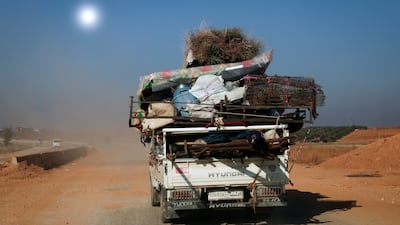
  • Civilians escape the fighting in Suran. AP
    Civilians escape the fighting in Suran. AP
  • Anti-government fighters take possession of a Syrian army tank in Suran. AFP
    Anti-government fighters take possession of a Syrian army tank in Suran. AFP
  • Anti-government fighters on the highway to Damascus. AFP
    Anti-government fighters on the highway to Damascus. AFP
  • Civilians flee fighting in Suran. AFP
    Civilians flee fighting in Suran. AFP
  • Fighting rages in Suran. AFP
    Fighting rages in Suran. AFP
  • An aerial view of Suran. AFP
    An aerial view of Suran. AFP

As the Egyptian author Ahmed Naji suggests: “Just imagine the cultural and artistic impact that Syria could have if it started producing free drama and cinema.” The current moment offers a critical opportunity for Syrians to relaunch the cultural sector in the country and affirm its position as a trailblazer in the region for free and effective cultural production.

Finally, Syria must harness the skills and resources of all its sons and daughters in the diaspora. This includes not only the refugees and exiles who fled during the past decade and a half of conflict but also those who left decades earlier due to the rise of authoritarian rule. Among them are Syrians who have built successful lives in the West, including the Syrian Jewish community in New York, renowned for their expertise in real estate development and investment. Their contributions could play a vital role in rebuilding the country, provided they are granted equal rights and opportunities to participate in Syria’s future.

The reality is that while it is highly improbable for all these elements to align perfectly, it is not impossible. A crucial factor will be the presence of an often-elusive final ingredient: luck. Will Syria take advantage of this black swan moment, rise to the occasion and soar, or will it falter under the weight of its challenges?


The%20specs
%3Cp%3E%3Cstrong%3EEngine%3A%3C%2Fstrong%3E%201.5-litre%204-cylinder%3Cbr%3E%3Cstrong%3ETransmission%3A%20%3C%2Fstrong%3ECVT%3Cbr%3E%3Cstrong%3EPower%3A%20%3C%2Fstrong%3E119bhp%3Cbr%3E%3Cstrong%3ETorque%3A%20%3C%2Fstrong%3E145Nm%3Cbr%3E%3Cstrong%3EPrice%3A%20%3C%2Fstrong%3EDh%2C89%2C900%20(%2424%2C230)%3Cbr%3E%3Cstrong%3EOn%20sale%3A%20%3C%2Fstrong%3Enow%3C%2Fp%3E%0A
Who is Mohammed Al Halbousi?

The new speaker of Iraq’s parliament Mohammed Al Halbousi is the youngest person ever to serve in the role.

The 37-year-old was born in Al Garmah in Anbar and studied civil engineering in Baghdad before going into business. His development company Al Hadeed undertook reconstruction contracts rebuilding parts of Fallujah’s infrastructure.

He entered parliament in 2014 and served as a member of the human rights and finance committees until 2017. In August last year he was appointed governor of Anbar, a role in which he has struggled to secure funding to provide services in the war-damaged province and to secure the withdrawal of Shia militias. He relinquished the post when he was sworn in as a member of parliament on September 3.

He is a member of the Al Hal Sunni-based political party and the Sunni-led Coalition of Iraqi Forces, which is Iraq’s largest Sunni alliance with 37 seats from the May 12 election.

He maintains good relations with former Prime Minister Nouri Al Maliki’s State of Law Coaliton, Hadi Al Amiri’s Badr Organisation and Iranian officials.

INDIA'S%20TOP%20INFLUENCERS
%3Cp%3E%3Cstrong%3EBhuvan%20Bam%3C%2Fstrong%3E%3Cbr%3E%3Ca%20href%3D%22https%3A%2F%2Fwww.instagram.com%2Fbhuvan.bam22%2F%3Fhl%3Den%22%20target%3D%22_self%22%3EInstagram%3C%2Fa%3E%20followers%3A%2016.1%20million%3Cbr%3EBhuvan%20Bam%20is%20a%2029-year-old%20comedian%20and%20actor%20from%20Delhi%2C%20who%20started%20out%20with%20YouTube%20channel%2C%20%E2%80%9CBB%20Ki%20Vines%E2%80%9D%20in%202015%2C%20which%20propelled%20the%20social%20media%20star%20into%20the%20limelight%20and%20made%20him%20sought-after%20among%20brands.%3Cbr%3E%3Cstrong%3EKusha%20Kapila%3C%2Fstrong%3E%3Cbr%3E%3Ca%20href%3D%22https%3A%2F%2Fwww.instagram.com%2Fkushakapila%2F%3Fhl%3Den%22%20target%3D%22_self%22%3EInstagram%3C%2Fa%3E%20followers%3A%203.1%20million%3Cbr%3EKusha%20Kapila%20is%20a%20fashion%20editor%20and%20actress%2C%20who%20has%20collaborated%20with%20brands%20including%20Google.%20She%20focuses%20on%20sharing%20light-hearted%20content%20and%20insights%20into%20her%20life%20as%20a%20rising%20celebrity.%3Cbr%3E%3Cstrong%3EDiipa%20Khosla%3C%2Fstrong%3E%3Cbr%3E%3Ca%20href%3D%22https%3A%2F%2Fwww.instagram.com%2Fdiipakhosla%2F%3Fhl%3Den%22%20target%3D%22_self%22%3EInstagram%3C%2Fa%3E%20followers%3A%201.8%20million%3Cbr%3EDiipa%20Khosla%20started%20out%20as%20a%20social%20media%20manager%20before%20branching%20out%20to%20become%20one%20of%20India's%20biggest%20fashion%20influencers%2C%20with%20collaborations%20including%20MAC%20Cosmetics.%3Cbr%3E%3Cstrong%3EKomal%20Pandey%3Cbr%3E%3C%2Fstrong%3E%3Ca%20href%3D%22https%3A%2F%2Fwww.instagram.com%2Fkomalpandeyofficial%2F%3Fhl%3Den%22%20target%3D%22_self%22%3EInstagram%3C%2Fa%3E%20followers%3A%201.8%20million%3Cbr%3EKomal%20Pandey%20is%20a%20fashion%20influencer%20who%20has%20partnered%20with%20more%20than%20100%20brands%2C%20including%20Olay%20and%20smartphone%20brand%20Vivo%20India.%3Cbr%3E%3Cstrong%3ENikhil%20Sharma%3C%2Fstrong%3E%3Cbr%3E%3Ca%20href%3D%22https%3A%2F%2Fwww.instagram.com%2Fnikkkhil%2F%3Fhl%3Den%22%20target%3D%22_self%22%3EInstagram%3C%2Fa%3E%20followers%3A%201.4%20million%3Cbr%3ENikhil%20Sharma%20from%20Mumbai%20began%20his%20online%20career%20through%20vlogs%20about%20his%20motorcycle%20trips.%20He%20has%20become%20a%20lifestyle%20influencer%20and%20has%20created%20his%20own%20clothing%20line.%3Cbr%3E%3Cem%3ESource%3A%20Hireinfluence%2C%20various%3C%2Fem%3E%3Cbr%3E%3C%2Fp%3E%0A
MOUNTAINHEAD REVIEW

Starring: Ramy Youssef, Steve Carell, Jason Schwartzman

Director: Jesse Armstrong

Rating: 3.5/5

All%20The%20Light%20We%20Cannot%20See%20
%3Cp%3E%3Cstrong%3ECreator%3A%20%3C%2Fstrong%3ESteven%20Knight%3C%2Fp%3E%0A%3Cp%3E%3Cstrong%3EStars%3A%C2%A0%3C%2Fstrong%3EMark%20Ruffalo%2C%20Hugh%20Laurie%2C%20Aria%20Mia%20Loberti%3C%2Fp%3E%0A%3Cp%3E%3Cstrong%3ERating%3A%20%3C%2Fstrong%3E1%2F5%C2%A0%3C%2Fp%3E%0A
Champions League Last 16

Red Bull Salzburg (AUT) v Bayern Munich (GER) 

Sporting Lisbon (POR) v Manchester City (ENG) 

Benfica (POR) v Ajax (NED) 

Chelsea (ENG) v Lille (FRA) 

Atletico Madrid (ESP) v Manchester United (ENG) 

Villarreal (ESP) v Juventus (ITA) 

Inter Milan (ITA) v Liverpool (ENG) 

Paris Saint-Germain v Real Madrid (ESP)  

COMPANY%20PROFILE
%3Cp%3E%3Cstrong%3EName%3A%3C%2Fstrong%3E%20PlanRadar%3Cbr%3E%3Cstrong%3EStarted%3A%20%3C%2Fstrong%3E2013%3Cbr%3E%3Cstrong%3ECo-founders%3A%20%3C%2Fstrong%3EIbrahim%20Imam%2C%20Sander%20van%20de%20Rijdt%2C%20Constantin%20K%C3%B6ck%2C%20Clemens%20Hammerl%2C%20Domagoj%20Dolinsek%3Cbr%3E%3Cstrong%3EBased%3A%20%3C%2Fstrong%3EVienna%2C%20Austria%3Cbr%3E%3Cstrong%3ESector%3A%20%3C%2Fstrong%3EConstruction%20and%20real%20estate%3Cbr%3E%3Cstrong%3ECurrent%20number%20of%20staff%3A%20%3C%2Fstrong%3E400%2B%3Cbr%3E%3Cstrong%3EInvestment%20stage%3A%20%3C%2Fstrong%3ESeries%20B%3Cbr%3E%3Cstrong%3EInvestors%3A%3C%2Fstrong%3E%20Headline%2C%20Berliner%20Volksbank%20Ventures%2C%20aws%20Gr%C3%BCnderfonds%2C%20Cavalry%20Ventures%2C%20Proptech1%2C%20Russmedia%2C%20GR%20Capital%3C%2Fp%3E%0A
The Voice of Hind Rajab

Starring: Saja Kilani, Clara Khoury, Motaz Malhees

Director: Kaouther Ben Hania

Rating: 4/5

Mercer, the investment consulting arm of US services company Marsh & McLennan, expects its wealth division to at least double its assets under management (AUM) in the Middle East as wealth in the region continues to grow despite economic headwinds, a company official said.

Mercer Wealth, which globally has $160 billion in AUM, plans to boost its AUM in the region to $2-$3bn in the next 2-3 years from the present $1bn, said Yasir AbuShaban, a Dubai-based principal with Mercer Wealth.

Within the next two to three years, we are looking at reaching $2 to $3 billion as a conservative estimate and we do see an opportunity to do so,” said Mr AbuShaban.

Mercer does not directly make investments, but allocates clients’ money they have discretion to, to professional asset managers. They also provide advice to clients.

“We have buying power. We can negotiate on their (client’s) behalf with asset managers to provide them lower fees than they otherwise would have to get on their own,” he added.

Mercer Wealth’s clients include sovereign wealth funds, family offices, and insurance companies among others.

From its office in Dubai, Mercer also looks after Africa, India and Turkey, where they also see opportunity for growth.

Wealth creation in Middle East and Africa (MEA) grew 8.5 per cent to $8.1 trillion last year from $7.5tn in 2015, higher than last year’s global average of 6 per cent and the second-highest growth in a region after Asia-Pacific which grew 9.9 per cent, according to consultancy Boston Consulting Group (BCG). In the region, where wealth grew just 1.9 per cent in 2015 compared with 2014, a pickup in oil prices has helped in wealth generation.

BCG is forecasting MEA wealth will rise to $12tn by 2021, growing at an annual average of 8 per cent.

Drivers of wealth generation in the region will be split evenly between new wealth creation and growth of performance of existing assets, according to BCG.

Another general trend in the region is clients’ looking for a comprehensive approach to investing, according to Mr AbuShaban.

“Institutional investors or some of the families are seeing a slowdown in the available capital they have to invest and in that sense they are looking at optimizing the way they manage their portfolios and making sure they are not investing haphazardly and different parts of their investment are working together,” said Mr AbuShaban.

Some clients also have a higher appetite for risk, given the low interest-rate environment that does not provide enough yield for some institutional investors. These clients are keen to invest in illiquid assets, such as private equity and infrastructure.

“What we have seen is a desire for higher returns in what has been a low-return environment specifically in various fixed income or bonds,” he said.

“In this environment, we have seen a de facto increase in the risk that clients are taking in things like illiquid investments, private equity investments, infrastructure and private debt, those kind of investments were higher illiquidity results in incrementally higher returns.”

The Abu Dhabi Investment Authority, one of the largest sovereign wealth funds, said in its 2016 report that has gradually increased its exposure in direct private equity and private credit transactions, mainly in Asian markets and especially in China and India. The authority’s private equity department focused on structured equities owing to “their defensive characteristics.”

Updated: December 13, 2024, 7:43 AM