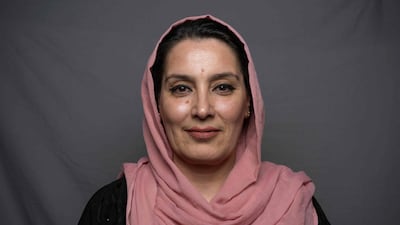
Taliban representative Mutiul Haq Nabi Kheel arrives for a meeting in Oslo in January. Reuters


The Taliban in the region – one year on


David Loyn
David Loyn
  • English
  • Arabic

August 11, 2022

The Taliban lack many things – a functioning economy, healthcare system, internal consent and stability – but they do not lack countries willing to pay for them to climb aboard executive jets and be treated as a government abroad. Taliban leaders have been to Russia, China and Norway, as well as frequent trips to the Middle East, and to an international conference on Afghanistan in Tashkent at the end of last month, where they were treated as the de facto administration by representatives of more than 20 countries including the US.

Engagement will not necessarily lead to recognition. No country is willing to confer this without the Taliban moving towards a more inclusive government. But far from becoming more inclusive, the Taliban administration has less representation from Afghanistan’s many minorities than in the early months of its rule. All key members of the administration are Pashtun, the largest ethnic minority, and that does not look as if it will change any time soon. The most high-profile non-Pashtun military commander, Mehdi Mujahed, who is a Hazara, defected with his fighters this year, and his home district has recently faced brutal Taliban reprisals.

The Taliban know the two international demands that would make recognition more likely – a more broadly based representative government and the re-opening of girls’ schools – and they have turned their backs on both.

In this vacuum of legitimacy, the Taliban are increasingly falling into the embrace of regimes the West considers to be its rivals, according to Tamim Asey, who co-founded the Institute of War and Peace Studies in Kabul. “If you see statements from the Taliban Ministry of Foreign Affairs, they're increasingly raising voices on positions aligned with China, Russia and Iran,” he said.

That’s what makes the engagement of other Central Asian powers, in particular Uzbekistan, so important, as a more neutral venue for wider international engagement with the Taliban than is possible in China and Russia. The Tashkent conference was only the latest move from a government keen to avoid a repeat the mistakes of the 1990s, when lack of engagement with Afghanistan during its civil war and the first Taliban administration led to an upsurge in extremist violence in Uzbekistan.

Taliban leader Abu Do Jana, centre, gets ready to compete in a buzkashi game at Qara Shabagh last October. AFP
Engagement with the Taliban will not necessarily lead to recognition of it

Uzbekistan walks a narrow tightrope of neutrality. Since breaking free of Moscow at the collapse of the Soviet Union in the early 1990s, it has twice been part of the Collective Security Treaty Organisation (CSTO) that Russia put in place as an attempted replacement, but it resigned both times – the last in 2014. Uzbek President Shavkat Mirziyoyev is an enthusiastic member of China’s main initiative in the region, the Shanghai Co-operation Organisation, and hosts its counterterrorism committee.

His relations with the Taliban are complex. He wants the group to cut links with international terrorists, including the Islamic Movement of Uzbekistan, which has bases inside Afghanistan. But the Taliban’s promises look valueless after the killing of Al Qaeda leader Ayman Al Zawahiri in downtown Kabul, in a house believed to have been under the control of the Interior Minister Sirajuddin Haqqani.

At the same time, Mr Mirziyoyev has the delicate problem that the Taliban want him to return Afghan air force planes, many of which ended up in his country as pilots fled for their lives, saving their planes from the Taliban last August. His landlocked country stands to benefit if he could unlock the huge potential of better connectivity, with road and rail links across Afghanistan, plans discussed with the Taliban at the Tashkent conference.

Both Uzbekistan and its eastern neighbour Tajikistan have strong links with large ethnic minorities in Afghanistan. Tajikistan has remained a member of the CSTO, and it hosts India’s only overseas airbase. It is now playing a more assertive role than Uzbekistan in providing a home for opposition to the Taliban, as it did in the late 1990s during the last Taliban administration, when Ahmed Shah Massoud, an ethnic Tajik, held a long narrow wedge of land in north-eastern Afghanistan, across the river from Tajikistan. His son Ahmad Massoud, the leader of the most active armed opposition group today, is based there, and Emomali Rahmon, Tajikistan President since 1994, has told all other opposition groups that they are under Mr Massoud’s leadership.

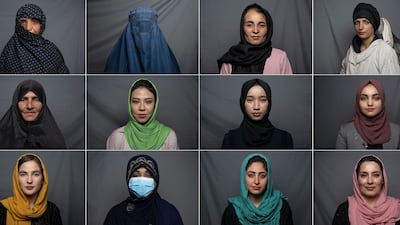
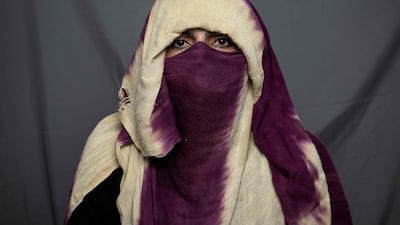
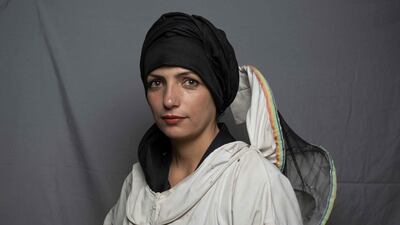
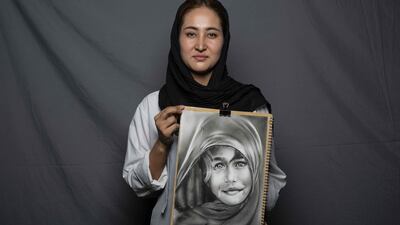
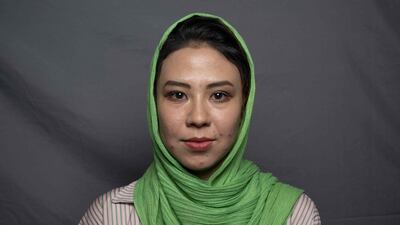
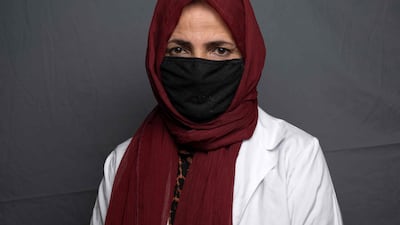
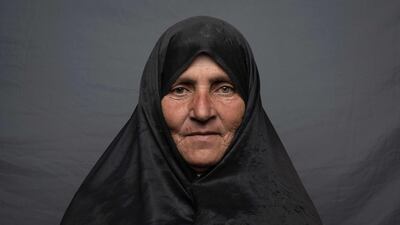
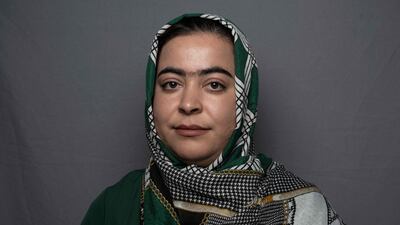
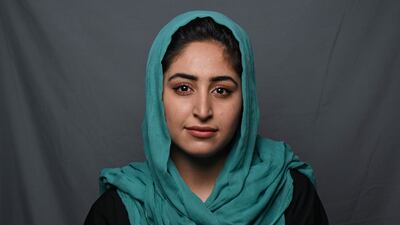
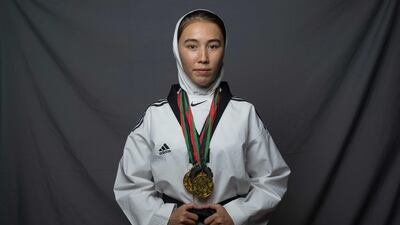
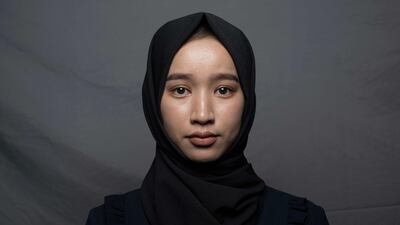
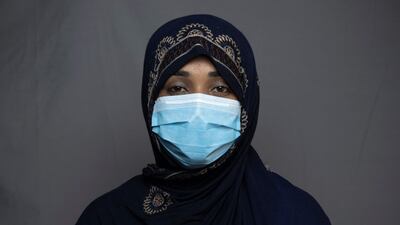
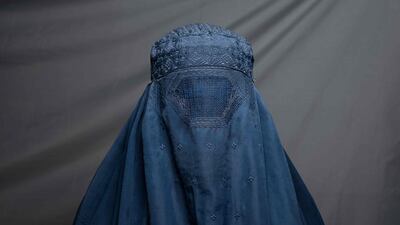
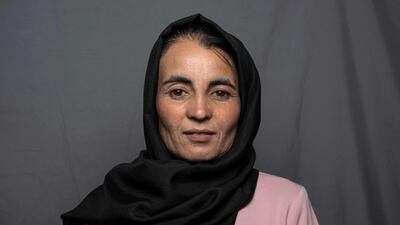
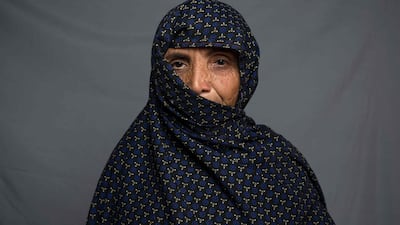
  • This combination of photos shows women posing for portraits in different cities in Afghanistan. Since their takeover two years ago, the Taliban have squeezed Afghan women out of public life, imposing suffocating restrictions on where they can work, how they can travel and what they can wear. All photos by AFP
    This combination of photos shows women posing for portraits in different cities in Afghanistan. Since their takeover two years ago, the Taliban have squeezed Afghan women out of public life, imposing suffocating restrictions on where they can work, how they can travel and what they can wear. All photos by AFP
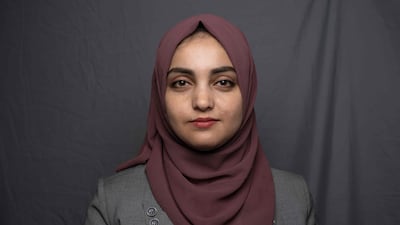
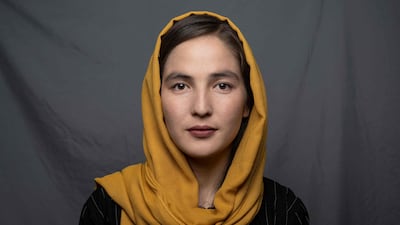
  • TOLOnews TV anchor Tahmina Usmani, 23, is one of a handful of female journalists who have been able to continue working in the sector. 'I was able to join TOLOnews and be the voice for women in Afghanistan, which makes me feel great,' she says.
    TOLOnews TV anchor Tahmina Usmani, 23, is one of a handful of female journalists who have been able to continue working in the sector. 'I was able to join TOLOnews and be the voice for women in Afghanistan, which makes me feel great,' she says.
  • TV journalist and university student Farkhunda Muhibi, 21. Muhibi is one of a small number of female journalists who have been able to continue working under the Taliban regime.
    TV journalist and university student Farkhunda Muhibi, 21. Muhibi is one of a small number of female journalists who have been able to continue working under the Taliban regime.
  • Baker Shapari, 40, poses for a portrait in Kandahar. 'During these hard times, it is my job that has made me happy,' she says. 'My husband is jobless, and staying at home. I am able to find food for my children.'
    Baker Shapari, 40, poses for a portrait in Kandahar. 'During these hard times, it is my job that has made me happy,' she says. 'My husband is jobless, and staying at home. I am able to find food for my children.'
  • Businesswoman and beekeeper Ghuncha Gul Karimi, 35, poses for a portrait in Herat. Karimi expanded her beekeeping business to produce honey for sale after her husband left the country. 'I've taken up two extra jobs and bought a motorcycle to drive myself from the honey farm and back,' she says. 'I am determined to become the queen of honey bees.'
    Businesswoman and beekeeper Ghuncha Gul Karimi, 35, poses for a portrait in Herat. Karimi expanded her beekeeping business to produce honey for sale after her husband left the country. 'I've taken up two extra jobs and bought a motorcycle to drive myself from the honey farm and back,' she says. 'I am determined to become the queen of honey bees.'
  • Artist and art teacher Manezha Sultani, 24, poses for a portrait in Herat. 'Before the Taliban took over, I had no fear - I used to attend exhibitions, go to events and see everything I desired. But when the takeover happened, I was afraid of how it would impact my job and my rights,' she says. 'I have not had any good experiences since the Taliban took over.'
    Artist and art teacher Manezha Sultani, 24, poses for a portrait in Herat. 'Before the Taliban took over, I had no fear - I used to attend exhibitions, go to events and see everything I desired. But when the takeover happened, I was afraid of how it would impact my job and my rights,' she says. 'I have not had any good experiences since the Taliban took over.'
  • Mathematics and robotics teacher Sumaya Sultani, 27, poses for a portrait in Herat. 'Before the collapse, I participated in international technology events, and I used to work late nights on various projects and coach the Afghan girls’ robotics team. But after the Taliban takeover, everything we worked for and achieved turned to dust.'
    Mathematics and robotics teacher Sumaya Sultani, 27, poses for a portrait in Herat. 'Before the collapse, I participated in international technology events, and I used to work late nights on various projects and coach the Afghan girls’ robotics team. But after the Taliban takeover, everything we worked for and achieved turned to dust.'
  • Doctor and mental health counsellor Mursal, 35, poses for a portrait at an undisclosed location in Afghanistan. Since their takeover a year ago, the Taliban have squeezed Afghan women out of public life, imposing suffocating restrictions on where they can work, how they can travel and what they can wear.
    Doctor and mental health counsellor Mursal, 35, poses for a portrait at an undisclosed location in Afghanistan. Since their takeover a year ago, the Taliban have squeezed Afghan women out of public life, imposing suffocating restrictions on where they can work, how they can travel and what they can wear.
  • Silk weaver Maryam Osmani, 50, poses for a portrait in Herat.
    Silk weaver Maryam Osmani, 50, poses for a portrait in Herat.
  • Afghanistan Women’s Chamber of Commerce and Industry director Nargis Hashimi, 27, poses for a portrait in Herat.
    Afghanistan Women’s Chamber of Commerce and Industry director Nargis Hashimi, 27, poses for a portrait in Herat.
  • Radio journalist and artist Rozina Sherzad, 19, poses for a portrait in Kandahar.
    Radio journalist and artist Rozina Sherzad, 19, poses for a portrait in Kandahar.
  • Taekwondo athlete Zarghunna Noori, 23, poses for a portrait in Herat.
    Taekwondo athlete Zarghunna Noori, 23, poses for a portrait in Herat.
  • Student Mahtab Jamshidi, 17, poses for a portrait in Herat.
    Student Mahtab Jamshidi, 17, poses for a portrait in Herat.
  • Seamstress Rozia Khpalwak, 23, poses for a portrait in Kandahar.
    Seamstress Rozia Khpalwak, 23, poses for a portrait in Kandahar.
  • Shampoo factory worker Robina, 40, poses for a portrait in Kandahar. There is hardly a woman in the country who has not lost a male relative in successive wars, while many of their husbands, fathers, sons and brothers have also lost their jobs or seen their income shattered as a result of a deepening economic crisis.
    Shampoo factory worker Robina, 40, poses for a portrait in Kandahar. There is hardly a woman in the country who has not lost a male relative in successive wars, while many of their husbands, fathers, sons and brothers have also lost their jobs or seen their income shattered as a result of a deepening economic crisis.
  • The deputy director of the women’s bazaar in Herat, Freshta Ishaqzai, 32.
    The deputy director of the women’s bazaar in Herat, Freshta Ishaqzai, 32.
  • Shaima Wafa, 40, a cultural affairs reporter for an Iranian media outlet, poses for a portrait in Herat.
    Shaima Wafa, 40, a cultural affairs reporter for an Iranian media outlet, poses for a portrait in Herat.
  • Knitter and garment maker Gul Guti, 55, poses for a portrait in Kandahar.
    Knitter and garment maker Gul Guti, 55, poses for a portrait in Kandahar.

The growing potential threat from these Tajikistan-based groups has led to strengthening of border defences on the Taliban side of the border, which runs along the Amu Darya river, here very narrow and easy to cross. Fawzia Koofi, who was member of the Afghan parliament for the border region until the fall of Kabul last August, asks “where are they finding the money to build military bases?” She is concerned that her former constituents are joining the new border force as they have no other job opportunities.

Ms Koofi was one of the government negotiators in the failed peace talks with the Taliban last year. She wants the international community to support a “government-in-exile” just as it housed the Taliban in Doha. “I am not a woman from the diaspora,” she said. “I am an Afghan woman who had to leave for a short period of time. I still have good contacts and am amplifying the voices of women in Afghanistan.”

The Taliban’s main regional backer, Pakistan, has been trying for 40 years to install a compliant government in Kabul, but is finding the reality complex. The Taliban still provide a haven to thousands of fighters from the TTP, the Pakistani Taliban, a group fighting against Islamabad. And there have been border clashes between the Afghan Taliban and Pakistani forces.

But for all the problems, Pakistan wields significant influence, particularly through its madrassa system, which informs the brand of Islamic thought now taking centre stage as the Taliban administration imposes its will. The analyst Andrew Watkins reported that when the Taliban leader Haibatullah Akhunzada made a speech recently demanding a return to harsher punishment for offenders, including stoning and amputations, there was an upsurge of support on Taliban social media. Keeping girls’ schools closed and imposing harsh punishments are both valuable tools as the Taliban compete for recruits with other extremist groups.

Given these tighter restrictions, it is hard for the Taliban’s opponents to stay hopeful a year after the fall of the republic. “I was more hopeful last year,” said Ms Koofi. In the early days, it seemed that the Taliban would open girls’ schools and not be so strict. But now “we are further away from a political solution”. Conflict rather than dialogue now looks the likeliest way forward for Afghanistan.


Essentials

The flights
Etihad and Emirates fly direct from the UAE to Delhi from about Dh950 return including taxes.
The hotels
Double rooms at Tijara Fort-Palace cost from 6,670 rupees (Dh377), including breakfast.
Doubles at Fort Bishangarh cost from 29,030 rupees (Dh1,641), including breakfast. Doubles at Narendra Bhawan cost from 15,360 rupees (Dh869). Doubles at Chanoud Garh cost from 19,840 rupees (Dh1,122), full board. Doubles at Fort Begu cost from 10,000 rupees (Dh565), including breakfast.
The tours 
Amar Grover travelled with Wild Frontiers. A tailor-made, nine-day itinerary via New Delhi, with one night in Tijara and two nights in each of the remaining properties, including car/driver, costs from £1,445 (Dh6,968) per person.

TEACHERS' PAY - WHAT YOU NEED TO KNOW

Pay varies significantly depending on the school, its rating and the curriculum. Here's a rough guide as of January 2021:

- top end schools tend to pay Dh16,000-17,000 a month - plus a monthly housing allowance of up to Dh6,000. These tend to be British curriculum schools rated 'outstanding' or 'very good', followed by American schools

- average salary across curriculums and skill levels is about Dh10,000, recruiters say

- it is becoming more common for schools to provide accommodation, sometimes in an apartment block with other teachers, rather than hand teachers a cash housing allowance

- some strong performing schools have cut back on salaries since the pandemic began, sometimes offering Dh16,000 including the housing allowance, which reflects the slump in rental costs, and sheer demand for jobs

- maths and science teachers are most in demand and some schools will pay up to Dh3,000 more than other teachers in recognition of their technical skills

- at the other end of the market, teachers in some Indian schools, where fees are lower and competition among applicants is intense, can be paid as low as Dh3,000 per month

- in Indian schools, it has also become common for teachers to share residential accommodation, living in a block with colleagues

Tamkeen's offering
  • Option 1: 70% in year 1, 50% in year 2, 30% in year 3
  • Option 2: 50% across three years
  • Option 3: 30% across five years 
Key findings of Jenkins report
  • Founder of the Muslim Brotherhood, Hassan al Banna, "accepted the political utility of violence"
  • Views of key Muslim Brotherhood ideologue, Sayyid Qutb, have “consistently been understood” as permitting “the use of extreme violence in the pursuit of the perfect Islamic society” and “never been institutionally disowned” by the movement.
  • Muslim Brotherhood at all levels has repeatedly defended Hamas attacks against Israel, including the use of suicide bombers and the killing of civilians.
  • Laying out the report in the House of Commons, David Cameron told MPs: "The main findings of the review support the conclusion that membership of, association with, or influence by the Muslim Brotherhood should be considered as a possible indicator of extremism."
UAE currency: the story behind the money in your pockets
The Facility’s Versatility

Between the start of the 2020 IPL on September 20, and the end of the Pakistan Super League this coming Thursday, the Zayed Cricket Stadium has had an unprecedented amount of traffic.
Never before has a ground in this country – or perhaps anywhere in the world – had such a volume of major-match cricket.
And yet scoring has remained high, and Abu Dhabi has seen some classic encounters in every format of the game.
 
October 18, IPL, Kolkata Knight Riders tied with Sunrisers Hyderabad
The two playoff-chasing sides put on 163 apiece, before Kolkata went on to win the Super Over
 
January 8, ODI, UAE beat Ireland by six wickets
A century by CP Rizwan underpinned one of UAE’s greatest ever wins, as they chased 270 to win with an over to spare
 
February 6, T10, Northern Warriors beat Delhi Bulls by eight wickets
The final of the T10 was chiefly memorable for a ferocious over of fast bowling from Fidel Edwards to Nicholas Pooran
 
March 14, Test, Afghanistan beat Zimbabwe by six wickets
Eleven wickets for Rashid Khan, 1,305 runs scored in five days, and a last session finish
 
June 17, PSL, Islamabad United beat Peshawar Zalmi by 15 runs
Usman Khawaja scored a hundred as Islamabad posted the highest score ever by a Pakistan team in T20 cricket

TO%20CATCH%20A%20KILLER
%3Cp%3E%3Cstrong%3EDirector%3A%20%3C%2Fstrong%3EDamian%20Szifron%3C%2Fp%3E%0A%3Cp%3E%3Cstrong%3EStars%3A%3C%2Fstrong%3E%20Shailene%20Woodley%2C%20Ben%20Mendelsohn%2C%20Ralph%20Ineson%3C%2Fp%3E%0A%3Cp%3E%3Cstrong%3ERating%3A%3C%2Fstrong%3E%202%2F5%3C%2Fp%3E%0A
Skoda Superb Specs

Engine: 2-litre TSI petrol

Power: 190hp

Torque: 320Nm

Price: From Dh147,000

Available: Now

MATCH INFO

Manchester United v Everton
Where:
Old Trafford, Manchester
When: Sunday, kick-off 7pm (UAE)
How to watch: Live on BeIN Sports 11HD

The%20specs
%3Cp%3E%3Cstrong%3EEngine%3A%20%3C%2Fstrong%3E3.6-litre%2C%20V6%0D%3Cbr%3E%3Cstrong%3ETransmission%3A%20%3C%2Fstrong%3Eeight-speed%20auto%0D%3Cbr%3E%3Cstrong%3EPower%3A%20%3C%2Fstrong%3E285hp%0D%3Cbr%3E%3Cstrong%3ETorque%3A%20%3C%2Fstrong%3E353Nm%0D%3Cbr%3E%3Cstrong%3EPrice%3A%20%3C%2Fstrong%3EDh159%2C900%0D%3Cbr%3E%3Cstrong%3EOn%20sale%3A%20%3C%2Fstrong%3Enow%3C%2Fp%3E%0A
%3Cp%3EMATA%0D%3Cbr%3EArtist%3A%20M.I.A%0D%3Cbr%3ELabel%3A%20Island%0D%3Cbr%3ERating%3A%203.5%2F5%3C%2Fp%3E%0A

The Light of the Moon

Director: Jessica M Thompson

Starring: Stephanie Beatriz, Michael Stahl-David

Three stars

Countries recognising Palestine

France, UK, Canada, Australia, Portugal, Belgium, Malta, Luxembourg, San Marino and Andorra


Credits

Produced by: Colour Yellow Productions and Eros Now
Director: Mudassar Aziz
Cast: Sonakshi Sinha, Jimmy Sheirgill, Jassi Gill, Piyush Mishra, Diana Penty, Aparshakti Khurrana
Star rating: 2.5/5

Globalization and its Discontents Revisited
Joseph E. Stiglitz
W. W. Norton & Company

Updated: August 11, 2022, 8:12 AM