


In the coming weeks, in addition to forming a government, it will be critical for Iraq’s political leaders to also agree on the economic goals that the next government should set out to achieve. These goals will likely define the country’s economic future.
The ailments of Iraq’s economy are both numerous and well-known. Every year, thousands of Iraqi children are born into difficult socio-economic conditions. Without access to a reliable source of electricity, drinking water and other basic services, over one fifth of the population continues to live in poverty. University graduates, confronted by a lack of economic opportunities, often take to the streets demanding change.
Many of these challenges are due to years of conflict and insecurity. But economic policies have also played an important role. Weak governance has undermined the efficient and effective use of public resources. Meanwhile, the bulk of valuable oil resources has been used to maintain a social contract based on creating public-sector jobs and offering subsidies rather than building a market economy backed by a strong financial system. In turn, a dominant footprint of the state has held back the private-sector development.
-
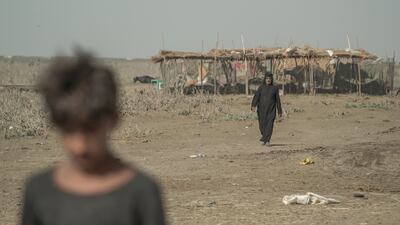
Raheem Noor Dawood and his son at home in the Chabayech Marshes in southern Iraq. Haider Husseini for The National -
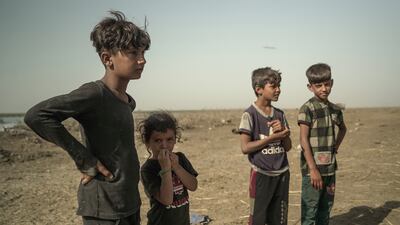
Mr Dawood's children and grandchildren stand in the oasis in the middle of the desert. Haider Husseini for The National -
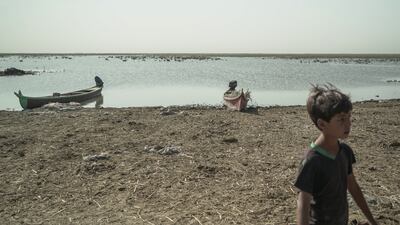
Drinking water is sourced from the centre of the marshes. Haider Husseini for The National -
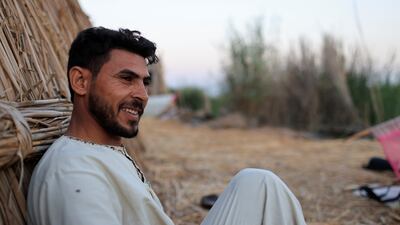
Iraq's 2020-2021 rainfall season was the second driest in 40 years, the UN says. Sabah Thamer Al Baher is struggling to feed his animals as a result. Reuters -
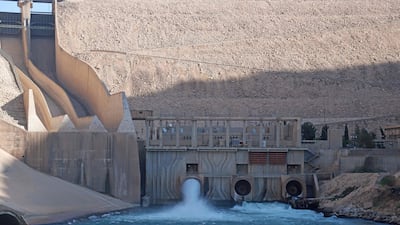
Darbandikhan Dam's water level has fallen by 7. 5 metres in only one year. AFP -
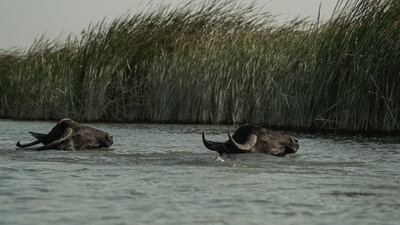
The Chabayech Marshes are a vital water source. Haider Husseini for The National -
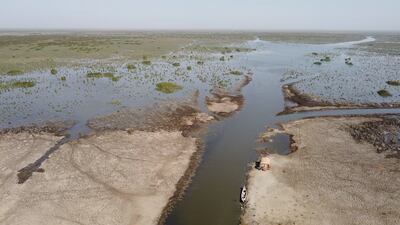
Low water levels are evident. Haider Husseini for The National -
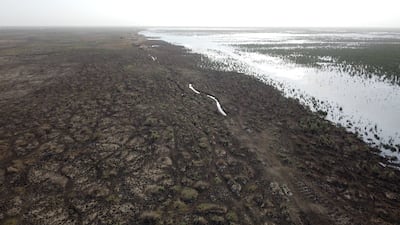
What was once a healthy water supply is shrinking fast. Haider Husseini for The National -
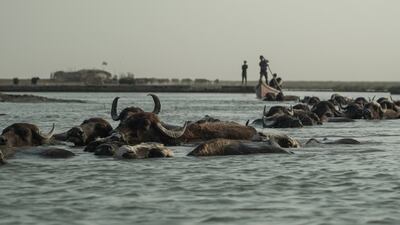
Water buffalo swim in the Chabayech Marshes. Haider Husseini for The National -
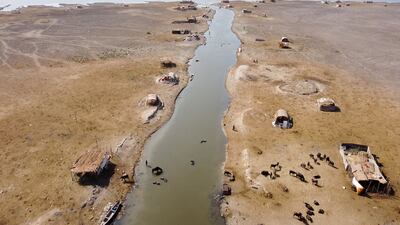
This aerial view shows the dry parts of the marshes. Haider Husseini for The National -
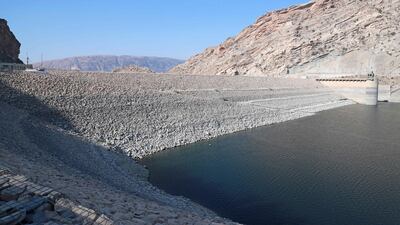
Iraqi officials have said the drastic drop in water levels is due to low rainfall and dam-building in neighbouring Iran. AFP -
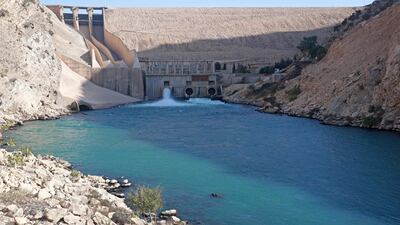
The Sirwan River begins in Iran, flowing to Darbandikhan Dam in north-eastern Iraq before going through the rural province of Diyala and joining the Tigris. AFP


The main lesson from Iraq’s recent history is that such policies are unsustainable and do not create sufficient opportunities for the 800,000 young people who enter the job market every year. The government wage and pension bills already consume a significant part of Iraq’s oil revenues, leaving little for other pressing priorities and making public finances extremely vulnerable to oil price volatility. Thus, it is not surprising that Iraq has found itself teetering on the brink of economic collapse after every major decline in global oil prices. Each occasion has prompted attempts at economic reforms. And each time, these reforms have been abandoned as soon as the conditions in the oil market improved.
Two years ago, when the Covid-19 pandemic and plummeting oil prices hit the economy, the shortcomings of Iraq’s economic model manifested themselves yet again. The government struggled to pay its bills, public debt was becoming unsustainable and foreign exchange reserves of the central bank were rapidly melting. These pressures have limited the government’s ability to mount an effective response to the health crisis just when it was most needed.
Amid a difficult situation, the authorities have presented a long-term vision of a structural transformation of Iraq aimed at moving away from an economic model of state and oil dependence towards private job creation and economic independence. The recent increase in oil prices provides the resources and the policy space to facilitate a speedy post-pandemic recovery and begin to make this long-term vision a reality. Will Iraq use this opportunity, or will the old habits prevail?

This question is crucial now more than ever, because in a world that is fighting climate change, every such opportunity could also be the last. Iraq is entering an existential battle for its economic future as the intensifying global race to save the planet puts in doubt the longevity of oil revenues. At the same time, rising temperatures, the increased frequency and severity of heat waves, droughts and other natural disasters, unrelenting salination and desertification threaten to destroy the livelihoods of millions and make major parts of the country uninhabitable. The current demographic trends will further strain the already struggling urban water, sanitation and electricity systems. Without urgent improvements in climate resilience and economic diversification, many sectors of the economy could disappear forever.
Tackling Iraq’s long-standing and looming challenges will require wide-ranging reforms on an unprecedented scale, most importantly improving governance; strengthening public finances to ensure their sustainability and create the space for much-needed investment and social safety nets; reforming the civil service; fixing the electricity sector and revitalising the financial sector to support private investment. Such reforms can only be implemented with lasting and broad-based political support, which has been elusive in the past.
The global oil markets have presented Iraq with yet another opportunity to secure a brighter future for its citizens. What the new government makes of it before such opportunities permanently disappear could reverberate through generations. This is its historic significance.

