
High blood pressure, anxiety and chest pain are just some of the symptoms doctors are seeing in young people consuming caffeinated energy drinks, as a new study links the beverages with heart problems.
The drinks and workout supplements are disproportionately linked to serious cardiovascular events, including heart attacks, in research to be presented at the American Heart Association’s Scientific Sessions on Friday.
A review of more than 28,000 adverse events reported to the US Food and Drug Administration between 2017 and 2025 showed caffeinated drinks were linked to heart problems far more often than regular beverages.

Cardiac issues were found particularly among adults aged 18 to 34, a group not usually considered at high risk of cardiovascular events.
While it is generally considered safe to drink about five cups of coffee a day (around 44mg of caffeine), some energy drinks contain three times that amount.
Pre-workout supplements, meanwhile, are potentially even more problematic and are loaded with 12 times as much caffeine for each fluid ounce as regular coffee.
Dr Gregory Marcus, chairman of the American Heart Association, called for more research to understand the full effect of caffeinated drinks on young people.
“This study raises concerns that products with very high amounts of caffeine may be harmful to the cardiovascular system,” Dr Marcus said.
“Although there are biological reasons why that connection could be possible, the study does not prove that caffeine products cause these events, because other factors may have influenced the results found in this analysis.”
Heart attacks
Cardiac arrest was reported about 11 times more often in connection with caffeinated drinks compared with caffeine-free products.
Reports involving energy drinks and supplements were about 4.5 times more likely to include heart attacks and four times more likely to include abnormal heart rhythms or palpitations.
Elevated heart rate, chest pain and fainting were more than twice as common in people who used products containing caffeine or other stimulants.
Almost half of reports linking caffeinated products with cardiovascular events involved people aged 18 to 34, with similar patterns among men and women.
Researchers at the University of Virginia School of Medicine analysed data from a US government database to compare reports of adverse reactions related to caffeine products, including soft drinks, meal replacement shakes, protein bars, smoothies and vitamins.
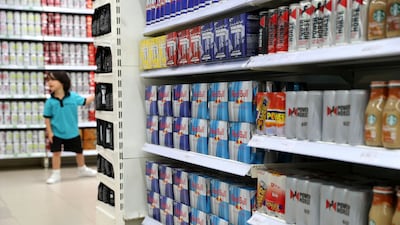
Their research noted many products were marketed as everyday pick-me-ups and sold in stores next to soda and bottled water without warning labels.
In the UAE, a combination of stringent tax policy, health warnings and age restrictions aims to reduce the intake of energy drinks, which are subject to a 100 per cent excise tax.
Under-16s are banned from buying the drinks and warnings are attached to products to deter those vulnerable to high caffeine intake, such as people with heart disease or hypertension, or women who are breastfeeding.
School ban
They are also banned from sale in all public and private-school canteens, educational institutions and medical centres.
Dr Hesham Tayel, a consultant cardiologist at International Modern Hospital in Dubai, said he had treated more young people with similar health issues related to caffeine.
“We've definitely been seeing more of this over the past few years,” Dr Tayel said.
“Most of the cases aren't dramatic cardiac arrests or heart attacks, but rather young patients presenting with heart issues after consuming large amounts of energy drinks, often together with pre-workout supplements, nicotine products, lack of sleep, or intense exercise.
“The important point is that these drinks are not simply coffee in a can. Many contain multiple stimulants, and some young people consume several cans in a short period of time without realising how much caffeine they are actually taking.”
Market research from Euromonitor International showed that taxes were reducing energy drink sales by up to 65 per cent in the first 15 months after they were implemented.
Meanwhile, the Federal Tax Authority said the taxes had successfully modified manufacturing, forcing producers to reformulate products or expand healthier alternatives.
One thing that concerns cardiologists is that doctors rarely know which patients may be susceptible to cardiac events.
“A teenager or young adult may appear completely healthy but have an underlying electrical disorder, a predisposition to arrhythmias, or a tendency towards coronary vasospasm that becomes apparent only after exposure to large amounts of stimulants,” said Dr Tayel.
“Energy drinks should be treated as stimulant products rather than soft drinks.”
Caffeine increases adrenalin-like activity in the body. The heart beats faster and harder, and blood pressure rises. Many energy drinks also contain guarana, which adds more caffeine, and some pre-workout products contain other stimulants.
The total dose can be much higher than the label suggests at first glance.
The effect of caffeine on the body is exacerbated when it is paired with dehydration, as is often the case during intense exercise.
“Energy drinks are now a normal part of the day for many students, young professionals and shift workers,” said Dr Zaidoun Hajali, a consultant interventional cardiologist at Medcare Hospital, Al Safa.
“I see them used to get through exams, long working hours, gym sessions and late-night gaming. What concerns me is that most of these young people do not count energy drinks as caffeine.
“When I ask about coffee, they say one cup. But when I ask specifically about energy drinks, pre-workout powders and iced coffees, the real total is often much higher.”

