White Helmets try to prevent landmine deaths - in pictures
-
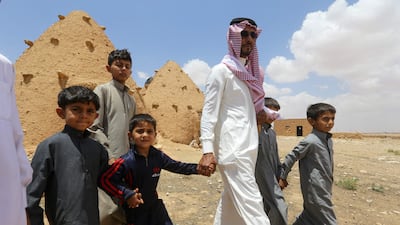
Family members from three generations were huddled on the back of a pickup truck for what started as a joyful ride through the Syrian countryside for Abdulaziz al-Oqab and his relatives. All photos: AFP -
They were planning to sample the long-forgotten peacetime pleasure of a simple family picnic when a landmine brought a bloody end to their outing, and to the lives of 21 family members. -

Mr al-Oqab walked away with relatively light wounds that day in February 2019, but the blast killed his wife, two of his sons, four of his siblings, an uncle and other family members, and left others maimed. -
'It was a day of joy that turned into tragedy,' the man, 41, told AFP. 'I've come to hate going out since then. People live in fear of this faceless killer that could be anywhere.' -

Remnants of explosives laid by all sides in the 11-year-old civil war are now claiming more lives in Syria than anywhere else in the world, says the United Nations. -
The UN Mine Action Service said 15,000 people have been killed or injured by explosive devices in Syria since 2015. -
This is a 'huge number', said Habibulhaq Javed, who heads Syria's UNMAS team. 'Currently, Syria is reporting the highest number of victims caused by explosive ordnance globally.' -

About 10.2 million people, or roughly half of all Syrians, live in areas contaminated with explosive devices, the UN says. -
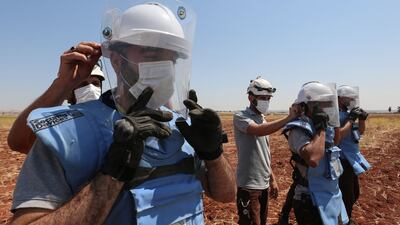
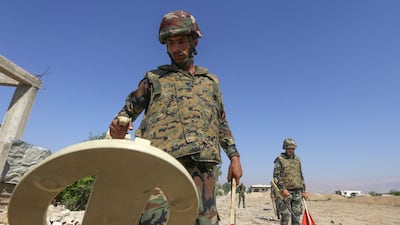
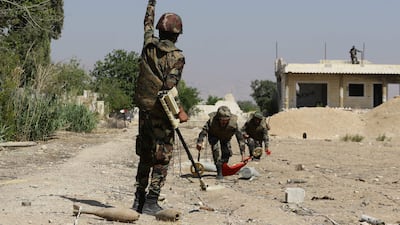
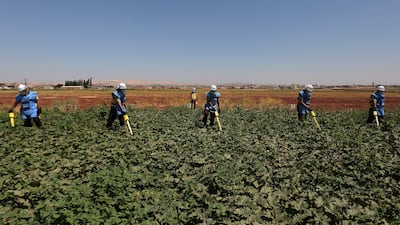
'Mines have a long lifespan,' said a Syrian army officer, who asked not to be named over security concerns. They stay lethal even longer if they are kept inside casings, he told AFP during a demining training exercise organised by the military near Damascus. -
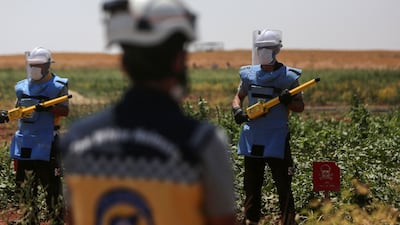
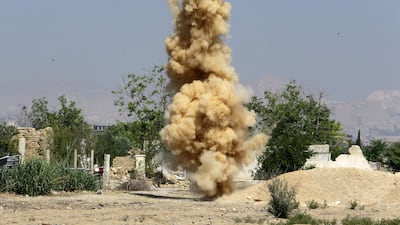
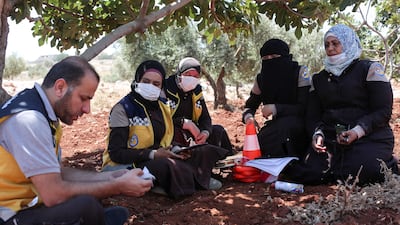
In Syria's rebel-held north, it is rescue workers who take on the daunting task of sweeping for landmines and detonating them, in the absence of state support. The White Helmets rescue group has even set up training and workshops to raise awareness on the dangers landmines pose. -

Raed Hassoun of the White Helmets heads a demining centre in Syria's north-west that has neutralised about 24,000 explosive devices since 2016. 'We deal with unexploded ordnance according to one principle,' he said. 'Your first mistake is your last.' -

A lack of resources is depriving most of Syria's towns and villages of vital mine clearance work. -

Agencies are struggling with limited funding for demining programmes and civilians often pay the price as a result. -
They include the family of Zakia al-Boushi who, on a fateful day in 2017, went out with eight relatives in Aleppo province searching for the precious white truffles that grow in the desert sands in winter. Only three of them returned alive.


Most popular today
6

