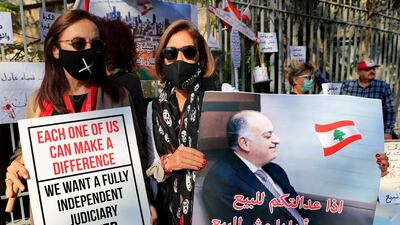

A number of Lebanese lawmakers are petitioning the UN for the formation of an international fact-finding commission to look into the massive explosion that wreaked havoc across the capital Beirut last August.
MPs from the Lebanese Forces, one of the country’s major parties, have submitted a petition to the UN Secretary General to help uncover the truth, LF MP George Oqeis said on Monday. The petition was submitted to the UN Deputy Special Coordinator for Lebanon, Mr Oqeis said.
“Six months have passed since the explosion at Beirut port. We awaited the [progress] of the investigation but reaped nothing but disappointment,” Mr Oqeiss said. “All we want is the truth.”
-
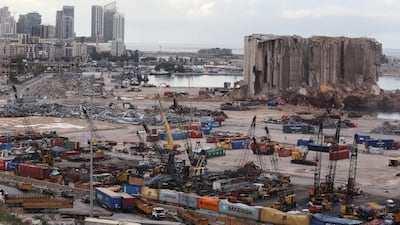
The site of the August 4 explosion at Beirut port in December. Reuters -
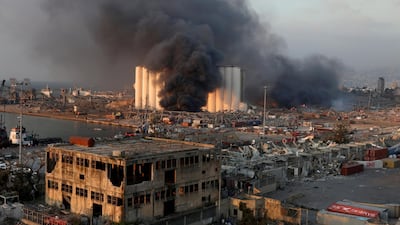
Smoke rises from the site of an explosion in Beirut's port area, Lebanon on August 4, 2020. Reuters -
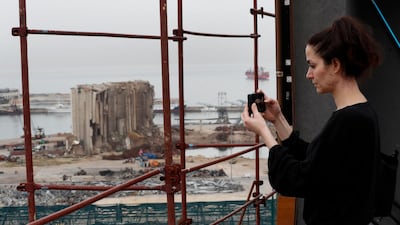
Joana Dagher, 33, who lost her memory for two full months from the trauma she suffered in the massive August explosion at the Beirut port takes pictures of the explosion scene from her damaged apartment rooftop. AP -
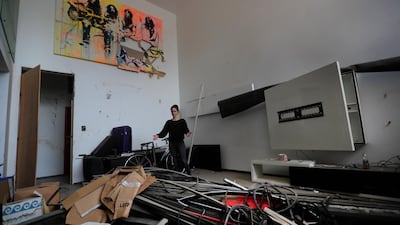
The mental health impact of the Beirut explosion that killed more than 200 and wounded more than 6,000 continues to lay its heavy weight on those who managed to survive the day. AP -
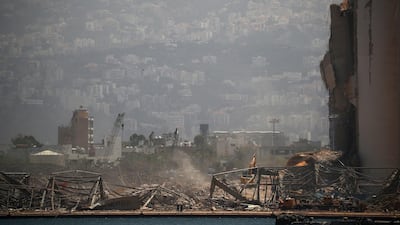
A general view shows damage at the site of the blast in Beirut's port area, Lebanon. Reuters -

A drone picture shows the destruction after the explosion in the seaport of Beirut, Lebanon. AP


The local investigation into the blast, which killed over 200 people and destroyed thousands of properties, has been marred by controversy, prompting calls by the families of some victims for an international probe.
The petition comes days after the appointment of a new lead investigator in the case. The appointment of Judge Tarek El Bitar followed a ruling by the supreme court in Beirut to remove his predecessor Judge Fadi Sawan from the case.
The court's ruling followed a request filed by MPs and former ministers Ali Hassan Khalil and Ghazi Zeaiter, whom Mr Sawan had charged last December with criminal negligence over the blast, along with caretaker Prime Minister Hassan Diab and former minister Youssef Finianos.
All four argued Mr Sawan had no authority to indict them under the constitution, which grants immunity to lawmakers and ministers from prosecution for decisions related to their work.
The court’s decision raised concerns among families of the victims and a number of politicians that the local investigation was being politicised.
So far, it remains unclear who owned the huge stockpile of the explosive chemicals that caused the blast or why the material was stored at the port for over six years with the knowledge of the country’s security agencies.
The investigation under Mr Sawan drew criticism from Parliament Speaker Nabih Berri and its ally, the Iran-backed armed group Hezbollah, amid media reports linking the explosive chemicals to businessmen close to Syrian President Bashar Al Assad’s regime.

