

Lights returned to Lebanon after the state electricity provider restarted its plants on Sunday using 6,000 kiloliters of gasoil given by the army after a day of total blackout, a senior Electricite du Liban official told The National.
EdL had warned on Saturday that the country was out of state-supplied electricity after it ran out of fuel oil for its power plants.
The state electricity provider began using the army's oil in its Deir Ammar power plant, the official said.
The army had drawn the oil from its reserves, a spokesman said over the phone.
“We are not going to let people live without any electricity,” the spokesman said. “If we can help provide just half an hour of electricity per day, it’s better than nothing.”
The gasoil for the power stations will last about three days. A fuel-oil shipment that docked on Saturday could be used to generate power from next week, EdL said.
Lebanon has suffered power cuts lasting up to 22 hours a day for the past six months, forcing residents to rely on expensive private generators.
The country has been in an economic freefall for two years, partly triggered by shortages of foreign-currency reserves, needed to import fuel.
The country relies on fuel oil to generate electricity, but petrol shortages have compounded long power cuts.
-
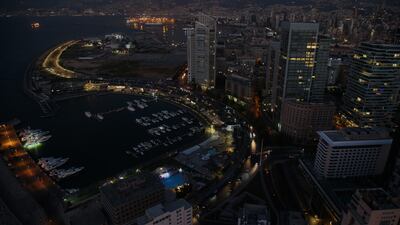
A view of Lebanon's capital, Beirut, with the lights on only in some buildings. Lebanese rely on highly polluting diesel generators run by private neighbourhood operators to make up for shortfalls in electricity supply from the state utility. EPA -

A fisherman uses a headlamp at the seaside corniche in Beirut, Lebanon. EPA -

A vendor sells LED balloons in full darkness at the corniche in Beirut. EPA -
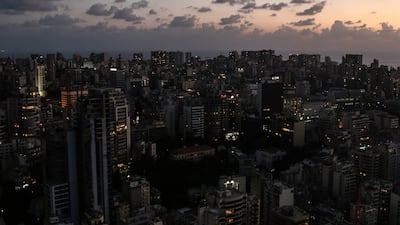
The near collapse of the national grid has increased the duration of power cuts across Lebanon. EPA -
Residents of Beirut are experiencing power cuts of up to 20 hours a day. EPA


The army provided the fuel to EdL free of charge. The electricity provider will return the same quantity whenever it can, the spokesman said.
The fuel will generate 500 megawatts, the minimum required to keep the power plants running.
The military was using its reserve fuel for its canteens and cafes, as well as to generate electricity and pump water in its border outposts that have no access to power, the army spokesperson said.

