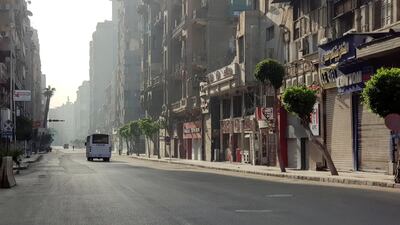

Egypt announced new measures on Wednesday to curb the spread of Covid-19, including a ban on mass celebrations, as the country prepares to celebrate Eid Al Fitr.
The new guidelines, announced by Prime Minister Mostafa Madbouly, come into effect on May 6 and end on May 21. Eid Al Fitr is expected to start at sundown on May 12 and end on May 15, but dates could change depending on Moon sightings.
Mr Madbouly said an increase in coronavirus infections was behind the new regulations.
"As a government and as officials, we are deeply worried that citizens are not fully complying with health precautions … we are beginning to see that infections are happening on a familial scale, when one person gets sick [they infect] the whole family," Mr Madbouly said.
Restaurants, cafes, shopping malls and entertainment venues will be required to close at 9pm, a four-hour reduction from the current closing time of 1am. Delivery services, however, will continue operating around the clock.
The new guidelines ban all mass celebrations, which are typically more prolific during the Eid Al Fitr feast as Ramadan abstinence comes to an end.
An official holiday declared between May 12 and May 16 will be in observation of the feast, with businesses in the public and private sectors closing up shop for the duration.
All public beaches and parks will be closed for the two-week period during which the new guidelines are in effect.
May is generally the time when Egyptian holidaymakers start to visit the nation’s beaches, either in the north on the Mediterranean Sea or the coast of the Red Sea.
But as a result of the worsening coronavirus outbreak, holiday resorts announced that, until further notice, they will be particularly strict with enforcing preventive measures, especially with the closing times of food outlets and nightlife venues.
All pools and recreational activities at these establishments will be closed until further notice.
Khaled Baioumy, 33, a pharmacist, went to the north coast for the long weekend and is planning to stay through the summer.
With the ability to work remotely, he stayed from mid-April through September last year. He was disappointed, however, to find the beach blocked by barriers.
“I came for the beach, but it is the worst time,” Mr Baioumy said. “During Eid, it’s usually very crowded, so for the beaches to remain open would be a problem. Last year, the beaches and pools were closed during Eid.”
According to health ministry figures released on Tuesday, the country's Covid-19 case tally reached 231,803 after 1,090 new cases were recorded. The official death toll reached 13,591 after 60 patients died on Tuesday.
It is highly likely that the real numbers of cases and deaths are much higher than official figures indicate, with some specialists estimating that millions of infections were not recorded.
The ministry for religious endowments also announced on Wednesday that mosques, which usually host large numbers of worshippers during the feast, will continue implementing Friday prayers regulations.
Worshippers must wear face masks, while footfall and visiting times at mosques is reduced.
-
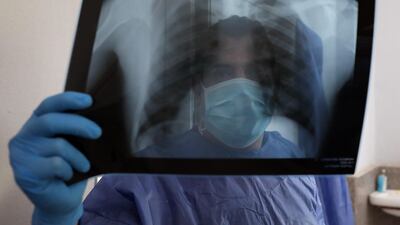
Medical personnel checks an X-ray at the Imbaba Fevers Hospital in Cairo. EPA -
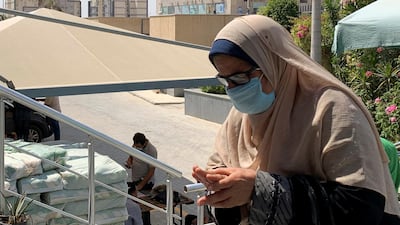
A woman wears a protective face mask, amid concerns over the coronavirus disease in Cairo, Egypt. Reuters -
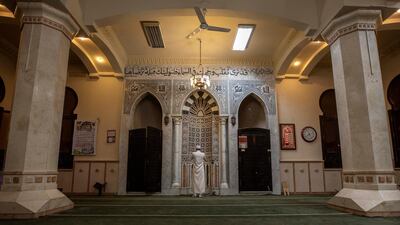
An Imam makes the Adaan call to prayer inside an empty mosque after the government banned all religious activities due to the coronavirus outbreak in Cairo. AP -
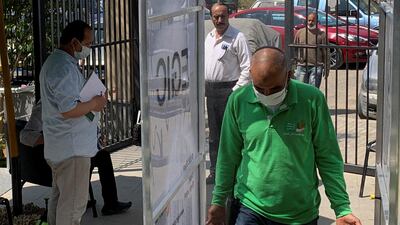
A man wears a protective face mask while walking through a sanitizing gate in Cairo. Reuters -
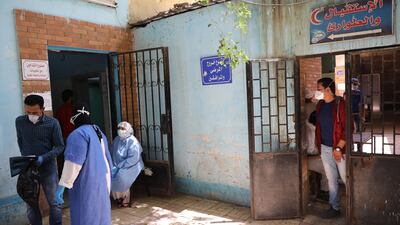
People at the Imbaba Fevers Hospital in Cairo, Egypt. EPA -
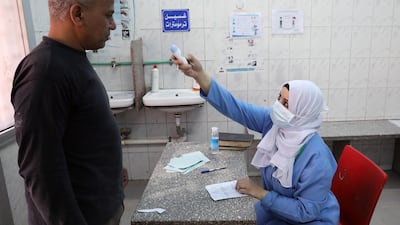
Medical personnel check the body temperature of a man at the Imbaba Fevers Hospital in Cairo. EPA -
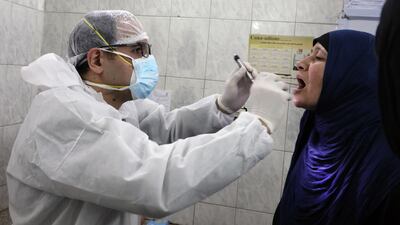
A doctor checks a patient at the Imbaba Fevers Hospital in Cairo. EPA -
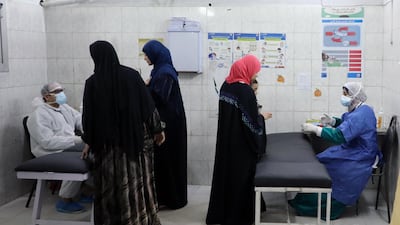
Medical personnel with patients at the Imbaba Fevers Hospital in Cairo. EPA -
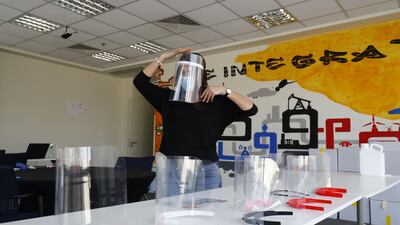
Aya Dessouky, public relations specialist at the Giza Systems Education Foundation, packs a newly-fabricated protective face shield before sending it for use by medical professionals treating Covid-19 coronavirus patients. AFP -
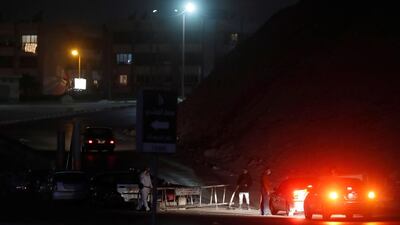
A police checkpoint at the area of the Cairo suburb of Maadi during a night-time curfew to contain the spread of the coronavirus. Reuters -
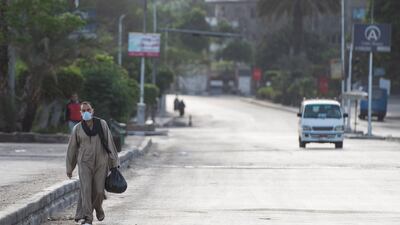
A man wearing a protective face mask walks in street in Cairo. EPA -
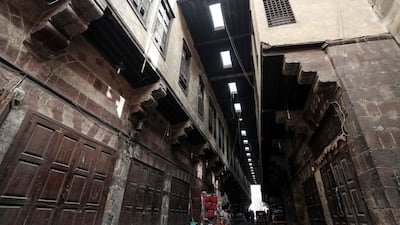
Closed shops along Khayamiya Street in the old city of the Egyptian capital Cairo, almost empty due to the Covid-19 coronavirus pandemic. AFP -

A member of the medical staff at the infectious diseases unit of the Imbaba hospital in Cairo. AFP -
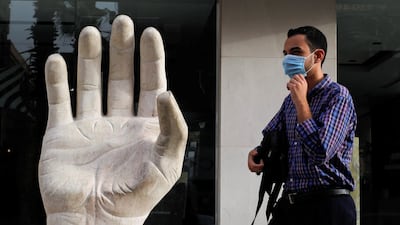
A man wearing a protective face mask walks near a granite symbol hand of peace, amid concerns over the coronavirus disease. Reuters -
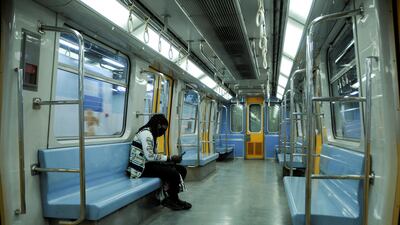
A woman wearing a protective face mask sits inside an empty metro train, as she travels on a line Shubra Al Khaimah to Tahrir Square. Reuters -
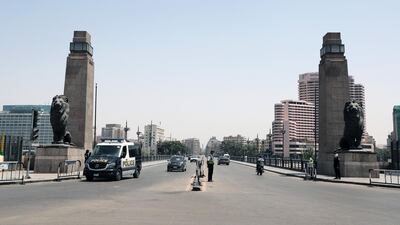
Egyptian policemen patrol the Qasr Nile bridge to ensure people abiding by restrictions during the national holiday of Sham El-Nessim. EPA -
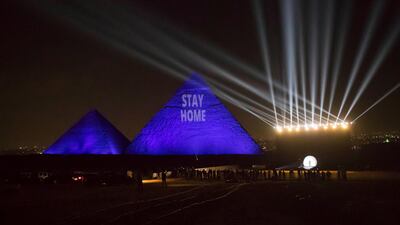
The Great pyramids lighten-up with blue light and reading with a laser projection the message "Stay Home" on the Giza plateau outside the Egyptian capital of Cairo. AFP -
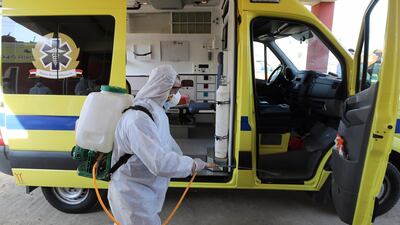
A medical worker disinfects an ambulance which transported a possible patient with coronavirus Covid-19 at fever hospital in Embaba district. EPA



