


Natural disasters claimed tens of thousands of lives in the Middle East and North Africa region in 2023, particularly the earthquakes in Turkey and Morocco and flash floods in the Libyan city of Derna.
While little can be done to prevent or accurately predict such calamities, measures can be taken to reduce their toll, experts say.
February's earthquake in Turkey, which also devastated large parts of neighbouring Syria, killed well over 55,000, while around 3,000 died after a quake in September in the Atlas Mountains of Morocco.
Much of the instability in the Mena region is because the Arabian tectonic plate, which includes the Arabian Peninsula, is moving north-east by 1.4 to 1.8 centimetres a year.
It comes up against the Eurasian plate, and the enormous forces generated are released periodically as seismic activity in an area that includes Turkey, Iraq, Iran and Pakistan.
-

A woman walks among destroyed buildings in Hatay, Turkey. Getty Images -
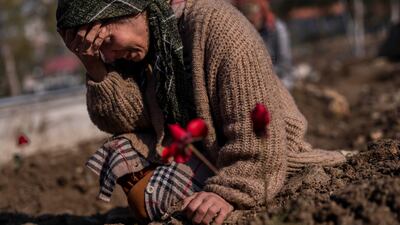
A woman mourns a relative during the burial of one of the earthquake victims in Antakya, southeastern Turkey. AP Photo -
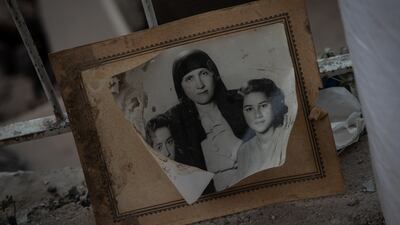
A family photo is seen amid the rubble in Hatay. Getty Images -
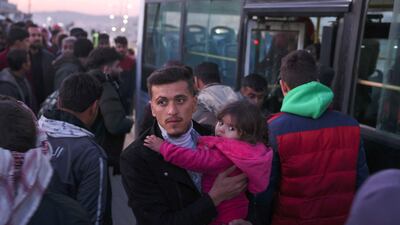
Syrian refugees in Turkey return to their home country following the deadly earthquake. AFP -

Members of NGOs Deathcare Embalming Team and Turkish Kurt-Ar inspect the bucket of an excavator as they search for bodies in Kahramanmaras, Turkey. AP Photo -
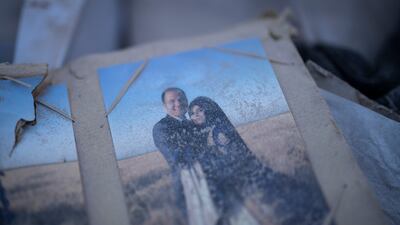
Dust covers a family photo album found in Antakya. AP Photo -
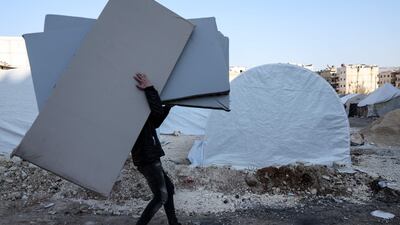
A man made homeless by the 7.8-magnitude quake carries mattresses distributed by an NGO at a makeshift camp in Afrin, in Syria's Aleppo province. AFP -
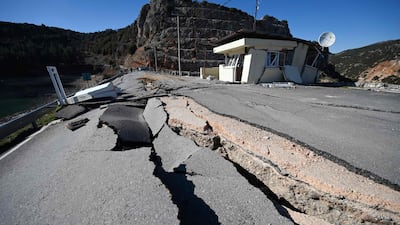
A cracked road near the quake’s epicentre in Kahramanmaras, Turkey. AFP -
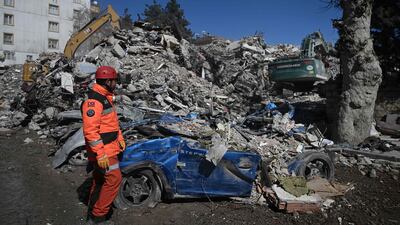
A rescuer stands near the site where Aleyna Olmez, 17, was rescued from the rubble of a collapsed building in Kahramanmaras, about 10 days after the quake struck. AFP -
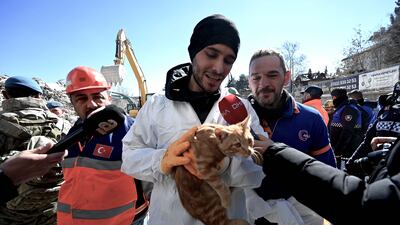
A rescuer holds a cat after it was rescued from the ruins of a collapsed building in Kahramanmaras. AFP -

Quake survivors queue for food amid the rubble in Kahramanmaras. Reuters -
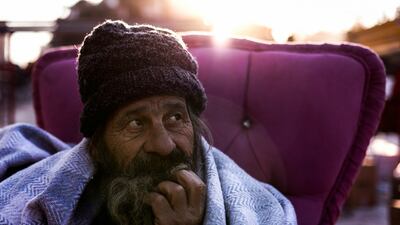
Bedran, a local resident who lost his house in the earthquake, keeps warm in Antakya, Turkey. Reuters -

A girl carries a box of water bottles next to a damaged mosque in Antakya. Reuters -
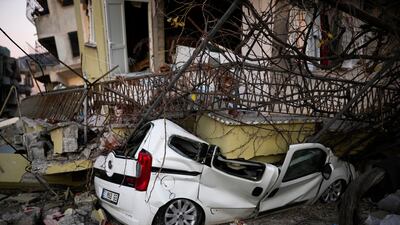
A car lies crushed by parts of a badly damaged building in Samandag, Turkey. AP -
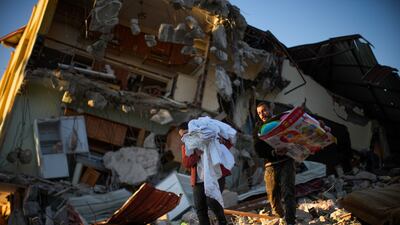
Residentes remove their belongings from their destroyed house in Samandag. AP -
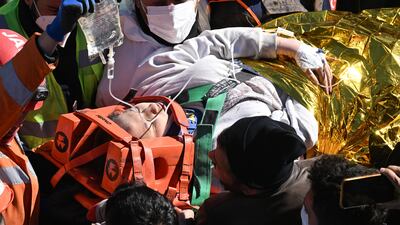
Aleyna Olmez, 17, is rescued after being trapped for 10 days in Kahramanmaras. Getty -
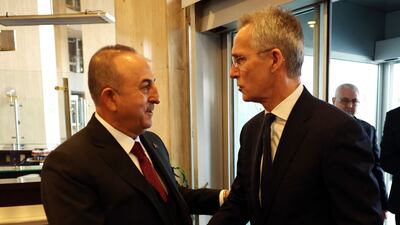
Turkish Foreign Minister Mevlut Cavusoglu, left, with Nato Secretary General Jens Stoltenberg in Ankara. AFP -
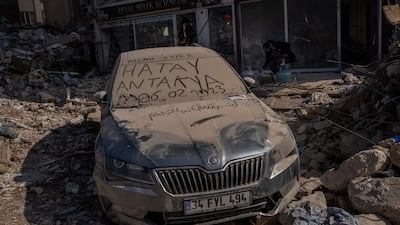
A message scrawled on a car covered in dust from collapsed buildings in Antakya, Turkey. AP -
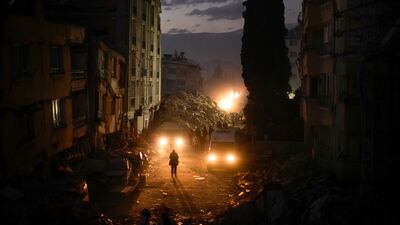
Destruction in Antakya. AP -

A cracked road leads to a flooded area in Antakya. AP -
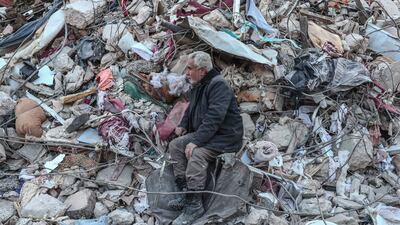
A man looks bewildered at the site of collapsed buildings in Hatay, Turkey. EPA -
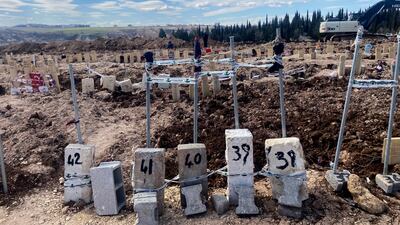
Numbered stones near graves of earthquake victims at a cemetery in Adiyaman, Turkey. EPA -

A makeshift camp set up amid the rubble in Antakya, south of Hatay. AFP -
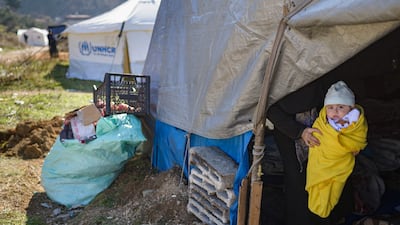
A woman holds her baby inside a tent in a camp in Antakya, Hatay. AFP -
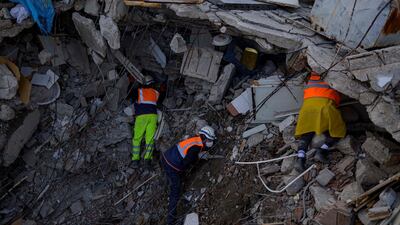
Greek and Turkish rescuers are at work to extract bodies of victims from the rubble in Antakya. AFP -
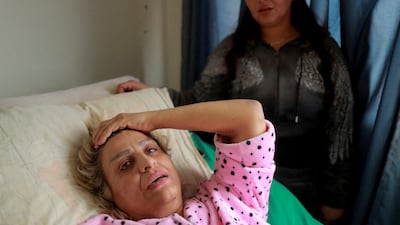
Samar Hamouda, 44, recalls her experience of the earthquake destroying her home, at Tishreen Hospital in Latakia, Syria. Reuters -
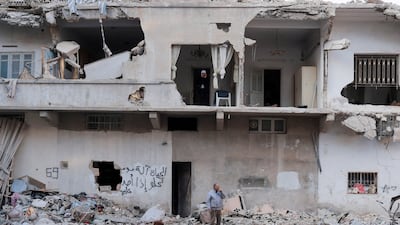
A damaged house in Jableh, Syria. Reuters -
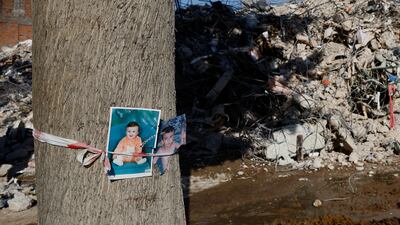
Photos of missing children left in hope in Kahramanmaras, Turkey. Reuters -
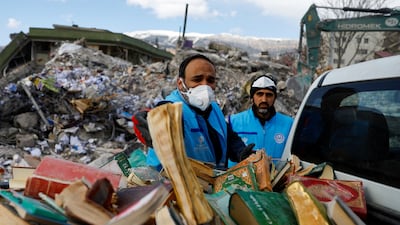
People collect copies of holy books from the rubble in Kahramanmaras. Reuters -
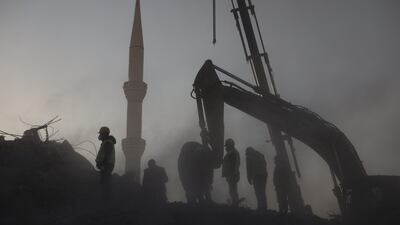
Rescuers search for survivors under the rubble of a collapsed building in Kahramanmaras. Reuters -

People carry a bodybag as residents wait for their relatives to be pulled out from the rubble in Hatay. AFP -
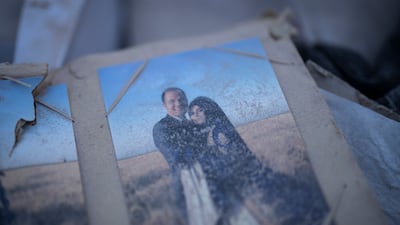
Dust covers a family photo album found in the debris of a building in Antakya. AP -
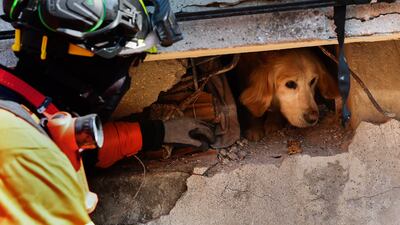
Portuguese rescue team members try to free the dog named Tarcin from the rubble in Antakya in Hatay. EPA -
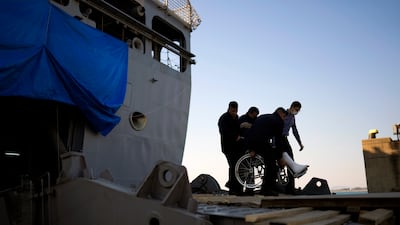
An injured survivor at a makeshift hospital set up at Turkish Bayraktar warship anchored near Iskenderun city, southern Turkey. AP -
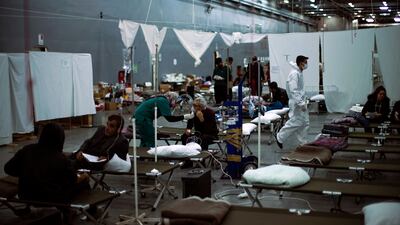
A makeshift hospital set up at Turkish Bayraktar warship anchored near Iskenderun city, southern Turkey. AP -

Britain's King Charles III (C) meets with members of the Turkish diaspora community who have been collecting, packaging and organising the transportation of food, blankets and warm clothing for people who have recently been affected by the earthquakes in Turkey and Syria, during a visit to the West London Turkish Volunteers, in Hounslow, greater London. AFP -
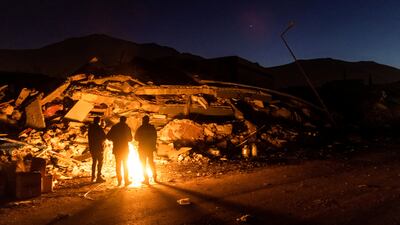
People stand by the fire next to the ruins of a collapsed building in Elbistan, Turkey. Reuters -
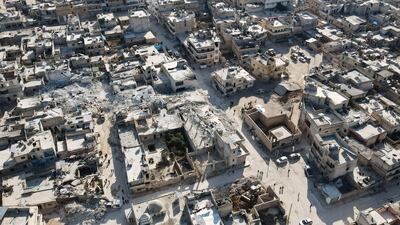
Destroyed buildings in Syria's rebel-held village of Atarib, in the north-western Aleppo province. AFP -

Rescuers carry Fatma, 15, who was pulled out from the rubble in Hatay, Turkey. Reuters -

A displaced woman receives food inside a stadium in Kahramanmaras, Turkey. Reuters -
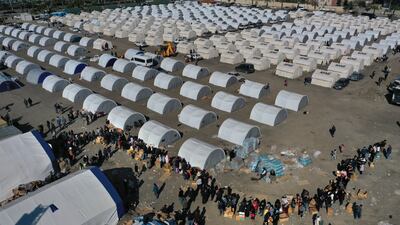
People lineup to receive aid supplies at a makeshift camp in Iskenderun city in southern Turkey. AP -
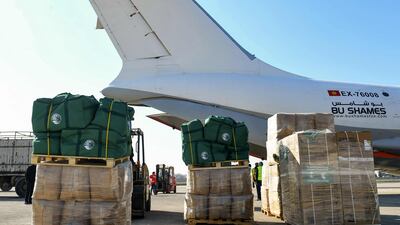
Humanitarian aid provided by Saudi Arabia for survivors of the February 6 earthquake are unloaded at Aleppo Airport in northern Syria. AFP -

Turkish President Recep Tayyip Erdogan addresses the World Government Summit in Dubai via video link. Antonie Robertson/The National -

A man walks between trains being using as shelters in Iskenderun, southern Turkey. AP Photo -
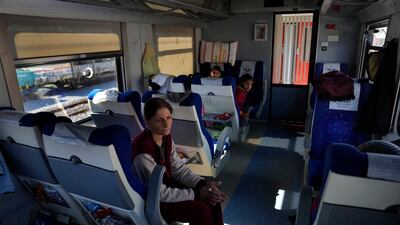
A woman and children inside a train being used as shelter after the earthquake, in Iskenderun. AP Photo -

Tents erected in a school yard for Syrians who have lost their homes after the deadly quake, in the rebel-held town of Harem in Syria. Reuters -
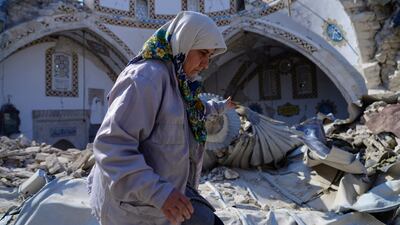
A woman walks by the destroyed Habib-i Neccar mosque in the historic southern city of Antakya in Hatay, Turkey. AFP -
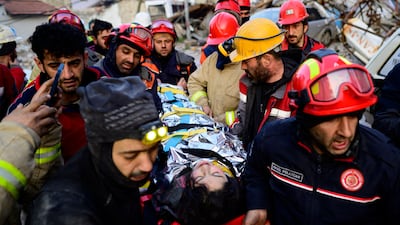
Rescuers pull out a 12-year-old Syrian girl, Cudi, from the rubble in Hatay. AFP -
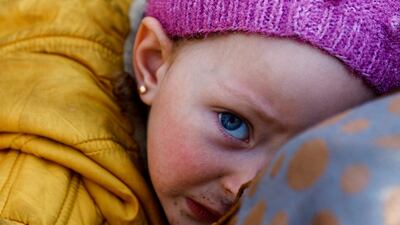
Amar, a Syrian refugee living in Turkey, looks on as search for survivors continues in Kahramanmaras. Reuters -
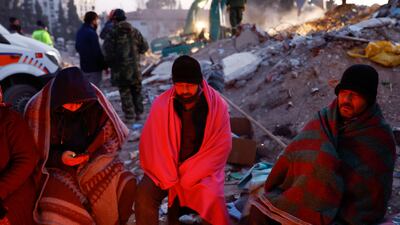
Displaced people keep warm by a fire in Kahramanmaras, Turkey. Reuters -
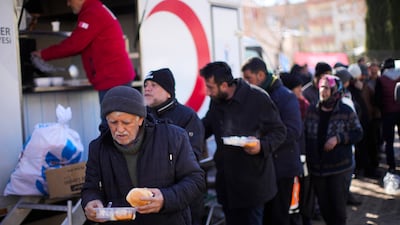
Earthquake survivors receive distributed meals in Golbasi, Turkey. AP -
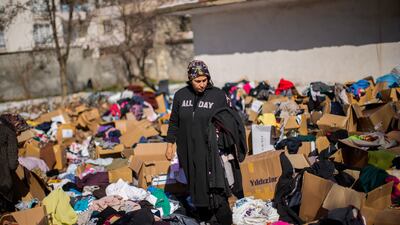
A woman stands amid boxes of donated clothes in Golbasi, Turkey. AP -
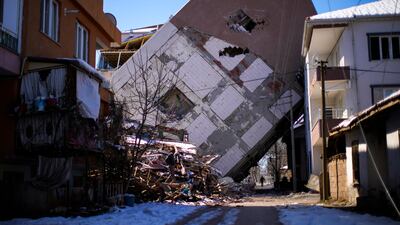
A man walks near a damaged building that leans on a neighbouring house in Golbasi, Turkey. AP -
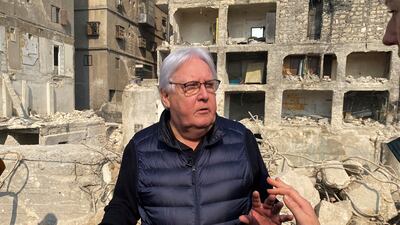
UN emergency relief co-ordinator Martin Griffiths stands amid quake-damaged buildings in Aleppo, Syria. Reuters -

Delegates observe a moment of silence for the Turkey–Syria earthquake before the start of the World Government Summit in Dubai. Pawan Singh / The National -
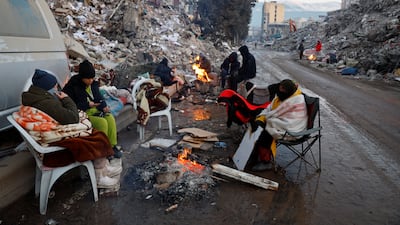
People keep warm by a fire as the search for survivors continues a week after the earthquake in Kahramanmaras, Turkey. Reuters -

A child receives food in Kahramanmaras, Turkey. Reuters -

A dog is seen through a glass door in Kahramanmaras, Turkey. Reuters -
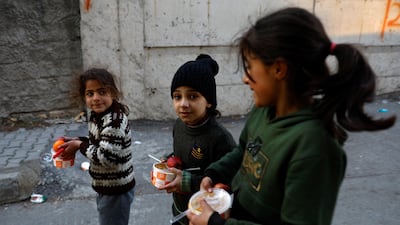
Children walk in the street with food boxes in Kahramanmaras, Turkey. Reuters -

A minaret stands as the sun rises over the earthquake-hit city of Kahramanmaras, Turkey. Reuters


North African countries such as Morocco and Algeria have suffered severe earthquakes because of the north-eastern movement – more than 2cm a year – of the African plate.
While nothing can be done to prevent the earthquakes, lives could be saved by ensuring that buildings are better able to cope with strong tremors.
"The earthquake itself you cannot do anything about, but if we designed the structures to be resistant to earthquakes, lots of the damage could be prevented," said John Douglas, who researches seismic hazards at the University of Strathclyde in the UK.
"You cannot prevent the damage, but the collapses we saw in Turkey, with relatively modern buildings – that shouldn’t have really happened if you design your structures with the most recent design codes and proper materials."
Typically, he said, the problem in some countries in the region was the enforcement of building codes, rather than the codes themselves.
"In Morocco a lot of the structures were older structures, poorer quality materials, where they don’t have much resistance, and because they’re old, they’re not very well maintained and more vulnerable to the earthquake shaking," he said.
-
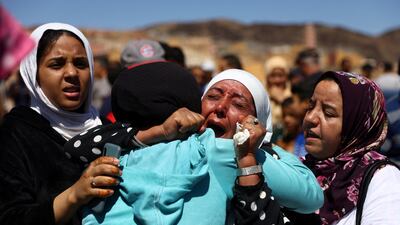
People react during the funeral of two victims of the deadly earthquake, in Moulay Brahim, Morocco. Reuters -
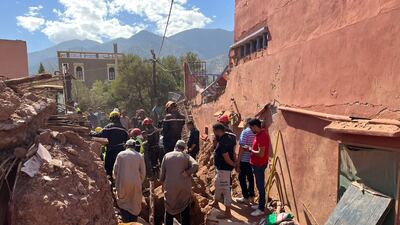
Earthquake devastation in Douar El Darb village in Weguen municipality of El Haouz district. Photo: Ghaya Ben Mbarek / The National -
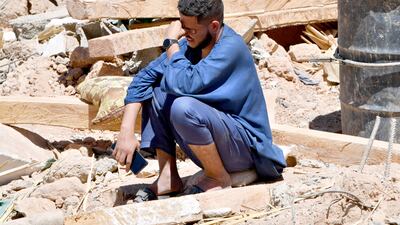
A man cries as he sits on the rubble of a house in the village of Tiksit, south of Adassil, two days after a devastating 6. 8-magnitude earthquake struck the country. Moroccans on September 10 mourned the victims of a devastating earthquake that killed more than 2,000 people as rescue teams raced to find survivors trapped under the rubble of flattened villages. AFP -
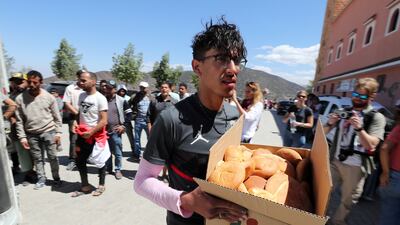
A man distributes bread to locals, in Moulay Brahim, south of Marrakesh, Morocco, following a powerful earthquake. The earthquake has affected more than 300,000 people in Marrakesh and its outskirts, the UN Office for the Coordination of Humanitarian Affairs (OCHA) said. Morocco's King Mohammed VI declared a three-day national mourning for the victims of the earthquake. EPA -

Villagers inspect the rubble of collapsed houses in Tafeghaghte, 60 kilometres (37 miles) southwest of Marrakesh, as rescue teams raced to find survivors. AFP -
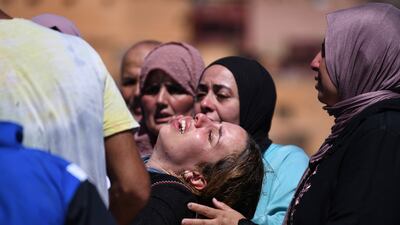
Women cry as they mourn victims of the earthquake in Moulay Brahim in the province of Al Haouz, Morocco. AP Photo -
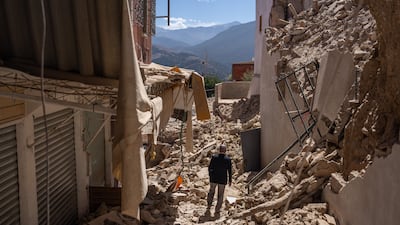
A man walks amongst the rubble of collapsed buildings following yesterday's earthquake, in Moulay Brahim, Morocco. Getty Images -
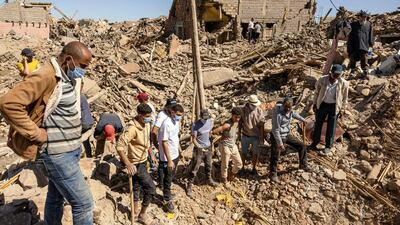
Volunteers watch as a digger moves rubble of collapsed houses in Tafeghaghte, 60 kilometres (37 miles) southwest of Marrakesh. AFP -
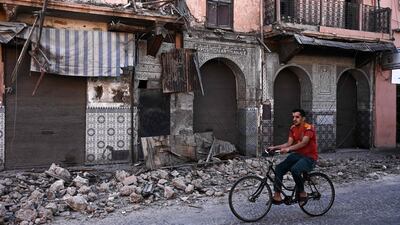
A man rides a bicycle past an earthquake-damaged building in the old quarters of Marrakesh. AFP -
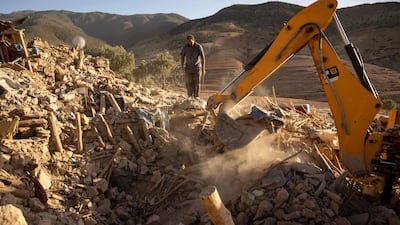
Rescue workers dig through rubble after an earthquake in the mountain village of Tafeghaghte, southwest of the city of Marrakesh. AFP -
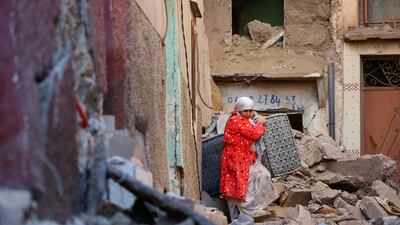
A woman carries belongings out of a damaged building in the aftermath of a deadly earthquake in Moulay Brahim, Morocco. Reuters -
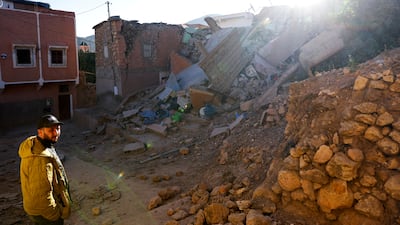
A man stands next to damaged buildings and debris, in the aftermath of a deadly earthquake in Moulay Brahim, Morocco. Reuters -
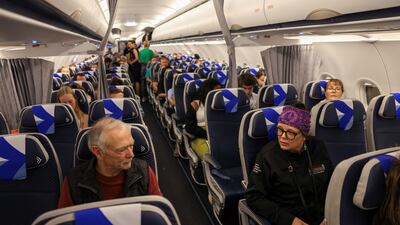
Foreign visitors to Morocco are evacuated from Marrakesh on a special Aegean Airlines flight following a powerful earthquake. Reuters -
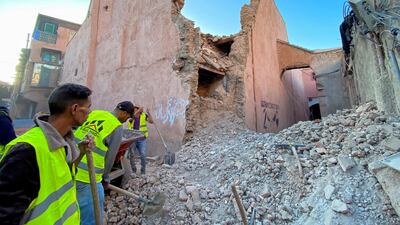
People work to clear debris in the historic city of Marrakesh after a 6.8-magnitude earthquake in Morocco. Reuters -
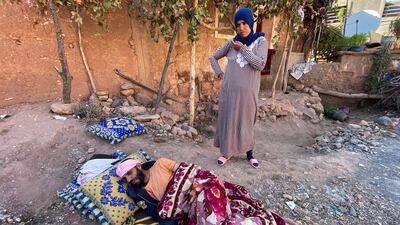
An injured man lies on the ground as he and his wife prepare to spend a second night in the open air in the village of Tansghart, Morocco. Reuters -
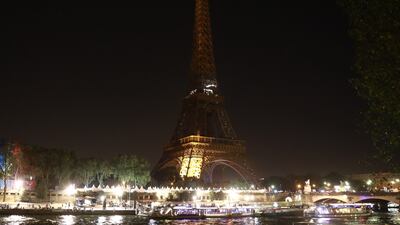
The Eiffel Tower's lights are turned off in Paris as a tribute to the victims of the Morocco earthquake. Getty Images -

A damaged room in the village of Tansghart after a powerful earthquake in Morocco. Reuters -
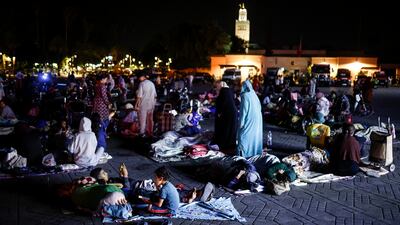
Hundreds of people sleep outside on Jeema El Fna square in Marrakesh after a deadly earthquake hit Morocco. EPA -
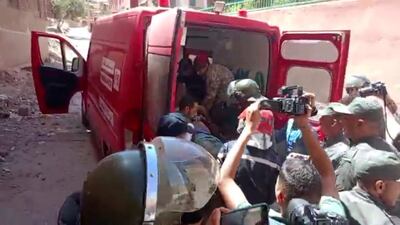
A person is rescued from under rubble and taken into an ambulance in Moulay Brahim village after an earthquake in Morocco that killed more than 2,000 people. Reuters -

A Moroccan man stands near his home in Al Haouz province, which was damaged during the quake. Reuters -

People sleep inside the Marrakesh airport waiting for a flight after the earthquake. EPA -

People sit in a tent on Mohammed VI Avenue in Marrakesh. EPA -
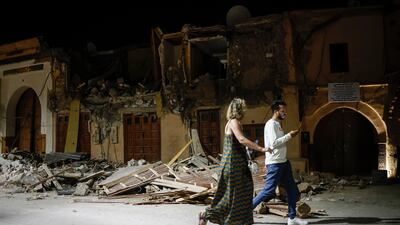
Many homes in Marrakesh were badly damaged during the magnitude 6.8 earthquake. EPA -
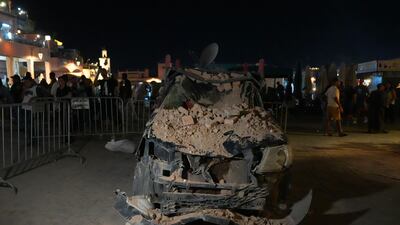
A car lies damaged under fallen rubble from a nearby building in Marrakesh. Getty Images -
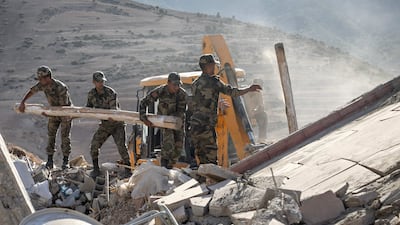
Moroccan Royal Armed Forces search through the rubble of houses after an earthquake in the mountain village of Tafeghaghte, south-west of the city of Marrakesh. AFP -
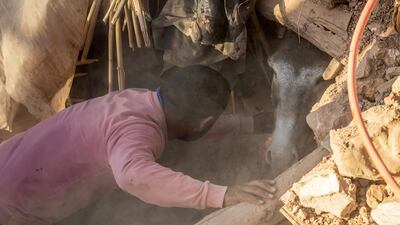
A man rescues a donkey trapped under rubble after an earthquake in the mountain village of Tafeghaghte, south-west of the city of Marrakesh. AFP -
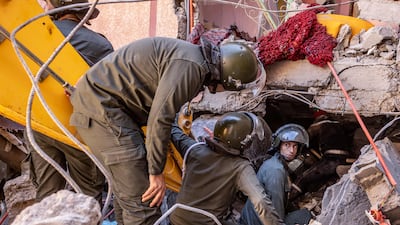
Rescue workers search for survivors in a collapsed house in Moulay Brahim, Al Haouz province, after an earthquake on Friday. AFP -
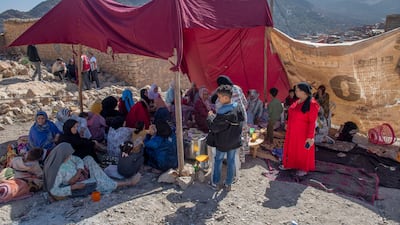
The earthquake that hit central Morocco killed more than 2,000 people and injured more than 2,000 others, according to a provisional report from the country's Interior Ministry. EPA -
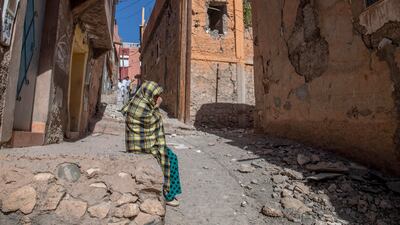
The earthquake, measuring magnitude 6.8 according to the USGS, damaged buildings from villages and towns in the Atlas Mountains to Marrakesh. EPA -
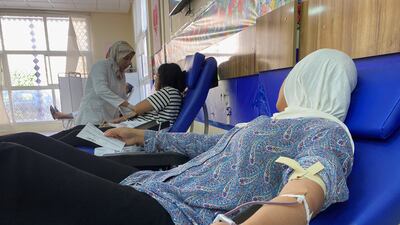
People donate blood following a powerful earthquake in the historic city of Marrakesh. Reuters -
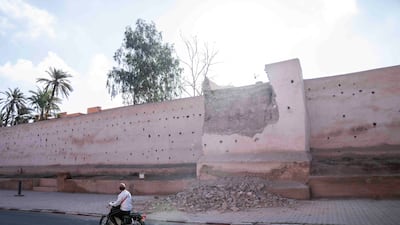
A man drives past a damaged wall of the historic Medina of Marrakesh. AP Photo -
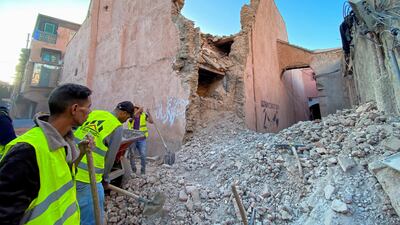
People work next to damage in Marrakesh. Reuters -
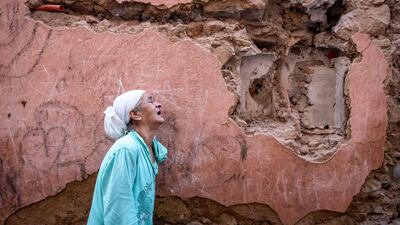
A woman reacts standing in front of her house damaged by an earthquake in the old city in Marrakesh. AFP -
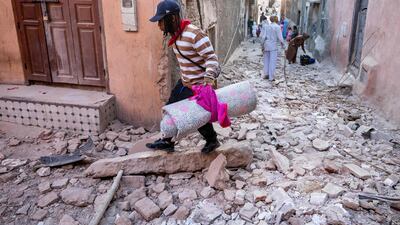
A man walks with his belongings through the rubble in an alleyway in the earthquake-damaged old city in Marrakesh. AFP -
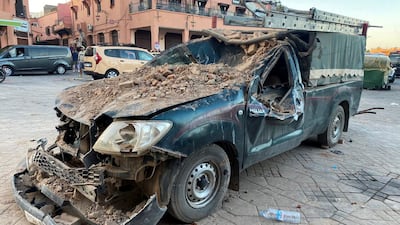
A damaged vehicle is pictured in the historic city of Marrakesh, following a powerful earthquake in Morocco on Friday. Reuters -
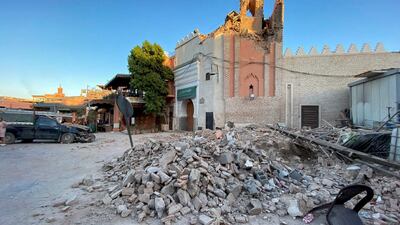
A view shows damage at an old mosque in the historic city of Marrakesh. Reuters -
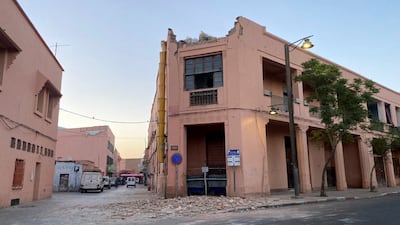
A view shows damage in Marrakesh. Reuters -
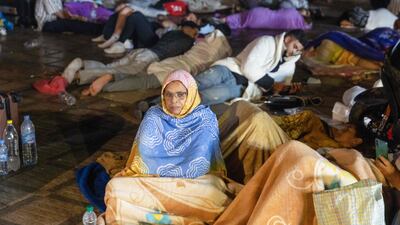
Residents take shelter outside at a square following an earthquake in Marrakesh on Friday. AFP -
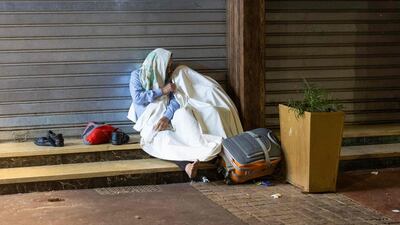
More than 2,000 people were killed after a powerful earthquake rattled Morocco on Friday night, with Marrakesh residents reporting "unbearable" screams after the 6.8-magnitude quake. AFP -
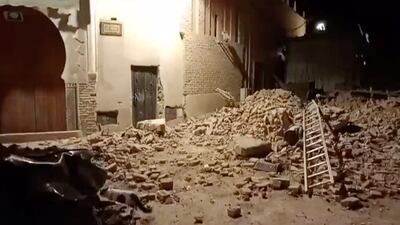
Debris in the aftermath of an earthquake in Marrakesh. Reuters -
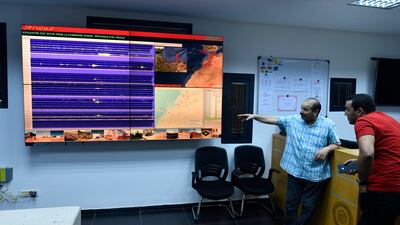
Employees of Morocco's National Institute of Geophysics in Rabat monitor earthquake developments on a screen. EPA -
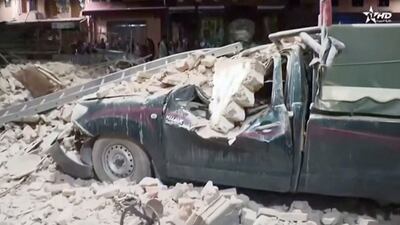
Debris and wreckage in the streets of Marrakesh. Reuters -
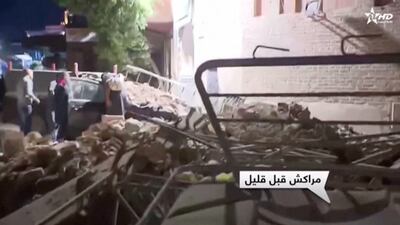
Earthquake damage in Morocco. Reuters -
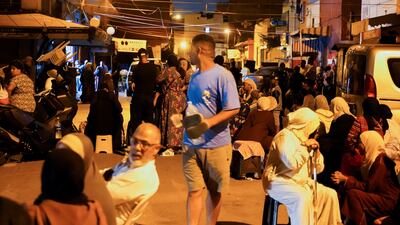
In Casablanca, residents gather after Friday's earthquake. Reuters -
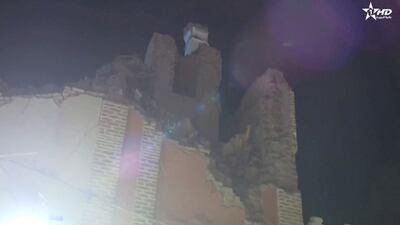
Damage to a building in Marrakesh in the aftermath of the earthquake. Reuters


Other parts of the world have shown that buildings can be constructed to resist the impacts of earthquakes, such as Japan, California and New Zealand.
New Zealand, for example, experienced significant earthquakes affecting urban areas in 2010 and 2011, and while there were scores of fatalities in Christchurch in a February 2011 quake, with some building collapses, such instances were "nowhere near on the scale of Turkey" earlier this year, Mr Douglas said.
It is likely that there are many buildings in the Mena region that would be extremely vulnerable in the event of further seismic activity, but things can be done to reduce the dangers.
These include retrofitting buildings to make them more resistant, said Diana Contreras Mojica, a lecturer in geospatial sciences at Cardiff University in the UK.
They may not be able to resist damage altogether, but they should remain standing.
"The idea is that they manage to withstand while the earthquake [is happening] and allow the people to evacuate," she said.
Columns and other external structures can be added to buildings, giving greater strength that can prevent collapse.
Nepal offers a good example of successful retrofitting, Ms Contreras Mojica said. More than 100 schools, most in the Kathmandu Valley, were strengthened, in part thanks to aid money, and when a 7.8-magnitude earthquake struck in 2015, all remained standing.
Behavioural as well as physical changes can also reduce death rates, she said.
"It’s raising awareness among the population and preparing the population to respond. So people know how to react in the case of an earthquake, where to go … preparedness in first aid."
-
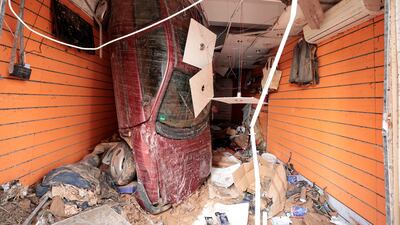
An upturned car inside a shop where it was carried by a torrent of floodwater in Derna, Libya. Reuters -
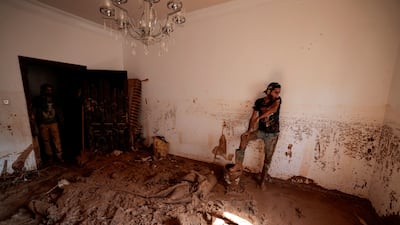
A flood survivor takes a breather from removing mud from his home in the aftermath of deadly floods in Derna. Reuters -
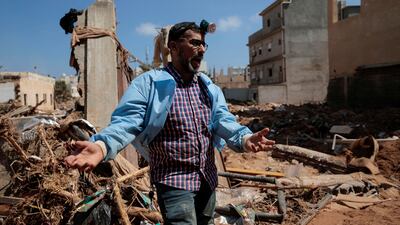
Mohammed Fathallah Al Hassi lost his mother and sister in Derna when dams collapsed, flooding the city, after heavy rainfall and a powerful storm hit eastern Libya. Reuters -
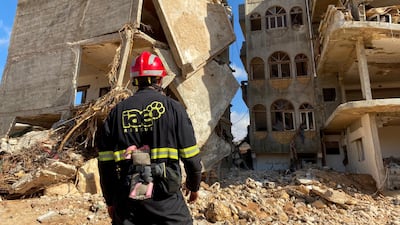
A Spanish rescue worker in Derna where authorities have been struggling to cope with thousands of flood victims' bodies washing up or decaying under rubble. Reuters -
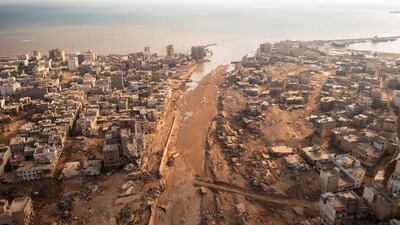
The destruction in the aftermath of the floods in Derna, Libya, as seen from the air. Reuters -

A view of Derna in the aftermath of the floods. Reuters -
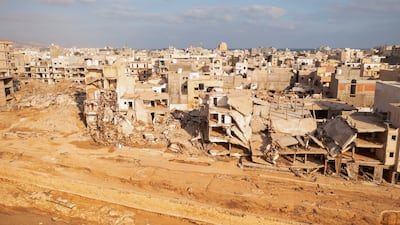
The aftermath of the floods in Derna. Libyan authorities said access to some areas had become impossible. Reuters -
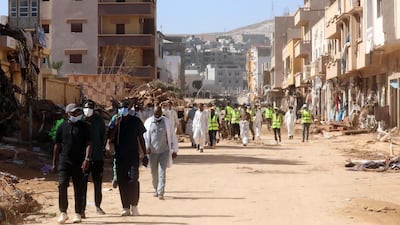
Volunteers amid the ruins and damaged homes after the Mediterranean Storm Daniel hit Libya's eastern city of Derna. AFP -
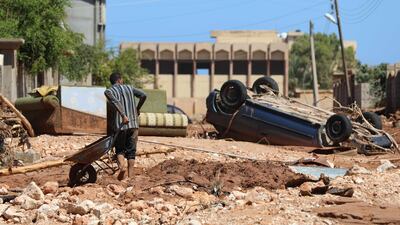
A rubble-strewn street in Libya's eastern city of Soussa. AFP -

People view areas damaged in the flooding in Derna, Libya. Reuters -
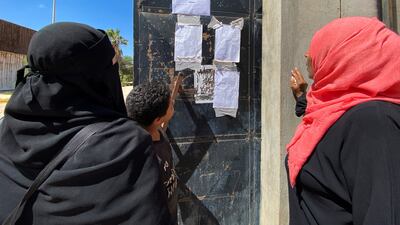
Locals view a list of the missing following the floods in Derna. Reuters -
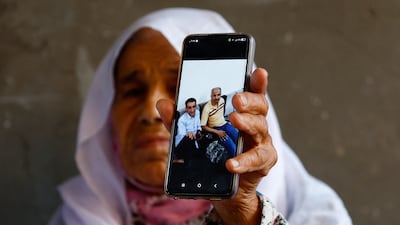
A Palestinian woman in the Gaza Strip displays a picture of her relatives, who had been living in Libya, that were among the victims of the flooding. Reuters -
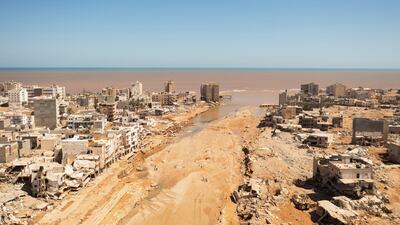
Libya's port city of Derna, days after floods swept away entire communities after two dams collapsed amid heavy rain. Reuters -
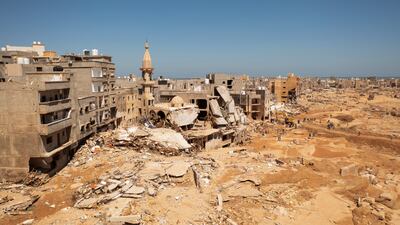
The dams collapsed causing a huge flash flood that killed thousands of people. Reuters -
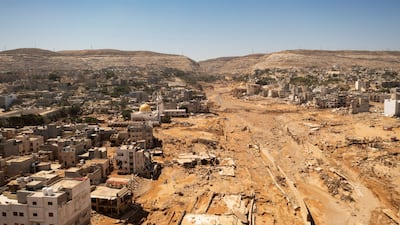
Thousands were still missing while more than 30,000 were displaced. Reuters -
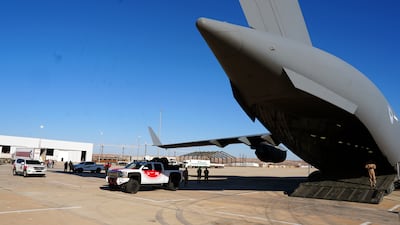
Five Emirati planes arrived in Benghazi carrying three rescue teams, urgent relief and medical aid, as part of UAE efforts to provide relief to the Libyan people. Wam -
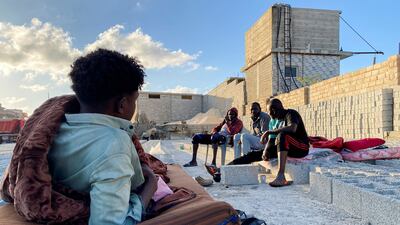
Sudanese workers who lost family members and friends during the disaster sit outside a tile factory in Derna. Reuters -
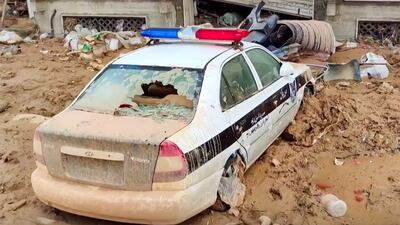
A police vehicle washed away by floods lies on a street in Derna. AFP -

A militiaman directs vehicles on along a muddy road after deadly floods caused by Storm Daniel hit Derna, forcing two dams to collapse. AFP -
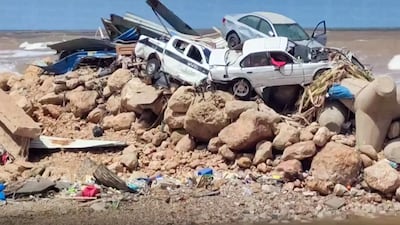
Vehicles washed away by the floods are piled up on the outskirts of Derna. AFP -
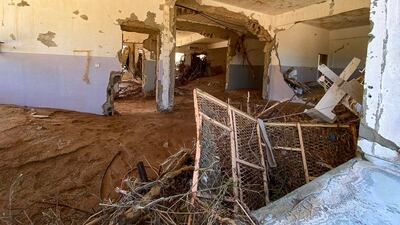
A school damaged by the floods in Derna. Reuters -
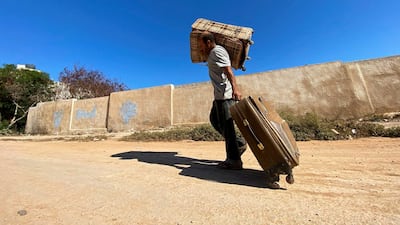
A man carries his belongings, in the aftermath of floods in Derna. Reuters -
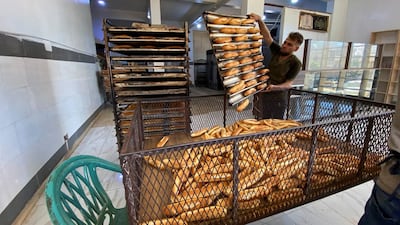
A worker puts bread in a box at a bakery, in the aftermath of the floods in Derna. Reuters -
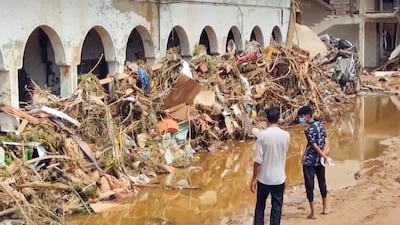
The trail of destruction left by the floods that hit Derna. AFP


As well as earthquakes, the Mena region was hit by severe floods in 2023, notably in the Libyan port city of Derna, where thousands died in September after two dams burst following severe rains from Storm Daniel.
As with the earthquakes, the devastation was arguably as much caused by human failures as by nature’s malign power.
Cracks had reportedly been identified in the dams a quarter of a century ago and the structures were said to have not been maintained for two decades.
Climate change is another potential factor, with scientists calculating that the extreme rains like those that hit Libya are now 50 times more likely to happen than they once were.
Yemen and Oman were among the other parts of the Mena region to experience severe flooding this year, such as during Cyclone Tej in October.
As climate change increases the frequency of extreme weather, the risks will grow, highlighting the need for better preparedness to protect communities.

