

Rival Palestinian factions signed an agreement in Algiers on Thursday to try to resolve 15 years of discord by holding elections within a year.
The leaders of 14 factions, including the two main rivals, Fatah and Hamas, held two days of talks in the run-up to an Arab summit in Algiers in November, following months of mediation by Algeria.
The deal aims to end a rift between President Mahmoud Abbas's Fatah movement and the Islamist group Hamas that has split Palestinian governance in the Gaza Strip from the West Bank and hindered Palestinian ambitions of statehood.
The delegations did not agree to form a unity government.
The deal was signed by a leading figure from the Fatah party and by the chief of Hamas, which rules Gaza.
But Mr Abbas himself, president of the Palestinian Authority since 2005, was not present, AFP reported.
In pictures — remembering Yasser Arafat, the symbol of Palestine
-
-

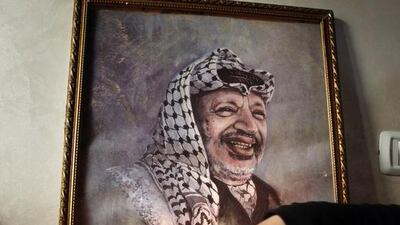
In death as in life, Yasser Arafat has loomed large over the Palestinian people and their protracted search for a homeland. Abbas Momani/AFP Photo -

A Palestinian supporter of Yasser Arafat, sits at his shop next to a portrait of the late Palestinian leader on November 3, 2014, in Ramallah. Abbas Momani/AFP Photo -
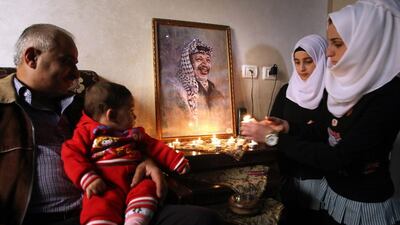
When he died in 2004, Yasser Arafat was the president of a moribund Palestinian Authority, an interim body set up in 1994 which was to have handed power to a permanent government by 1999. Hazem Bader/AFP Photo -
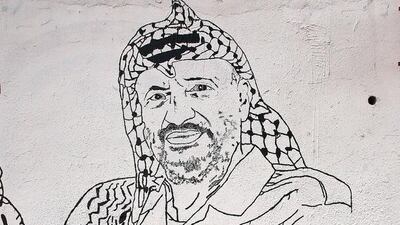
‘It was Arafat who was the first to take the painful decision to recognise the 1967 lines and abandon 78 per cent of historic Palestine and open the way to coexistence,’ said Xavier Abu Eid, spokesman for the Palestine Liberation Organisation. Abbas Momani/AFP Photo -

Yasser Arafat embodied the Palestinian struggle and fought against Israel before becoming a partner in the largely fruitless peace process. Mohammed Abed/AFP Photo -

Palestinians are unanimous in their belief he would not have allowed the violence between Fatah and Hamas in 2007, which saw the Islamist movement ousting their rivals from Gaza and the establishment of two separate administrations. Hazem Bader/AFP Photo -
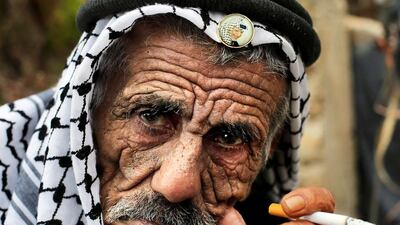
A Palestinian in Ramallah wearing a keffiyeh, similar to the one worn by Yasser Arafat, has a pin with the portrait of late Palestinian leader. Abbas Momani/AFP Photo


The division between Palestinian factions, triggered after Hamas won a legislative election in 2006, has prevented any further elections since then.
The Islamist group, which opposes peace with Israel, seized control of the Gaza Strip in 2007 while Mr Abbas's western-backed Palestinian Authority stayed dominant in the West Bank.
Under Thursday's "Algiers Declaration", elections will take place for the presidency and for the Palestinian Legislative Council, which acts as a parliament for Palestinians in the occupied territories.
It also stipulates elections for the Palestinian National Council, a parliament for Palestinians including the millions-strong diaspora. Algeria agreed to host the council.
Deal is no ‘dead letter’
After the signing ceremony, senior Fatah official Azzam Al Ahmad promised that the agreement "will be implemented and will not remain a dead letter", describing the years of division as a "cancer".
Hamas leader Ismail Haniyeh said the agreement marked "a happy day for the Palestinians and a day of sorrow to the [Israeli] occupation".
The deal also recognised the Palestine Liberation Organisation, of which Mr Abbas is the head, as the sole representative of the Palestinian people, and called for elections to its national council within a year.
Algerian President Abdelmadjid Tebboune described the agreement as historic.
Mr Tebboune, who mediated Thursday's deal, mentioned in a speech at the signing ceremony in the Algerian capital's Palace of Nations that late Palestinian leader Yasser Arafat had used the same building to announce the independence of the State of Palestine in 1988.
The deal was signed in the presence of foreign ambassadors and a military band that played the Palestinian and Algerian national anthems.
Fatah and Hamas have signed several similar deals in the past, but none have led to elections.

