Moroccan bee farms amid drought - in pictures
-

A beekeeper works at Inzerki Apiary in the village of Inzerki, Morocco. All photos by AFP -

The beekeeping centre is situated on a hillside in the heart of the Arganeraie Biosphere Reserve, a Unesco-protected 2.5-million-hectare region. -

Morocco's village of Inzerki proudly claims to have the world's oldest and largest collective beehive, but instead of buzzing with springtime activity, the colonies have collapsed amid crippling drought. -

The North African kingdom has experienced a surge in the number of deaths of the critical pollinators, a phenomenon called "colony collapse disorder". -

Inzerki Apiary comprises a five-storey structure of wooden struts and dry mud, stretching along a hillside. -
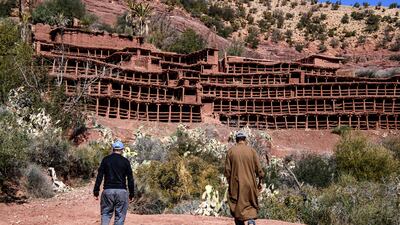
Each compartment is home to a cylindrical wicker hive, covered with a mix of earth and cow dung. -

Bee expert Antonin Adam says the bees are under threat amid a changing climate, but the problem may have been exacerbated by their "vulnerability to diseases, nomadic pastoral practices, intensive agriculture and the country's desire to increase its honey production". -
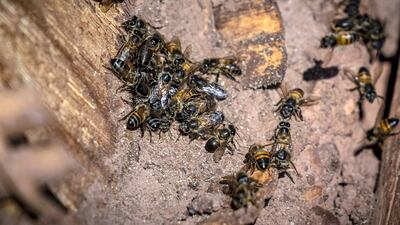
The UAM beekeepers union estimates that, since last August, about 100,000 colonies have been lost in the central region of Beni Mellal-Khenifra alone.


Most popular today

