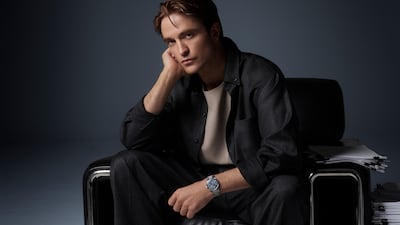

James Bond may be fictional, but he has always understood the importance of dressing well. The watch on his wrist, the cut of his suit and the car waiting outside are as integral to his identity as his licence to kill.
With Robert Pattinson confirmed as the next 007, the luxury industry is preparing for a game of musical chairs, and the stakes are considerable.
More than 60 years since Sean Connery introduced Bond to cinema audiences in Dr No, the British spy remains one of popular culture’s most valuable marketing platforms. His relationships with watchmakers, fashion houses, car manufacturers and drinks companies are so deeply embedded in the franchise that appearing in a Bond film means more than visibility. It offers brands a share of the character’s enduring mystique.
Pattinson’s appointment marks a new chapter following Daniel Craig’s final appearance in 2021’s No Time to Die, and an opportunity for luxury brands to reconsider their allegiances. The next instalment, directed by Denis Villeneuve for Amazon MGM Studios, is expected in 2028, leaving plenty of time to negotiate a place in one of the decade’s most anticipated films.
First on the agenda is Bond’s wrist. Pattinson’s casting announcement was notable for what it omitted: a watch. A small detail, perhaps, but one likely to have set phones ringing across Hollywood’s product-placement industry.
For more than three decades, Omega has enjoyed one of watchmaking’s most recognisable cinematic partnerships, becoming Bond’s official timepiece when Pierce Brosnan wore a Seamaster in 1995’s GoldenEye. Previously, the character was associated with Rolex, both on screen and in Ian Fleming’s novels. Omega has since made 007 central to its identity, producing special editions and extensive promotional campaigns.
Pattinson, however, presents a complication. In September, he became a global ambassador for rival Swiss watchmaker Jaeger-LeCoultre, owned by Richemont. The question of what Bond wears on his wrist could therefore become one of the production’s most intriguing commercial negotiations.
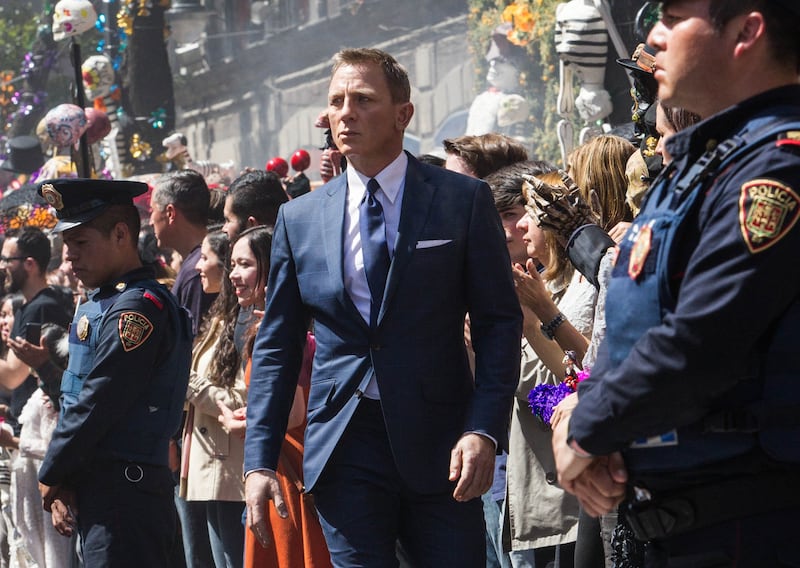
An actor’s personal endorsement agreements and a character’s on-screen partnerships are separate arrangements, however. The ultimate decision is expected to rest with Villeneuve and the producers. Omega has declined to comment, while Jaeger-LeCoultre has not publicly addressed the prospect of a Bond partnership.
The fashion question is equally compelling. Since 2008’s Quantum of Solace, Tom Ford has defined Bond’s wardrobe, dressing Craig across four films: Quantum of Solace, Skyfall, Spectre and No Time to Die. His razor-sharp tailoring gave Craig’s Bond a contemporary, athletic silhouette without sacrificing the character’s traditional elegance.
Before Ford, Brosnan wore Brioni, while Anthony Sinclair established the original cinematic Bond wardrobe with his suits for Connery in Dr No. Each designer helped shape a distinct interpretation of 007.
Pattinson, meanwhile, has been closely associated with Dior since 2013, appearing in its fashion and fragrance campaigns for more than a decade.
Could the French house now take the sartorial reins?
Dior was quick to congratulate Pattinson on his casting, and the arrival of Jonathan Anderson as creative director adds another intriguing possibility. Anderson’s combination of traditional tailoring, experimental proportions and unexpected details could take Bond in a markedly different direction from Ford’s disciplined uniformity.
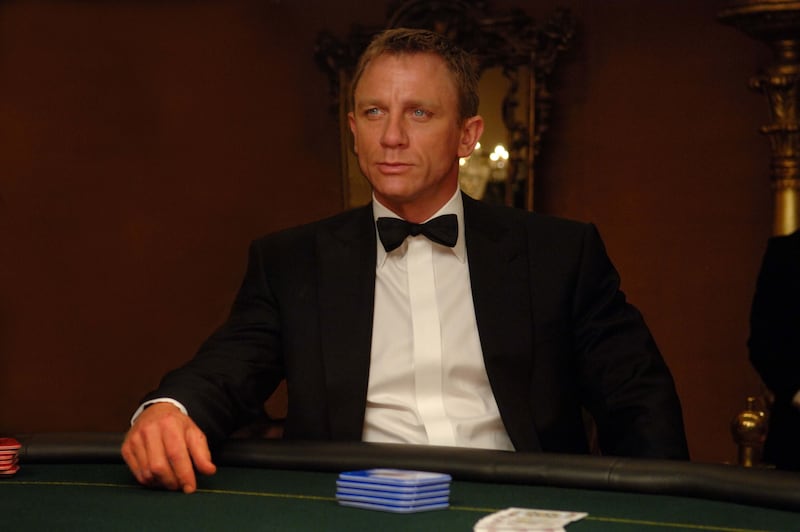
The essentials would surely remain: an immaculate dinner suit, precisely cut jackets and understated knitwear. But Anderson could introduce a more individual, contemporary sensibility to a wardrobe that has long served as a template for masculine elegance.
Dior has said it was “very pleased to continue” its relationship with Pattinson, although it declined to comment on any potential Bond partnership. Tom Ford has not publicly addressed the question.
Yet securing a place in the next Bond film may not simply be a matter of writing the biggest cheque. Pattinson and Villeneuve have reputations for considered, artistic choices, suggesting that conspicuous product placement may sit uneasily with their interpretation of the character.
Audiences, particularly younger viewers, are increasingly adept at recognising partnerships that feel forced. For a brand association to work, a product must belong in Bond’s world rather than appear as an advertisement within it.
The franchise is also navigating a broader cultural shift. Its traditional portrayal of masculine authority has faced growing scrutiny, and a new leading man offers an opportunity to rethink the modern spy without abandoning the qualities that made him iconic.

Aston Martin, whose cars have appeared in around a dozen Bond films, is another familiar partner whose future involvement will be closely watched. The British marque has declined to comment on whether it hopes to appear in the forthcoming production.
Ultimately, however, commercial considerations will be difficult to separate from creative decisions. Following Amazon MGM Studios’ acquisition of creative control, Bond is entering a new era not only on screen but behind the scenes.
In February 2025, Amazon formed a joint venture with long-time producers Barbara Broccoli and Michael G. Wilson, ending more than six decades of Broccoli family creative control. Reports valued the deal at about $1 billion, placing considerable pressure on the franchise to deliver commercial returns.
Jeff Bezos has already said he was “heavily involved” in Pattinson’s casting. As the founder of Amazon, a company valued at around $2.76 trillion, he understands the commercial power of a globally recognisable brand. Lucrative partnerships with luxury houses seem inevitable.
None has yet been confirmed, however. For now, Bond’s wrist remains bare, his wardrobe undecided and his next Aston Martin unclaimed. But in the luxury industry, a place alongside 007 rarely stays vacant for long.


FOLLOW TN MAGAZINE