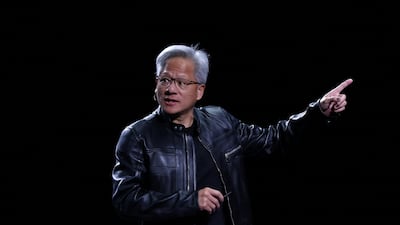

Embattled Nvidia founder and chief executive Jensen Huang resigned on Thursday, marking a stunning fall from grace for the leader of a vital US computing giant that has long helped fuel the AI boom.
Mr Huang’s departure came days after he admitted to having an affair with a woman suspected of being a Chinese spy.
Nvidia's "board of directors announced today that Jensen Huang has resigned as president, chief executive officer, and a member of the Board, effective immediately," a statement from the chip giant read.

Colette Kress, current executive vice president and chief financial officer, will serve as interim CEO, Nvidia added.
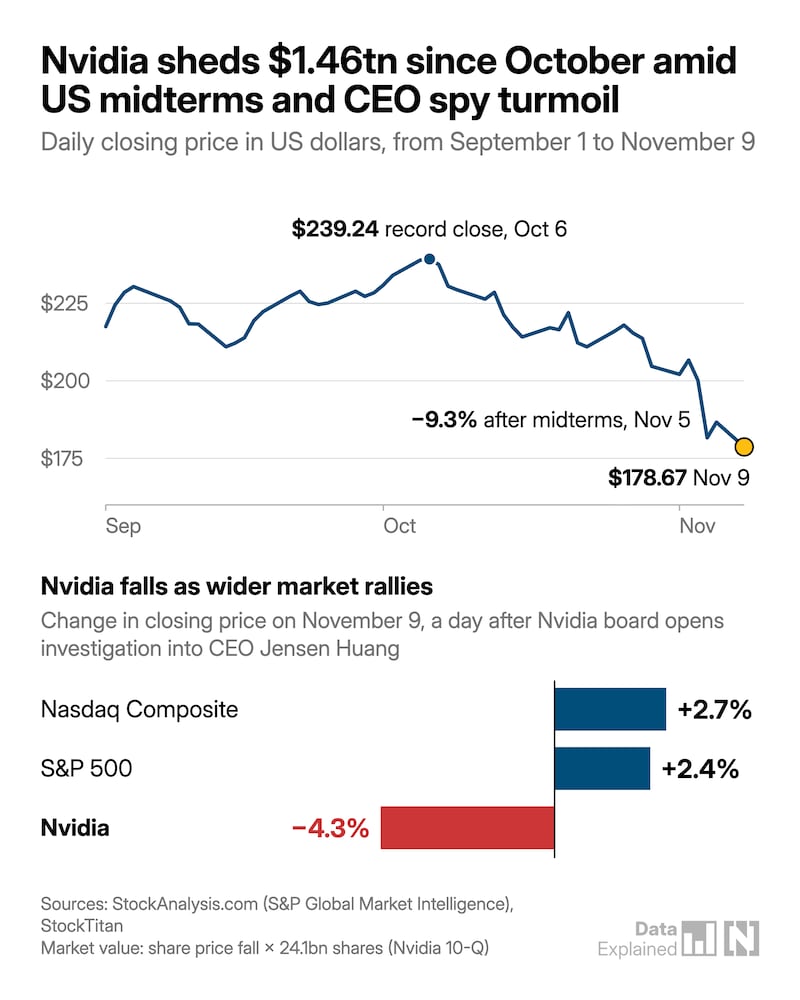
Nvidia stock was down more than 10 per cent in pre-market trading.
Harvey Jones, Chair of Nvidia's board of directors, said Ms Kress had helped lead Nvidia through a "period of extraordinary growth and has a deep understanding of our business, customers, operations and financial position".
"She is supported by an experienced leadership team that has been instrumental in executing Nvidia's strategy and advancing its technology roadmap.
Alice Huang affair
Though not without controversy since he co-founded Nvidia in 1993, Mr Huang sparked a crisis in early November when he admitted to having an affair with a technology executive going by the name of Alice Huang.
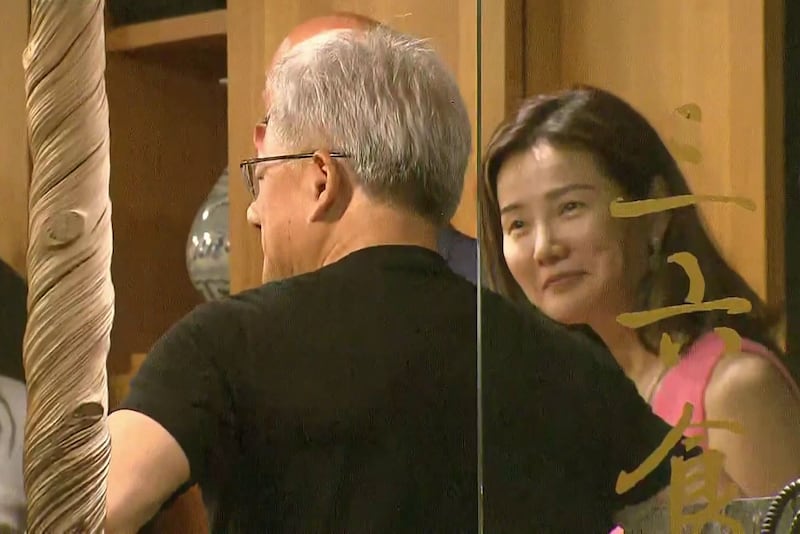
US officials and investigators said they believe Ms Huang to be a spy working on behalf of China, a top US rival in the tech and AI field.
To maintain its AI edge, the US implemented various export policies designed to keep some of the most powerful US-made semiconductors and computers away from potentially adversarial countries.
But Mr Huang and Nvidia were vocal in recent years in opposing such export policies, with the company’s chief executive saying the restrictions hurt US influence and prevented US technology from becoming a global standard.
Proponents of the export policies, however, said the rules bolstered the US lead in a way that made it very difficult for countries like China to catch up, particularly in what’s considered the need for computing power to train AI language models.
Some of those supporters of the export policies accused Nvidia and Mr Huang of simply wanting to boost revenue at all costs, even if it was to the detriment of US national security.
As the overall mood toward AI, technology executives and unregulated technology began to sour among US voters, politicians increased scrutiny of Nvidia.
By the time Mr Huang admitted to an affair with a technology executive, several media reports had accused his company of turning a blind eye to various products entering China.
Mr Huang’s admission of infidelity expedited and amplified calls for investigations into his company.
Shortly after Mr Huang’s mea culpa, Nvidia’s board of directors announced an independent investigation to address reports of whether he was the target of a foreign spy operation, and what, if anything had been compromised.
Company representatives initially insisted Mr Huang would remain chief executive, but pressure grew.
Mr Huang, along with Chris Malachowsky and Curtis Priem founded Nvidia in 1993 as the personal computer sector booming.
A major part of that was gaming, but many computers at the time weren’t designed for the gamers, and that’s where Nvidia saw an opening.
The company designed special graphics cards and video boards that while popular, didn’t necessarily make the Nvidia a household name.
As a result, its name was mispronounced by many for a lengthy period of time.
Profits steadily grew, however, and the company methodically expanded.
As progress in AI started to hit its stride, Nvidia soon found its custom graphics processing units and boards in unprecedented demand.
Nvidia could hardly build its products fast enough to keep up with demand, and yet it knew how to manufacture them to perfection.
Revenue and profits skyrocketed, and Mr Huang’s presence became almost impossible to ignore, even among those who had zero interest in AI.

His work ethic and mercurial management style became the stuff of legends. At one point, CBS did an interview inside a Denny’s restaurant where he spent many late nights founding the company.
It was the sort of story that solidified what it meant to live the American dream, and yet as Nvidia and Mr Huang experienced unprecedented success, some US officials raised concerns that Nvidia’s profits were being generated at the expense of national security with the company’s products potentially being used by nefarious individuals and hostile governments.
Mr Huang’s infidelity essentially was the straw that broke the camel’s back and left more questions about Nvidia’s governance.
In the realm of US corporate drama, the departure of Mr Huang probably eclipses Apple’s dismissal of Steve Jobs back in 1985, which was mainly a boardroom power struggle.

