


A study has discovered there is less plastic littering the ocean than scientists previously thought, but what is there could persist for a long time.
The study estimated that more than 95 per cent of plastic floating on the ocean are pieces bigger than 2.5cm.
Most plastic particles in the ocean are very small and the total mass of these microplastics, which are defined as less than 0.5cm, is relatively low.
The greater number of larger floating pieces suggests that the total amount of plastic in the ocean is "much lower" than was thought, according to the study published in the journal Nature Geoscience.
Plastic pollution in the ocean has been estimated at more than 25 million tonnes, with a quarter of a million tonnes floating on the surface.
But the study said that the amount of plastic on the ocean surface is much higher, at about three million tonnes.
That the plastic is floating around in large pieces could help with clean-up efforts.
"Large, floating pieces on the surface are easier to clean up than microplastics," the study's co-author Erik van Sebille, of Utrecht University in the Netherlands, said in a statement.
Top 10 most-polluted countries - in pictures
-
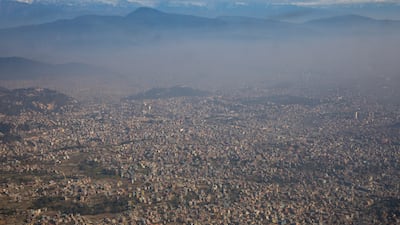
1 Nepal. Annual mean concentrations should not exceed 10 micrograms per cubic metre and Nepal had 99.73 micrograms. EPA -
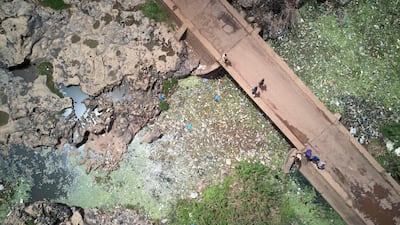
2 Niger — 94.05 micrograms per cubic metre. AFP -
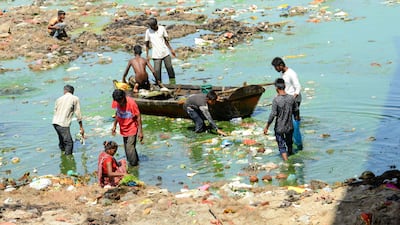
3 India — 90.87 micrograms per cubic metre. AFP -

4 Saudi Arabia — 87.95 micrograms per cubic metre. Reuters -
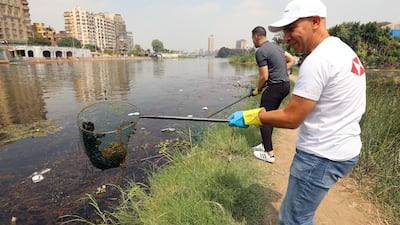
5 Egypt — 87.00 micrograms per cubic metre. EPA -
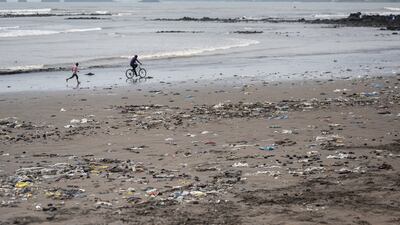
6 Cameroon — 72.79 micrograms per cubic metre. AFP -
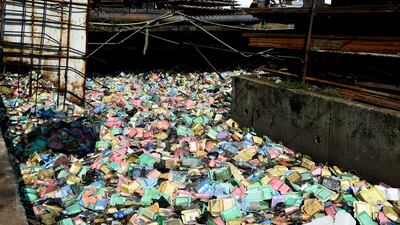
7 Nigeria — 71.80 micrograms per cubic metre. AFP -
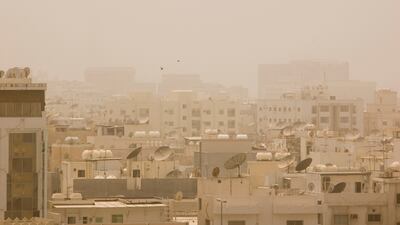
8 Bahrain — 70.82 micrograms per cubic metre. Getty -

9 Chad — 66.03 micrograms per cubic metre. Bloomberg -
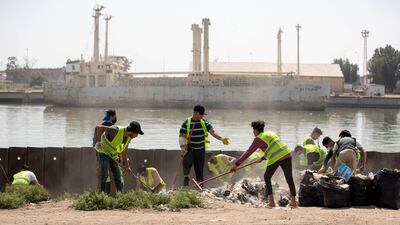
10 Iraq — 61.64 micrograms per cubic metre. AFP


The results are based on a 3D model of the ocean using a huge amount of observational data and measurements taken from surface water, beaches and the deep ocean from 1980 to 2020.
The model also found that less new plastic finds its way to the ocean every year than previously thought – about half a million tonnes instead of between four and 12 million tonnes – coming largely from coastlines and fishing activity.
But the combination of more surface plastic and less new plastic suggests that the litter will probably remain in the ocean for much longer than previously believed.
"It means that it will take longer until the effects of measures to combat plastic waste will be visible," said the study's lead, Mikael Kaandorp.
"If we don't take action now, the effects will be felt for much longer."
And the amount of plastic pollution in the world's oceans is still growing.
Without further mitigation and cleaning up, the lingering litter could double within two decades, according to the study's authors.
Concern over the effects of plastics on the environment and human well-being has surged in recent years.
Plastic debris is estimated to kill more than a million seabirds and 100,000 marine mammals a year, according to the UN Environment Programme.
The study comes as the world awaits the first draft of a highly anticipated international UN treaty to combat plastic pollution, which is expected in November.

