The Covid-19 pandemic has prompted global companies to shift to local and more flexible operations, according to a new report released on Tuesday.
The report, compiled by the Global Manufacturing and Industrialisation Summit and consultancy firm PwC, found that many more companies are moving from operating globally to a hybrid model of ‘glocal’ operations.
However, the opportunities and related risks of glocalisation – a practice of running a global business that is agile enough to adapt to local needs as well – vary in different countries, the report said.
“The Covid-19 crisis hit when global supply chains were already under pressure from new tariffs and restrictions resulting from trade disputes,” Anil Khurana, a principal at PwC in the US, said.
“Glocalisation balancing act may mean different for different countries … but at its core, it relies upon agile and multi-location global operations, use of technology and digitalisation to ensure data-driven insights and decisions, greater transparency and resiliency, and improved efficiencies even at less-than-global scale.”
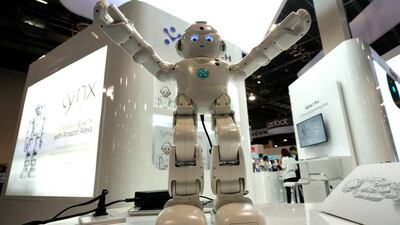
The report, which focused on the Middle East, Germany, India, the US, the UK and China, said that businesses must enhance their local footprint, increase the use of robotics in manufacturing and logistics, and change the cost model for production and sourcing to minimise the disruption caused by the pandemic.
The study was developed following online panel sessions at the GMIS’ digital series. These sessions, which took place over the past few months, discussed the increasing shift to glocalisation on a national scale due to the pandemic and its impact on operations and supply chains.
“Digitalisation is critical to rolling out and implementing successful glocalisation strategies,” Badr Al-Olama, head of the organising committee for the GMIS, said.
“If manufacturers fail to recognise the power of digitalisation, they will likely see their competitive edge erode. Across the Middle East, countries are prioritising the potential of the digital revolution, constantly seeking ways to support organisations,” said Mr Al-Olama.
Despite challenges posed by the pandemic, PwC believes that the Middle East is well-prepared for a successful glocalisation journey.
“In recent years Middle Eastern countries led by the UAE, Saudi Arabia and Qatar have made massive investments in ICT in order to reduce their dependence on oil revenues,” Bashar El-Jawhari, partner at PwC Middle East, said.
“As a result, manufacturers in the Middle East now have access to ... technology to modernise and localise supply chains and production.”

Final results:
Open men
Australia 94 (4) beat New Zealand 48 (0)
Plate men
England 85 (3) beat India 81 (1)
Open women
Australia 121 (4) beat South Africa 52 (0)
Under 22 men
Australia 68 (2) beat New Zealand 66 (2)
Under 22 women
Australia 92 (3) beat New Zealand 54 (1)
Labour dispute
The insured employee may still file an ILOE claim even if a labour dispute is ongoing post termination, but the insurer may suspend or reject payment, until the courts resolve the dispute, especially if the reason for termination is contested. The outcome of the labour court proceedings can directly affect eligibility.
- Abdullah Ishnaneh, Partner, BSA Law
RESULTS
%3Cp%3E%3Cstrong%3E5pm%3C%2Fstrong%3E%20Al%20Shamkha%20%E2%80%93%20Maiden%20(PA)%20Dh80%2C000%20(Turf)%201%2C400m%3Cbr%3E%3Cstrong%3EWinner%3C%2Fstrong%3E%20Ruwani%2C%20Moatasem%20Al%20Balushi%20(jockey)%2C%20Abdallah%20Al%20Hammadi%20(trainer)%3Cbr%3E%3Cstrong%3E5.30pm%3C%2Fstrong%3E%3A%20Khalifa%20City%20%E2%80%93%20Handicap%20(PA)%20Dh80%2C000%20(T)%201%2C400m%3Cbr%3E%3Cstrong%3EWinner%20%3C%2Fstrong%3EAF%20Heraqle%2C%20Bernardo%20Pinheiro%2C%20Qaiss%20Aboud%3Cbr%3E%3Cstrong%3E6pm%3C%2Fstrong%3E%20Masdar%20City%20%E2%80%93%20Handicap%20(PA)%20Dh80%2C000%20(T)%201%2C600m%3Cbr%3E%3Cstrong%3EWinner%3C%2Fstrong%3E%20AF%20Yatwy%2C%20Patrick%20Cosgrave%2C%20Nisren%20Mahgoub%3Cbr%3E%3Cstrong%3E6.30pm%3C%2Fstrong%3E%20Wathba%20Stallions%20Cup%20%E2%80%93%20Handicap%20(PA)%20Dh70%2C000%20(T)%202%2C200m%3Cbr%3E%3Cstrong%3EWinner%3C%2Fstrong%3E%20AF%20Alzahi%2C%20Tadhg%20O%E2%80%99Shea%2C%20Ernst%20Oertel%3Cbr%3E%3Cstrong%3E7pm%3C%2Fstrong%3E%20Emirates%20Championship%20%E2%80%93%20Group%201%20(PA)%20Dh1%2C000%2C000%20(T)%202%2C200m%3Cbr%3E%3Cstrong%3EWinner%3C%2Fstrong%3E%20Ajrad%20Athbah%2C%20Bernardo%20Pinheiro%2C%20Majed%20Al%20Jahouri%3Cbr%3E%3Cstrong%3E7.30pm%3C%2Fstrong%3E%20Shakbout%20City%20%E2%80%93%20Handicap%20(TB)%20Dh80%2C000%20(T)%202%2C400m%3Cbr%3E%3Cstrong%3EWinner%3C%2Fstrong%3E%20Webinar%2C%20Tadhg%20O%E2%80%99Shea%2C%20Bhupat%20Seemar%3C%2Fp%3E%0A
The specs
Engine: 4.0-litre, six-cylinder
Transmission: six-speed manual
Power: 395bhp
Torque: 420Nm
Price: from Dh321,200
On sale: now
VEZEETA PROFILE
Date started: 2012
Founder: Amir Barsoum
Based: Dubai, UAE
Sector: HealthTech / MedTech
Size: 300 employees
Funding: $22.6 million (as of September 2018)
Investors: Technology Development Fund, Silicon Badia, Beco Capital, Vostok New Ventures, Endeavour Catalyst, Crescent Enterprises’ CE-Ventures, Saudi Technology Ventures and IFC
Indika
%3Cp%3E%3Cstrong%3EDeveloper%3A%3C%2Fstrong%3E%2011%20Bit%20Studios%3Cbr%3E%3Cstrong%3EPublisher%3A%3C%2Fstrong%3E%20Odd%20Meter%3Cbr%3E%3Cstrong%3EConsole%3A%3C%2Fstrong%3E%20PlayStation%205%2C%20PC%20and%20Xbox%20series%20X%2FS%3Cbr%3E%3Cstrong%3ERating%3A%3C%2Fstrong%3E%204%2F5%3C%2Fp%3E%0A
