• UAE salary guide 2022
    UAE salary guide 2022
  • UAE salary guide 2022
    UAE salary guide 2022
  • UAE salary guide 2022
    UAE salary guide 2022
  • UAE salary guide 2022
    UAE salary guide 2022
  • UAE salary guide 2022
    UAE salary guide 2022
  • UAE salary guide 2022
    UAE salary guide 2022
  • UAE salary guide 2022
    UAE salary guide 2022
  • UAE salary guide 2022
    UAE salary guide 2022
  • UAE salary guide 2022
    UAE salary guide 2022
  • UAE salary guide 2022
    UAE salary guide 2022
  • UAE salary guide 2022
    UAE salary guide 2022
  • UAE salary guide 2022
    UAE salary guide 2022
  • UAE Salary guide 2022
    UAE Salary guide 2022
  • UAE Salary guide 2022
    UAE Salary guide 2022
  • UAE Salary guide 2022
    UAE Salary guide 2022
  • UAE Salary guide 2022
    UAE Salary guide 2022
  • UAE salary guide 2022
    UAE salary guide 2022
  • UAE salary guide 2022
    UAE salary guide 2022
  • UAE salary guide 2022
    UAE salary guide 2022
  • UAE salary guide 2022
    UAE salary guide 2022
  • UAE salary guide 2022
    UAE salary guide 2022
  • UAE salary guide 2022
    UAE salary guide 2022
  • UAE salary guide 2022
    UAE salary guide 2022
  • UAE salary guide 2022
    UAE salary guide 2022
  • UAE salary guide 2022
    UAE salary guide 2022
  • UAE salary guide 2022
    UAE salary guide 2022
  • UAE salary guide 2022
    UAE salary guide 2022
  • UAE salary guide 2022
    UAE salary guide 2022
  • UAE salary guide 2022
    UAE salary guide 2022
  • UAE salary guide 2022
    UAE salary guide 2022
  • UAE salary guide 2022
    UAE salary guide 2022
  • UAE salary guide 2022
    UAE salary guide 2022
  • UAE salary guide 2022
    UAE salary guide 2022
  • UAE salary guide 2022
    UAE salary guide 2022
  • UAE salary guide 2022
    UAE salary guide 2022
  • UAE salary guide 2022
    UAE salary guide 2022
  • UAE salary guide 2022
    UAE salary guide 2022
  • UAE salary guide 2022
    UAE salary guide 2022
  • UAE salary guide 2022
    UAE salary guide 2022
  • UAE salary guide 2022
    UAE salary guide 2022
  • UAE salary guide 2022
    UAE salary guide 2022
  • UAE salary guide 2022
    UAE salary guide 2022
  • UAE salary guide 2022
    UAE salary guide 2022
  • UAE salary guide 2022
    UAE salary guide 2022
  • UAE salary guide 2022
    UAE salary guide 2022
  • UAE salary guide 2022
    UAE salary guide 2022
  • UAE salary guide 2022
    UAE salary guide 2022
  • UAE salary guide 2022
    UAE salary guide 2022
  • UAE salary guide 2022
    UAE salary guide 2022
  • UAE salary guide 2022
    UAE salary guide 2022
  • UAE salary guide 2022
    UAE salary guide 2022
  • UAE salary guide 2022
    UAE salary guide 2022
  • UAE salary guide 2022
    UAE salary guide 2022
  • UAE salary guide 2022
    UAE salary guide 2022
  • UAE Salary guide 2022
    UAE Salary guide 2022
  • UAE Salary guide 2022
    UAE Salary guide 2022
  • UAE Salary guide 2022
    UAE Salary guide 2022
  • UAE Salary guide 2022
    UAE Salary guide 2022
  • UAE Salary guide 2022
    UAE Salary guide 2022
  • UAE Salary guide 2022
    UAE Salary guide 2022
  • UAE Salary guide 2022
    UAE Salary guide 2022
  • UAE Salary guide 2022
    UAE Salary guide 2022
  • UAE Salary guide 2022
    UAE Salary guide 2022
  • UAE Salary guide 2022
    UAE Salary guide 2022
  • UAE Salary guide 2022
    UAE Salary guide 2022
  • UAE Salary guide 2022
    UAE Salary guide 2022
  • UAE Salary guide 2022
    UAE Salary guide 2022
  • UAE Salary guide 2022
    UAE Salary guide 2022
  • UAE Salary guide 2022
    UAE Salary guide 2022
  • UAE Salary guide 2022
    UAE Salary guide 2022
  • UAE Salary guide 2022
    UAE Salary guide 2022
  • UAE Salary guide 2022
    UAE Salary guide 2022
  • UAE Salary guide 2022
    UAE Salary guide 2022
  • UAE Salary guide 2022
    UAE Salary guide 2022
  • UAE Salary guide 2022
    UAE Salary guide 2022
  • UAE Salary guide 2022
    UAE Salary guide 2022
  • UAE Salary guide 2022
    UAE Salary guide 2022
  • UAE Salary guide 2022
    UAE Salary guide 2022
  • UAE Salary guide 2022
    UAE Salary guide 2022
  • UAE Salary guide 2022
    UAE Salary guide 2022
  • UAE Salary guide 2022
    UAE Salary guide 2022
  • UAE Salary guide 2022
    UAE Salary guide 2022
  • UAE Salary guide 2022
    UAE Salary guide 2022
  • UAE Salary guide 2022
    UAE Salary guide 2022
  • UAE Salary guide 2022
    UAE Salary guide 2022
  • UAE Salary guide 2022
    UAE Salary guide 2022
  • UAE Salary guide 2022
    UAE Salary guide 2022

Majority of employees consider quitting over lack of flexibility


Deepthi Nair
  • English
  • Arabic

RELATED: UAE salary guide 2022: how much should you be earning?

Seventy per cent of professionals in the UAE and Saudi Arabia have considered leaving or have left their jobs because of a lack of flexibility amid a widening disconnect between employers and employees about returning to the office after the Covid-19 pandemic, according to LinkedIn.

Dubbed “flexidus”, the finding comes despite 97 per cent of hiring managers in the UAE and Saudi Arabia saying their companies had improved working policies since the pandemic to offer greater flexibility to employees, according to the professional services network, which surveyed 504 hiring managers and 1,006 employees in the region between January 21 and 31.

“The impact of the pandemic on how we work has been transformative and research globally is pointing to an increased urgency for greater flexibility and empowerment in the workplace,” Ali Matar, head of LinkedIn Mena and EMEA venture markets, said.

“We have all seen presenteeism take a back seat in favour of quality talent and work, and we believe the new world of work carries that legacy forward, helping us create an inclusive welcoming work experience for all professionals.”

Globally, employees are leaving their jobs at much higher rates than normal. About 42 per cent of remote workers said if their company does not continue to offer options to work from home in the long term, they will look for a job that does, according to a March 2021 survey by financial services company Prudential.

This signals that a “war for talent” may be looming if companies do not address workers’ needs, the survey, which polled 2,000 adults working full-time, found.

There is still a growing disconnect between what companies are offering and what employees want, the findings showed. While about 74 per cent of professionals in the UAE and Saudi Arabia think the pandemic has exposed how employers need to change their approach to flexible working, 55 per cent of workers said their company had not introduced flexible working policies, LinkedIn found.

About 74 per cent of employees surveyed said flexible start and finish times is the most useful policy, while 74 per cent cited an increase in annual leave and 72 per cent opted for a four-day working week, determined by the employer, according to LinkedIn.

The lack of flexibility at work had a significant impact on women’s careers, the research showed. Among female employees who had to quit their jobs because of the lack of flexible working conditions, 20 per cent said their career progression has been held back, while 22 per cent said they will only consider roles that have robust flexible working policies, the LinkedIn report said.

About 56 per cent of professionals in the region also said they plan to take a career break in the near future, it said.

Furthermore, 18 per cent of women surveyed feel there is a stigma attached to flexible working and 24 per cent have hidden their flexible working from colleagues, clients or friends, according to LinkedIn.

About 37 per cent of women surveyed said the ability to work more flexibly would improve their mental health and 32 per cent said it would help them thrive at the workplace, the report added.

Meanwhile, 78 per cent of companies in the UAE and Saudi Arabia said they are now more open to hiring a professional returning from a career break, but 47 per cent said they would be wary of applicants who were not upfront about their break, the LinkedIn survey found.

We have been given an incredible opportunity to re-shape the world of work and it’s critical we remember to keep people at the heart of it to truly build ‘work that works’ for everyone,” said LinkedIn's Mr Matar.

_______________________

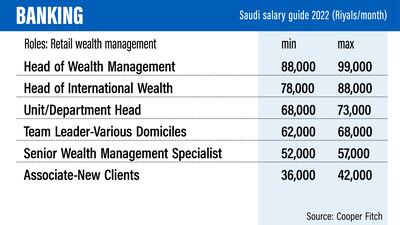
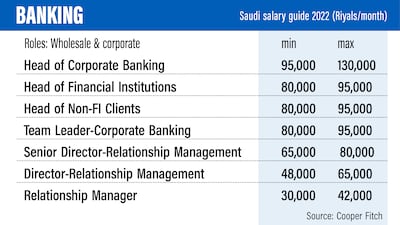
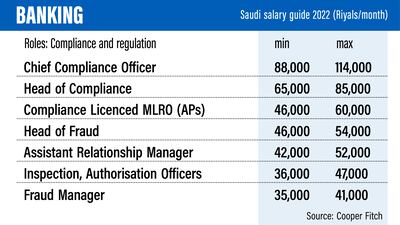
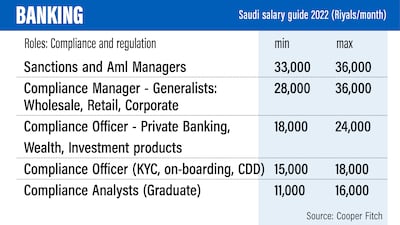
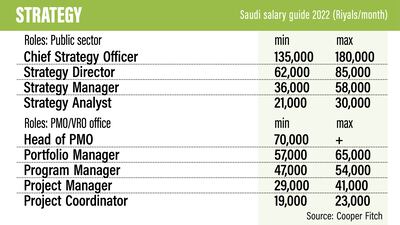
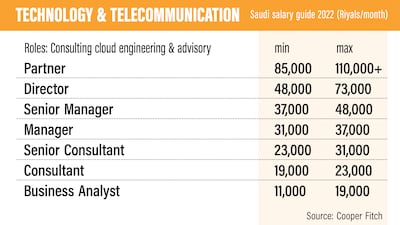
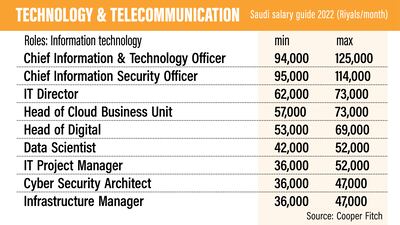
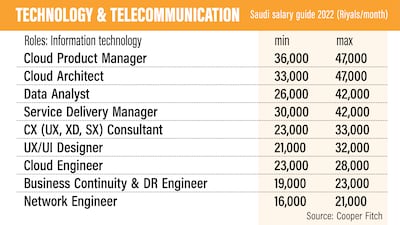
Saudi Arabia Salary Guide 2022 — in pictures

  • Saudi Salary Guide 2022
    Saudi Salary Guide 2022
  • Saudi Salary Guide 2022
    Saudi Salary Guide 2022
  • Saudi Salary Guide 2022
    Saudi Salary Guide 2022
  • Saudi Salary Guide 2022
    Saudi Salary Guide 2022
  • Saudi Salary Guide 2022
    Saudi Salary Guide 2022
  • Saudi Salary Guide 2022
    Saudi Salary Guide 2022
  • Saudi Salary Guide 2022
    Saudi Salary Guide 2022
  • Saudi Salary Guide 2022
    Saudi Salary Guide 2022
  • Saudi Salary Guide 2022
    Saudi Salary Guide 2022
  • Saudi Salary Guide 2022
    Saudi Salary Guide 2022
  • Saudi Salary Guide 2022
    Saudi Salary Guide 2022
  • Saudi Salary Guide 2022
    Saudi Salary Guide 2022
  • Saudi Salary Guide 2022
    Saudi Salary Guide 2022
  • Saudi Salary Guide 2022
    Saudi Salary Guide 2022
  • Saudi Salary Guide 2022
    Saudi Salary Guide 2022
  • Saudi Salary Guide 2022
    Saudi Salary Guide 2022
  • Saudi Salary Guide 2022
    Saudi Salary Guide 2022
  • Saudi Salary Guide 2022
    Saudi Salary Guide 2022
  • Saudi Salary Guide 2022
    Saudi Salary Guide 2022
  • Saudi Salary Guide 2022
    Saudi Salary Guide 2022
  • Saudi Salary Guide 2022
    Saudi Salary Guide 2022
  • Saudi Salary Guide 2022
    Saudi Salary Guide 2022
  • Saudi Salary Guide 2022
    Saudi Salary Guide 2022
  • Saudi Salary Guide 2022
    Saudi Salary Guide 2022
  • Saudi Salary Guide 2022
    Saudi Salary Guide 2022
  • Saudi Salary Guide 2022
    Saudi Salary Guide 2022
  • Saudi Salary Guide 2022
    Saudi Salary Guide 2022
  • Saudi Salary Guide 2022
    Saudi Salary Guide 2022
  • Saudi Salary Guide 2022
    Saudi Salary Guide 2022
  • Saudi Salary Guide 2022
    Saudi Salary Guide 2022
  • Saudi Salary Guide 2022
    Saudi Salary Guide 2022
  • Saudi Salary Guide 2022
    Saudi Salary Guide 2022
  • Saudi Salary Guide 2022
    Saudi Salary Guide 2022
  • Saudi Salary Guide 2022
    Saudi Salary Guide 2022
  • Saudi Salary Guide 2022
    Saudi Salary Guide 2022
  • Saudi Salary Guide 2022
    Saudi Salary Guide 2022
  • Saudi Salary Guide 2022
    Saudi Salary Guide 2022
  • Saudi Salary Guide 2022
    Saudi Salary Guide 2022
  • Saudi Salary Guide 2022
    Saudi Salary Guide 2022
  • Saudi Salary Guide 2022
    Saudi Salary Guide 2022
  • Saudi Salary Guide 2022
    Saudi Salary Guide 2022
  • Saudi Salary Guide 2022
    Saudi Salary Guide 2022
  • Saudi Salary Guide 2022
    Saudi Salary Guide 2022
  • Saudi Salary Guide 2022
    Saudi Salary Guide 2022
  • Saudi Salary Guide 2022
    Saudi Salary Guide 2022
  • Saudi Salary Guide 2022
    Saudi Salary Guide 2022
  • Saudi Salary Guide 2022
    Saudi Salary Guide 2022
  • Saudi Salary Guide 2022
    Saudi Salary Guide 2022
  • Saudi Salary Guide 2022
    Saudi Salary Guide 2022
  • Saudi Salary Guide 2022
    Saudi Salary Guide 2022
  • Saudi Salary Guide 2022
    Saudi Salary Guide 2022
The story of Edge

Sheikh Mohamed bin Zayed, Crown Prince of Abu Dhabi and Deputy Supreme Commander of the Armed Forces, established Edge in 2019.

It brought together 25 state-owned and independent companies specialising in weapons systems, cyber protection and electronic warfare.

Edge has an annual revenue of $5 billion and employs more than 12,000 people.

Some of the companies include Nimr, a maker of armoured vehicles, Caracal, which manufactures guns and ammunitions company, Lahab


The alternatives

• Founded in 2014, Telr is a payment aggregator and gateway with an office in Silicon Oasis. It’s e-commerce entry plan costs Dh349 monthly (plus VAT). QR codes direct customers to an online payment page and merchants can generate payments through messaging apps.

• Business Bay’s Pallapay claims 40,000-plus active merchants who can invoice customers and receive payment by card. Fees range from 1.99 per cent plus Dh1 per transaction depending on payment method and location, such as online or via UAE mobile.

• Tap started in May 2013 in Kuwait, allowing Middle East businesses to bill, accept, receive and make payments online “easier, faster and smoother” via goSell and goCollect. It supports more than 10,000 merchants. Monthly fees range from US$65-100, plus card charges of 2.75-3.75 per cent and Dh1.2 per sale.

2checkout’s “all-in-one payment gateway and merchant account” accepts payments in 200-plus markets for 2.4-3.9 per cent, plus a Dh1.2-Dh1.8 currency conversion charge. The US provider processes online shop and mobile transactions and has 17,000-plus active digital commerce users.

• PayPal is probably the best-known online goods payment method - usually used for eBay purchases -  but can be used to receive funds, providing everyone’s signed up. Costs from 2.9 per cent plus Dh1.2 per transaction.

Mercer, the investment consulting arm of US services company Marsh & McLennan, expects its wealth division to at least double its assets under management (AUM) in the Middle East as wealth in the region continues to grow despite economic headwinds, a company official said.

Mercer Wealth, which globally has $160 billion in AUM, plans to boost its AUM in the region to $2-$3bn in the next 2-3 years from the present $1bn, said Yasir AbuShaban, a Dubai-based principal with Mercer Wealth.

Within the next two to three years, we are looking at reaching $2 to $3 billion as a conservative estimate and we do see an opportunity to do so,” said Mr AbuShaban.

Mercer does not directly make investments, but allocates clients’ money they have discretion to, to professional asset managers. They also provide advice to clients.

“We have buying power. We can negotiate on their (client’s) behalf with asset managers to provide them lower fees than they otherwise would have to get on their own,” he added.

Mercer Wealth’s clients include sovereign wealth funds, family offices, and insurance companies among others.

From its office in Dubai, Mercer also looks after Africa, India and Turkey, where they also see opportunity for growth.

Wealth creation in Middle East and Africa (MEA) grew 8.5 per cent to $8.1 trillion last year from $7.5tn in 2015, higher than last year’s global average of 6 per cent and the second-highest growth in a region after Asia-Pacific which grew 9.9 per cent, according to consultancy Boston Consulting Group (BCG). In the region, where wealth grew just 1.9 per cent in 2015 compared with 2014, a pickup in oil prices has helped in wealth generation.

BCG is forecasting MEA wealth will rise to $12tn by 2021, growing at an annual average of 8 per cent.

Drivers of wealth generation in the region will be split evenly between new wealth creation and growth of performance of existing assets, according to BCG.

Another general trend in the region is clients’ looking for a comprehensive approach to investing, according to Mr AbuShaban.

“Institutional investors or some of the families are seeing a slowdown in the available capital they have to invest and in that sense they are looking at optimizing the way they manage their portfolios and making sure they are not investing haphazardly and different parts of their investment are working together,” said Mr AbuShaban.

Some clients also have a higher appetite for risk, given the low interest-rate environment that does not provide enough yield for some institutional investors. These clients are keen to invest in illiquid assets, such as private equity and infrastructure.

“What we have seen is a desire for higher returns in what has been a low-return environment specifically in various fixed income or bonds,” he said.

“In this environment, we have seen a de facto increase in the risk that clients are taking in things like illiquid investments, private equity investments, infrastructure and private debt, those kind of investments were higher illiquidity results in incrementally higher returns.”

The Abu Dhabi Investment Authority, one of the largest sovereign wealth funds, said in its 2016 report that has gradually increased its exposure in direct private equity and private credit transactions, mainly in Asian markets and especially in China and India. The authority’s private equity department focused on structured equities owing to “their defensive characteristics.”

Dhadak 2

Director: Shazia Iqbal

Starring: Siddhant Chaturvedi, Triptii Dimri 

Rating: 1/5

Updated: May 19, 2022, 9:42 AM