

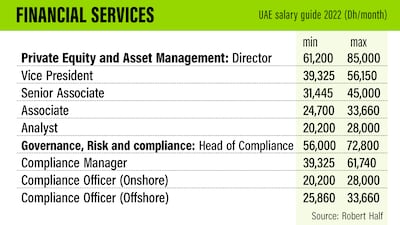
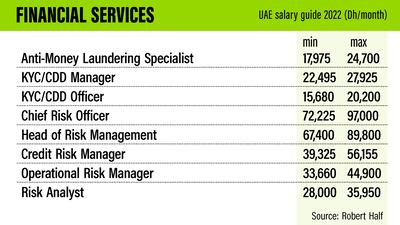
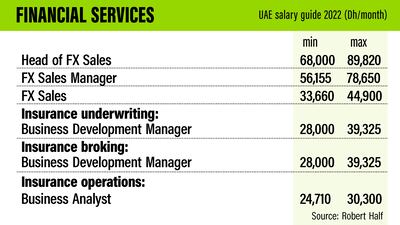
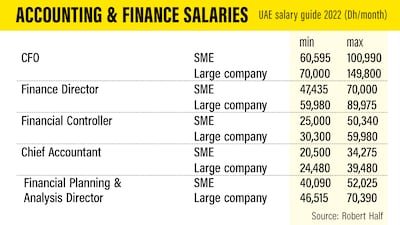
RELATED: UAE salary guide 2022: how much should you be earning?
Have you ever wondered how much you should save each month or even how much you should have saved by now?
When we first start looking at our financial situations, we tend to immediately focus on our mistakes and what we could have saved or should have saved. It’s a guilt-ridden exercise.
But looking back is best approached as a fact-finding exercise to help us to understand where we might have saved had we been more consciously aware of our money habits. It highlights our values and where our money habits and values are misaligned. It provides clarity.
But how much should you save? It’s a tough question to answer as everyone’s habits, values, goals and incomes are unique to them.
However, I recommend implementing the 50:30:20 approach to budgeting, or cash-flow planning as I prefer to call it, which suggests that you set aside 20 per cent of your income for savings or other financial goals.
But what happens if you can’t consistently save 20 per cent? That’s OK for now. It’s only another piece of information about your financial situation.
Try not to let the negative thoughts creep in or take over. Certainly do not give up. It simply means you now have a clear financial goal to work towards.
How can you increase your savings rate to more than 20 per cent of your income? We go back to the 50:30:20 approach. Review your “needs” and “wants”.
Are your needs more than 50 per cent of your income? If they are, are there ways to reduce them? Can you move to lower-cost housing? Or change your car to a more cost-efficient model?
Groceries are a common way to reduce costs, so switch to lower-cost supermarkets or buy in bulk or online. Can you change your mobile phone contract to a less expensive one? The less you spend on your needs, the more flexibility you will have with your income.
“Wants” are the areas where we spend money when we want to, not because we need to. Examples are eating out, takeaways, shopping, travel or gym memberships. Ideally, your spending in this category should be less than 30 per cent of your income.
It’s also important to look at your income. I have worked with people who are excellent at managing their money and are thrifty and conscious, yet they cannot save 20 per cent of their income. This is when we look at ways to increase their income to reach their savings goals.
One person I worked with recently believed she was bad with money. She was convinced she was unable to manage it alone and was filled with shame because she had credit card debt and no savings.
When we analysed her cash flow, it became apparent that she was, in fact, very skilled at managing her income. She had lost her job and incurred credit card debt to survive.
She carried a lot of shame because of this debt. It was important to her to be debt-free and when she found a new job, she prioritised her credit card payments each month.
-
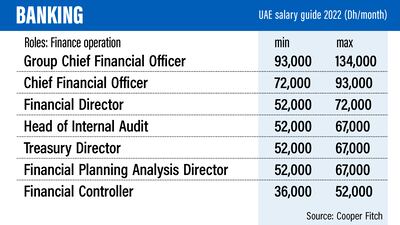
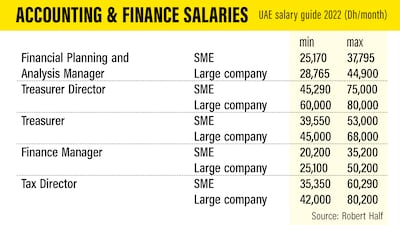
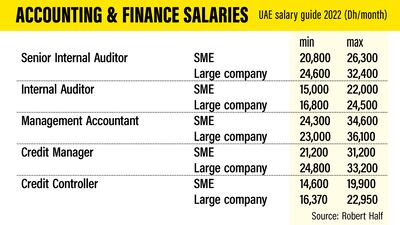
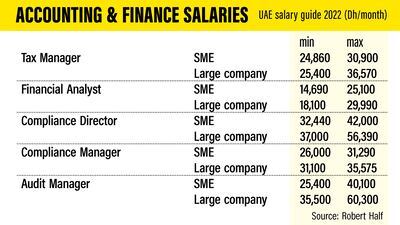
UAE salary guide 2022 -
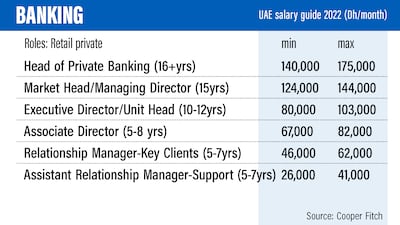
UAE salary guide 2022 -
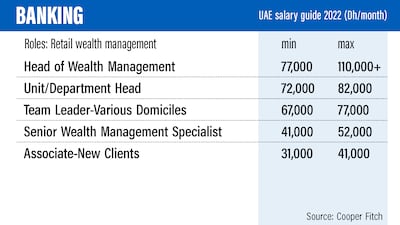
UAE salary guide 2022 -
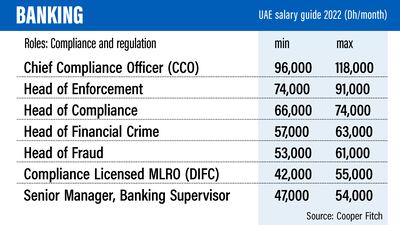
UAE salary guide 2022 -
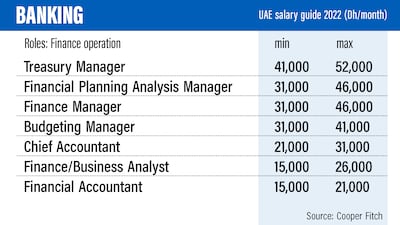
UAE salary guide 2022 -
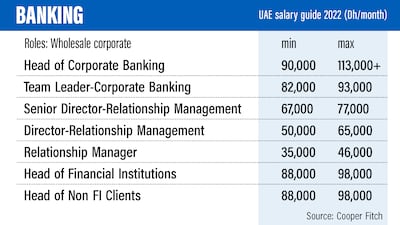
UAE salary guide 2022 -
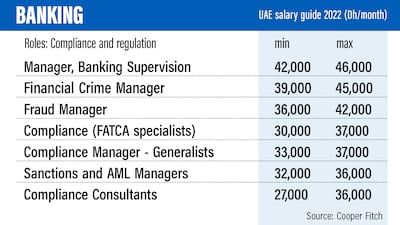
UAE salary guide 2022 -
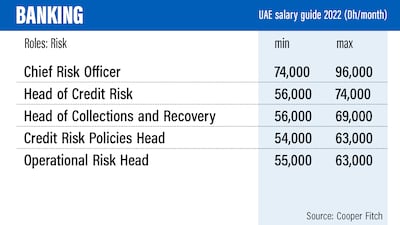
UAE salary guide 2022 -
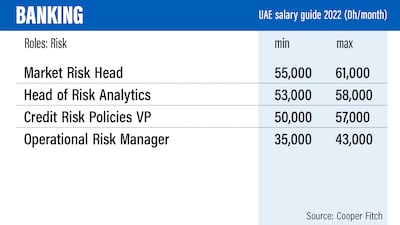
UAE salary guide 2022 -
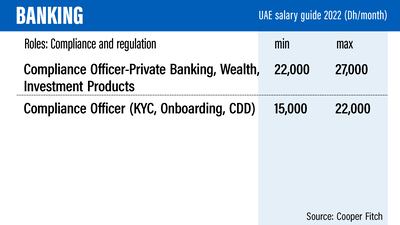
UAE salary guide 2022 -
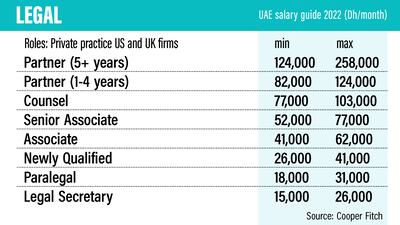
UAE salary guide 2022 -
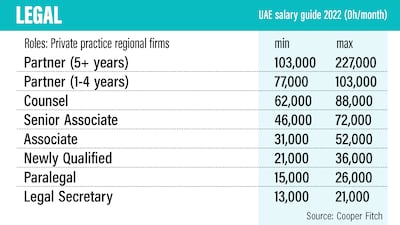
UAE salary guide 2022 -
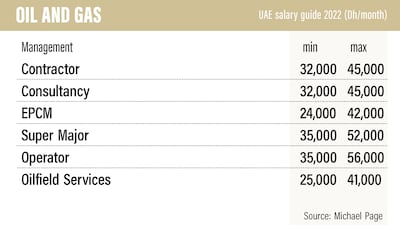
UAE Salary guide 2022 -
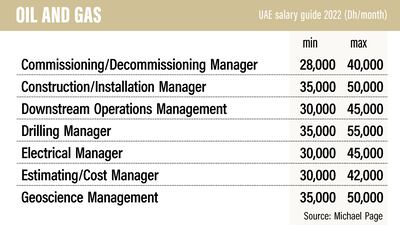
UAE Salary guide 2022 -
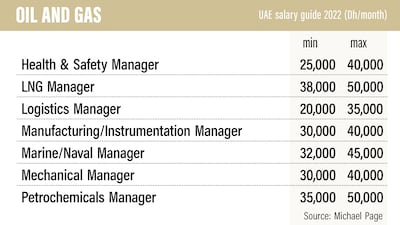
UAE Salary guide 2022 -
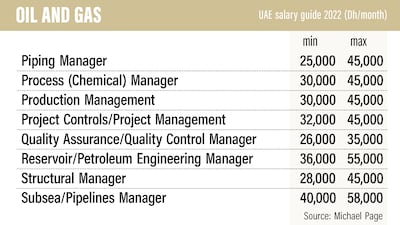
UAE Salary guide 2022 -
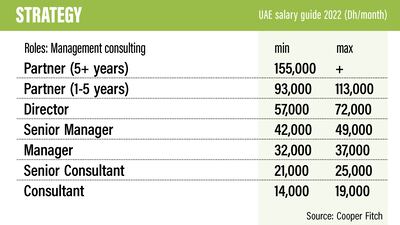
UAE salary guide 2022 -
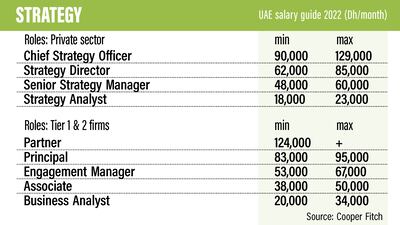
UAE salary guide 2022 -
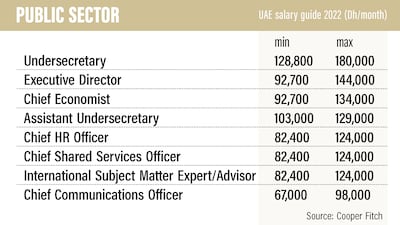
UAE salary guide 2022 -
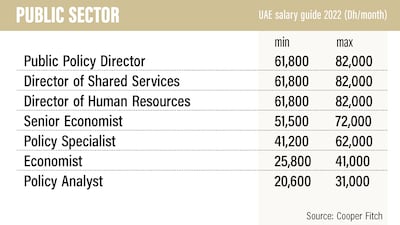
UAE salary guide 2022 -
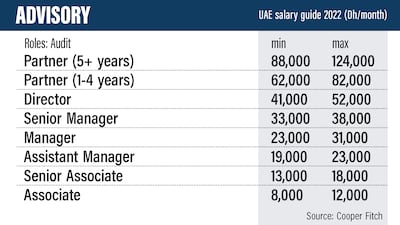
UAE salary guide 2022 -
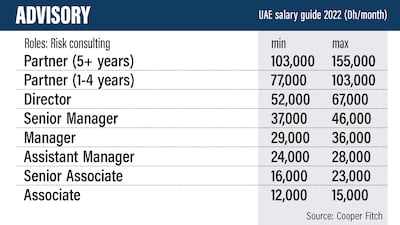
UAE salary guide 2022 -
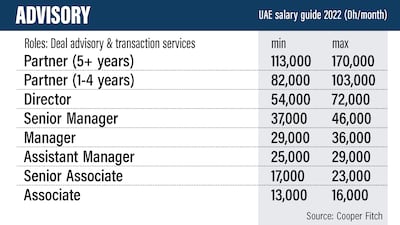
UAE salary guide 2022 -
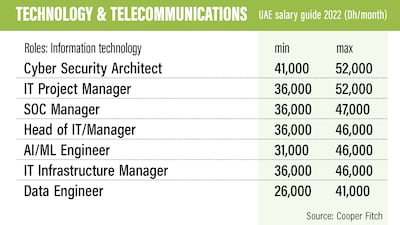
UAE salary guide 2022 -
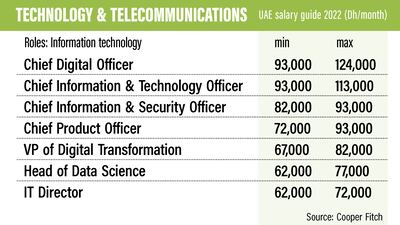
UAE salary guide 2022 -

UAE salary guide 2022 -
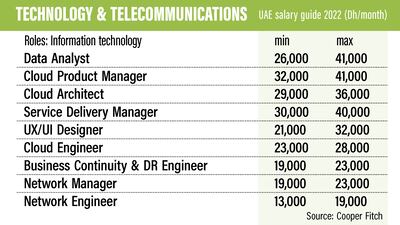
UAE salary guide 2022 -
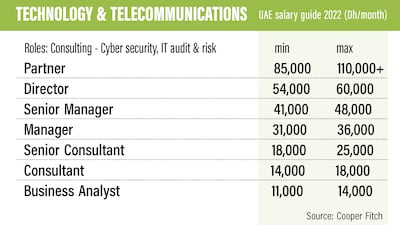
UAE salary guide 2022 -
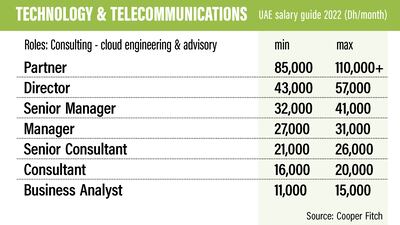
UAE salary guide 2022 -
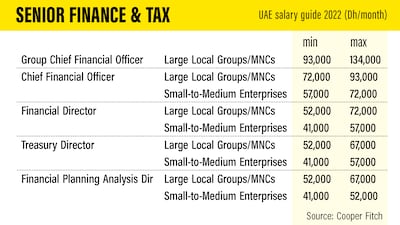
UAE salary guide 2022 -
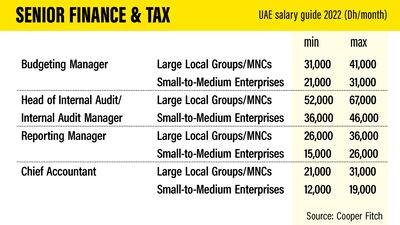
UAE salary guide 2022 -
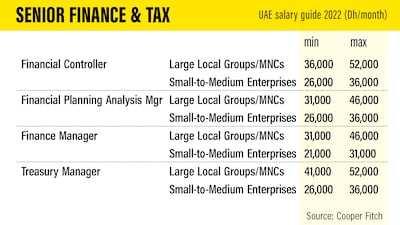
UAE salary guide 2022 -
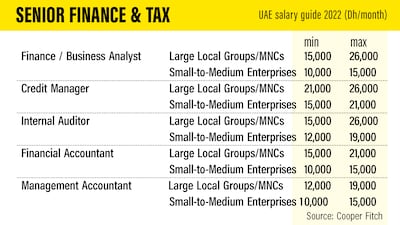
UAE salary guide 2022 -
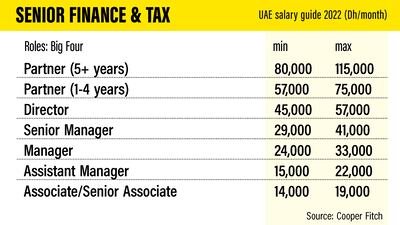
UAE salary guide 2022 -
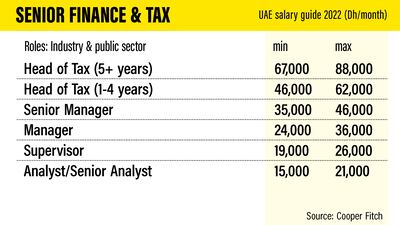
UAE salary guide 2022 -
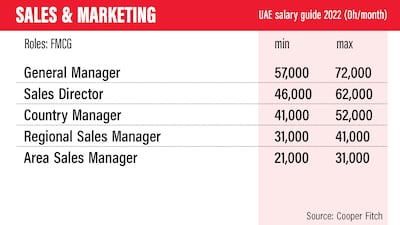
UAE salary guide 2022 -
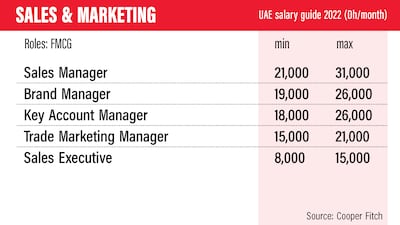
UAE salary guide 2022 -

UAE salary guide 2022 -

UAE salary guide 2022 -
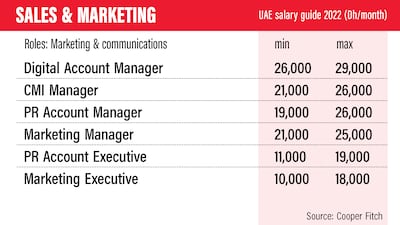
UAE salary guide 2022 -
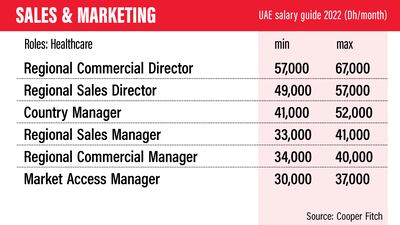
UAE salary guide 2022 -
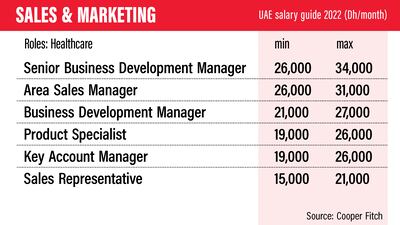
UAE salary guide 2022 -

UAE salary guide 2022 -

UAE salary guide 2022 -
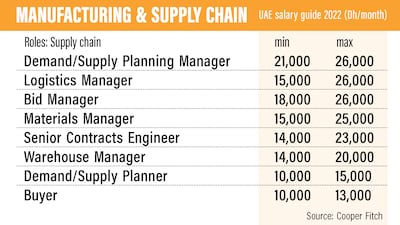
UAE salary guide 2022 -
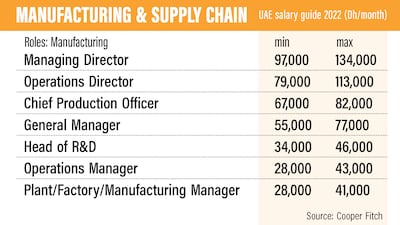
UAE salary guide 2022 -
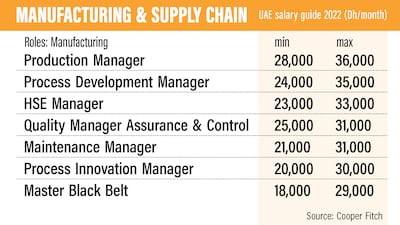
UAE salary guide 2022 -
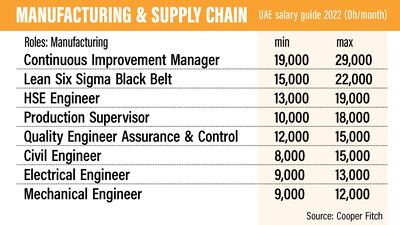
UAE salary guide 2022 -
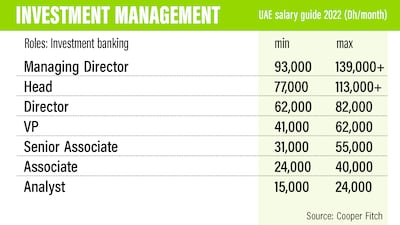
UAE salary guide 2022 -
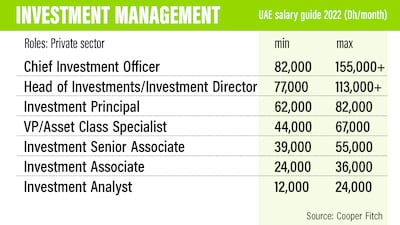
UAE salary guide 2022 -
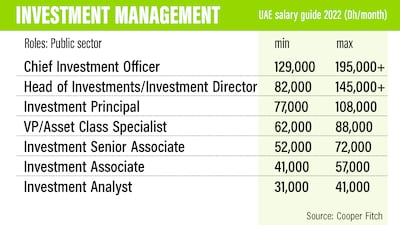
UAE salary guide 2022 -
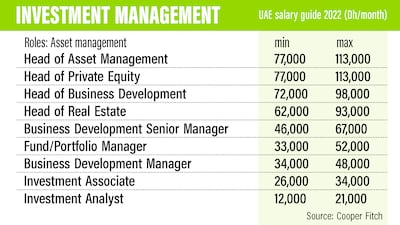
UAE salary guide 2022 -
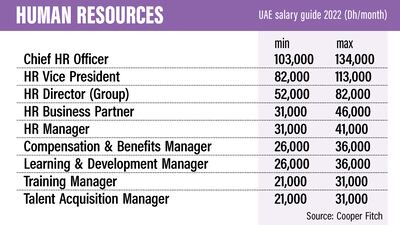
UAE salary guide 2022 -
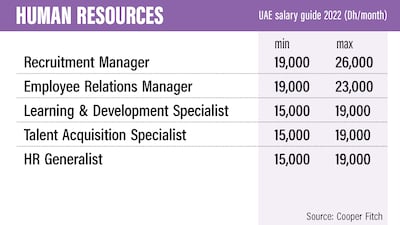
UAE salary guide 2022 -
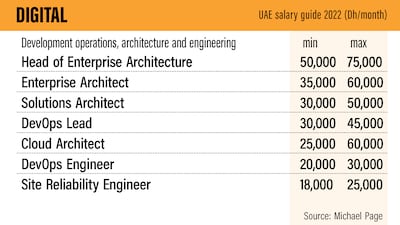
UAE Salary guide 2022 -
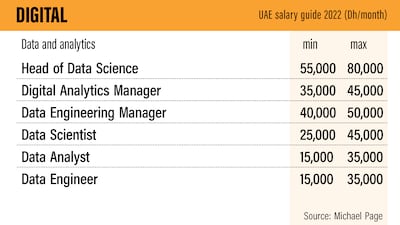
UAE Salary guide 2022 -
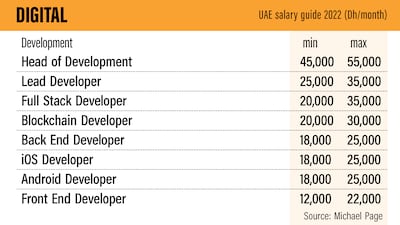
UAE Salary guide 2022 -

UAE Salary guide 2022 -
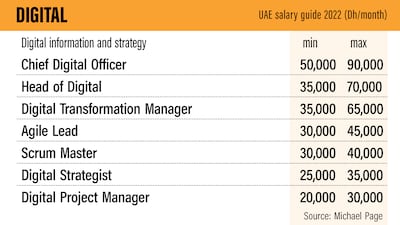
UAE Salary guide 2022 -
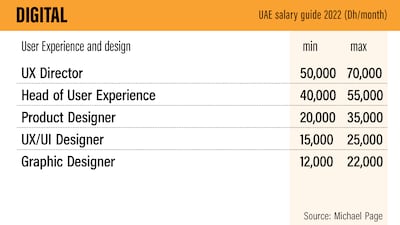
UAE Salary guide 2022 -
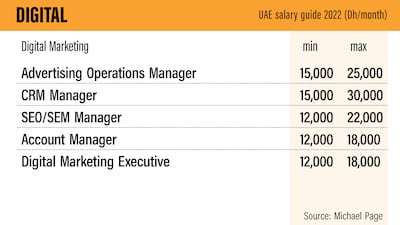
UAE Salary guide 2022 -
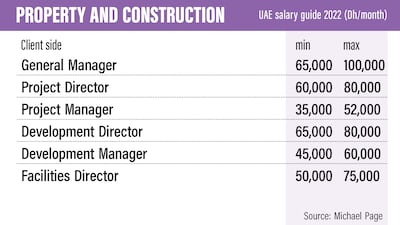
UAE Salary guide 2022 -
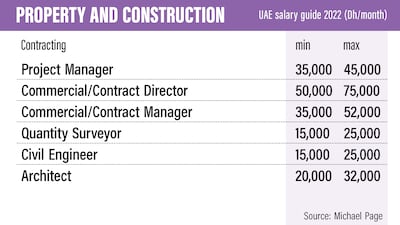
UAE Salary guide 2022 -
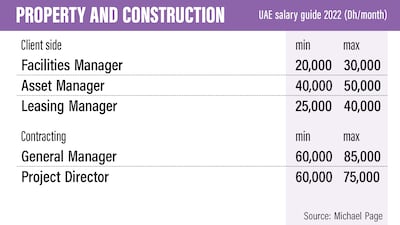
UAE Salary guide 2022 -

UAE Salary guide 2022 -
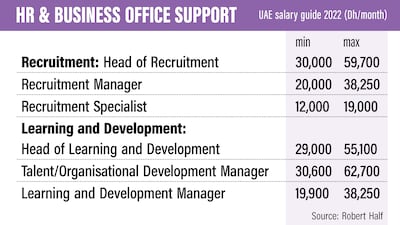
UAE Salary guide 2022 -
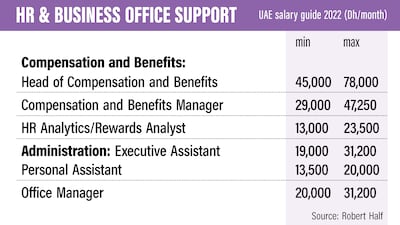
UAE Salary guide 2022 -
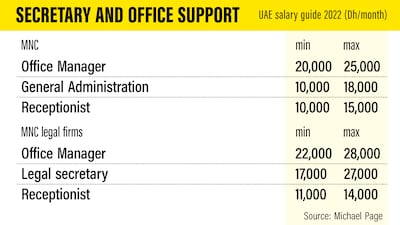
UAE Salary guide 2022 -
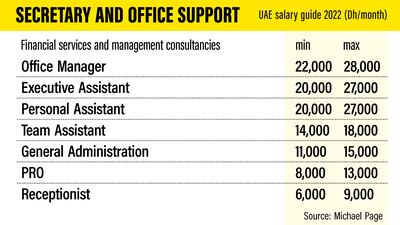
UAE Salary guide 2022 -
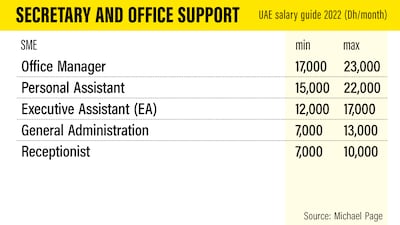
UAE Salary guide 2022 -
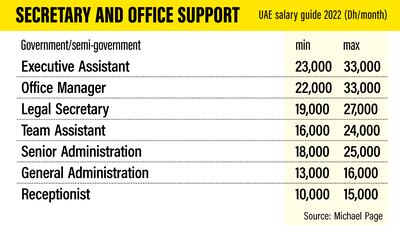
UAE Salary guide 2022 -
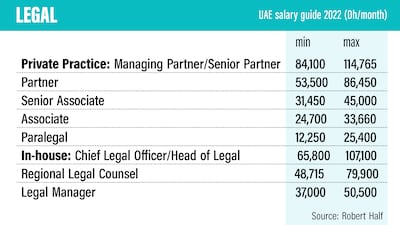
UAE Salary guide 2022 -
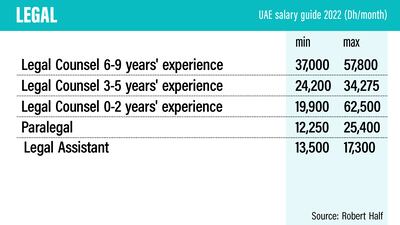
UAE Salary guide 2022 -
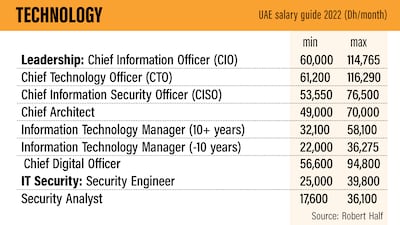
UAE Salary guide 2022 -
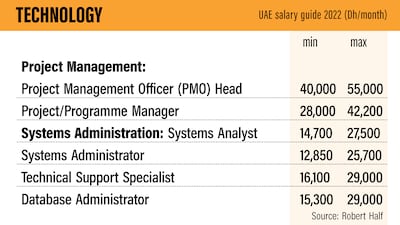
UAE Salary guide 2022 -
UAE Salary guide 2022 -
UAE Salary guide 2022 -
UAE Salary guide 2022 -
UAE Salary guide 2022 -
UAE Salary guide 2022 -
UAE Salary guide 2022 -
UAE Salary guide 2022 -
UAE Salary guide 2022 -
UAE Salary guide 2022 -
UAE Salary guide 2022 -
UAE Salary guide 2022 -

UAE Salary guide 2022


She was focusing on her financial goals but wasn’t consciously aware of them. She was overwhelmed as she didn’t have a plan and it worried her that she wasn’t saving as all available cash was dedicated to repaying her credit card.
She carried great fear about finding herself in this situation again. So she asked me, “How much should I be saving?”
In this case, the benefits of an emergency fund were especially clear and this was the focus of her savings goal. Having one would protect her from relying on her credit card if she ever found herself without an income again.
We then looked at her cash-flow plan, focused on her income and optimised spending on her needs and wants. We prioritised what was most important to her to ensure she felt like she was living her life, not only surviving.
By consciously planning her money this way, she found ways to reduce unconscious spending and used the extra money to build her emergency fund.
It’s important to always keep looking forward, so we started planning how she will save and invest the extra cash available once her credit card is paid off.
If you are wondering how much you should save, start with aiming for 20 per cent of your income. Use that to provide financial security by having an emergency fund of three to six months of living expenses.
Apply the 50:30:20 approach as it allows you to sufficiently fund your needs, your wants and your savings. It will also help you to understand that you should save for your future self, while also allowing you to have a life in the here and now.
Carol Glynn is the founder of Conscious Finance Coaching

