



It is 1998 and I had just accepted my first overseas posting as a journalist at a Rupert Murdoch-owned newspaper in Port Moresby, the capital of Papua New Guinea.
While friends and family advised me against accepting the position — Port Moresby was considered one of the world’s most dangerous cities at the time — I saw it as a stepping stone to a global career, an opportunity to have a few adventures and also a way to save some decent money.
The offer included housing, relocation expenses, healthcare and the usual airfares home. Of course, it wasn’t a huge package when you compare it with the remuneration of senior-level executives at the time — or even now.
But for a young journalist struggling to keep up with rent and daily expenses in an increasingly expensive Sydney, Australia, it made a huge difference to my financial life — particularly the housing benefit.
My next international move was to Hong Kong. And what a difference that was: a one-way ticket in economy class, 23 kilograms of luggage and one week in a hotel — and then I was on my own in one of the world’s most expensive housing markets.
While not all foreign workers receive attractive salary packages, they have long been considered a “hardship” perk for many employees transferred overseas.
These often included a range of benefits such as housing, relocation expenses, airfares, life insurance, sign-on and annual bonuses, stock options, utilities, healthcare, domestic help, food and furniture allowances, and cars and/or drivers, depending on the seniority of the employee.
Financial crises
However, a series of financial crises — including the Asian financial crisis in 1997, the global financial crisis in 2008-2009 and the Covid-19 pandemic — which plunged the world into its worst economic recession since the 1930s — affected expatriate salary packages worldwide, according to a research paper published in the Journal of International Management in September last year.
“While expatriation has numerous well-documented benefits for multinational corporations [MNCs], it is incredibly costly,” the authors say in the paper, titled Sustainable Expatriate Compensation in an Uncertain Environment.
“In consequence, when global business conditions become uncertain, the expatriate programme in MNCs is typically one of the first budget centres to be targeted for cost savings. The MNC typically radically restructures expatriate remuneration.
“One way of describing global economic uncertainty is through the lens of significant events like the 1997 Asian financial crisis that gripped much of East Asia and South-east Asia, the US 9/11 attacks and the 2009 global financial crisis.
“In just the last decade, a myriad of economic, political and cultural clashes has made the world susceptible to the likes of repeated and largely unforeseen vicious acts of terrorism, unprecedented migration waves, global pandemics such as Sars and Covid-19 [and] Brexit, including other political leadership changes. Irrefutably, economic uncertainty is at record highs and, not surprisingly, challenges the MNCs' readiness and ability to lead in economically uncertain times.”

While many salary packages were temporarily reduced during the height of the Covid-19 pandemic in 2020, the biggest change to remuneration for employees being transferred overseas occurred during the global financial crisis, according to Sarah Dixon, the managing director of recruitment agency Hays Middle East.
“I'd say they crashed significantly during the economic slowdown at the end of 2008. Those benefits still exist, but not the fancy bells and whistles, such as utilities, the food [allowance] and the driver … it is much less common to offer sign-on bonuses; that's not normal now,” Ms Dixon says, adding she once interviewed a job candidate who had a shoe allowance.
Other changes to remuneration packages include companies no longer offering employees interest-free loans for housing or paying school debentures, according to Ms Dixon.
“As a result, the overall salary packages have reduced, but that would make sense because the cost of living allowance 10 years ago here [UAE] had to cover rent prices that were double.”
Cost of living
Cost of living is a major factor that companies have to consider when negotiating salary packages for employees being transferred to other countries, according to global consultancy Mercer, which released its global Cost of Living survey in June.
Mercer’s ranking of 209 cities measures the comparative cost of more than 200 items, including housing, food and transport. The survey helps companies to determine the cost of packages for employees on international assignments, which are influenced by factors such as currency fluctuations, cost inflation for goods and services and accommodation expenses.
Ashgabat, the capital of Turkmenistan, Hong Kong and Beirut are the three most expensive cities in the world for overseas workers in 2021, the survey found
Hong Kong dropped from the top position last year, while Beirut jumped 42 places to third place as a result of “a severe and extensive economic depression due to the escalation of several crises — the country's largest financial crisis, Covid-19 and the Port of Beirut explosion in 2020", Mercer said.
More than half of this year's 10 most expensive cities are in Asia, with Tokyo and Zurich each dropping one spot to fourth and fifth place, respectively. Shanghai moved up one place from last year to rank sixth.

“Cost of living has always been a factor for international mobility planning but the pandemic has added a whole new layer of complexity, as well as long-term implications related to the health and safety of employees, remote working and flexibility policies, among other considerations,” Ilya Bonic, career president and head of Mercer strategy, said at the time.
The cost of living in Dubai and Abu Dhabi fell due to the diversification of the UAE’s economy, which softened the blow of low oil prices on gross domestic product, Mercer said. Dubai was ranked 42nd in the Mercer survey, down from 23rd place last year, while Abu Dhabi fell from 39th place to 56th.
The UAE economy continues to recover from the pandemic-driven slowdown, aided by Dh388 billion worth of economic support measures. Government initiatives such as retiree visas, remote working visas and the expansion of the 10-year golden visa programme to encourage foreign professionals to settle in the country have also helped to improve investment sentiment.
Globalisation and localisation have also affected remuneration packages, particularly for midlevel managers, Dubai-based recruitment expert David Mackenzie, group managing director of Mackenzie Jones, says.
However, expatriate chief executive-level salary packages remain at a premium, he adds.
-
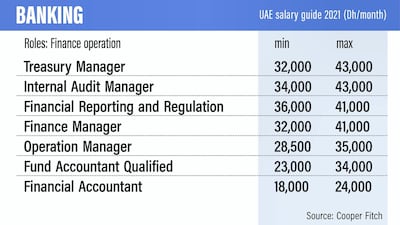
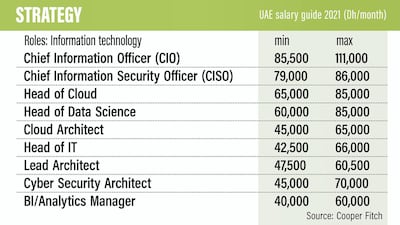
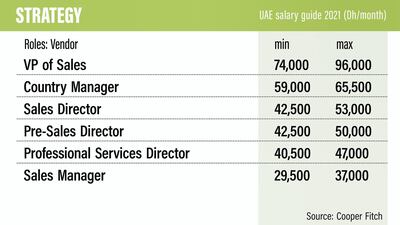
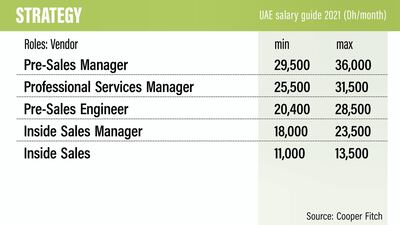
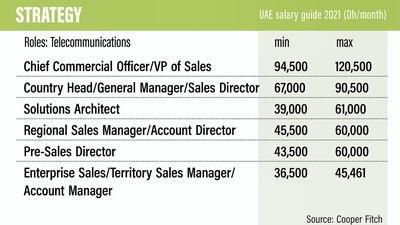
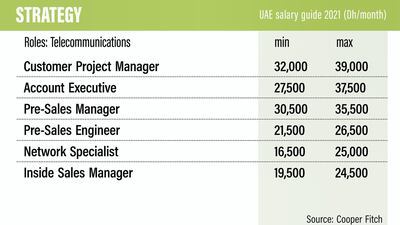
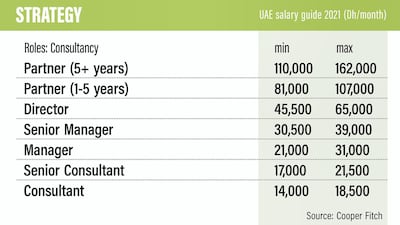
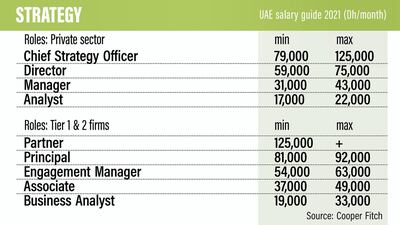
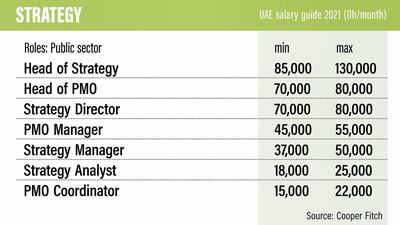
UAE Salary Guide 2021 -
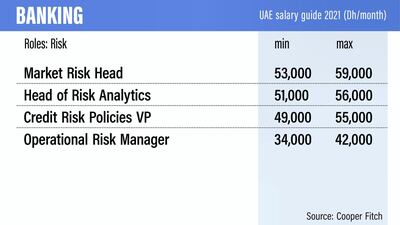
Banking -
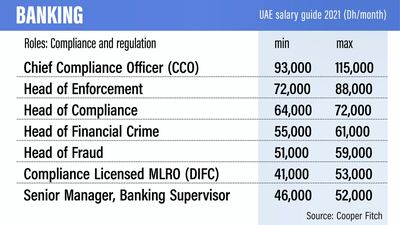
Banking -
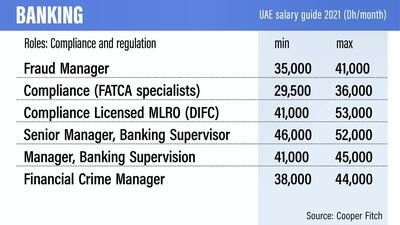
Banking -
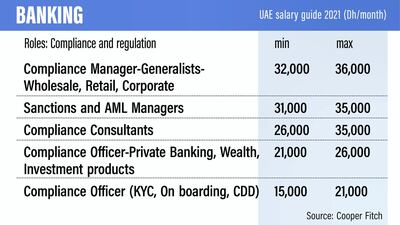
Banking -
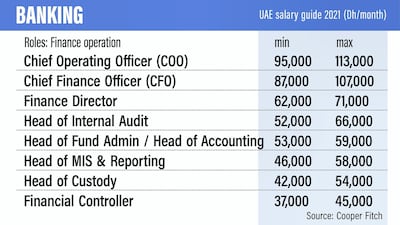
Banking -
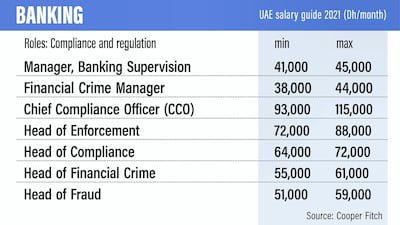
Banking -
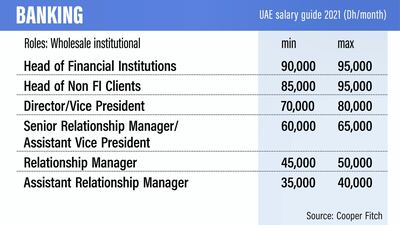
Banking -
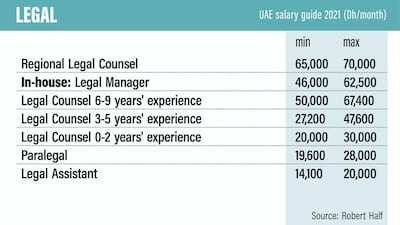
Legal -
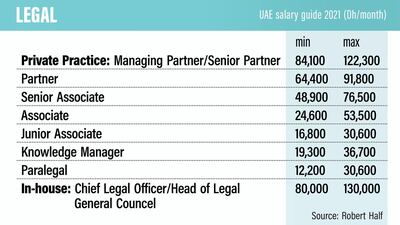
Legal -
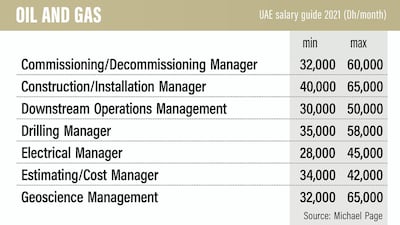
Oil and Gas -
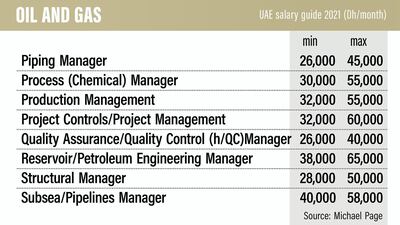
Oil and Gas -
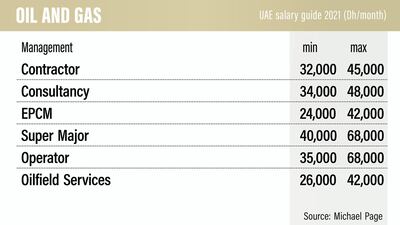
Oil and Gas -
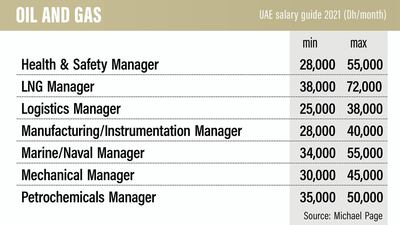
Oil and Gas -
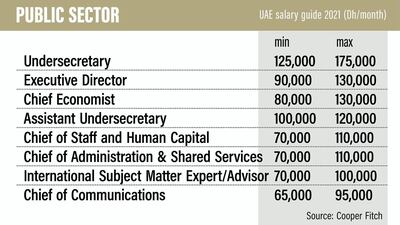
Public sector -
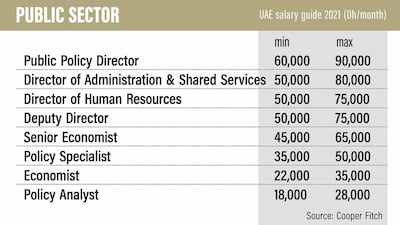
Public sector -
Strategy -

Strategy -
Strategy -
Strategy -
Strategy -
Strategy -
Strategy -
Strategy -
Strategy -
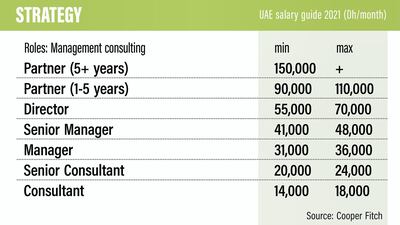
Strategy -
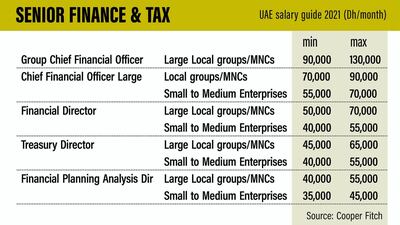
Senior finance and tax -

Senior finance and tax -

Senior finance and tax -
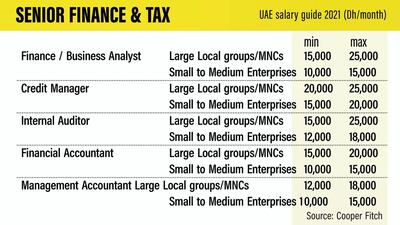
Senior finance and tax -
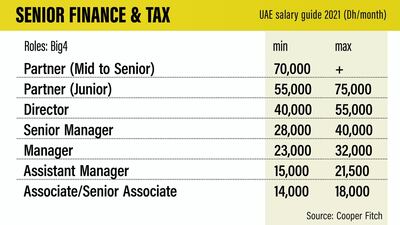
Senior finance and tax -

Senior finance and tax -
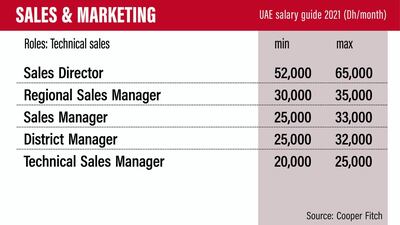
Sales and marketing -
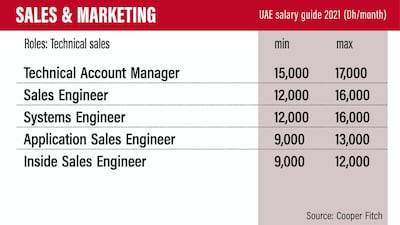
Sales and marketing -
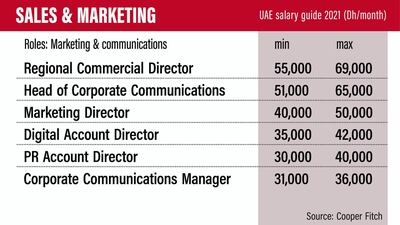
Sales and marketing -
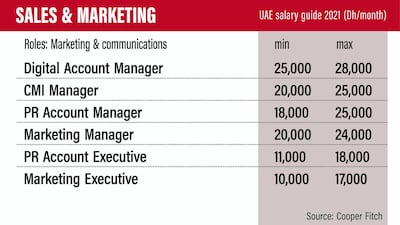
Sales and marketing -
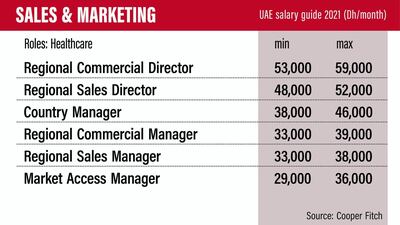
Sales and marketing -
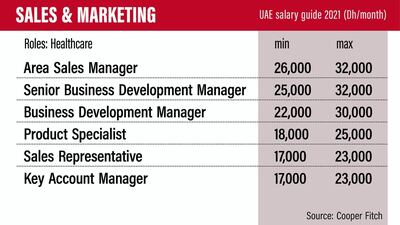
Sales and marketing -
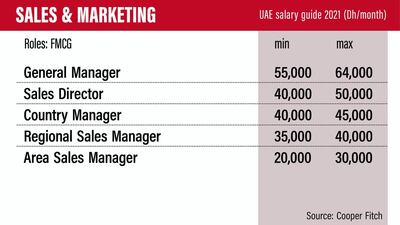
Sales and marketing -
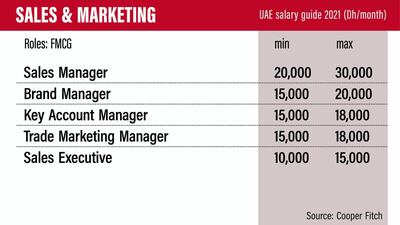
Sales and marketing -
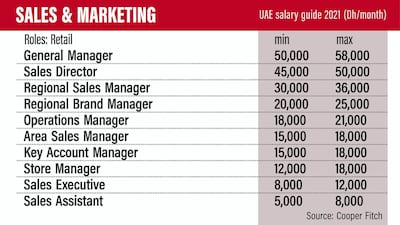
Sales and marketing -
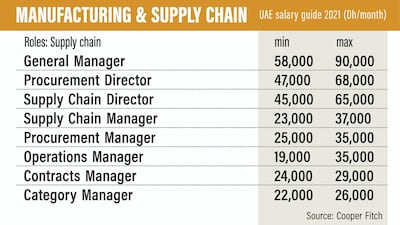
Manufacturing -
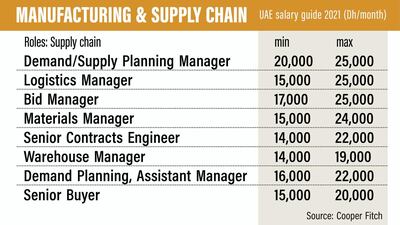
Manufacturing -
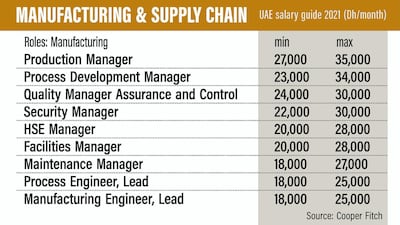
Manufacturing -
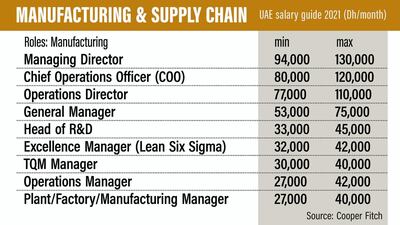
Manufacturing -
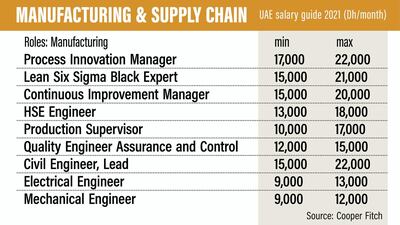
Manufacturing -
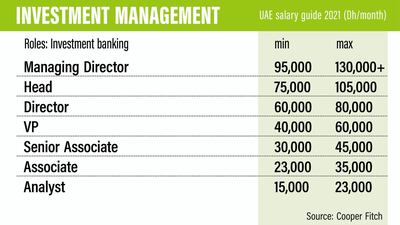
Investment management -
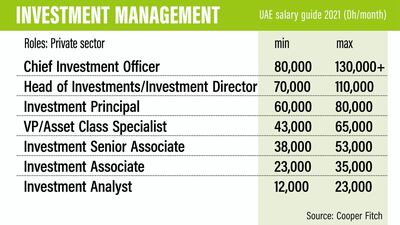
Investment management -

Investment management -
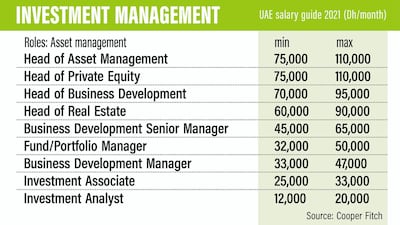
Investment management -
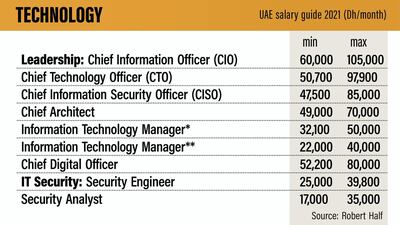
Technology -
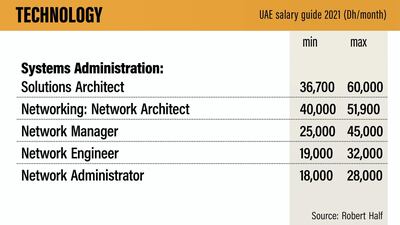
Technology -
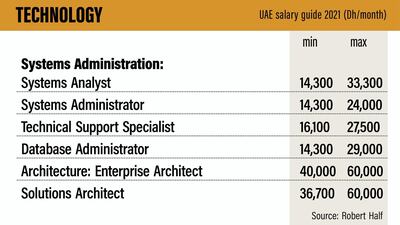
Technology -
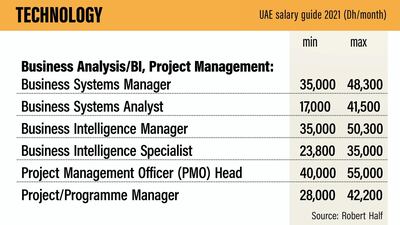
Technology -
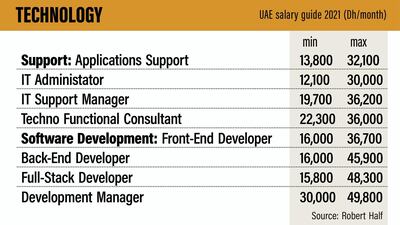
Technology -
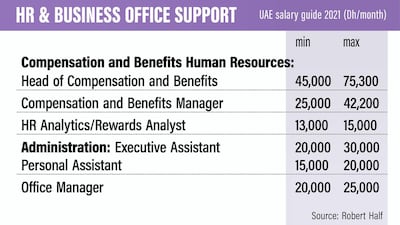
HR and office support -
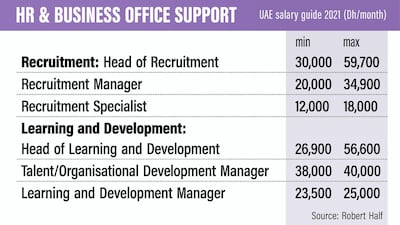
HR and office support -
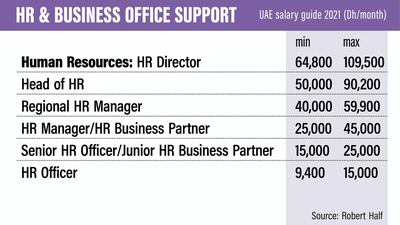
HR and office support -
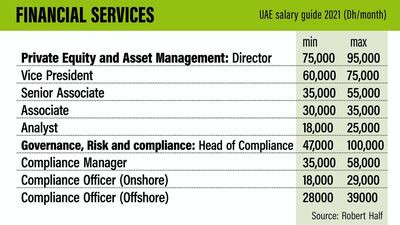
Financial services -
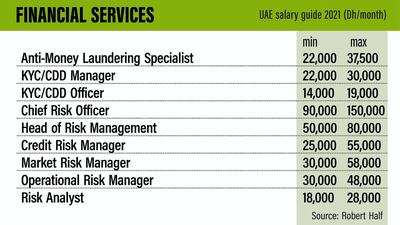
Financial services -
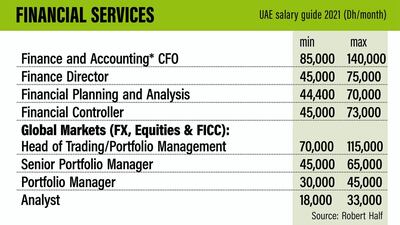
Financial services -
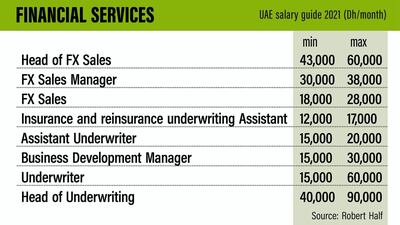
Financial services -
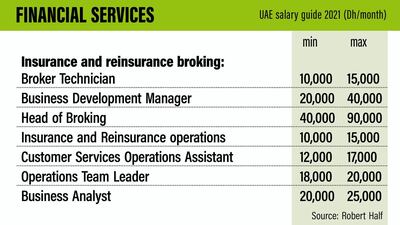
Financial services -
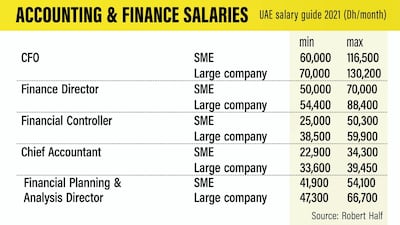
Accounting -
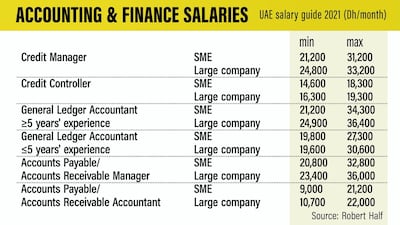
Accounting -
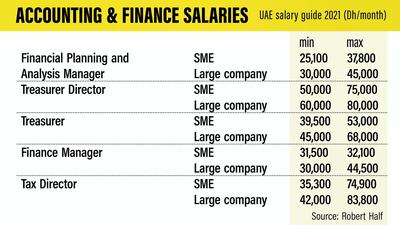
Accounting -
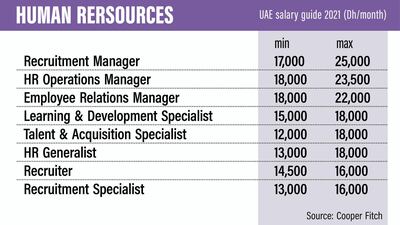
Human Resources -
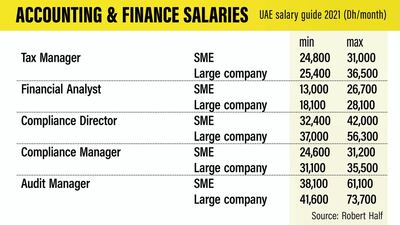
Accounting and finance salaries -
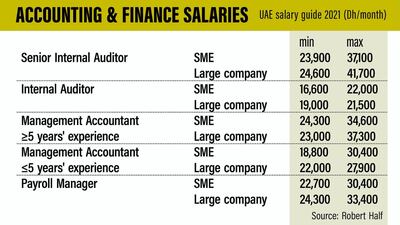
Accounting and finance salaries -

Property and construction -
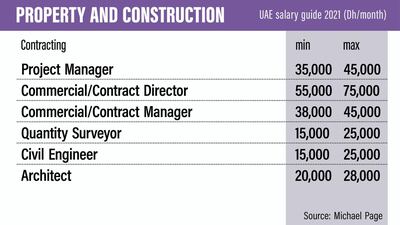
Property and construction -
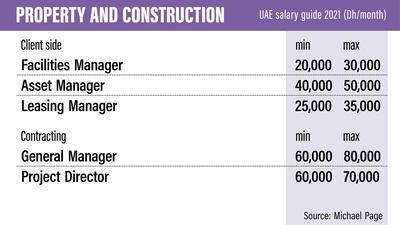
Property and construction -
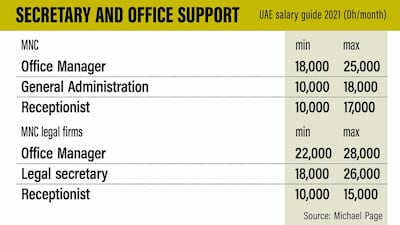
Secretary and office support -
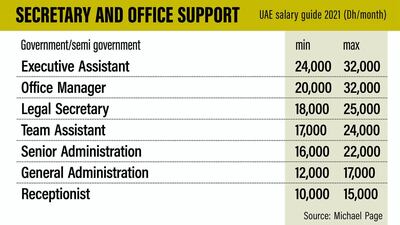
Secretary and office support -
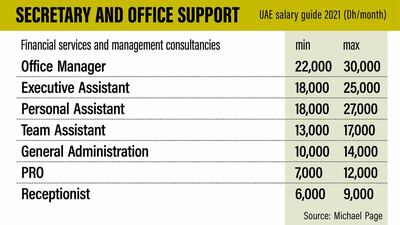
Secretary and office support -
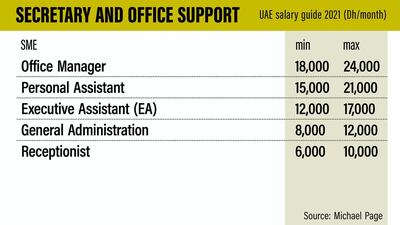
Secretary and office support -
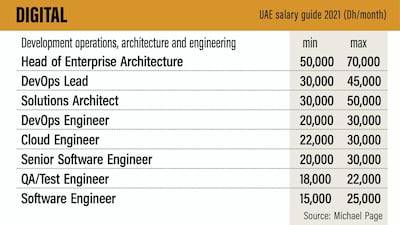
Digital -
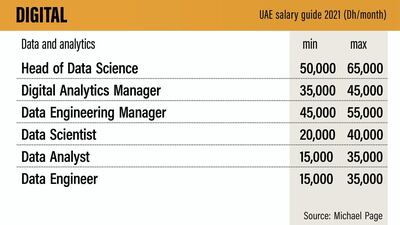
Digital -
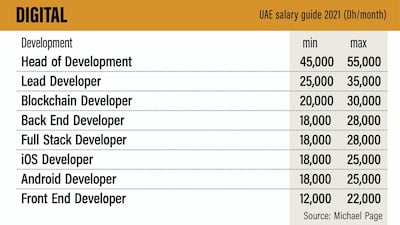
Digital -
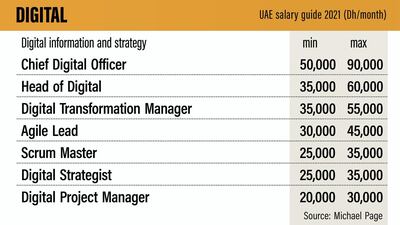
Digital -
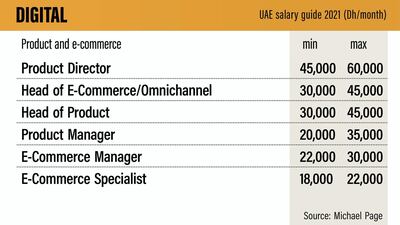
Digital -

Digital -
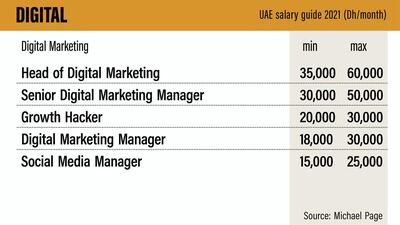
Digital -
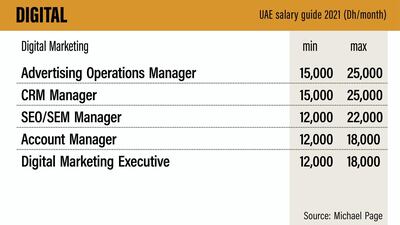
Digital


“C-suite is slightly different to what we would term as normal,” he says. “They will always pay a premium because you’re attracting talent to the region … we’re targeting people globally to come here.
“In Europe, these people would probably be paid about €20,000 [$23,193] to €50,000 [per month]. They are being paid significantly more to come here: €125,000 to €285,000 a month.
“They are not coming for the lifestyle, the weather or so-called tax free — they are coming here for the opportunity and the money.”
Japan most expensive
With a total average pay package of $405,685, Japan is the most expensive country in the world for companies to transfer employees in 2021, according to US-based consultancy ECA International’s MyExpatriate Market Pay Survey.
The survey looks at pay levels for expatriates around the world, including information on benefits, allowances, salary calculation methods and tax treatment.
The UK ranked second in the survey, down from first place in 2020, with a total average pay package of $404,405, followed by India with $318,596, China on $285,804 and Hong Kong at $279,399.
“When considering the cost of an expatriate package, companies need to factor in three main elements: the cash salary, benefits — such as accommodation, international schools, utilities or cars — and tax,” ECA says.
Mr Mackenzie says the largest monthly salary he has negotiated on behalf of a client was 180,000 Saudi riyals ($48,000) a month, or 2.1 million riyals per year, for a HR director position at a global pharmaceutical company.
“I got him about 180,000 riyals a month, plus housing, plus schooling, plus flights, plus bonus, plus car, plus driver. That was about three years ago,” he says.

In the UAE, chief executive-level salary packages are negotiated on a case-by-case basis and typically include school fees, a relocation allowance, housing, first or business-class air tickets and a car, among other perks.
“One of my clients used to receive Dh15,000 a year per child for a books allowance for their education, as well as their education allowance,” says Zahra Clark, the head of Mena for Dubai-based Tiger Recruitment.
“But things like this now have been stripped back. Back in the ‘heydays’, these were the [type] of add-on extras that clients were allocating to candidates.”
Since the outbreak of the Covid-19 pandemic, there has been an increased focus on adding health and well-being benefits to salary packages, Ms Clark says.
“A client recently added wellness to the package, which is something that we’ve never had before,” she says.
“There's been a massive focus on mental health and trying to improve that as a business. So these individuals could either take it to buy gym equipment or use it to purchase fitness classes, but they have to provide proof of this.”
head of Mena, Tiger Recruitment
The change in direction has come at a cost, with other benefits either reduced or left off the negotiating table, Ms Clark says.
“[Companies] have changed how the packages are made up. Before, the housing package used to be very inflated. Now, I think it looks a lot less,” she says.
“Prior to not having the talent here, they used to have to entice candidates to move and to do that, they would give you a joining bonus, pay for your housing and accommodation … relocate your family. I am seeing less of these benefits these days, for example, furniture allowance; a lot of companies have stripped that away.”
Education, IT and finance most common sectors
Meanwhile, the most common sectors foreign workers around the world work in include education, IT and finance, according to InterNations’ Expat Insider 2021 survey.
Other fields of work include manufacturing and engineering, healthcare, advertising, marketing and communication, it says.
“About one third of working expats have a gross yearly income ranging from $50,000 to $100,000. Forty-four per cent make $50,000 or less, while 23 per cent make more than $100,000,” InterNations says in the report.
“Close to half of the working expats state that their career was also their most important reason for relocating to another country: they either found a job on their own, were recruited internationally, or were sent by their employer. Just 2 per cent moved abroad to start their own business.”

When it comes to midlevel foreign workers, Mr Mackenzie says the UAE has a “huge talent pool” that allows recruitment agencies to hire locally, which means they are offered local contracts.
“Every single person, pretty much most of our contracts, are local contracts — we are very rarely getting excellent [packages] where they pay schooling unless it is a multinational … it’s very rare,” he says.
Typical benefits for midlevel managers on a local contract include a salary of about Dh20,000 to Dh50,000 a month, healthcare for the employee and their family, as well as one flight home a year and smaller perks such as discounted gym memberships, Mr Mackenzie says.
Quality of life
Meanwhile, foreign workers are no longer driven solely by accepting new assignments with lucrative salary packages, says Ms Clark of Tiger Recruitment.
“Quality of life is far more important at the moment than salary packages,” she says.
“Don't get me wrong — people still want to earn well. But if they're in a job where they have flexibility and they're earning a reasonable package, it's not appealing to [accept] big money. They just don't want to do it because I think we've all learnt to value freedom and quality of life,” she adds.
Tiger Recruitment
“I can't stress how apparent this has become with people turning packages down.”
However, the future of long-term overseas assignments and the traditional benefits package that come with them appear to be under threat, according to the Mercer Cost of Living survey.
“Mobility is evolving from traditional long-term assignments — relocating an employee for a few years then repatriating them to their home location — to other kinds of mobility moves such as short-term assignees, international foreign hires, permanent transferees, commuters, international remote workers and international freelancers,” Mercer said.
In a separate study, Mercer's 2020 Worldwide Survey of International Assignment Policies and Practices report found that many companies surveyed are now offering more flexible options to accommodate diverse personal circumstances.
“Fifty per cent of employers surveyed expected changes in terms of the number of one-way transfers, talent development, short-term and commuter assignments in their organisations due to the pandemic,” Mercer said.
The future of the market for foreign workers is contract work and not permanent employment, according to Mr Mackenzie.
“I think we will start to become a gig economy where, for example, Stefan from Switzerland comes in and does a project for six months. We're going to start to see a much more fluid economy here, where people are used for their skills for a short period of time.”

