


Myanmar rubies - the most expensive gems per carat in the world - have been taken as an industry standard by which everything else is compared, particularly the ‘pigeon-blood’ stones which fetch higher prices than diamonds at some international auctions.
-

-

A man shows ruby buried inside a stone at a mine in Mogok. The government in 1995 promulgated its gemstone law and bylaw, providing for Myanmar nationals to excavate, produce and sell gemstones on the local and international market, but stricter regulations were soon put in place in an effort to curb rampant smuggling. Soe Zeya Tun / Reuters -
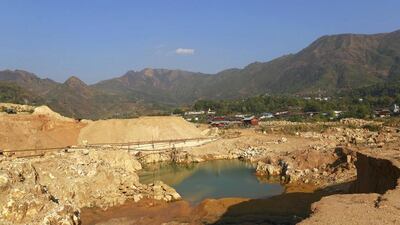
An open pit of ruby mine in Mogkok. Residents from Mogok and nearby areas used to do ruby mining for generations until it was restricted due to joint-ventures between the ruling government and its close business associates about 20 years ago. Soe Zeya Tun / Reuters -

Men use a water cannon to search for rubies at the open pit of mine in Mogok. Total ruby production in Myanmar were over 19 million kilograms in the fiscal year 2012- 2013. Soe Zeya Tun / Reuters -

A man cuts raw rubies at his workplace in Mogok. Myanmar rubies are preferred for their clarity and quality, particularly those with the 'Pigeon's Blood' hue. Soe Zeya Tun / Reuters -
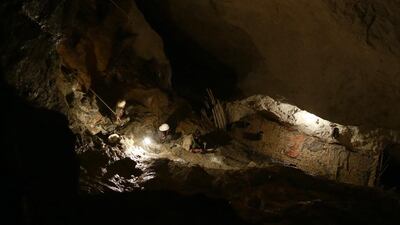
Workers set-up handmade dynamite inside a ruby mine in Mogok. Unscrupulous mining by joint ventures with the Myanmar government, using heavy machinery, has left the town with dumps and craters. Soe Zeya Tun / Myanmar -
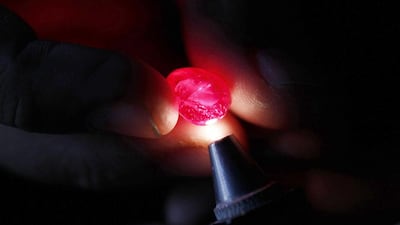
A ruby cutter inspects a ruby in Mogok. Myanmar rubies are preferred for their clarity and quality, particularly those with the 'Pigeon's Blood' hue. Soe Zeya Tun / Reuters
In pictures: Myanmar’s precious stones
Most popular today

