

India and Malaysia are among several Asian countries restricting exports of certain key commodities as nations try to safeguard supplies over concerns of food security and inflation.
Thai producers of sugar, chicken and rice look set to benefit as they enjoy strong harvests this year after back-to-back droughts.
Meanwhile, Brazilians faced the highest-ever levels of hunger in the pandemic, disproportionately affecting the poor and women.
In the US, consumer spending held up well despite decades-high inflation, and showed more evidence that they’re dipping into their savings to support purchases. China’s economy remained deep in a slump in May as Covid-19 lockdowns continued to weigh on activity.
Here are some of the latest developments in the global economy:
World
India will restrict sugar exports as a precautionary measure to safeguard its own food supplies, another act of protectionism after banning wheat sales about two weeks ago. The country was the world’s largest sugar exporter after Brazil last year, and counts Bangladesh, Indonesia and Malaysia among its top customers.
The double crises of Russia’s invasion of Ukraine and China’s new pandemic lockdowns are jolting the world recovery by exacerbating inflation and hurting growth, research from Bloomberg Economics shows.
Central banks in Pakistan, Ghana, Israel, Nigeria, New Zealand, South Korea and Guatemala hiked interest rates this week.
Policymakers in Russia cut rates in an effort to prop up its economy, but it has still boosted more than lowered rates for the year.
Asia
China’s economy remained deep in a slump in May as lockdowns continued to weigh on activity, and as the threat of Omicron and expanded restrictions dampened sentiment. That’s the outlook based on Bloomberg’s aggregate index of eight early indicators for this month.
A plate of chicken rice, one of Singapore’s most popular meals, is poised to become more expensive after Malaysia moved to restrict exports.
“If it’s persistent and, more worryingly, reflective of more protectionist measures by other countries over food security and inflation concerns, then this could be a lose-lose scenario for everyone,” said Selena Ling, head of treasury research and strategy at Oversea-Chinese Banking.
Thailand — a major exporter of sugar, chickens and rice — looks set to benefit as many of its Asian neighbours limit shipments of agricultural commodities to shelter consumers from surging prices.
The rising food protectionism and price rallies are welcome news for Thai producers who are enjoying strong harvests this year after back-to-back droughts.
Emerging markets
Brazil consumer prices jumped more than forecast on food and transportation costs, as policymakers weigh how much longer they will extend interest rate hikes.
Brazil endured its highest levels of hunger on record during the coronavirus pandemic, a new report said, highlighting the acute struggles facing the poor before elections in Latin America’s largest economy.
Wheat shortages affect Lebanese bakeries — in pictures
-

A baker holds up a seeded white loaf of bread at a bakery in Beirut, Lebanon, which faces a food crisis because of war in Europe. All photos: Bloomberg -
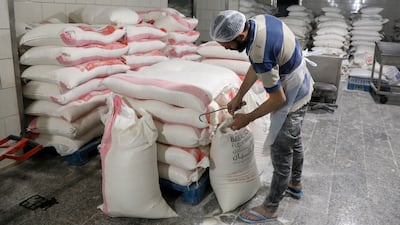
A worker opens a sack of flour to prepare bread dough in Beirut. Lebanon's wheat importers are already rationing flour sales to counter panic buying. -
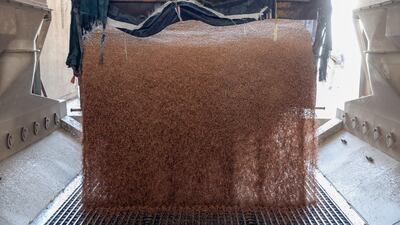
Lebanon, already suffering from years of financial crisis, has faced new problems since Russia invaded Ukraine in February. -
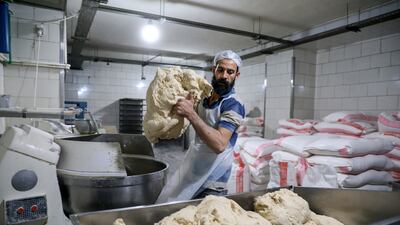
Lebanon normally buys 96 per cent of its wheat from Russia and Ukraine. -

The war between two of the world's biggest wheat exporters has sparked fears of a food crisis in many Middle Eastern countries. -
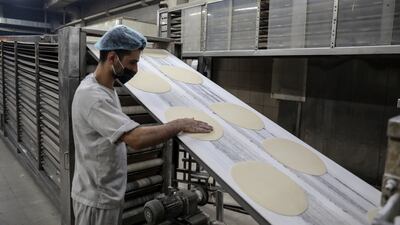
Lebanese importers are struggling to get dollars from a subsidy programme to buy wheat from new suppliers. -
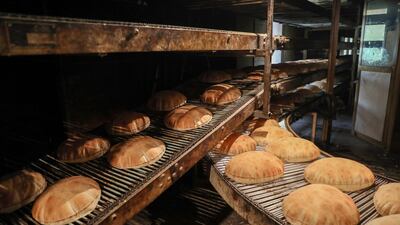
As countries try to secure new sources of wheat, cash-strapped Lebanon's small market of 6 million people could go without. -
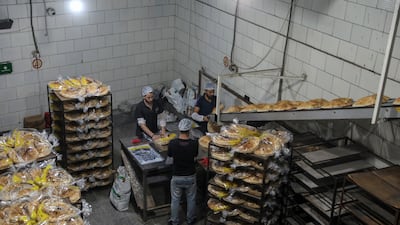
Lebanon lacks grain storage after silos were destroyed in the 2020 Beirut Port blast. -

The country needs 50,000 tonnes of wheat to feed its people for a month. -
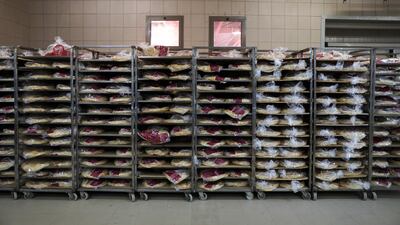
Subsidies keep the price of bread in Lebanon artificially low. -
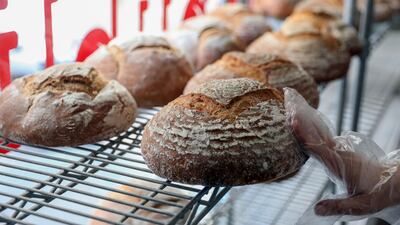
But a loaf now costs on average 10,000 Lebanese pounds, or $0.45, more than six times the price in 2019. -

Millers estimate that without subsidies, prices could more than double. -

Analysts fear that could cause social unrest in a country where three quarters of the population now live in poverty.


US
US inflation-adjusted consumer spending rose in April by the most in three months, indicating households were holding up in the face of persistent price pressures by dipping into savings.
US residential electricity rates have been surging for months and are poised to climb even higher this summer on a combination of tight supplies of natural gas and coal, an unrelenting drought in the Western US, and a nationwide forecast for extreme heat.
Europe
Investments in Germany supported Europe’s largest economy in the first quarter, allowing it to cope with the headwinds caused by the pandemic and the war in Ukraine.

