


Working as a crew member for an international airline is considered one of the more glamorous jobs available because of the opportunity to travel the world.
But that has not necessarily been the case since the onset of the coronavirus pandemic.
The crew and staff of Hong Kong's Cathay Pacific spent the equivalent of 200 years in quarantine accommodation last year, chairman Patrick Healy said while announcing the airline’s 2021 annual results on Wednesday.
That figure can be broken down into more than 62,000 nights in quarantine hotels and another 11,000 at the city’s Covid-19 isolation facility, which is located less than a kilometre from the Hong Kong Disneyland theme park at Penny’s Bay on Lantau Island.
“Collectively, our crew took over 230,000 Covid-19 tests in 2021, with only 16 positive cases, despite our people, who are, of course, all fully vaccinated, flying continuously to many of the highest-risk countries in the world,” Mr Healy said.
“The professionalism they have shown in upholding safe operations throughout this period has been unparalleled.”
________________________
World's safest airlines 2022
-
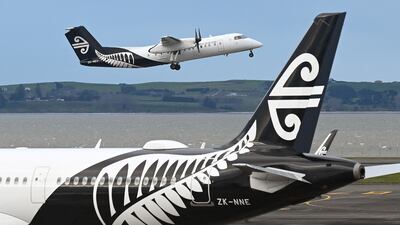
1. Air New Zealand. AFP -
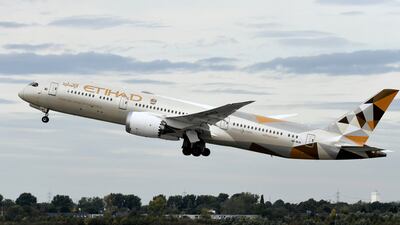
2. Etihad Airways. AFP -
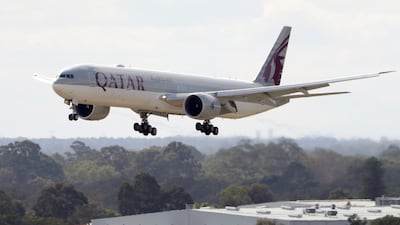
3. Qatar Airways. EPA -
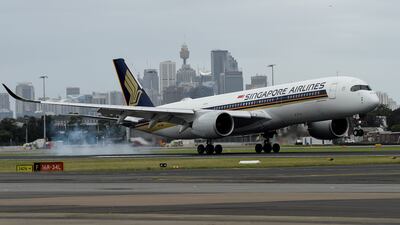
4. Singapore Airlines. EPA -

5. TAP Air Portugal. Reuters -

6. Scandinavian Airlines (SAS). Reuters -

7. Qantas. Reuters -
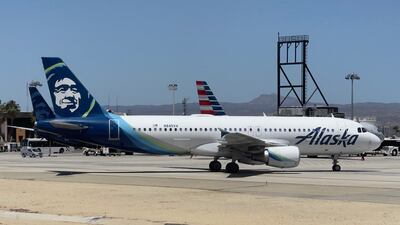
8. Alaska Airlines. AFP -

9. EVA Air. EPA -
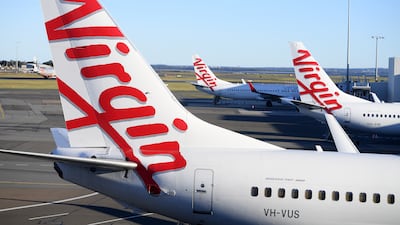
10. Virgin Australia/Atlantic. EPA -

11. Cathay Pacific. Getty Images -

12. Hawaiian Airlines. Reuters -
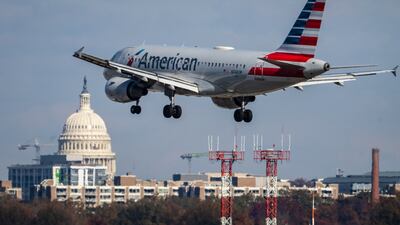
13. American Airlines. AFP -
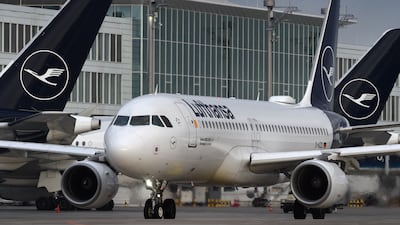
14. Lufthansa/Swiss Group. AFP -
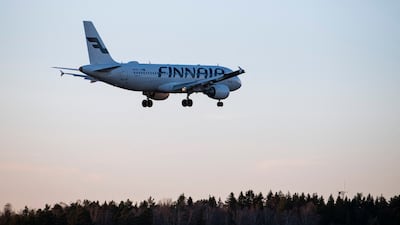
15. Finnair. AFP -
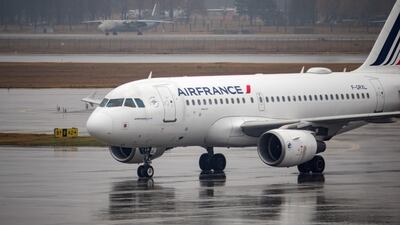
16. Air France-KLM Group. Getty Images -
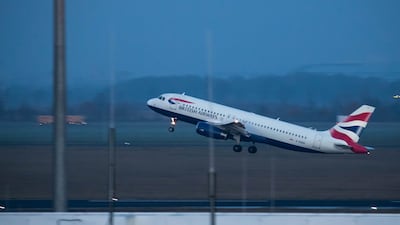
17. British Airways (BA). EPA -
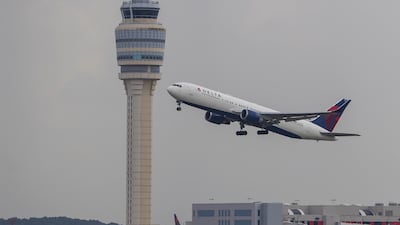
18. Delta Air Lines. EPA -
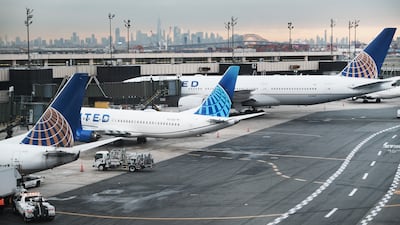
19. United Airlines. AFP -

20. Emirates. Reuters


________________________
Early last year, the airline took extreme measures to cope with new rules that required flight crew to quarantine in Hong Kong. It introduced a rotation policy that put staff out of action for about one month at a time after they had completed 21-day shifts.
Once the three-week shift was over, the staff had to self-isolate for 14 days in a hotel in Taikoo Shing, on the eastern side of Hong Kong Island. They then received 14 days' leave, bringing the full duty cycle to 49 days, Bloomberg reported.
In January, Hong Kong chief executive Carrie Lam blamed the airline for the first Omicron outbreak in the territory and ordered an investigation into claims that Cathay was not complying with regulations.
Meanwhile, Cathay reported a narrower net loss of HK$5.5 billion ($703 million) in 2021, down from a record HK$21.6bn the previous year.
“The second half of the year is traditionally stronger than the first half and this was the case for us in 2021,” said Mr Healy.
“The exceptional performance of our cargo business, especially during the second-half peak season, was extremely encouraging. Nevertheless, we continued to face serious challenges and, despite the considerable improvement in results in the second half of the year, our overall loss for the full year was still substantial.”

