


Twitter boss Elon Musk must do more to fight disinformation to comply with European Union law, warned the bloc's top official for enforcing digital regulation.
Thierry Breton, the EU commissioner for the internal market, held a video call with Mr Musk and told him “there is still huge work ahead” to bring the platform in line with Brussels' rules.
Mr Breton posted a brief, silent video clip of his videoconference on Mr Musk's platform Twitter, but followed it up with a link to a longer statement on the rival Mastodon network.
“I welcome Elon Musk's statements of intent to get Twitter 2.0 ready for the DSA,” Mr Breton said, referring to the EU Digital Services Act, Brussels' overarching internet law
“But let's also be clear that there is still huge work ahead.
“Twitter will have to implement transparent user policies, significantly reinforce content moderation and protect freedom of speech, tackle disinformation with resolve and limit targeted advertising.”
He also warned Silicon Valley companies to be prepared for a European audit of their procedures.
Mr Musk did not directly reply to Mr Breton's post but in a separate tweet responding to another user, he agreed that under previous management, Twitter had “failed in trust and safety for a very long time”.
“Twitter 2.0 will be far more effective, transparent and even-handed,” he promised.
Celebrities who've quit Twitter following Elon Musk takeover — in pictures
-
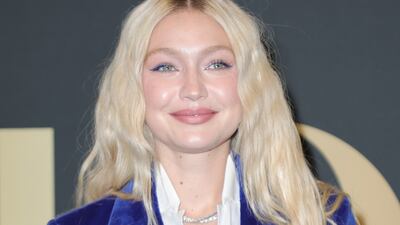
Gigi Hadid has deactivated her Twitter account following Elon Musk's takeover of the platform, saying 'it's becoming more and more of a cesspool of hate and bigotry with the new leadership'. AFP -
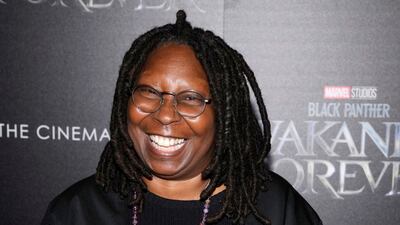
Whoopi Goldberg said she was getting off Twitter because 'it’s so messy'. AP -
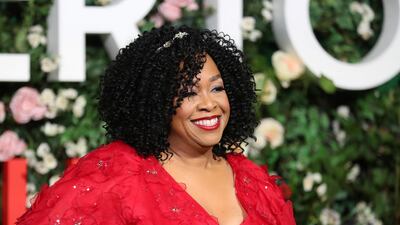
Producer Shonda Rhimes quit the platform days after Elon Musk took over. Reuters -
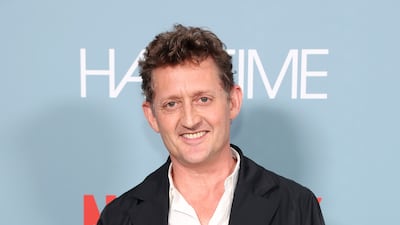
Actor and filmmaker Alex Winter's account has also been deactivated. AFP -
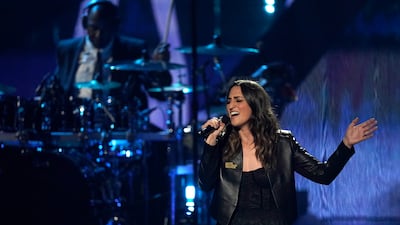
Grammy-winning singer Sara Bareilles said Twitter was no longer for her. AP -
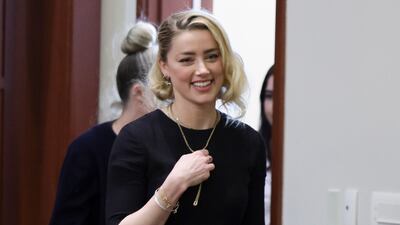
Actor Amber Heard, who once dated Elon Musk, has also deactivated her account. AP -
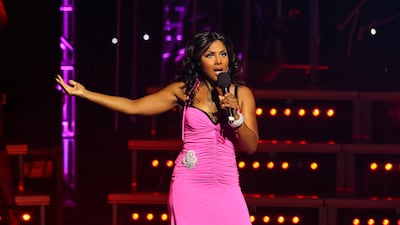
Singer Toni Braxton, who has also quit, said she was not comfortable with 'hate speech under the veil of free speech'. Alamy Stock Photo -
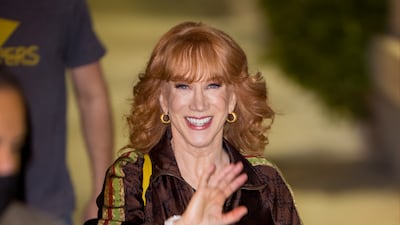
Comedian Kathy Griffin's Twitter account was suspended after she changed her name to 'Elon Musk'. GC Images -
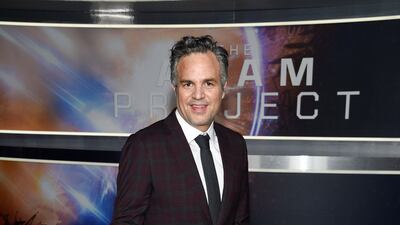
'Avengers' star Mark Ruffalo has pleaded with Elon Musk to 'get off Twitter and get on with running Tesla and SpaceX'. AP


The DSA was passed last year and will enter into force next year after tech companies have had time to comply with stricter European orders to remove harmful or deliberately misleading content.
Firms that are found not to be in compliance face fines of up to 6 per cent of their global turnover or even a ban on operating in the EU, a huge market of more than 440 million people.
Tech companies lobbied EU policymakers heavily before the law passed but most say they will strive to comply with the rules — though Mr Musk's behaviour since buying Twitter last month has raised alarm.
What is Mastodon, the site that a lot of people are ditching Twitter for? — video
A self-described “free speech absolutist”, Mr Musk has already sacked many of the Twitter employees whose jobs focused on content moderation and maintaining ties with Brussels regulators.
He has also begun to allow Twitter users banned from the platform for posting misinformation, such as former US president Donald Trump, to return.
On Wednesday, it surfaced that Twitter has also stopped enforcing a rule preventing users from sharing misleading information about Covid-19 and vaccine effectiveness.
Such moves represent red flags for Brussels, anxious to know whether a large and influential platform such as Twitter will fall into line with the DSA.
10 most-followed celebrities on Twitter — in pictures
-
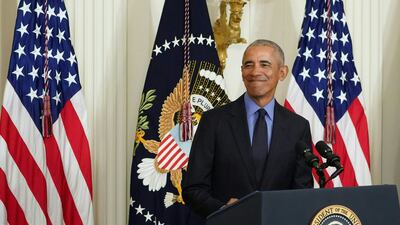
Former US president Barack Obama has the most-followed account on Twitter and is a prolific tweeter. AFP -

Canadian singer-songwriter Justin Bieber has the second most-followed account but has only posted once in 2022. He's prolific on Instagram, however. AFP -
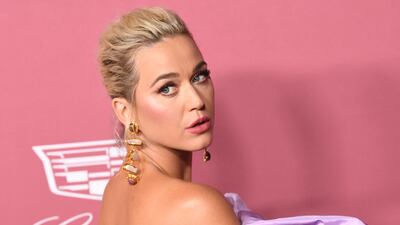
US singer-songwriter Katy Perry comes in third and is active on Twitter, but not particularly prolific. AFP -

Rihanna has the fourth most-followed account, but has posted less than 10 times per month in 2022 so far. Getty Images via AFP -
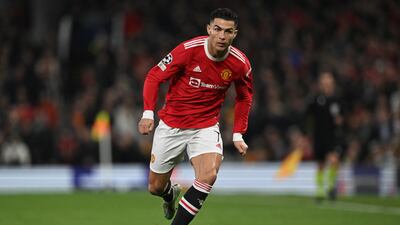
Cristiano Ronaldo, who has the fifth most-followed account, keeps us updated several times a month, but is far more active on Instagram. AFP -

Taylor Swift, who has had a love-hate relationship with social media, has the sixth most-followed Twitter account and yet rarely uses the platform. Getty Images via AFP -
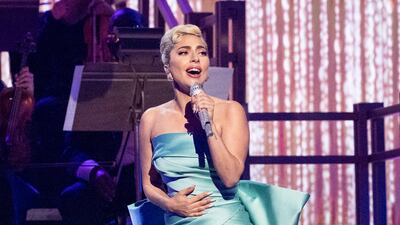
Lady Gaga has the seventh most-followed Twitter account and is fairly active, but uses Instagram a bit more. Getty Images via AFP -
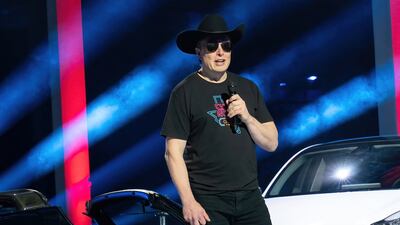
Elon Musk, who has the eighth most-followed Twitter account, is the biggest individual shareholder in the parent company and its newest board member, and is among the most prolific users. AFP -
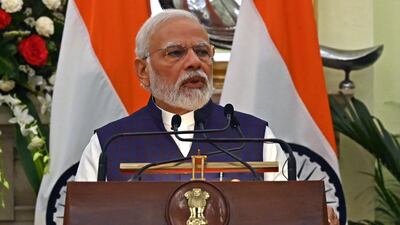
India's Prime Minister Narendra Modi uses Twitter regularly, with several posts per day, and has the ninth most-followed account. AFP -
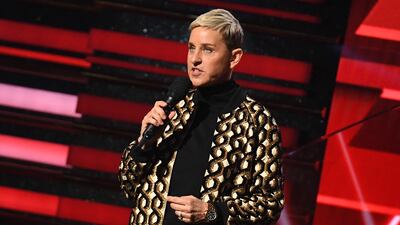
US comedienne Ellen DeGeneres keeps her 77.5 million followers updated several times per day. AFP



