
The US Federal Reserve raised its target interest rate by three quarters of a percentage point on Wednesday to stem a disruptive surge in inflation.
The rate increase was the biggest made by the US central bank since 1994 and was delivered after recent data showed little progress in its inflation battle.
The Fed also projected a slowing economy and rising unemployment in the months to come.
-
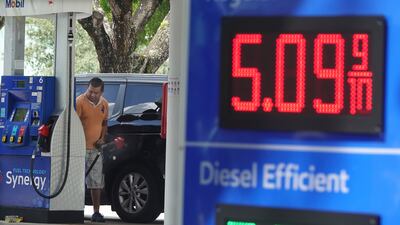
For the first time ever, the price for a gallon of regular petrol has hit more than $5. AP -

US President Joe Biden speaks about the economy and inflation at the Port of Los Angeles in California. AFP -
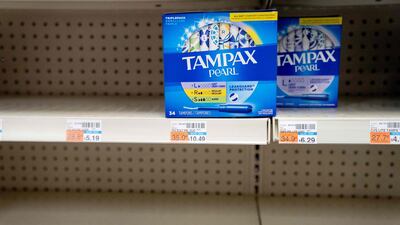
Tampons have reportedly been in short supply in stores across the US due to global supply chain issues. AFP -
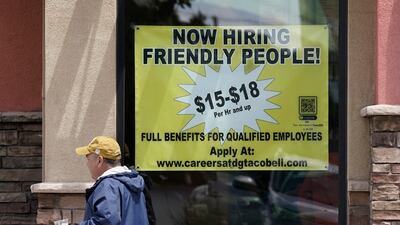
Pay rates displayed at a Taco Bell fast food outlet in Sacramento, after the California minimum wage was increased due to inflation. AP -
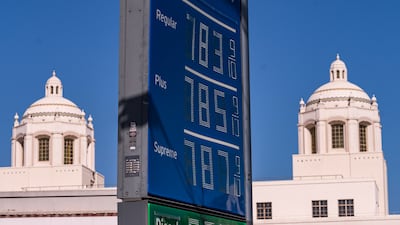
Various grades of petrol, with prices above $7 per gallon, are displayed at a Chevron gas station in central Los Angeles, California. AP -
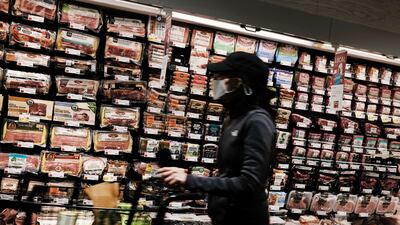
The rising cost of items including clothing, food, petrol and cars is hitting Americans' pockets, despite historically low unemployment. AFP -
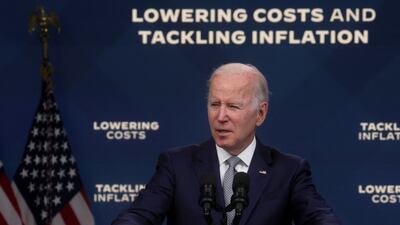
Mr Biden announces plans to fight inflation and lower costs. Reuters -
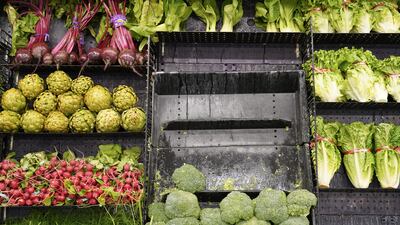
Supermarkets across the US are struggling to keep shelves stocked because of supply chain issues. Willy Lowry / The National -
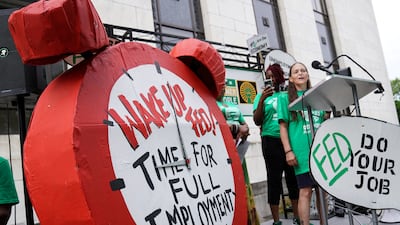
Protesters with the Centre for Popular Democracy stage a demonstration in support of employment rights in June 2022. Reuters -

Diners in San Francisco, California. With prices so high, many US consumers say they are cutting back on eating out. AFP -

Bags of purchases from a Dollar Tree store in Jackson, Mississippi. The company sells items at $1. AP -
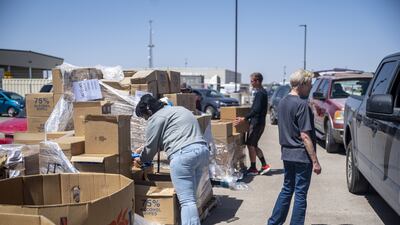
Volunteers gather food to hand out at a West Texas Food Bank drive-through in Odessa, Texas. Bloomberg -
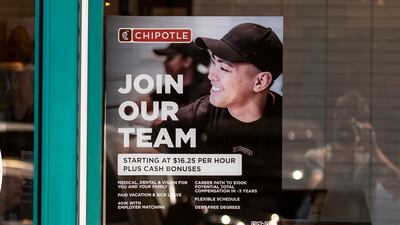
A hiring poster at a Chipotle fast food restaurant in Los Angeles, California. US unemployment stands at 3.6 per cent, about 0.1 per cent above a 50-year low in 2019. EPA -

Supermarket shoppers in Rosemead, California. High food prices are causing hardship for some Americans. AFP -
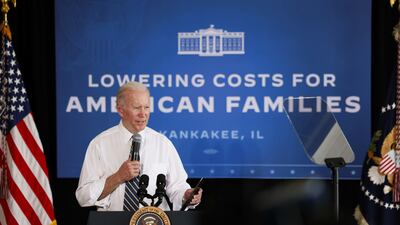
Mr Biden speaks on lowering costs for American families in Illinois. Bloomberg -
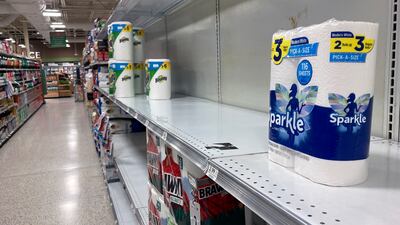
Nearly empty shelves in a supermarket in Orlando, Florida. AP


“We thought strong action was warranted at this meeting,” Fed Chairman Jerome Powell said in a press conference after a two-day meeting. “And we delivered that.”
US central bank officials flagged a faster path of increases in borrowing costs to come as well, more closely aligning monetary policy with a rapid shift this week in financial market views of what it will take to bring price pressures under control.
"Inflation remains elevated, reflecting supply and demand imbalances related to the pandemic, higher energy prices and broader price pressures," the central bank's policy-setting Federal Open Market Committee said in a statement at the end of its latest two-day meeting in Washington.
"The committee is strongly committed to returning inflation to its 2 per cent objective."
The action raised the short-term federal funds rate to a range of 1.50 per cent to 1.75 per cent, and Fed officials at the median projected the rate increasing to 3.4 per cent by the end of this year and 3.8 per cent in 2023 — a substantial shift from projections in March in which the rate was projected to rise to 1.9 per cent this year.
-
Various grades of petrol, with prices above $7 per gallon, are displayed at a Chevron gas station in downtown Los Angeles, California. AP -
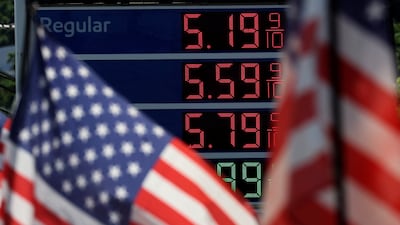
Petrol prices are displayed at an Exxon gas station behind American flag in Edgewater, New Jersey. Reuters -
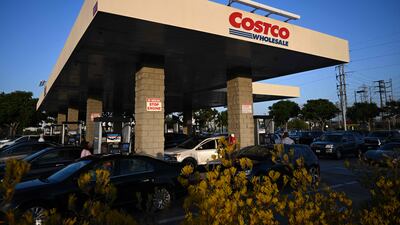
Drivers in Hawthorne, California wait in line to pump fuel as the price of regular petrol reaches above $5.89 a gallon and premium fuel tips over $6 per gallon. AFP -
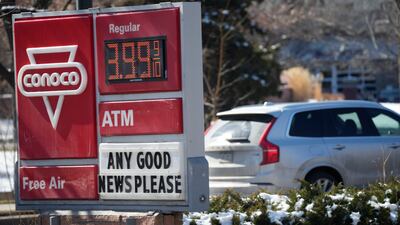
'Any good news please' sign seen along with a price for a gallon of petrol at a service station in Denver, Colorado. AP -

Two people wearing masks stand in front of a sign showing the price of petrol outside of a service station in Washington. AFP -
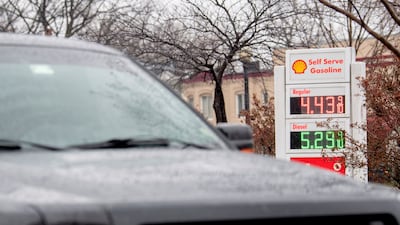
A sign displays petrol prices as a vehicle departs a Shell station in Washington. AFP -
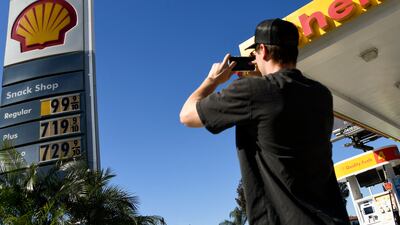
A person takes photographs of petrol prices at a Shell station in Los Angeles, California. AFP -
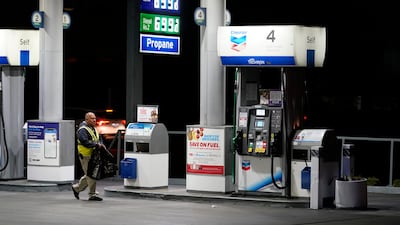
An attendant walks past a pump at a station selling petrol at almost $7 a gallon in Los Angeles, California. AP -
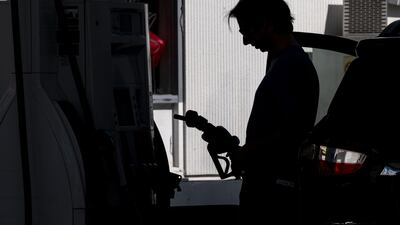
A driver holds a fuel nozzle at a Shell station in San Francisco, California. Bloomberg -

Two people wearing masks walk in front of a sign showing the price of petrol outside of a station as prices reach record highs in Washington. AFP -

An electrical contractor repairs a sign with petrol prices in Los Angeles, California. AFP -
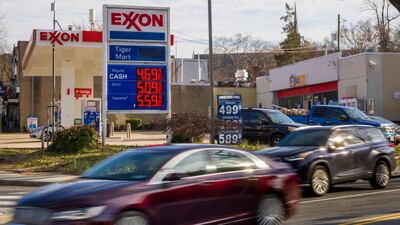
Cars drive near a petrol station in Washington. AFP -
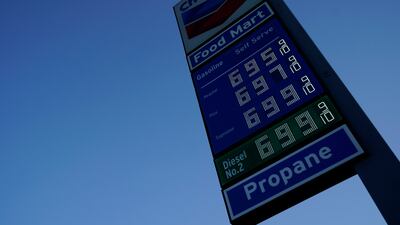
Petrol prices are advertised at almost $7 a gallon in Los Angeles, California. AP


The stricter monetary policy was accompanied by a downgrade to the Fed's economic outlook, with the economy now slowing to a below-trend 1.7 per cent rate of growth this year, with unemployment rising to 3.7 per cent by the end of this year and continuing to rise to 4.1 per cent through 2024.
President Joe Biden has fully endorsed the Fed's battle against the steepest rise in prices in more than 40 years, as he watches inflation erode his popularity and deflect attention from other milestones, including a rapid recovery of the world's largest economy and record job growth.
US central bankers began raising interest rates off zero in March as buoyant demand from American consumers for homes, cars and other goods clashed with transport and supply chain snarls in parts of the world where Covid-19 remained — and remains — a challenge.
That fuelled inflation, which worsened after Russia invaded Ukraine in late February and western nations imposed steep sanctions on Moscow, sending food and fuel prices up at a blistering rate.
US petrol prices have topped $5 a gallon for the first time ever and are setting new records daily.
Economists thought March was the peak for consumer price rises, but the rate spiked again in May, jumping 8.6 per cent in the last 12 months, and wholesale prices surged as well, almost entirely due to soaring costs for energy, especially petrol.
The Fed was caught off guard with the speed of the price increases and while policymakers usually prefer to clearly telegraph any policy shift to financial markets, the latest data likely changed the calculus.
Mr Powell has indicated policymakers were poised to enact another half-point increase in the benchmark borrowing rate next month, aiming to douse red-hot inflation without tipping the economy into recession and avoid a bout of 1970s-style stagflation.
“I do not expect moves of this size to be common,” he said. “Either a 50 basis point or a 75 basis point increase seems most likely at our next meeting. We will, however, make our decisions meeting by meeting.”
However, the central bank cannot influence supply issues and rate increases only work by cooling demand and slowing the economy — meaning policymakers are walking a fine line between having an impact and doing too much.
But the impact will not be immediate.
“Monetary policy operates with lags, today's inflation reflects decisions taken a year ago,” said Adam Posen, head of the Peterson Institute for International Economics and a former central banker.
“Had Fed hiked in 2021 Q2/Q3, then inflation now would be different — not least [because] the current global shocks wouldn't be piling on already high inflation,” he said on Twitter.
-
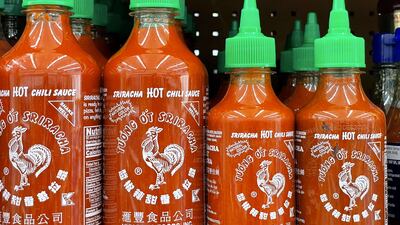
Bottles of Huy Fong Foods Sriracha sauce are displayed on a supermarket shelf in Larkspur, California. Getty Images / AFP -
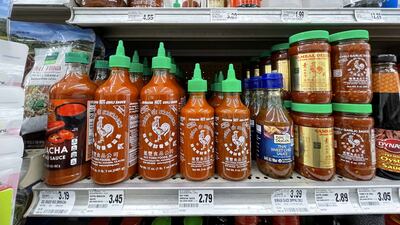
Huy Fong Foods announced that it will temporarily suspend production and will be unable to fill orders placed after mid-April. Getty Images / AFP -

Shelves normally meant for baby formula sit nearly empty at a store in Washington. AFP -
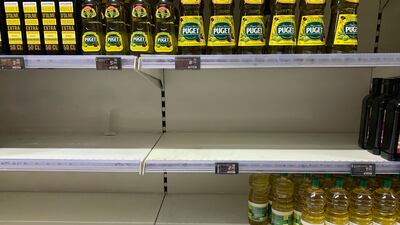
The conflict in Ukraine has caused shortages of certain agricultural products such as sunflower oil. AFP -
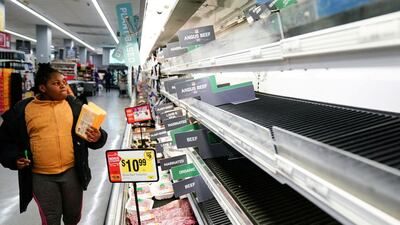
A beef display case is nearly empty at a Giant Food grocery store in Washington. Reuters -
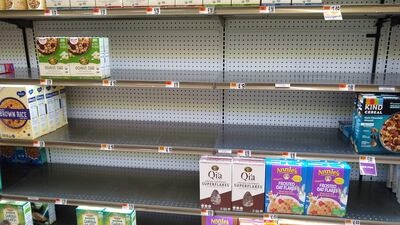
Grocery stores still have empty shelves amid supply chain disruptions, coronavirus, weather delays and war. AFP -
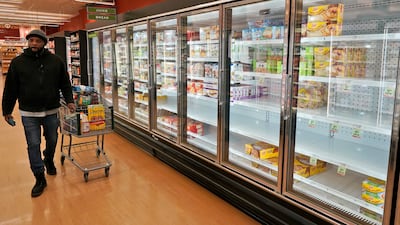
A customer walks past empty shelves at Heinen's Fine Foods store in Pepper Pike, Ohio. AP -
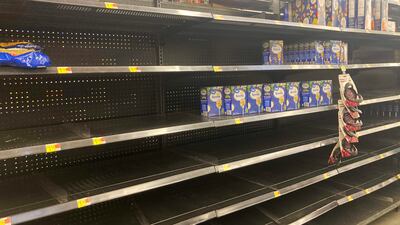
Shelves sit mostly empty in January at a Walmart in Anchorage, Alaska. AP -
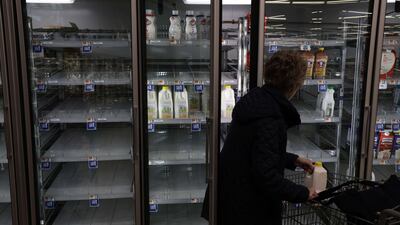
A woman takes a jug of milk off of depleted refrigerated shelves at a Giant Food store in Springfield, Virginia. Getty Images / AFP -
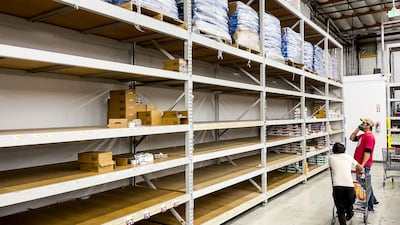
A man browses largely empty shelves at a Pet Club in Emeryville, California. AP


Agence France-Presse contributed to this report

