

Female filmmakers who fled the Taliban begged the world to not forget the Afghan people and to support its artists, warning that a country without culture will eventually lose its identity.
The Venice Film Festival organised a panel discussion on Saturday to give a platform to Sahraa Karimi, the first female president of the Afghan Film Organisation, and documentary filmmaker Sahra Mani, who is presenting a project at the Venice film market fair.
Karimi choked up while telling reporters about her own escape – in which she had only hours to decide whether to stay or leave – and all that had been lost after the Taliban completed their takeover of the country.
She cited numerous films that were in pre and post-production, filmmaking workshops that had been organised, insurance policies negotiated for equipment, and said that Afghan directors were increasingly being welcomed at international film festivals. Karimi presented a film at the Venice Film Festival in 2019.
See photos of this year's Venice Film Festival opening ceremony below:
-

Penelope Cruz, wearing Chanel, attends the red carpet for 'Madres Paralelas' during the 78th Venice International Film Festival on September 1, 2021. Getty Images -
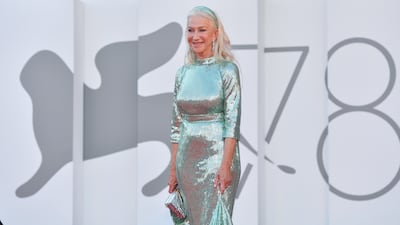
Helen Mirren, wearing Dolce & Gabanna, attends the red carpet for 'Madres Paralelas' during the 78th Venice International Film Festival on September 1, 2021. EPA -
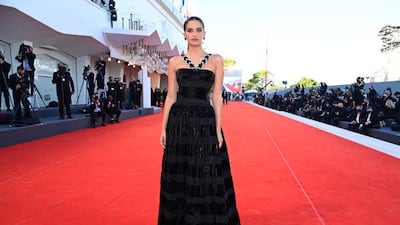
Sara Sampaio, in Armani Prive, attends the red carpet for 'Madres Paralelas' during the 78th Venice International Film Festival on September 1, 2021. Getty Images -
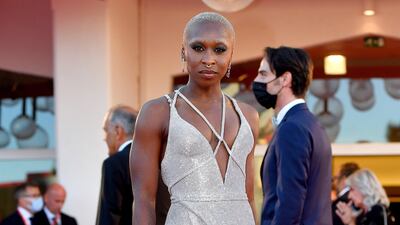
Jury member Cynthia Erivo, in Versace, arrives for the opening ceremony of the 78th annual Venice International Film Festival. EPA -
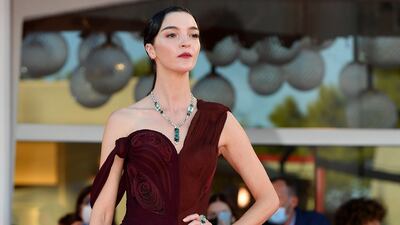
Italian model Mariacarla Boscono arrives for the opening ceremony of the 78th annual Venice International Film Festival. EPA -

Jury member Virginie Efira, in a cream scoop-neck gown, arrives for the opening ceremony and screening of 'Madres Paralelas' at the 78th annual Venice International Film Festival. EPA -

Model Barbara Palvin, in Armani Prive, attends the red carpet for 'Madres Paralelas' during the 78th Venice International Film Festival on September 1, 2021. Getty Images -

Brazilian model Adriana Lima, in a red sequin Etro dress, attends the red carpet for 'Madres Paralelas' during the 78th Venice International Film Festival on September 1, 2021. Getty Images -
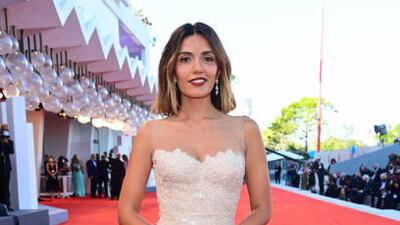
Hostess of the festival, Serena Rossi, in a blush lace gown, attends the red carpet for 'Madres Paralelas' during the 78th Venice International Film Festival on September 1, 2021. Getty Images -
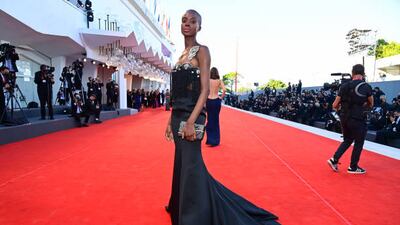
Madisin Rian attends the red carpet for 'Madres Paralelas' during the 78th Venice International Film Festival on September 1, 2021. Getty Images -
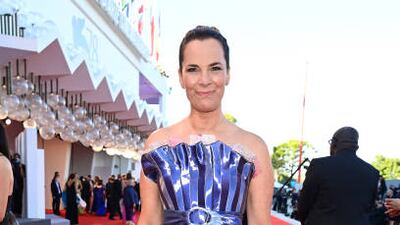
Roberta Armani, in a metallic strapless gown, attends the red carpet for 'Madres Paralelas' during the 78th Venice International Film Festival on September 1, 2021. Getty Images -

Chorouk Chelouati, in an asymmetric gown, attends the red carpet for 'Madres Paralelas' during the 78th Venice International Film Festival on September 1, 2021. Getty Images -

Jury Member Sarah Gadon, in a black strapless embellished gown, attends the red carpet for 'Madres Paralelas' during the 78th Venice International Film Festival on September 1, 2021. Getty Images -
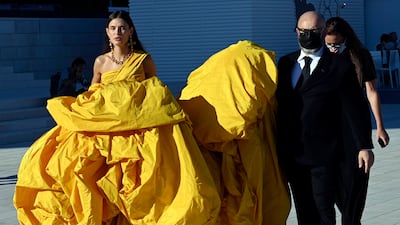
Italian model Bianca Balti, in a 'Beauty and the Beast' inspired Dolce & Gabbana gown, attends the red carpet for 'Madres Paralelas' during the 78th Venice International Film Festival on September 1, 2021. Getty Images -
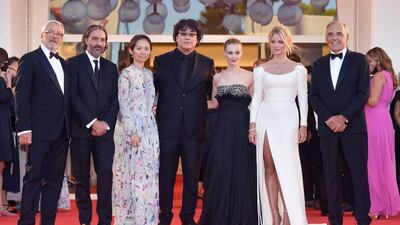
From left, Roberto Cicutto, president of the Venice Biennale, director Saverio Costanzo, director Chloe Zhao, director Bong Joon-ho, actress Sarah Gadon, actress Virginie Efira and festival director Alberto Barbera attend the red carpet for 'Madres Paralelas' during the 78th Venice International Film Festival on September 1, 2021. EPA -
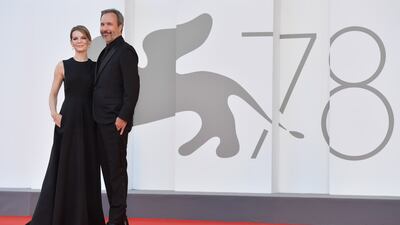
Director Denis Villeneuve, right, and Tanya Lapointe attend the red carpet for 'Madres Paralelas' during the 78th Venice International Film Festival on September 1, 2021. Getty Images -
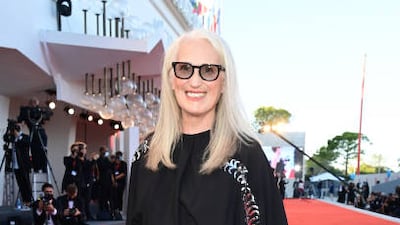
Jane Campion attends the red carpet for 'Madres Paralelas' during the 78th Venice International Film Festival on September 1, 2021. Getty Images -

Mohammed Al Turki attends the red carpet for 'Madres Paralelas' during the 78th Venice International Film Festival on September 1, 2021. Getty Images -
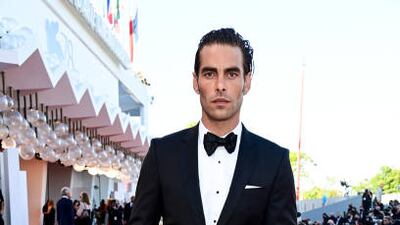
Model Jon Kortajarena, in a classic tux, attends the red carpet for 'Madres Paralelas' during the 78th Venice International Film Festival on September 1, 2021. Getty Images -
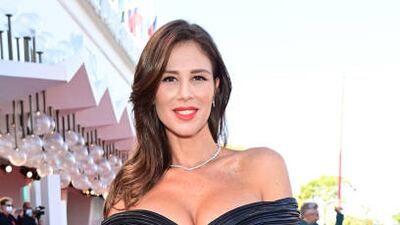
Caterina Milicchio, in a black sweetheart gown, attends the red carpet for 'Madres Paralelas' during the 78th Venice International Film Festival on September 1, 2021. Getty Images -
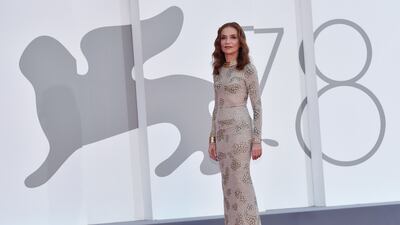
French actress Isabelle Huppert, in a nude embellished gown, attends the red carpet for 'Madres Paralelas' during the 78th Venice International Film Festival on September 1, 2021. EPA -

Marta Losito, in hot pink, attends the red carpet for the film 'Madres Paralelas' during the 78th Venice International Film Festival on September 01, 2021. Getty Images -
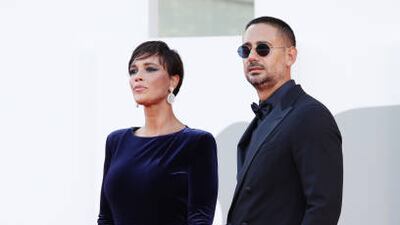
Roberta Giarrusso, in navy, and Riccardo Di Pasquale, in black, attend the red carpet for 'Madres Paralelas' during the 78th Venice International Film Festival on September 1, 2021. Getty Images -
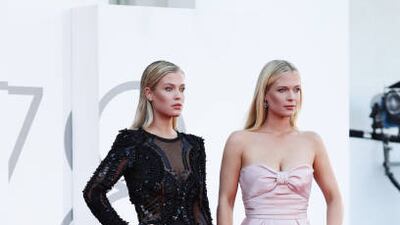
Lady Amelia Spencer and Lady Eliza Spencer attend the red carpet for 'Madres Paralelas' during the 78th Venice International Film Festival on September 1, 2021. Getty Images -

Mariacarla Boscono and British 'Vogue' editor Edward Enninful attend the red carpet for 'Madres Paralelas' during the 78th Venice International Film Festival on September 1, 2021. Getty Images -

Aitana Sanchez-Gijon, in a strapless navy gown, attends the red carpet for 'Madres Paralelas' during the 78th Venice International Film Festival on September 1, 2021. Getty Images -
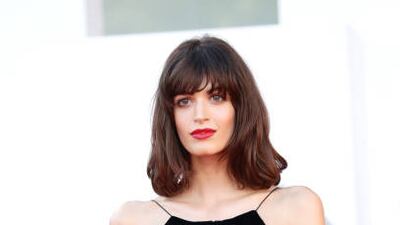
Greta Ferro, in a cut-out black gown, attends the red carpet for 'Madres Paralelas' during the 78th Venice International Film Festival on September 1, 2021. Getty Images


“It was our dream to change the narrative of Afghanistan, because we were tired of those cliches about Afghanistan,” she said. “We wanted to produce films, movies and to tell our stories from different angles, from different perspectives, to show the beauty of our country.”
But she said all of that has been lost, and that the country’s burgeoning filmmaking community had either fled or gone into hiding, with its archives now under Taliban control.
“Imagine a country without artists, a country without filmmakers, how can they defend its identity?” Karimi asked. “Maybe we are not political ambassadors, but we are ambassadors for our stories, we are ambassadors of our identity.
“We are those people that represent our identity to the world, through our films, through our music, through our creative works. But we are now homeless.”
Karimi said she decided to flee on the morning of August 15, with only a few hours to make “the most difficult decision of your life: stay or leave”.
She said many of Afghanistan’s youngest and brightest left too, but said thousands more promising filmmakers couldn’t get out and are now erasing their social media presence for their own safety and going underground.
Mani said even under the corrupt rule of Afghanistan’s ousted government, she had remained despite the daily security risks and everyday hassles – electricity cuts, internet outages – because she wanted to rebuild the country and restart its cultural life.
“We stayed. We were optimists,” she said. But with the Taliban takeover, “it means we don’t have anything to fight for. We lost everything.”
- Reporting by Associated Press

