


Conservative leadership candidate Rishi Sunak said he would not make promises he could not keep when it came to the cost-of-living crisis as he compared his approach to Margaret Thatcher's readiness to say things "that may have been difficult to hear, but were right for the country".
The former chancellor acknowledged Wednesday he is the underdog in the race to become the next prime minister but insisted it was important the public had the chance to debate the "very clear difference" between the two candidates' approaches.
Liz Truss defended herself against accusations her economic proposals were dangerous, saying she was challenging “Treasury orthodoxy”, during the latest hustings event as Mr Sunak used the event to say that millions of UK households could face “destitution” without further aid this winter.
The cost-of living-crisis dominated the latest debate as both candidates clashed at the latest leadership hustings at Birmingham’s National Exhibition Centre.
“This whole language of ‘unfunded’ tax cuts implies the static model, the so-called abacus economics that the Treasury orthodoxy has promoted for years, but it hasn’t worked in our economy because what we have ended up with is high tax, high spending and low growth,” Ms Truss told the audience of Tory members.
“That is not a sustainable model for Britain’s future.”
Ms Truss sought to pitch her proposals as a new economic model before the hustings, claiming that “business as usual” could not go on.
Chancellor Nadhim Zahawi claimed that Ms Truss “understands the economics of growth” as he introduced the foreign secretary.
UK Conservatives on the leadership campaign trail — in pictures
-
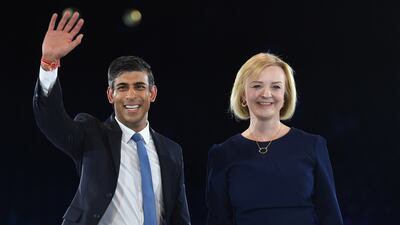
Candidates Rishi Sunak and Liz Truss at the Conservative Party leadership election hustings at Wembley Arena, London. This was the final hustings attended by Tory Party members who will vote for the new leader and next prime minister. EPA -
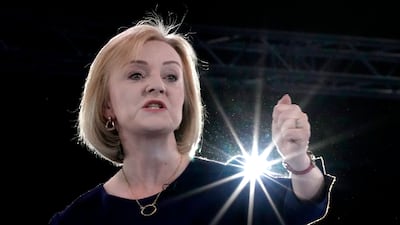
Liz Truss addresses Conservative Party members at Wembley Arena. AP -
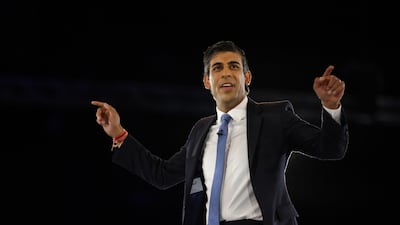
Mr Sunak puts forward his case to be leader while speaking at Wembley Arena. Bloomberg -
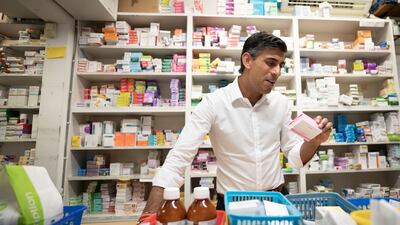
Mr Sunak visits his family's old business, Bassett Pharmacy in Southampton, while on the campaign trail. Reuters -

Ms Truss speaks to staff at Condimentum Ltd at the Food Enterprise Park in Norwich. Getty Images -
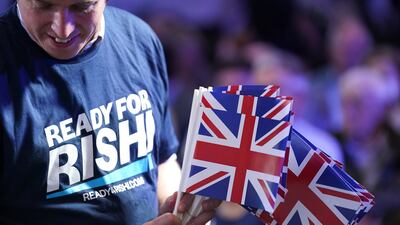
A Rishi Sunak supporter at a hustings event in Norfolk. PA -
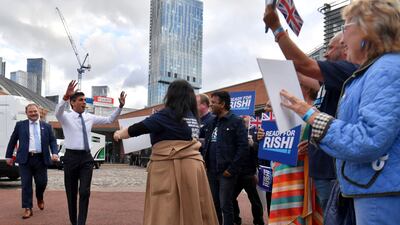
Mr Sunak greets people at a leadership hustings in Manchester. Bloomberg -
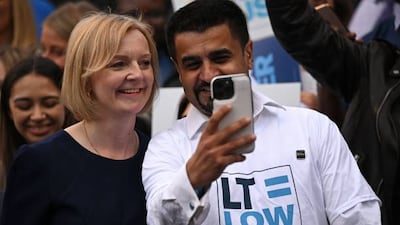
Ms Truss poses for a selfie with a supporter as she arrives for the event in Manchester. Getty -
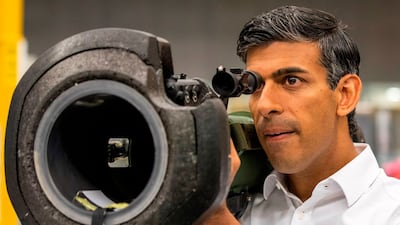
Rishi Sunak looks through the sights of an anti-tank missile launcher, supplied to Ukraine, during a visit to the Thales Defence System plant in Belfast, Northern Ireland. AP -
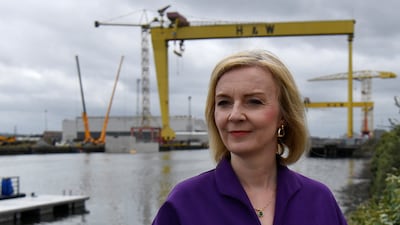
Liz Truss at a Conservative Party leadership campaign event in Belfast. Getty -
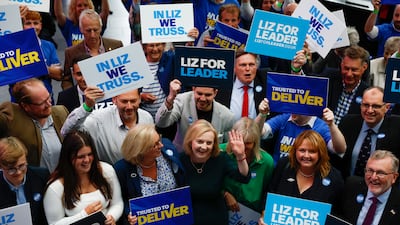
Liz Truss meets supporters before a hustings in Perth, Scotland. Getty -
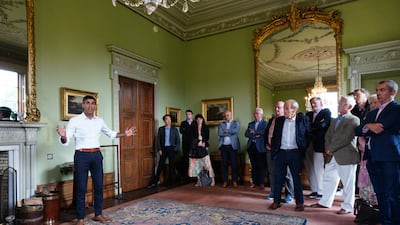
Rishi Sunak speaks during a campaign visit to Cluny Castle in Inverurie, Scotland. Getty -
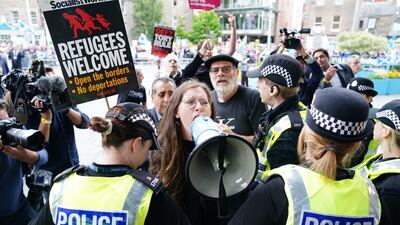
Police hold back protesters outside Perth Concert Hall, Scotland, where Conservative leadership candidates Liz Truss and Rishi Sunak were speaking. PA -
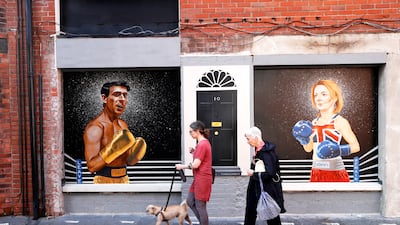
A mural showing the two leadership contestants appears on a wall in Belfast, Northern Ireland. AP -
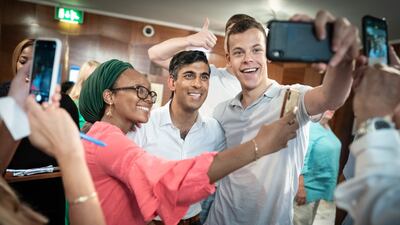
Rishi Sunak during a visit to St John's Wood Synagogue, north London. PA -
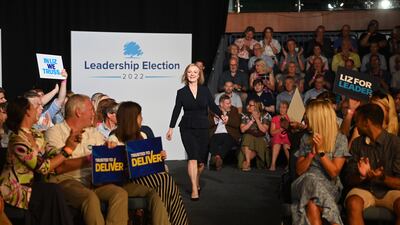
Liz Truss at the Conservative Party leadership election hustings in Cheltenham. EPA -
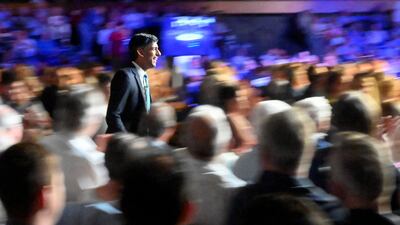
Rishi Sunak during a hustings event in Cheltenham. Reuters -
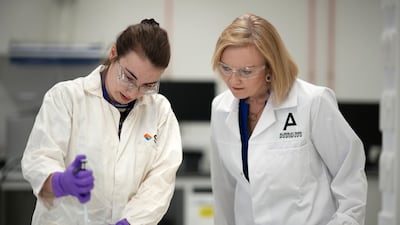
Liz Truss speaks to scientists during a campaign visit to a life sciences laboratory at Alderley Park in Manchester. PA -
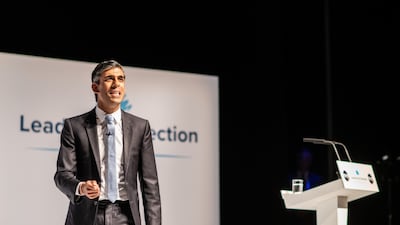
Rishi Sunak during a campaign hustings in Darlington, England. Bloomberg -
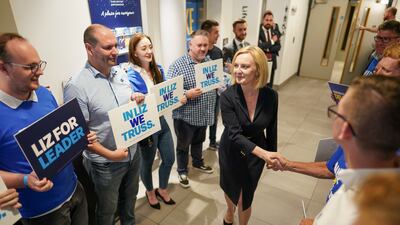
Liz Truss meets party members before she speaks at the Darlington campaign hustings. Getty -
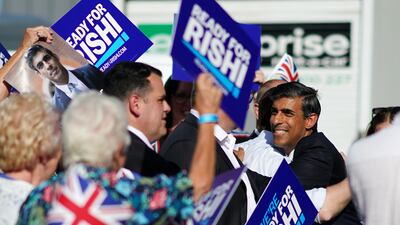
Rishi Sunak arrives for the Darlington hustings. Getty -
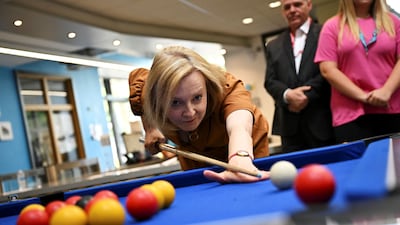
Liz Truss plays pool during a visit to the Onside Future Youth Zone in London. Reuters -
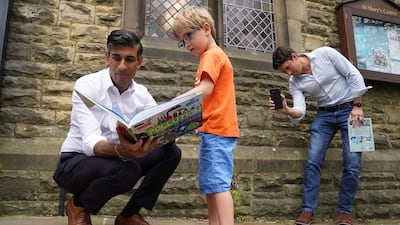
Rishi Sunak looks at a book with Teddy Openshaw, 4, as his father, Henry, looks on after a Conservative leadership campaign event in Ribble Valley, Lancashire, England. Getty -
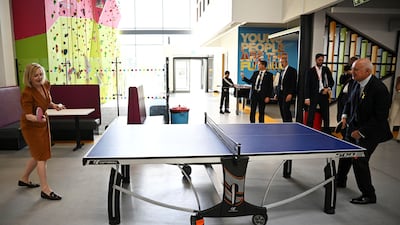
Liz Truss plays table tennis with former Conservative party leader Iain Duncan Smith during a visit to the Onside Future Youth Zone in London. Reuters -
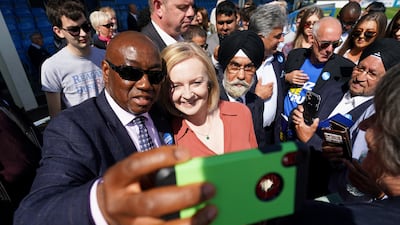
Liz Truss with supporters at a campaign event in Solihull, England. Reuters -
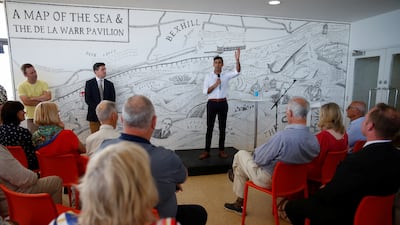
Rishi Sunak attends a campaign event held by his party in Bexhill, England. Reuters -
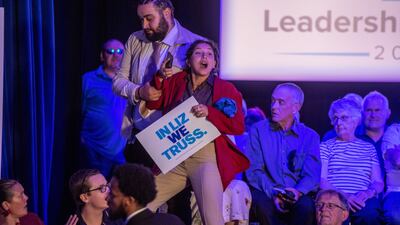
A protester is removed as Ms Truss speaks during the Conservative Party leadership hustings in Eastbourne. Bloomberg -
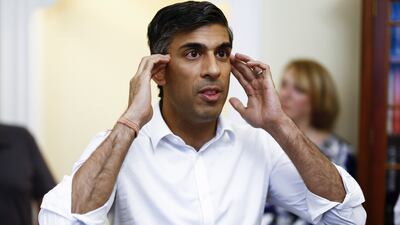
Mr Sunak speaks at an event in Edinburgh. PA -
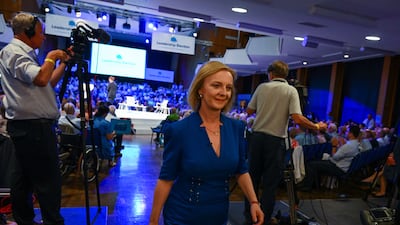
Ms Truss leaves the hall in Exeter, south-west England, after her speech to a Conservative Party membership hustings. Getty -
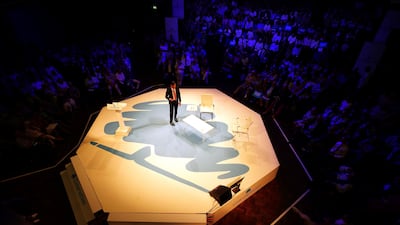
Mr Sunak speaks at the University of Exeter in south-west England. AP -

A supporter of Ms Truss at a Conservative Party hustings in Exeter, south-west England. Getty -
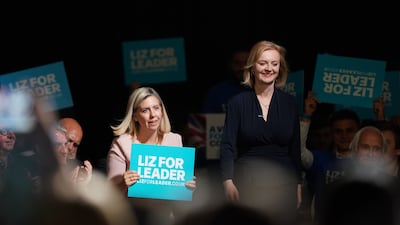
Ms Truss at a hustings event at the Pavilion conference centre at Elland Road in Leeds. PA -
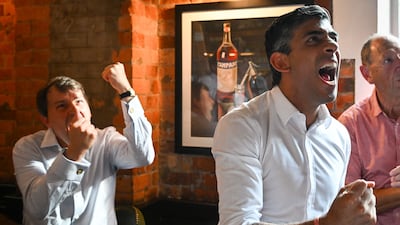
Mr Sunak in Salisbury watching a screening of the Uefa Women's Euro 2022 final between England and Germany at Wembley stadium. England won 2-1 in extra time. PA -
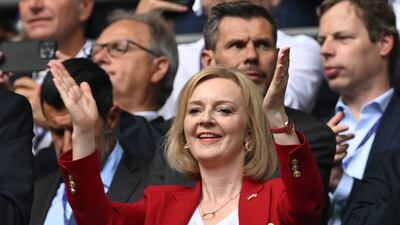
Ms Truss before the Uefa Women's Euro 2022 final at Wembley stadium in London. AFP -
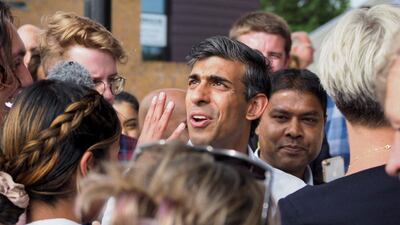
Mr Sunak meets Tory members at Fontwell Park Racecourse. Reuters -
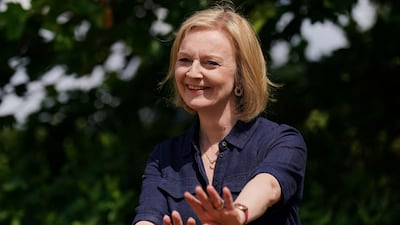
Ms Truss at an event in Dereham, Norfolk. AFP -
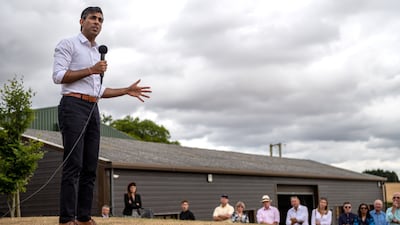
Mr Sunak in Ropley, near Winchester, Hampshire. PA -
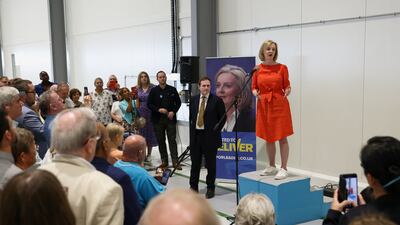
Ms Truss speaks as Conservative Member of Parliament Tom Tugendhat looks on at a Conservative Party leadership campaign event at Biggin Hill Airport. Getty -
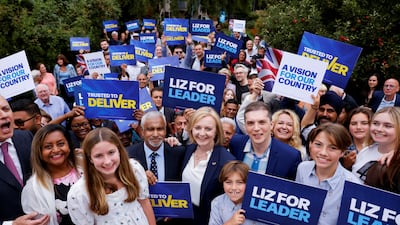
Ms Truss on the campaign trail in Woodford Green, on the outskirts of London. Reuters -
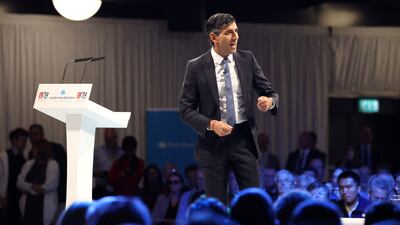
Mr Sunak at a Conservative Party hustings event in Leeds. AFP -
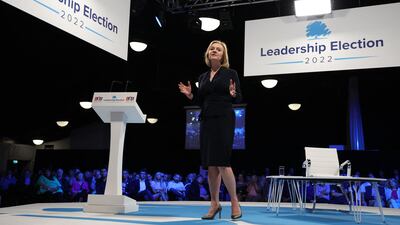
Ms Truss speaks at the hustings event in Leeds. AFP -
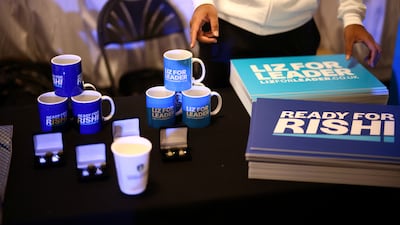
Sunak and Truss-themed souvenirs at a stand during the Leeds hustings event. Reuters -
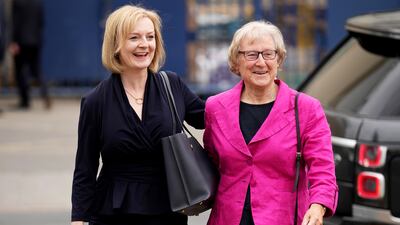
Ms Truss, and her mother, Patricia, arrive for the hustings event. Getty -
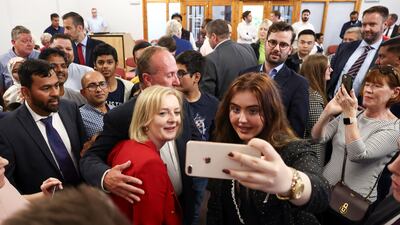
Ms Truss poses with supporters in Morley, England. Getty -

Mr Sunak delivers a speech during a campaign event in Newmarket. AFP -
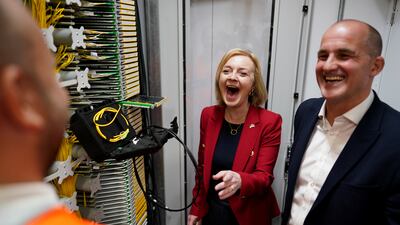
Ms Truss and Jake Berry, MP for Rossendale and Darwen, during a visit to a broadband interchange company in Leeds. PA -
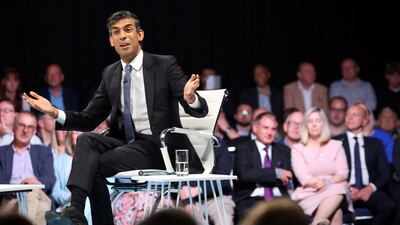
Mr Sunak answers questions as he takes part in the hustings in Leeds. AFP -
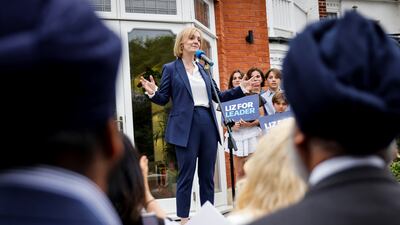
Ms Truss speaks at an event at a private house with members of the Conservative Party in Woodford Green. PA -
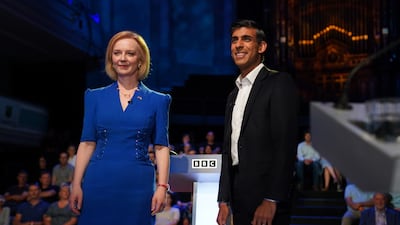
Ms Truss and Mr Sunak pose for a picture before a BBC leadership debate at Victoria Hall in Hanley. Getty -
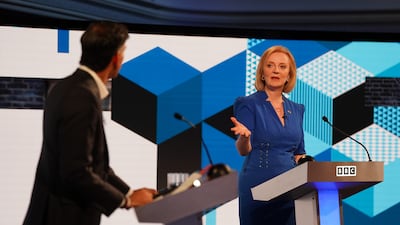
Ms Truss addresses Mr Sunak during the televised debate. Getty -
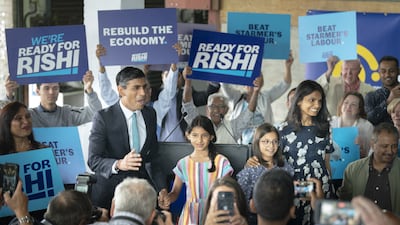
Mr Sunak, with daughters Krishna and Anushka, and wife Akshata Murthy, during a visit to Vaculug tyre specialists at Gonerby Hill Foot, Grantham. PA -
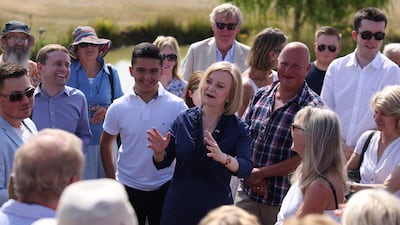
Ms Truss speaks to people while campaigning in Marden. Getty -
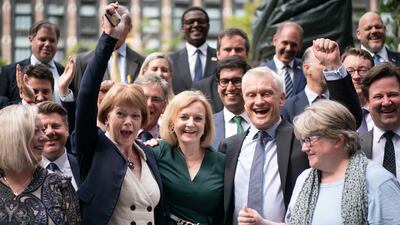
Ms Truss celebrates after being named, along with Mr Sunak, one of the final two candidates in the race to become the UK's next prime minister. PA -
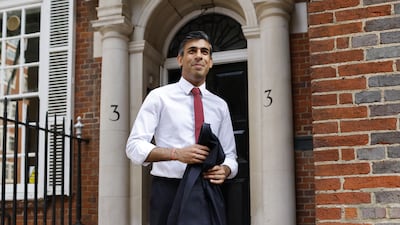
Mr Sunak outside his campaign office in central London. EPA -
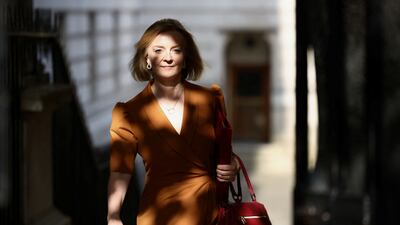
Ms Truss outside Downing Street in London. Reuters -
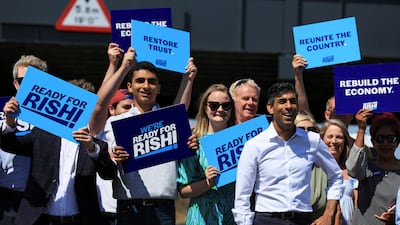
Rishi Sunak meets Conservative Party members and activists, in Teesport, Redcar. Reuters -
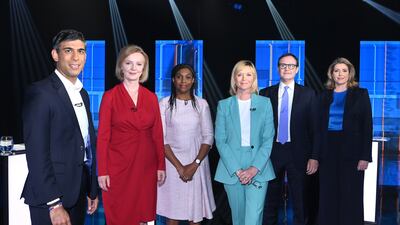
Conservative leadership candidates Mr Sunak, Ms Truss, Kemi Badenoch, presenter Julie Etchingham, Tom Tugendhat and Penny Mordaunt during 'Britain's Next Prime Minister: The ITV Debate' in London. EPA -
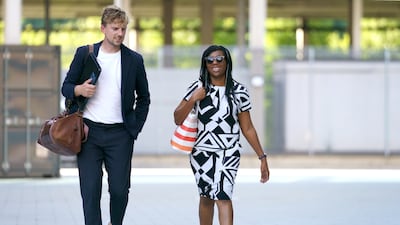
Ms Badenoch arrives at Here East studios in Stratford, east London, before a live television debate. PA -
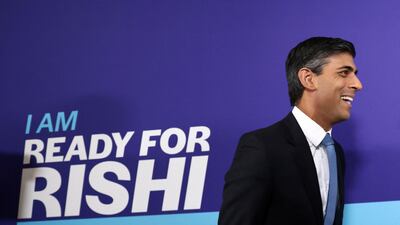
Mr Sunak arrives at a London event to launch his campaign to be the next Conservative Party leader and UK prime minister. Reuters -
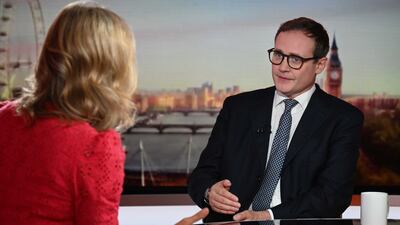
Mr Tugendhat appears on the BBC One current affairs programme, 'Sunday Morning'. PA -
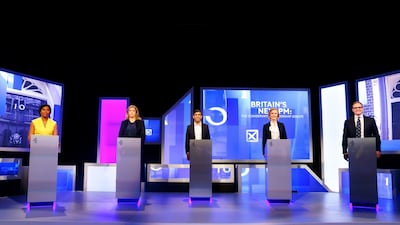
Ms Badenoch, Ms Mordaunt, Mr Sunak, Ms Truss and Mr Tugendhat before the live television debate. PA -
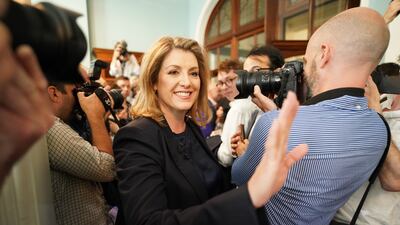
Ms Mordaunt arrives for the launch of her Conservative leadership campaign at the Cinnamon Club in Westminster. PA -
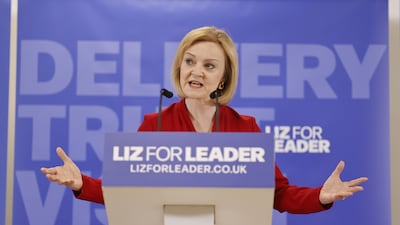
Ms Truss speaks at the launch event for her campaign to become the next leader of the Tory Party and Britain's prime minister, in London. EPA -

Chancellor of the Exchequer Nadhim Zahawi, one of the candidates who has been knocked out of the race, giving a speech at the Churchill War Rooms. PA -
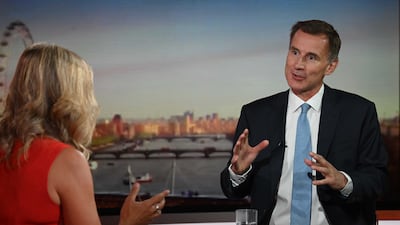
Former leadership candidate Jeremy Hunt appearing on the BBC One current affairs programme, 'Sunday Morning'. PA -

Sajid Javid attending the launch of his campaign to be Conservative Party leader and prime minister, at the Cinnamon Club in London. He has since been knocked out of the contest. PA -
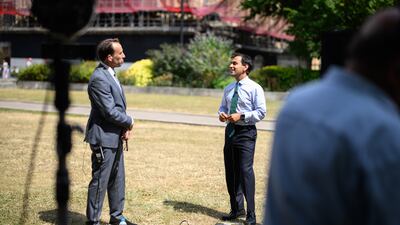
Rehman Chishti is interviewed after announcing his bid to become the next prime minister. Mr Chishti is no longer in the race. Getty -
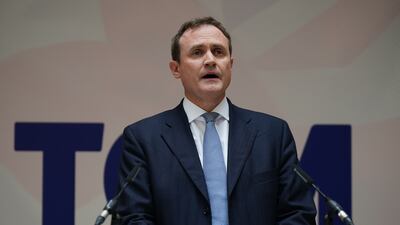
Mr Tugendhat speaking at the launch of his campaign. PA -
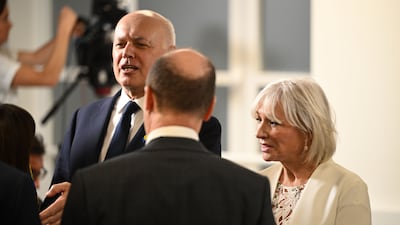
Culture Secretary Nadine Dorries and Conservative MP Iain Duncan Smith arrive for the Truss campaign launch event. Getty -
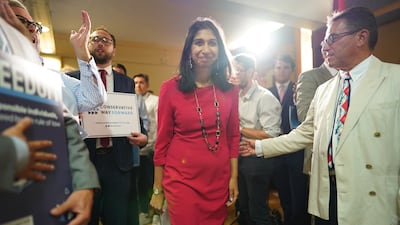
Former leadership candidate Attorney General Suella Braverman at the Churchill War Rooms in central London. PA -
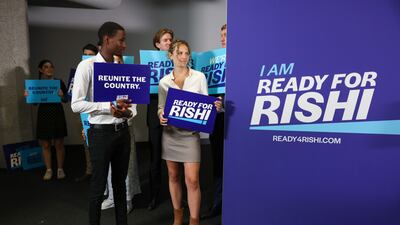
Supporters of Mr Sunak wait for his arrival ahead of the campaign launch. Bloomberg -
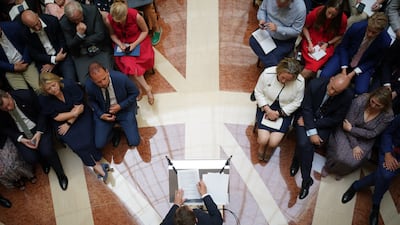
Mr Tugendhat makes a speech at the launch of his campaign. PA -
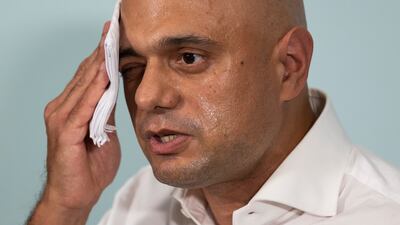
Mr Javid mops his brow while launching his campaign. Getty -
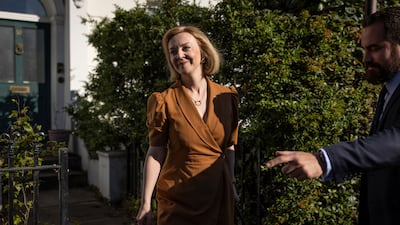
Ms Truss leaves for work after her announcement that she would be running for the leadership of the Conservative Party. Getty


The Sunak campaign has attacked Ms Truss’s economic credibility in the final weeks of the race, after reports suggested she will not ask the independent Office for Budget Responsibility for a forecast before the measures she is planning for next month, if she becomes prime minister.
Conservative Treasury Select Committee chairman Mel Stride, who is backing Mr Sunak, has written to the chancellor and the Office for Budget Responsibility to ask whether work is being carried out to prepare for a potential emergency budget.
During the hustings, Ms Truss criticised the media for “constantly” making comparisons between her and former prime minister Margaret Thatcher, saying that the UK was in a “very different situation” from when the Iron Lady came to power in 1979.
Everything you need to know about Liz Truss — video
But her rival welcomed the support of Baroness Thatcher’s Cabinet ministers.
“I think unfunded tax cuts are wrong and do you know what?” said Mr Sunak.
“Her [Thatcher’s] chancellor Nigel Lawson agrees with me, the head of her policy unit agrees with me, Norman Lamont agrees with me.
“All of these people who understood Margaret Thatcher’s economics are supporting my economic plan because it is the right one for our country and it is a Conservative approach to managing the economy.”
Everything you need to know about Rishi Sunak — video
The former chancellor was earlier forced to fend off the suggestion that he should quit the contest to allow the next prime minister to take charge of the worsening economic situation as soon as possible.
He told broadcasters that tax cuts “may sound attractive at first, but if they risk stoking inflation and actually do nothing to help poorer people and pensioners, then they actually are going to be bad for everyone”.
“I don’t want to put fuel on the fire, I don’t think that is the right approach,” he added.
Mr Sunak also said that he would “fix” the energy market so that electricity companies would not be able to “charge us a very high price based on what’s going on in the natural gas markets”.
Outside the exhibition centre, about 40 protesters gathered at the hustings, chanting “Tory scum — out of Brum”, while party members queued to get in.

