


Rishi Sunak will outline plans to cut taxes when inflation has been brought back under control as he launches his bid to become leader of the UK Conservative party and prime minister.
The former chancellor will insist he has a plan to deal with the economic challenges the country is facing, saying it is a matter of when, not if the tax burden starts to fall.
At an event to launch his campaign on Tuesday he will receive heavyweight support from another former chancellor, Lord Norman Lamont, who said Mr Sunak had the courage to make the “tough decisions” to deal the “extremely serious” economic situation.
Mr Sunak is alone among the contenders to succeed Boris Johnson in not promising immediate tax cuts if he wins the race to become Tory leader.
He has come under attack from allies of the prime minister who believe his announcement last week that he was quitting helped to start the rush of resignations that forced Mr Johnson to admit his time was up.
But in his address, Mr Sunak will seek to make a virtue of his willingness to confront difficult economic realities.
“We need a return to traditional Conservative economic values, and that means honesty and responsibility, not fairy tales,” he will say.
“I have had to make some of the most difficult choices in my life when I was chancellor, in particular how to deal with our debt and borrowing after Covid.
“I have never hidden away from those and I certainly won’t pretend now that the choices I made, and the things I voted for, were somehow not necessary.
"Whilst this may be politically inconvenient, it is the truth.”
“My message to the party and the country is simple: I have a plan to steer our country through these headwinds. Once we have gripped inflation, I will get the tax burden down. It is a question of ‘when’, not ‘if’.”
-

Conservative Party members will chose between Liz Truss and Rishi Sunak in the race to become Britain's next prime minister, after Penny Mordaunt was eliminated. PA -
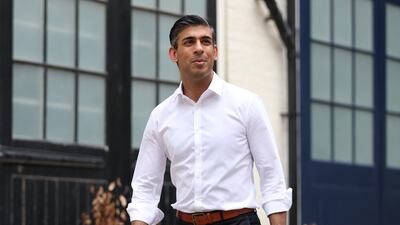
Rishi Sunak — former chancellor who resigned from his position last week. In a slick campaign video he said the government could not afford to fool voters about the difficulties ahead with ‘comforting fairy tales’. Getty Images -
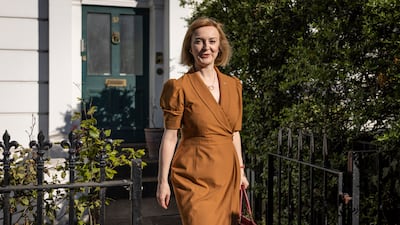
Liz Truss — the UK’s Foreign Secretary has pledged to start cutting taxes 'from day one' if she becomes prime minister, to tackle the cost-of-living crisis. She has also vowed to ‘take the vital steps necessary’ to protect the Good Friday Agreement. Getty Images -
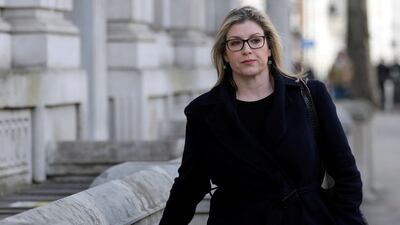
OUT OF THE RACE: Penny Mordaunt — Brexit-backing Trade Minister has insisted the Conservative Party was elected to ‘deliver a manifesto’. She played a prominent role in the Leave campaign in the 2016 referendum. Reuters -
OUT OF THE RACE: Kemi Badenoch — former equalities minister has promised 'limited government' and 'a focus on the essentials'. She has said Boris Johnson was 'a symptom of the problems we face, not the cause of them'. Photo: UK Parliament -
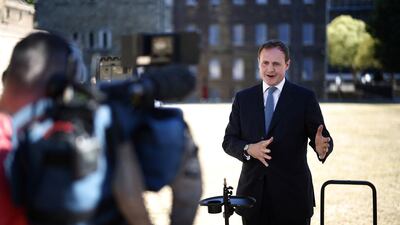
OUT OF THE RACE: Tom Tugendhat —Foreign Affairs Committee chairman and ‘Remainer’ aims to reverse the national insurance rise. He says the presence of Brexit party and Leave figures on his team is reassuring for Brexiteers. Reuters -
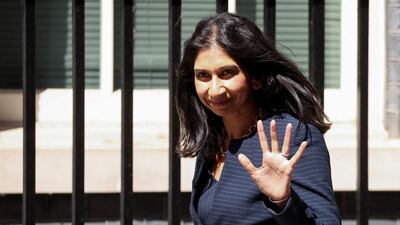
OUT OF THE RACE: Suella Braverman — current Attorney General has promised 'rapid and large tax cuts' to ease inflation. She has said the energy crisis means 'we must suspend the all-consuming desire to achieve net zero by 2050'. Reuters -
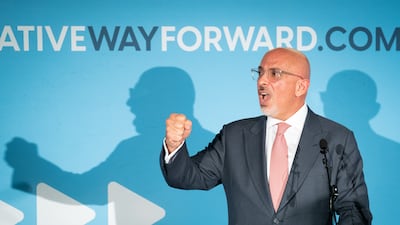
OUT OF THE RACE: Nadhim Zahawi — newly appointed Chancellor has promised to cut taxes and push ahead with the reforms he started in his previous role as education secretary, to ‘deliver a great education for every child’. PA -
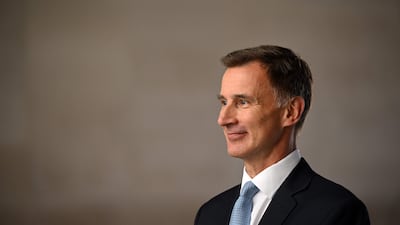
OUT OF THE RACE: Jeremy Hunt — runner-up to Boris Johnson in the 2019 leadership race, who has pledged to slash corporation tax to 15 per cent. He has also promised to back the Northern Ireland Protocol Bill. AFP -
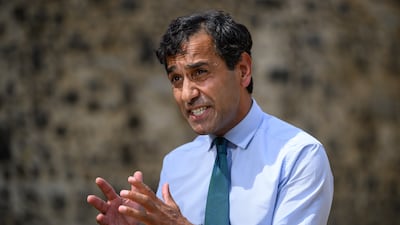
OUT OF THE RACE: Rehman Chishti — newly appointed Foreign Office minister had spoken of the importance of lower taxes and having a small state with a big society. 'It’s about aspirational conservatism, it’s about fresh ideas and then it comes down to having a fresh team.' Getty Images -
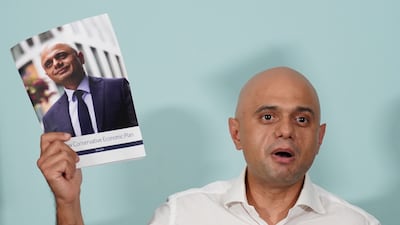
OUT OF THE RACE: Sajid Javid — experienced former health secretary had planned to scrap the government’s national insurance increase, bring forward the proposed 1p income tax cut to next year and introduce a further ‘significant’ temporary reduction on fuel duty. PA -
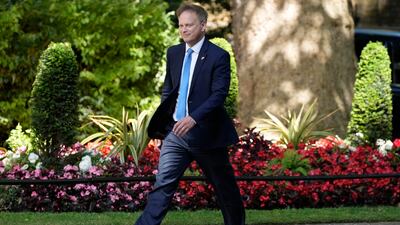
OUT OF THE RACE: Grant Shapps — the Transport Secretary had said on TV: 'I am interested in the bread-and-butter issues that your viewers will be thinking about every single day of the week.' AP


Before the launch event in central London, Lord Lamont said: “The country faces an extremely serious economic situation.
“To weather the storm requires a high degree of competence, matched by the courage to make really tough decisions. The public understand this better than many politicians and will respond.
“Tax cuts unmatched by spending cuts achieve nothing. Yes, the tax burden needs to be reduced, as Rishi also believes, but only as and when the public finances allow.
“Mrs [former prime minister Margaret] Thatcher often said dealing with the deficit comes even before reducing taxes. Deficits are just delayed taxation.
“Rishi has the skill, determination and ideas to get us through this difficult period into more prosperous times.”

