


A drug called trametinib has been found to slow the progression of a form of ovarian cancer and to increase the chances a patient will respond to treatment, a clinical trial has found.
Researchers say the findings are so impressive that the drug — currently used to treat skin and lung cancers — should be considered as a new standard of care for this type of cancer.
Low-grade serous ovarian cancer accounts for 5 per cent of epithelial ovarian cancers, which represents 95 per cent of the disease. It occurs mostly in younger women and is usually diagnosed in the advanced stages.
Surgery is the most common treatment. Chemotherapy is also used but has a low response rate and 70 per cent of patients relapse.
The findings were published in The Lancet for World Cancer Day.
Researchers from the University of Edinburgh and the University of Texas MD Anderson Cancer Centre carried out a randomised clinical trial involving 260 women from the UK and US with low-grade serous ovarian cancer.
Charlie Gourley, clinical director of Cancer Research UK Edinburgh Centre at the University of Edinburgh and the study's senior author, said: “These findings represent a step change in the management of this difficult to treat cancer.
“We now need to build on this to provide further improvements in outcome for these patients.”
As part of the study, 130 women received trametinib and 130 received standard care of either hormone therapy or chemotherapy. Each study participant and clinician knew what was being prescribed.
The effect on the tumours were then assessed using CT or MRI scans every eight weeks for the first 15 months of treatment and every three months thereafter.
Study participants also completed questionnaires on quality of life throughout the study and had pathology tests conducted on tissue samples.
The team found that trametinib reduced the risk of disease progression or death by 52 per cent compared with hormonal treatment or chemotherapy.


The progression of the cancer was slowed by 13 months for patients on trametinib compared with seven months for those on standard care.
Trametinib was also associated with a four-fold increase in response to treatment compared with those who received standard care.
Ovarian cancer patients who received trametinib reported side effects that included fatigue, skin rash and gastrointestinal problems. This is similar to those who receive trametinib for other cancers.
Those who received trametinib reported having a slightly lower quality of life at 12 weeks compared with those on standard care. There were minimal differences between both groups at all other time points.
This work was funded by Target Ovarian Cancer, Cancer Research UK, Novartis and NRG Oncology.
Annwen Jones OBE, chief executive of Target Ovarian Cancer, said: “This is extremely positive news for the ovarian cancer community.
“Low-grade serous ovarian cancer disproportionately affects those under the age of 50.
“Standard treatments are generally less effective for this subtype and there is a very urgent need to develop new drugs to transform outcomes.
“We are proud to have funded this groundbreaking project in partnership with other major research funders and it is vital that we now push for trametinib to be made available quickly throughout the UK.”
World Cancer Day in pictures — 12 celebrities open up about dealing with the disease
-

Actress Sofia Vergara had thyroid cancer when she was 28 years old. AFP -

Hugh Jackman has been diagnosed with basal cell carcinoma, a malignant type of skin cancer, several times. AFP -

US comedian Kathy Griffin was recently declared cancer free after having half her left lung removed. RB/Bauer-Griffin/GC Images -

Michael C Hall had Hodgkin's lymphoma while filming hit TV series 'Dexter'. AFP -

Former NBA star Kareem Abdul-Jabbar has had both prostate cancer and chronic myeloid leukemia. AFP -
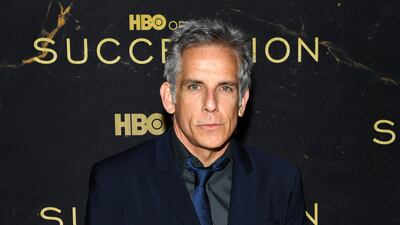
Actor Ben Stiller was treated for prostate cancer in 2014. AFP -

Bollywood actress Sonali Bendre had metastatic cancer in her abdomen. AFP -

Nepalese actress Manisha Koirala had ovarian cancer in 2012. AFP -

British TV personality Sharon Osbourne was diagnosed with colon cancer in 2002, and also had a double mastectomy in 2012 after finding out she had the gene that increases risk of getting breast cancer. AFP -

Khloe Kardashian has been treated for skin cancer in the past. AFP -

Lebanese singer Elissa has famously discussed her journey with breast cancer. AFP -

Egyptian actor Ahmed Helmy underwent treatment for cancer while his wife, Mona Zaki, was pregnant with their child. AFP -

From left: Ahmed Helmy, Khloe Kardashian and Manisha Koirala have all opened up about their cancer journeys. Photos: Front Row, AP Photo, AFP



