

Lebanon's political and religious Sunni leaders threw their weight behind caretaker Prime Minister Hassan Diab on Friday, a day after he was charged with criminal negligence over the deadly explosion at Beirut port.
Mr Diab was one of four politicians indicted on Thursday by a judge appointed to investigate the August 4 blast. All four were charged with carelessness and negligence leading to death over the detonation of 2,750 tonnes of ammonium nitrate stored at the port for six years. It is still unclear what caused the fire that set off the explosion or who owned the chemicals.
The blast killed more than 200 people, injured about 6,500 and destroyed large areas of the capital.
Prime minister-designate Saad Hariri expressed solidarity with Mr Diab, tweeting photos of the two leaders sitting side by side during a meeting at the prime minister's office on Friday, and accusing the judiciary of "violating the constitution". Both leaders said the indictment was an attack on the post of prime minister, a position reserved for Sunnis under Lebanon's unwritten sectarian power-sharing arrangement.
"Lebanese families have the right to know the truth of who killed their sons," Mr Hariri said.
-
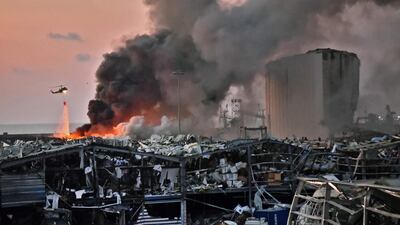
A helicopter puts out a fire at the scene of the explosion at the port of Lebanon's capital Beirut on August 4, 2020. AFP -
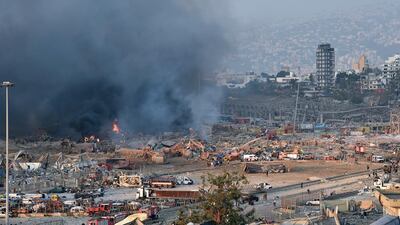
Smoke billows from an area of a large explosion that rocked the harbour area of Beirut, Lebanon. EPA -

The aftermath of blast in Beirut. Sunniva Rose / The National -
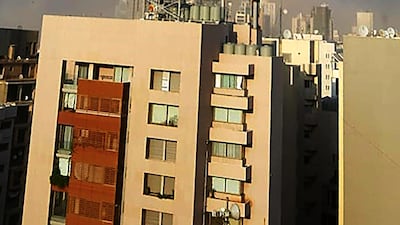
The scene of the explosion that rocked Beirut. AFP -
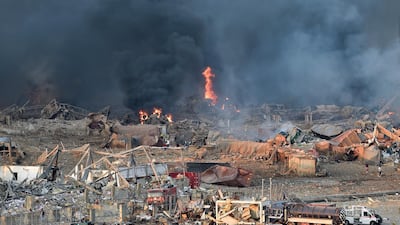
The harbour area with smoke billowing from an area of the explosion, Beirut, Lebanon. EPA -
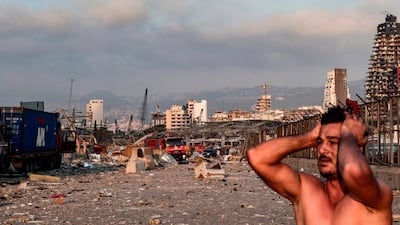
A man reacts at the scene of an explosion at the port in Lebanon's capital Beirut. AFP -
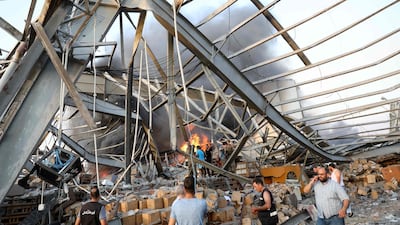
The scene of the explosion at the port in Beirut. AFP -
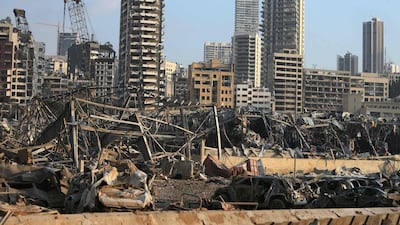
The scene of the explosion at the port in Beirut. AFP -

The scene of the explosion in Beirut. AFP -
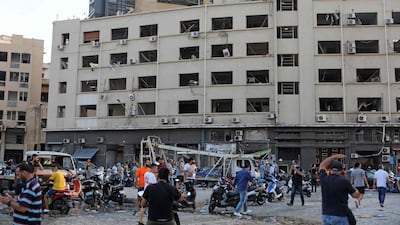
People gather near the scene of the explosion in Beirut. AFP -
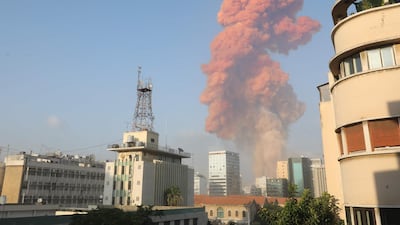
The scene of the blast in Beirut. AFP -
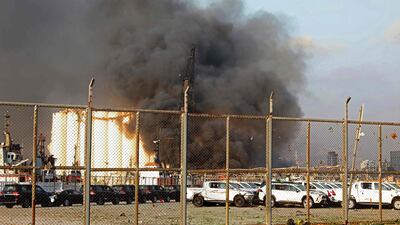
The scene of the explosion in Beirut. AFP -
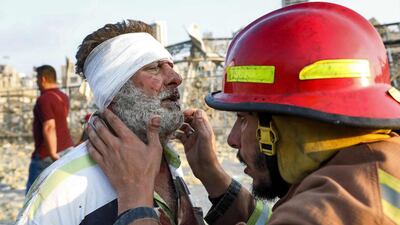
A wounded man is checked by a fireman near the scene of the explosion in Beirut. AFP -
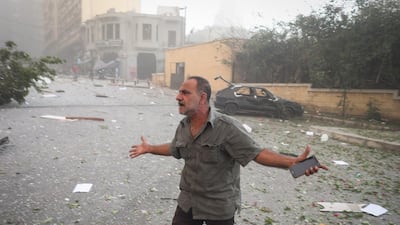
A resident stands in the street by a destroyed car, following the explosion near by at the port of Beirut. Bloomberg -
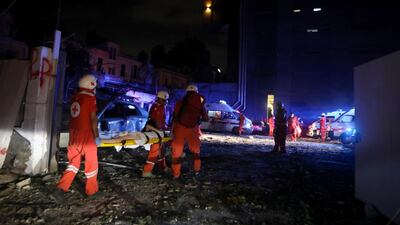
Lebanese Red Cross officers carry an injured woman following an explosion at the port of Beirut on August 4, 2020. AFP -
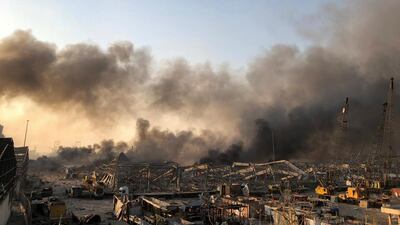
Smoke rises after the explosion was heard in Beirut. Reuters -
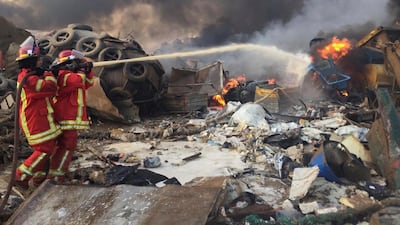
Firefighters spray water at a blaze after the explosion in Beirut. Reuters -
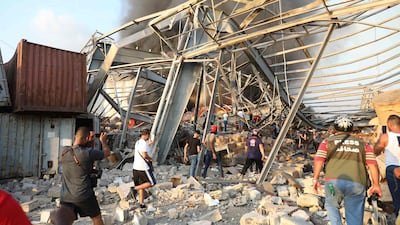
People walk at scene of the explosion in Beirut. AFP -

The blast at Beirut port. Twitter/ @borzou -

Army personnel around entrance to port. -

The aftermath of the blast in Beirut. Sunniva Rose / The National -

The aftermath of the blast in Beirut. Sunniva Rose / The National -
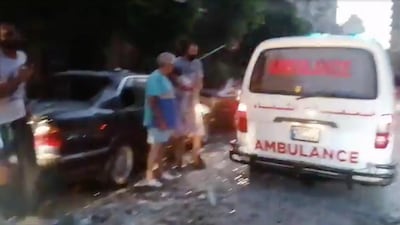
The aftermath of the blast in Beirut. Sunniva Rose / The National -

The aftermath of blast in Beirut. Sunniva Rose / The National -
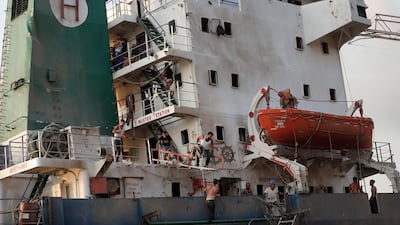
Sailors leave their damaged ship near the explosion in Beirut. AP Photo -
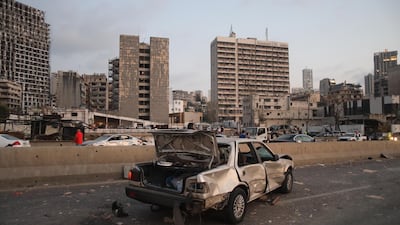
A vehicle stands damaged on a road following a large explosion at the port area of Beirut. Bloomberg -
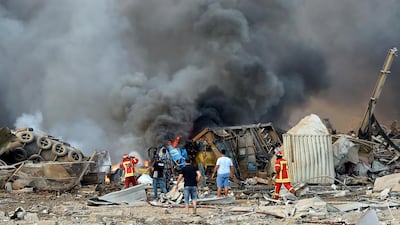
Firefighters try to extinguish flames after a large explosion rocked the harbour area of Beirut. EPA -
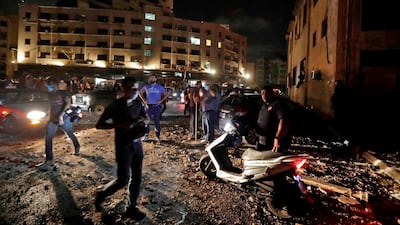
People and journalists gather at the scene of an explosion at the port of Lebanon's capital Beirut. AFP -

An injured man sits outside American University of Beirut medical centre on August 5, 2020. Reuters -
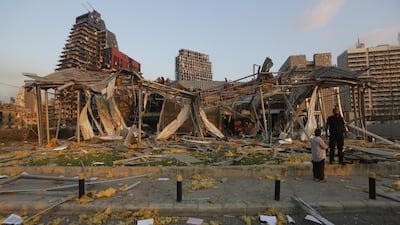
Men stand before wrecked buildings near the port. Getty Images -
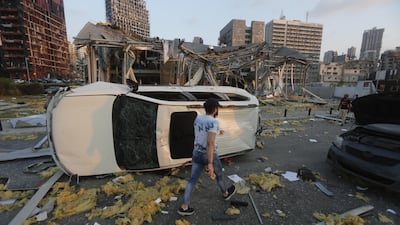
A man walks by an overturned car and destroyed buildings. Getty Images -
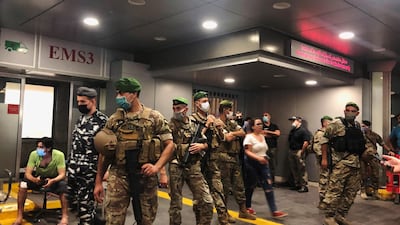
Lebanese soldiers stand outside American University of Beirut medical centre. Reuters -
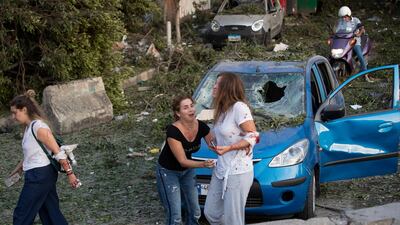
Injured people stand after the explosion. AP Photo -
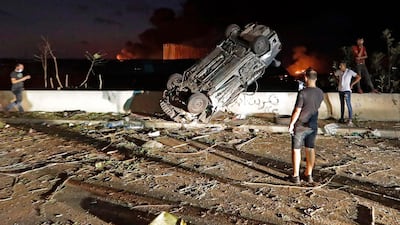
People gather by cars destroyed following an explosion at the port of Lebanon's capital Beirut. AFP -
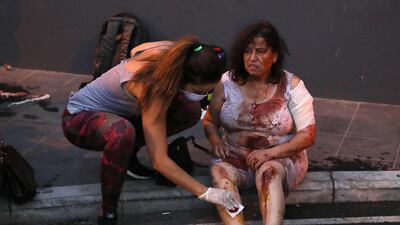
Wounded people wait to receive treatment outside a hospital following an explosion near the Beirut port. AFP


Three former ministers charged alongside Mr Diab – Ali Hassan Khalil, Ghazi Zaeiter, and Youssef Fenianos – are expected to be brought in for questioning by the prosecution next week.
Responding to the indictment, Mr Diab said his "conscience is clear", and he was confident his he "handled the Beirut explosion file in a responsible and transparent manner".
Mr Diab, who came to power in January and stepped down soon after the explosion, has said he was informed about the ammonium nitrate at the port by state security services just two weeks before the explosion.
Mr Diab also received the backing of Lebanon’s top Sunni religious leader, Mufti Abdul Latif Derian, who praised the caretaker prime minister and said he was confident the premier’s “hands were clean”.
Former prime minister Najib Mikati also tweeted about the charges against Mr Diab, saying they showed a "double standard" because Lebanese President Michel Aoun was also aware of the report about the explosive material at the port but has not been investigated.
Mr Mikati’s remarks were echoed by former another prime minister, Fouad Siniora, who said the charges were politically driven.
The port blast exacerbated Lebanon's economic and political crisis. The EU, UN and World Bank estimate the the country needs $2.5 billion to recover from the blast, but Lebanese politicians are under pressure to institute reforms before the government receives any international assistance.

