

A Sharjah-based father who won the Dh12 million ($3.2m) jackpot on Abu Dhabi's Big Ticket draw has said he will avoid the temptation of splashing out on luxuries, and instead save for his family's future.
Shivamurthy Gali Krishnappa said becoming a millionaire “does not mean a person can spend recklessly”.
The 42-year-old said he wants his two children to attend good universities once they finish school.
He had been purchasing a ticket for three years, but it was the ticket number 202511 that won him millions of dirhams.
"Just because we have all this money doesn't mean we can spend recklessly," he told The National.
“We are not going to be tempted into buying expensive things. I want to secure my children's and family’s future.
“I will buy a house in India, save in the bank and maybe open a small business in my home country, which my brothers can look after.”
Mr Krishnappa, who moved to Sharjah in 2005 and works as a mechanical engineer, said the funds would help him and family stay longer in the UAE.
He said his company supported him and his colleagues during the Covid-19 pandemic, but there were always job worries.
“We love living in the UAE. This is our home and we want to stay here as long as we can,” Mr Krishnappa said.
The Abu Dhabi Big Ticket draw has been taking place since 1992.
In January, an Indian businessman in Oman won Dh20m. He split the funds with six of his colleagues.
A Filipina hotel receptionist won Dh1m with Al Ansari Exchange Rewards earlier this year, when she bought a ticket after wiring her father Dh186.
Last month, an Indian woman in Qatar won Dh15m in the Abu Dhabi Big Ticket – with a ticket she did not even remember buying.
Read more about other big prize winners in the UAE:
Seven winners in Dubai share Dh1 million Mahzooz weekly jackpot
Emirates Loto winner uses prize money to help needy friends and relatives
Emirates Loto winner uses Dh100,000 prize to help family caught up in Beirut blast
Irish teacher in Abu Dhabi wins Dh500,000 with Emirates Loto after forgetting he had ticket
First Emirati loto winner to share his prize with family
_________________________
How would you spend Dh20m? - in pictures
-
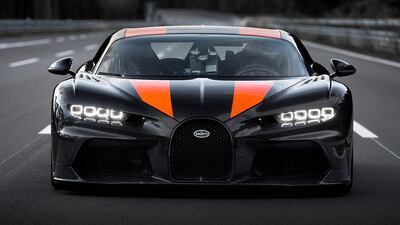
So how would you spend Dh100 million? To truly live life in the fast lane you need a luxury car in the garage. The limited edition Bugatti Chiron Super Sport 300+ is for the most passionate of petrolheads, retailing at more than Dh14 million -
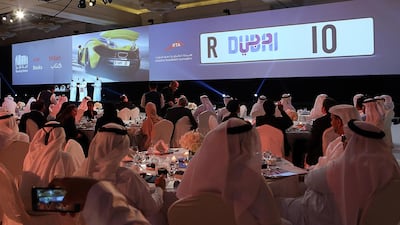
Once you have your flashy new set of wheels, it makes sense to get a personalised number plate. The V12 plate sold for a tidy Dh7.2 million at a previous RTA auction in Dubai. Satish Kumar / The National -
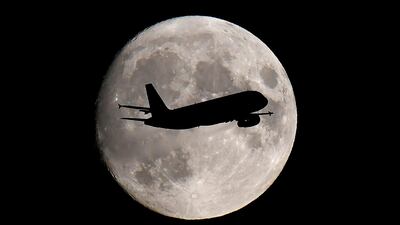
You are already feeling over the moon so why not fly to it? Commercial flights might be commonplace long in the future, but will be the preserve of the rich and famous in the short term at least as space entrepreneurs bid to corner the market -
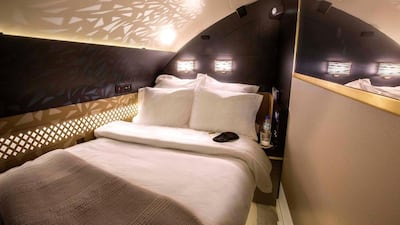
Travel in style on board Etihad's The Residence. VIP flights come with a host of perks, including a comfy bed. -
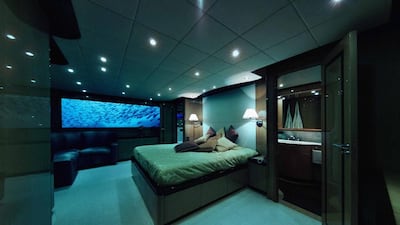
When money is no object, why not splash out on a stay at a submarine hotel? This luxurious underwater establishment in St Lucia will set you back Dh1 million a night -
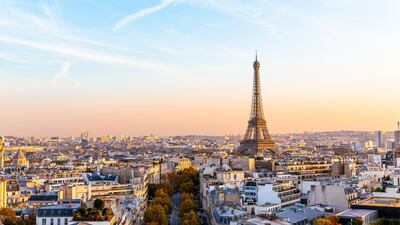
A boost to the bank balance affords one the opportunity to travel the world. How about a trip to Paris once you need a break from lazing around the mansion? -

For those looking to lay down roots in Dubai, there are plenty of spacious villas in Emirates Hills - dubbed the Beverly Hills of the UAE. One of the priciest properties in the area on the market is on sale for Dh14.5 million -
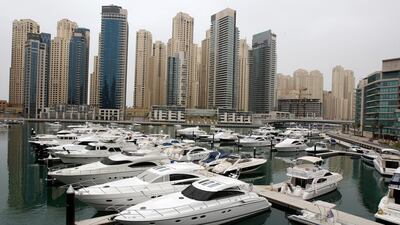
Any self-respecting millionaire has to have a yacht. While a super yacht might be out of the reach of even someone with Dh20 million, you can still pick up a top-of-the-line vessel and still have some change. Pawan Singh / The National -
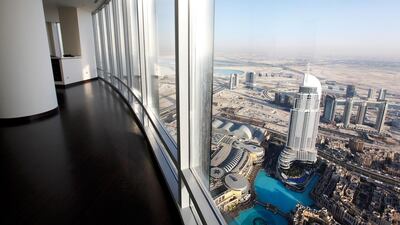
Live the high life with a plush apartment in the world's tallest building, Burj Khalifa. Lavish pads are available for under Dh5 million. Satish Kumar / The National


