
Doctors in Abu Dhabi have seen more teenagers who are obese during the pandemic, with low physical activity and the ease of ordering takeaway food a major factor.
Cleveland Clinic Abu Dhabi performed 450 weight-loss operations last year, including on patients between 14 and 18 years old.
While statistics for previous years were not to hand, medics said they noticed an increase, particularly among youngsters.
"There's plenty of evidence to suggest that the rate of obesity in the UAE remains stubbornly high," said Dr Javed Raza, a staff physician and surgeon at the hospital's Digestive Disease Institute.
"What is worrying is that these numbers seem to be increasing among young adults."
It is believed the Covid-19 pandemic exacerbated the situation because more people stayed at home.
According to the Ministry of Health and Prevention, the prevalence of obesity among children between the ages of 5 and 17 in the UAE was 14.45 per cent in 2018.
The clinic's obesity programme is addressing the issue, however.
Patients with a body mass index above 25, and with risk factors for chronic diseases such as diabetes, cardiovascular disease and cancer, are considered for the programme. Its youngest patients have been between 14 and 18 years of age.
“While the rise in the number of patients is a sign of awareness that they need to get their health back on track, it is also an indication of the scale of the problem, which needs to be addressed through more community education,” said Dr Raza.
“Last year added the challenge of homeschooling, fewer opportunities for outdoor activities and the convenience of food being delivered at the click of a button.
"The pandemic may not have caused the high obesity levels, but it did contribute to an unhealthy lifestyle in young people."

Patients in the obesity programme are cared for by a multidisciplinary team of endocrinologists, metabolic surgeons, nurses and dieticians. They are assessed and then given a lifestyle, medical or surgical plan, or a combination, based on their history, screening and preferences.
Medics assess all aspects of their well-being, including sleep patterns, cardiology, psychiatry, advanced endoscopy and gastroenterology.
A healthy lifestyle with plenty exercise is an important way to tackle obesity.
"We also have a patient support group, which used to meet physically but is now virtual due to the pandemic, for patients who have benefited from the programme and want to share their experience and encourage others to take action,” said Dr Raza.
Obesity has long been a problem in the Gulf. A report from 2020 showed rates reached a record high, with at least a third of women and a quarter of men now classed as excessively overweight in the region.
The figures were disclosed in a regional review of data compiled by the World Obesity Federation, which was critical of medics and health authorities for not making weight problems a priority.
Experts called on greater commitments to training and policies that eliminate weight-related prejudice and stigma.
Another key recommendation suggested a more holistic approach is taken to patient evaluation, going beyond BMI.
How the pandemic closed our cities - in pictures
-
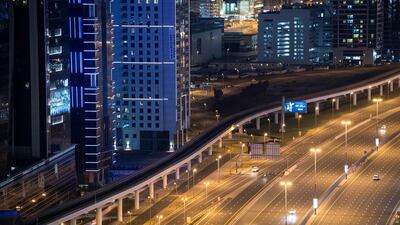
The main stretch of Sheikh Zayed Road near Downtown Dubai. Hundreds of thousands of vehicles would usually be on the roads on a Thursday night. EPA -
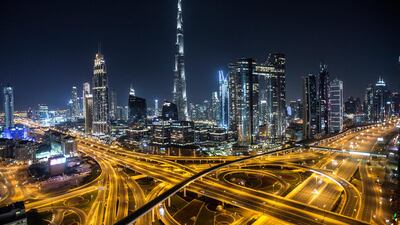
Defence Roundabout stands empty on Thursday night after the authorities ordered a 8pm to 6am curfew to allow for street cleaning. The curfew lifts during the day - but only absolutely essential travel is permitted. EPA -
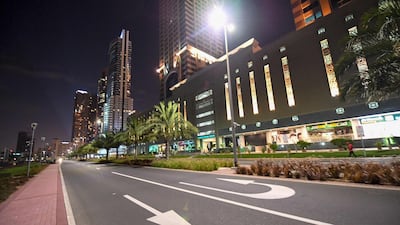
The Internet City area usually a hive of activity. AFP -
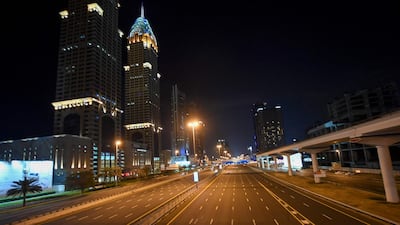
A handful of cars on the road ahead of the curfew. Only key workers including medical staff and supermarket assistants are allowed to travel. AFP -
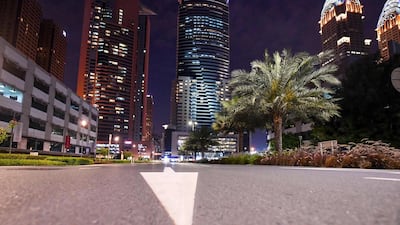
Pedestrian and cycling paths stand empty after people rushed home ahead the curfew. Business Central Towers near Media City can be seen on the right. AFP -
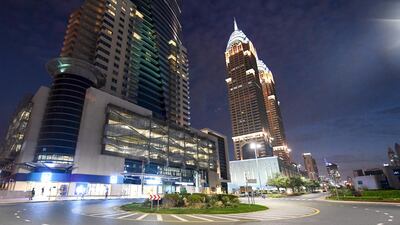
Stay home orders are likely to last for weeks as the government works to drive down the number of new cases. AFP -
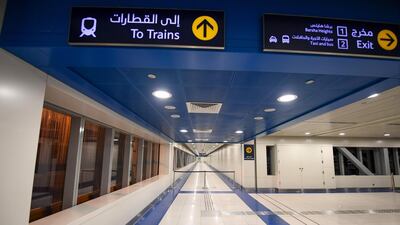
Dubai Metro will undergo deep cleaning this weekend. AFP -
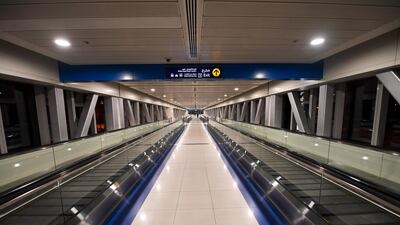
Once reopened, trains will run reduced numbers of passengers - about 170 down from a capacity of 650. AFP -
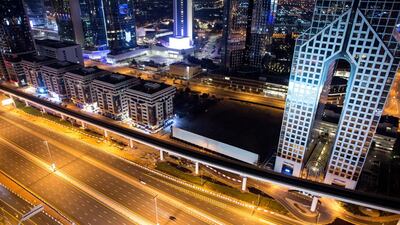
Dusit Thani hotel with the lights of Downtown in the background. EPA -

Despite road closures, restaurants and supermarkets will continue to deliver food to homes. EPA -
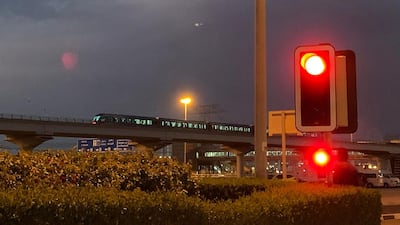
A metro train runs near Ibn Battuta Mall shortly before the curfew. Pawan Singh / The National -
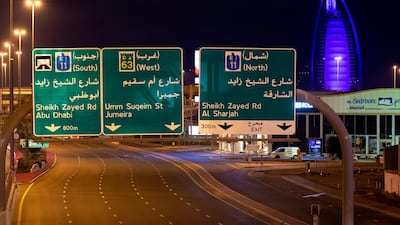
Umm Suqeim Road with Burj Al Arab in the background. Chris Whiteoak / The National



