Umm Al Quwain pearling town - in pictures
-

The town on Al Sinniyah Island covers an area of about 12 hectares where structural remains and finds such as pottery, glass and shells indicate dense occupation. All photos: Umm al Quwain Tourism and Archaeology Department -
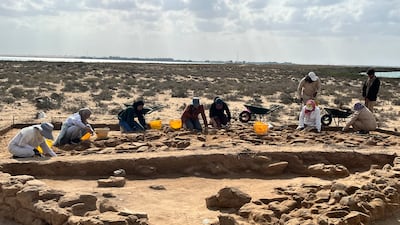
Students from NYUAD take part in excavations on Al Sinniyah Island to explore Umm Al Quwain's pearling past. The Tourism and Archaeology Department of Umm Al Quwain (TAD-UAQ) continues to develop Sinniyah as an educational resource and discover more about the emirate's past. -
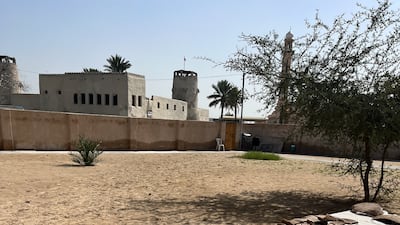
Pottery fragments from Umm Al Quwain Pearling Town are set out for study at Umm Al Quwain Museum and Fort. About 12 per cent of these finds were imported from India, where many Al Sinniyah pearls were likely to have been sold. -
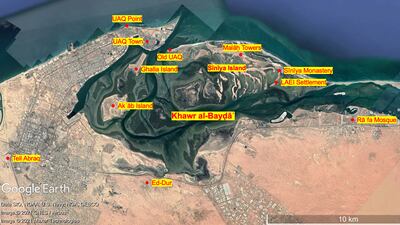
The pearling town is located on Al Sinniyah Island in the lagoon of Umm Al Quwain. It flourished between the late sixth or early seventh and mid-eighth centuries. -
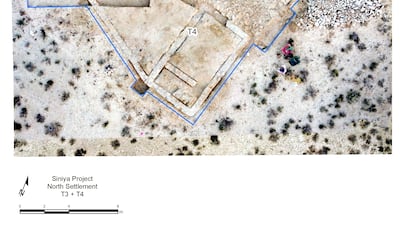
A cluster of one- and two-room houses at the northern edge of the town probably represents the homes of poorer fishermen. -
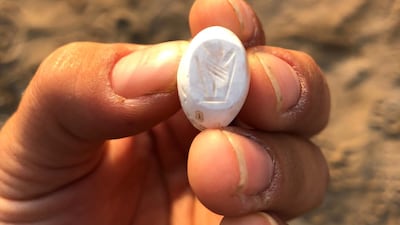
A Sasanian stamp seal of the 6th or 7th century like this was used by merchants to authenticate documents. -
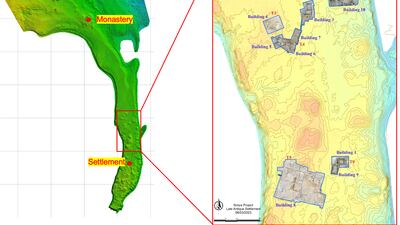
The pearling town is south of the monastery discovered last year. It is probable that the monks settled next to a flourishing town. -

A pearl diver’s weight from one of the small houses at the northern edge of the town. -

The town consists of large courtyard houses and smaller one- or two-roomed houses, which provide evidence of social stratification. -
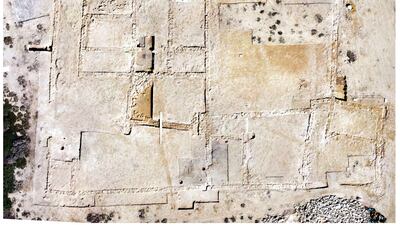
Two large courtyard houses built next to each other. They may be interpreted as the homes of richer merchants and elite members of society.


Most popular today

