



Tyson Fury has said that he plans to announce a fight next week – but warned that it will not be a unification bout against Oleksandr Usyk.
The Briton has been linked with a clash with Usyk after the Ukrainian beat Anthony Joshua for a second time last month to retain his WBA, IBF, WBO and IBO heavyweight belts in Saudi Arabia.
Fury's promoter Frank Warren had said that a bout with Usyk is “the only fight” Fury wants, and the Englishman had set a deadline of September 1 for the respective parties to make the matchup happen.
Warren also revealed that the Middle East would again be a strong contender to host the fight but that September deadline has been and gone and Fury says that he will not be waiting on Usyk.
“I said 'let’s do the fight this year, wherever they want to do it'. I’ve been waiting for countries to come forward,” the 34-year-old – whose record stands at 32 wins from 33 bouts with one draw – said.
“All of a sudden Oleksandr Usyk has stated he does not want to fight any more – he wants to fight next year not this year.
“I am not going to wait around for anybody and I will be announcing a fight next week.”
Fury was speaking at a news conference following an appearance at WWE's 'Clash at the Castle' in Cardiff.
Gallery: Usyk beats Joshua for second time
-
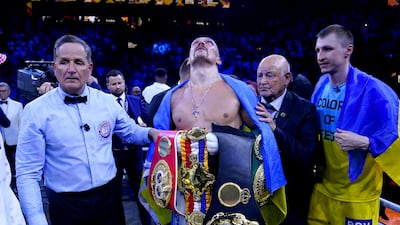
Oleksandr Usyk after retaining his world heavyweight titles in a split decision against Anthony Joshua at the King Abdullah Sport City Stadium in Jeddah, Saudi Arabia. PA -

Oleksandr Usyk celebrates winning his fight against Anthony Joshua. Action Images -
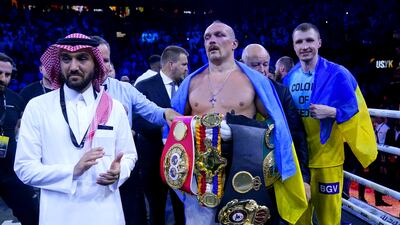
Oleksandr Usyk after winning in Jeddah. PA -

Oleksandr Usyk reacts after his victory. PA -
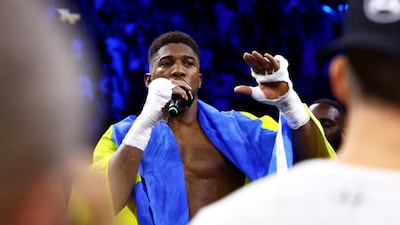
Anthony Joshua speaks to the crowd following his defeat against Oleksandr Usyk in Jeddah. Getty -
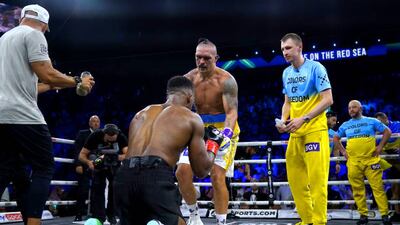
Anthony Joshua and Oleksandr Usyk touch gloves at the end of the fight. PA -
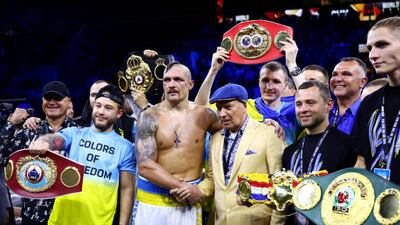
Oleksandr Usyk celebrates with his belts and his team. Getty -
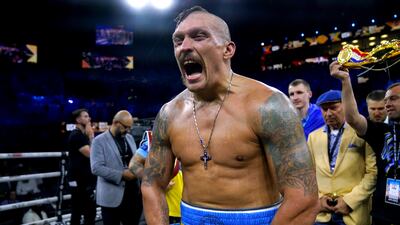
Oleksandr Usyk celebrates after retaining his world heavyweight titles. PA -
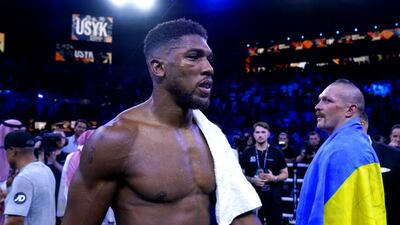
Anthony Joshua looks angry. Getty -

Oleksandr Usyk celebrates with the flag of Ukraine. Getty -
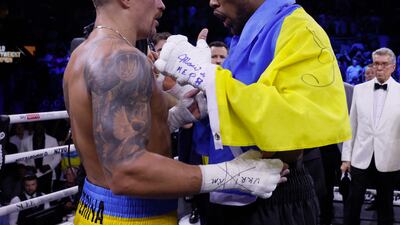
Oleksandr Usyk after winning his fight against Anthony Joshua. Action Images -
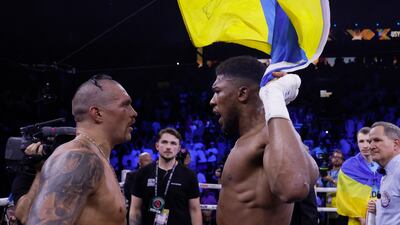
Oleksandr Usyk after winning his fight against Anthony Joshua. Action Images -

Anthony Joshua on the front foot against Oleksandr Usyk. PA -
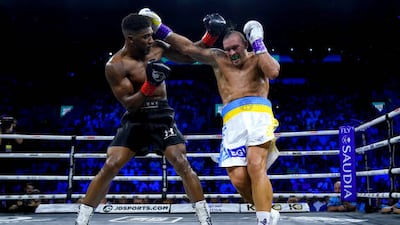
Anthony Joshua and Oleksandr Usyk trade punches. Getty -

Anthony Joshua evades a right. Getty -
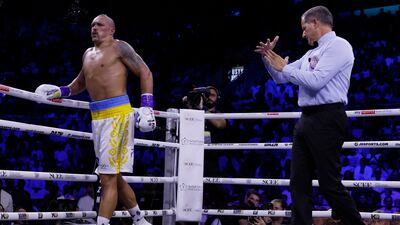
Oleksandr Usyk after receiving a low blow. Action Images -
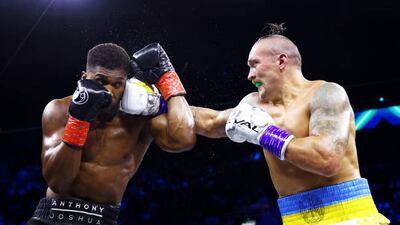
Oleksandr Usyk lands a right on Anthony Joshua. Getty -
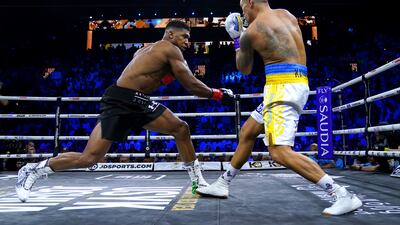
Anthony Joshua and Oleksandr Usyk in action at the King Abdullah Sport City Stadium in Jeddah. PA -
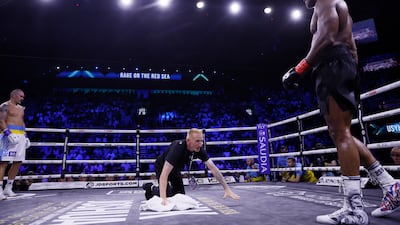
The ring is cleaned between rounds. Reuters -
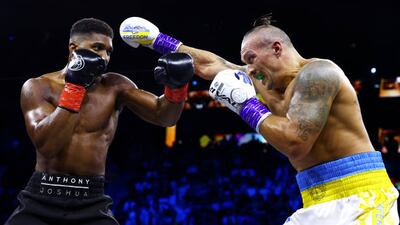
Anthony Joshua evades a punch from Oleksandr Usyk. Getty -

Anthony Joshua with a body shot. Action Images -
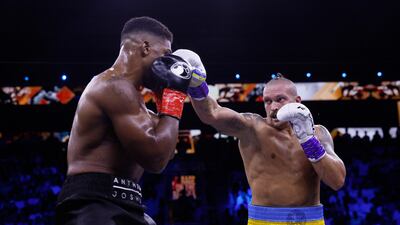
Oleksandr Usyk throws a right. Action Images -

Oleksandr Usyk in action against Anthony Joshua. Action Images -
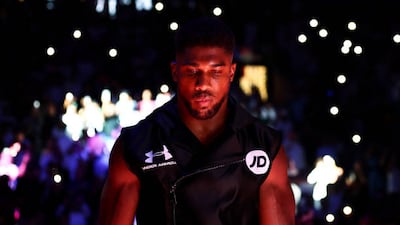
Anthony Joshua made a low-key entrance at King Abdullah Sports City Arena in Jeddah. Getty -
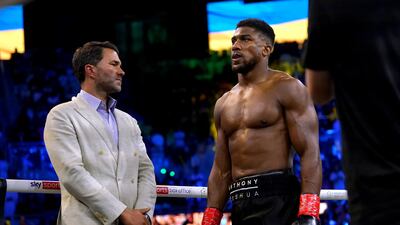
Anthony Joshua and promoter Eddie Hearn before the fight. PA


“At the moment I am a heavyweight world champion and I have lots of fights I have to take care of in the next few years,” Fury added, while admitting he would “definitely be open to” joining WWE full-time in the future.
“I have a passion for WWE. Never say never [on a permanent move to the organisation].”
Usyk, meanwhile, admitted on Friday that any fight with Fury would not be happening in 2022.
“It won't happen this year, that's for sure,” Usyk, who has 20 wins from 20 pro fights, told the BBC.
“As I said earlier … I'm totally healthy and don't have any injuries, but I have old traumas which have resurfaced, and which need to be treated. I will need up to two months to recuperate.”

