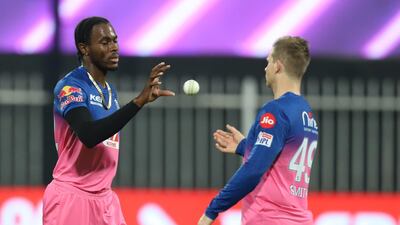

Rajasthan Royals are opening a new coaching academy in the UAE, with former Zimbabwe captain Graeme Cremer as head coach.
The IPL franchise will base their new venture, for six to 19-year-olds, at The Sevens, Dubai. It is only their second academy outside of India, the other being in Surrey in the UK.
Plans for the academy have been under discussion for the past six to nine months, long before the decision was taken to relocate the IPL to the UAE.
Jake Lush McCrum, Rajasthan’s chief operating officer, says he hopes the new coaching school will have a lasting impact on the game in the emirates.
“We were discussing this before the IPL was announced in the UAE, so it is a happy coincidence the IPL shifted across here,” Lush McCrum said.
“We want to further the grassroots development. We are not here for a one-off season. We want to invest in the country, invest in grassroots cricket here, grow the reach of our brand, and train people the Royals way.
“We believe we have different methodologies for developing players that are unique to our academies. We have regular audits of the academies to make sure they are following those approaches.”
The long-term plan is to have tournaments between the Royals academy sides from Dubai, the UK and India.
The Dubai centre will also be used to trial new technologies, influenced by baseball, with a view to implementing them in the training practices of the full IPL side in future.
________________
Bangalore v Rajasthan player ratings
-

ROYAL CHALLENGERS BANGALORE RATINGS: Devdutt Padikkal – 8. Another highly promising effort. His 63 in 45 balls assured victory for his side. Sportzpics for BCCI -
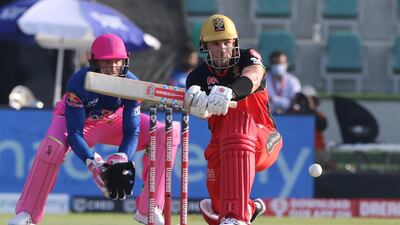
Aaron Finch – 6. Meant business with two fours at the start of the innings, and might have felt he had survived an lbw shout from Gopal, only to be condemned on review. Sportzpics for BCCI -
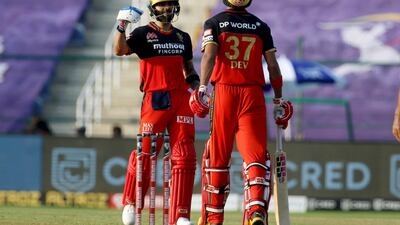
Virat Kohli – 8. After three false starts, the RCB captain finally had some proper time in the middle, as he made a half-century. Sportzpics for BCCI -

AB de Villiers – 7. Unfussy with the gloves despite the high temperature of the first afternoon start, and did what he needed to when he got to the wicket with the game won. Sportzpics for BCCI -
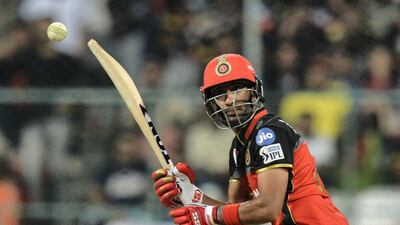
Gurkeerat Singh – 5. Two matches in the tournament so far, and for the second time he did not get to do anything. AFP -
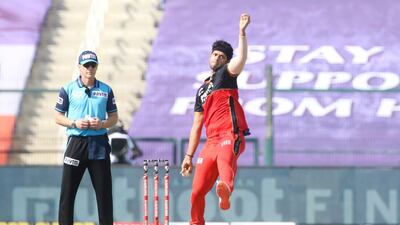
Shivam Dube – 6. Not needed with the bat, but yet again he was thrifty with the ball – albeit just for one over. Sportzpics for BCCI -
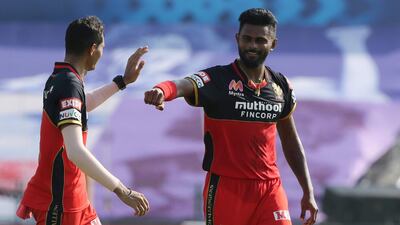
Isuru Udana – 6. Another mixed bag with the ball as he leaked runs, but took two important wickets and held a good catch. Sportzpics for BCCI -

Washington Sundar – 8. After a slow start to this IPL he has really found his range. Just the 20 off his four overs this time around. Sportzpics for BCCI -
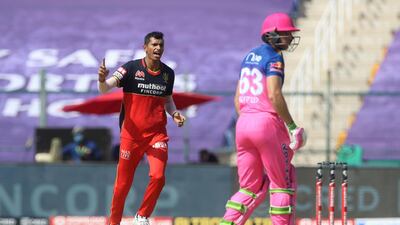
Navdeep Saini – 7. Started brilliantly, picking up Buttler in a wicket-maiden, but had a tough finish, including a gruesome beamer to Tewatia. Sportzpics for BCCI -
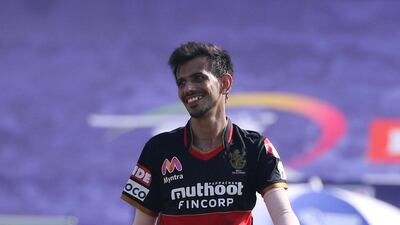
Yuzvendra Chahal – 9. Dismissed Samson with his first ball, and Uthappa with the first ball of his second over. Ended with three for 24. Sportzpics for BCCI -
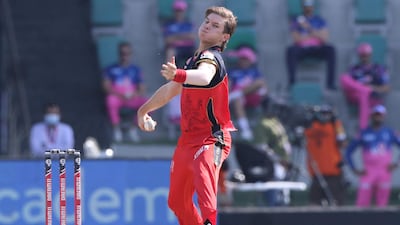
Adam Zampa – 5. Expensive, as he went at nine per over, so he was not given all four overs in his quota. Sportzpics for BCCI -
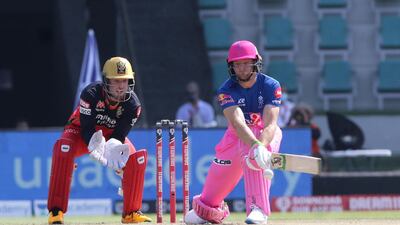
RAJASTHAN ROYALS RATINGS: Jos Buttler – 6. He was striking the ball with typical crispness before he edged Saini’s first ball to Padikkal at slip for 22 off 12. Sportzpics for BCCI -
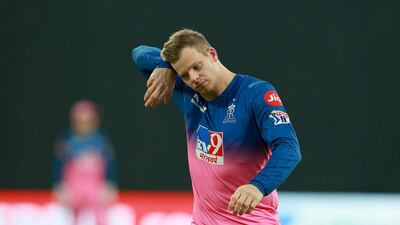
Steve Smith – 3. Dragged on to an Isuru Udana slower ball having earlier been beaten by a classic inswinger by the same bowler. Sportzpics for BCCI -
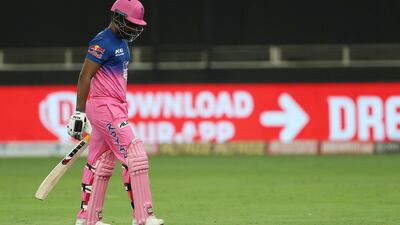
Sanju Samson – 4. Stroked a glorious off-drive from the first ball he faced, only to fall caught and bowled to the first he received from Chahal. Sportzpics for BCCI -
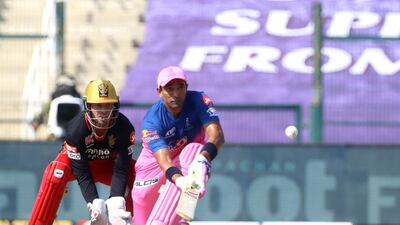
Robin Uthappa – 4. Really had the chance to prove his worth to Rajasthan, but gave it away having reached 17 off 22 balls. Sportzpics for BCCI -
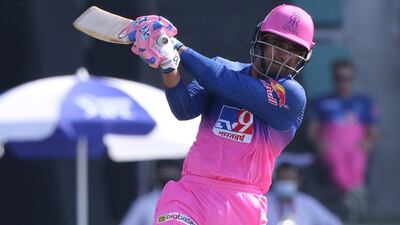
Mahipal Lomror – 7. Knitted together the rescue effort with 47 from 39 balls on his first appearance of the season. Sportzpics for BCCI -

Riyan Parag – 5. At least he had some time in the middle, having made an aggregate of seven from his previous three innings. But 16 from 18 balls was still a struggle. Sportzpics for BCCI -
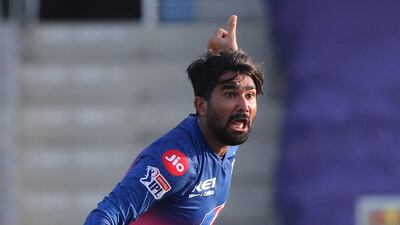
Rahul Tewatia – 7. Suffered a fearful blow when hit on the chest by a 140kph beamer from Saini – only to hit the next two balls for six. Four overs for 28 with the ball. Sportzpics for BCCI -
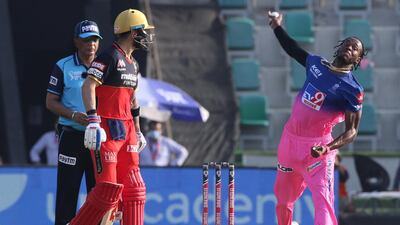
Jofra Archer – 7. Visibly frustrated with his fielders, as they let simple balls past and did not go full bore for others. One for 18, and another decent cameo with the bat. Sportzpics for BCCI -
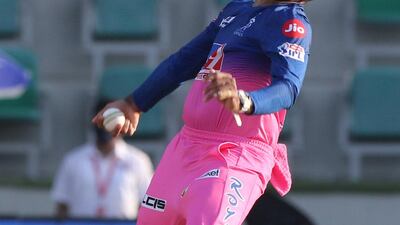
Shreyas Gopal – 7. Picked up the wicket of Finch, and four overs for 27 was tidy enough, but RCB were able to milk him given the small total. Sportzpics for BCCI -
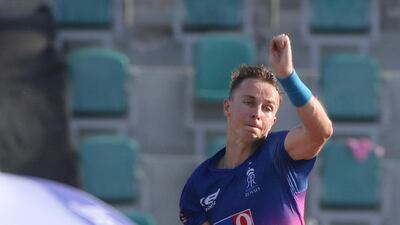
Tom Curran – 5. None for 36 off three, as his economy rate remains a worry. It seemed as though it was getting to him this time, too. Sportzpics for BCCI -
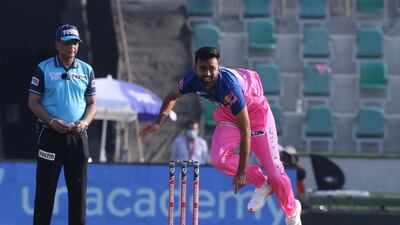
Jaydev Unadkat – 5. Must be sweating on his place in the side now. Just one wicket in four matches, and an alarming economy rate, too. Sportzpics for BCCI


________________
“This is a great opportunity to help grow our fan-base here 365 days per year,” Lush McCrum said. “We have been looking at the UAE for a while, but it is about finding the right partner, who has good experience and been successful here.
“It is a challenging thing coming to a country you have no experience in yourself. We wanted someone who could follow our Royals brand of cricket, and share that philosophy.”
That partnership is with a new company – Red Bear Sports – that is co-founded and run by Dougie Brown, the former UAE coach, and Will Kitchen, the former performance director of the Emirates Cricket Board.
“We are passionate about developing cricket in the UAE, and we were keen to find a partner to help us continue the work we have done in terms of player development for the past six or seven years,” Kitchen said.
“We want to bring to life the things we think are important to young people when trying to engage them in the game.
“If we can find people we think can progress to IPL, fantastic. But what we really want to do is try to make sure we can enable people to engage with coaches who are passionate about the game.”

Kitchen hopes to have 150 children enrolled in the academy by the end of the year. The initial intake will include six scholarships for girls, selected from a trial next week involving up to 22 players recommended by the ECB.
The new venture will be the first time a coaching academy has been based at The Sevens, which has three grass cricket ovals, as well as a number of sand grounds, adjacent to city’s rugby headquarters.
“We think the quality of the facilities are paramount to the experience,” Kitchen said. “There is no doubt in my mind that The Sevens is one of the best cricket facilities. We are blessed in the UAE to have four or five unbelievably high quality cricket facilities.
“I think back now to when I was a young player, at club grounds. The chance here, for young players to step on to the same facilities that IPL franchises train on is a real point of difference.
“We think the extra 10 or 15 minute commute [from Dubai] is worth it, to train somewhere that is not just high quality but genuinely inspiring.”

