

For nearly three years, Lebanon has been steadily collapsing under the weight of a financial crisis that is one of the worst in the modern world. But what is life like for those who have to live through the situation on the ground?
-

November 1, 2019: Banks implement capital controls after shutting for two weeks. Reuters -
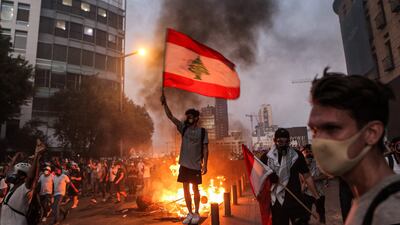
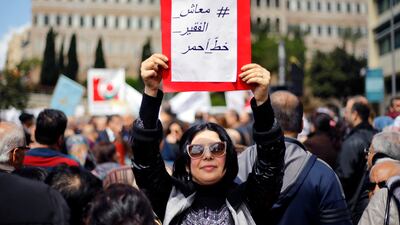
March 2020: Lebanon defaults on its sovereign debt for the first time in its history, amid protests in the country. AFP -
April 2020: The government of Hassan Diab, prime minister at the time, pictured with President Michel Aoun, approves a financial recovery plan. Reuters -
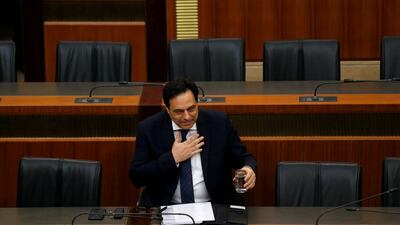
May 1, 2020: Mr Diab's government requests assistance from the International Monetary Fund. The Association of Banks in Lebanon rejects the plan. Reuters -
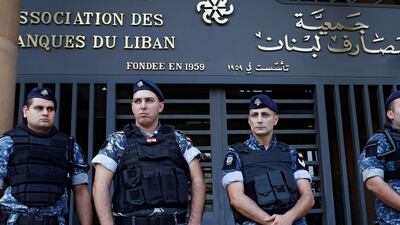
May 20, 2020: the ABL presents an alternative plan. Reuters -
July 1, 2020: a Parliamentary fact-finding committee backs the ABL. The IMF suspends negotiations with Lebanon. AP -
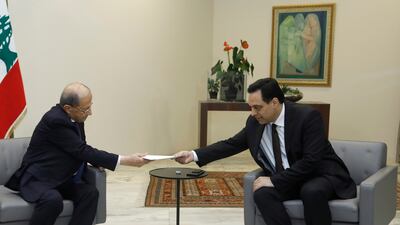
August 10, 2020: Mr Diab resigns following a devastating explosion at Beirut’s port, in which at least 232 people died and 7,000 were injured. AP -
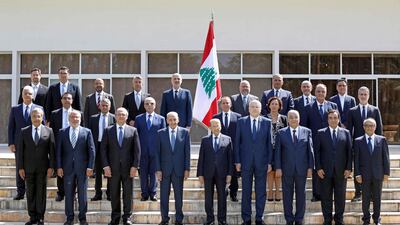
September 10, 2021: Najib Mikati, fourth from right, forms a government. AFP -
January 2022: Lebanon re-starts negotiations with the IMF. Reuters -
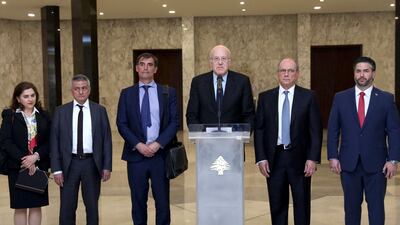
April 7, 2022: The IMF and Lebanon reach a staff-level agreement. AFP -
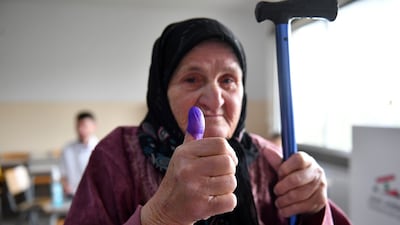
May 15, 2022: Lebanon holds parliamentary elections. EPA -
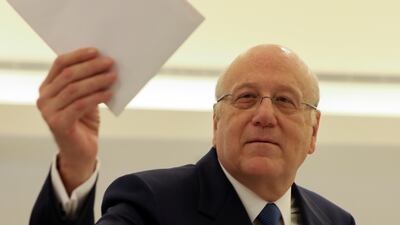
May 20, 2022: Mr Mikati’s government approves a new financial recovery plan. Reuters -
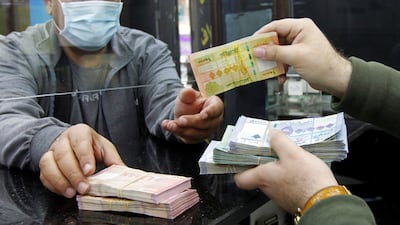
May 24, 2022: The ABL rejects the plan. The local currency hits the record low of 34,000 Lebanese pounds to the dollar – 95 per cent lower than the official rate. Reuters


To be Lebanese is to navigate a slew of daily challenges caused by the economic rupture. So people have developed coping mechanisms. And they’re not always healthy. Experts say mental health is declining, and substance use is on the rise.
This week on Beyond the Headlines, host Nada Homsi takes a look at Lebanon’s hidden psychological crisis.



