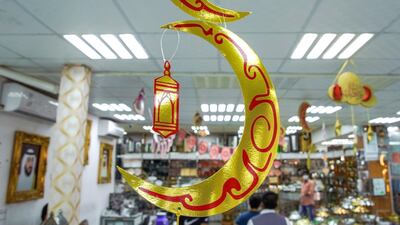

Ramadan 2021 is upon us. About 1.8 billion Muslims have entered a month of reflection, fasting and celebration. But for the second year in a row, the day-to-day reality of the occasion will be different.
In 2020, Muslims across the globe first came to terms with a drastically altered Ramadan. In the UAE, mosques were closed throughout the month, an unprecedented but necessary measure to limit the spread of Covid-19. This year, with the Emirates having one of the highest vaccination rates in the world, Ramadan will ever so slightly start to resemble what it had been before the pandemic. Mosques will now be open, but subject to sanitisation before and after prayers, and strict social distancing measures. Worshippers will have to bring their own prayer mats and Qurans. Optional taraweeh prayers will be permitted in mosques at night, but communal iftar, the meal that breaks the fast, will not. While measures across the Middle East are generally set to be less restrictive than last year, most nations are implementing similar limits to those in the UAE.
-
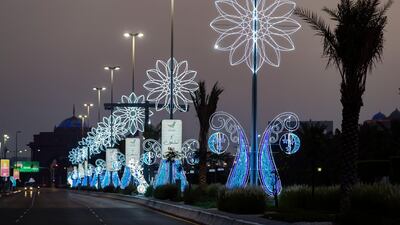
Ramadan decorations on the Corniche at sunset in Abu Dhabi. Chris Whiteoak / The National -

Ramadan decorations on the Corniche at sunset in Abu Dhabi. Chris Whiteoak / The National -
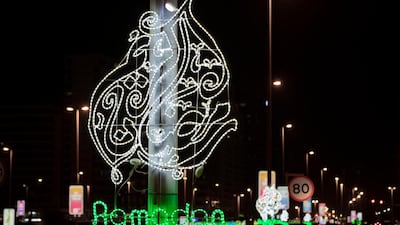
Ramadan decorations on the Corniche at sunset in Abu Dhabi. Chris Whiteoak / The National -
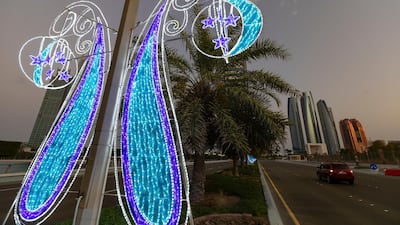
Ramadan decorations on the Corniche at sunset in Abu Dhabi. Chris Whiteoak / The National -
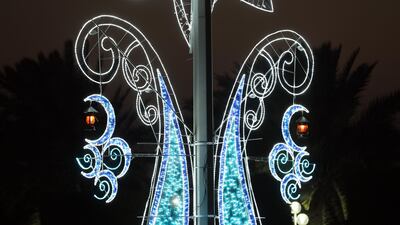
Ramadan decorations on the Corniche at sunset in Abu Dhabi. Chris Whiteoak / The National -
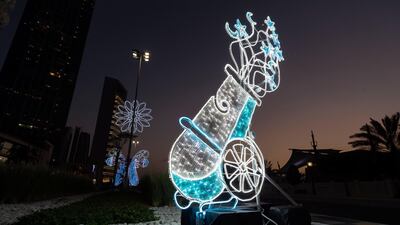
Ramadan decorations on the Corniche at sunset in Abu Dhabi. Chris Whiteoak / The National -
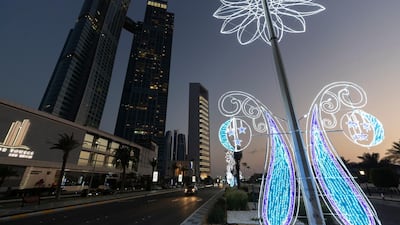
Ramadan decorations on the Corniche at sunset in Abu Dhabi. Chris Whiteoak / The National -
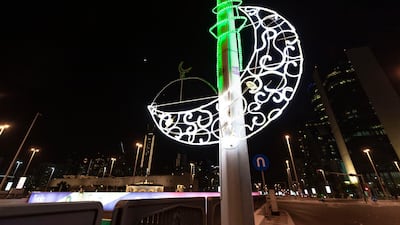
Ramadan decorations on the Corniche at sunset in Abu Dhabi. Chris Whiteoak / The National -
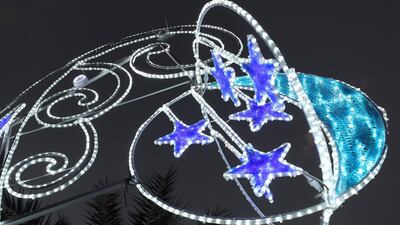
Ramadan decorations on the Corniche at sunset in Abu Dhabi. Chris Whiteoak / The National -
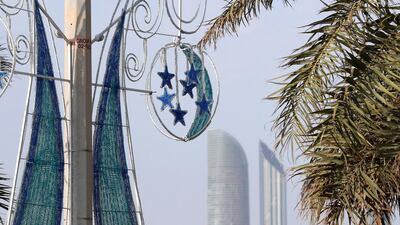
Ramadan decorations on the Corniche at sunset in Abu Dhabi. Chris Whiteoak / The National


None of this means that Ramadan 2021 will be any less spiritual. It is still an opportunity to reflect on the blessings that we have and how we can help others. Two years of abnormality will never alter the long-standing values of the month, which Muslims have been promoting for 14 centuries. Charity, one such ideal, had a boost on Sunday when the UAE set out a plan to fund 100 million meals in 20 different countries. On the same day, the country pardoned 439 prisoners. And as mosques across the world prepare to welcome worshippers during the most holy part of the year, an army of volunteers will offer their time to sanitise and keep locations safe for all those who use them.
The National has reported on how people are confronting these difficult circumstances creatively. Bismillah Buddies, an Islamic educational brand for children, has published After Iftar Tales, a new collection of stories by authors from Dubai to London, which teaches children about the meaning of Ramadan at a time when they are unable to experience it in full. The world of fashion is rallying round its struggling designers by organising pre-Ramadan exhibitions, such as Sawa, which was created by two Dubai friends to support local entrepreneurs who have been negatively affected by Covid-19.
All religions have had to alter their practices in one form or another during the pandemic. For Muslims observing Ramadan, this is still a blessed time. Limits on community life can be countered by connecting online, maintaining a healthy and balanced diet and reflecting on what has been achieved. Spiritual renewal is never an easy process but it is a fulfilling one. And with discipline today, things might be very different next year.

