


The Arab world's academics have been offering students lessons on how to lead a fulfilled, scholarly life for centuries. Fatimid-era scientist Ibn Al Haytham, the father of modern optics and pioneer of the scientific method, taught his followers as early as the 11th century about the need for scepticism when trying to uncover the true nature of things: "The duty of the man who investigates the writings of scientists, if learning the truth is his goal, is to make himself an enemy of all that he reads."
These ideals remain important for today's students, but other, more worldly priorities are on their minds, too. Gone are the days when higher education was the reserve of a lucky, mostly rich, few. Now it is often key to earning a decent livelihood in an increasingly educated and competitive economy. As Ibn Al Haytham advises, students should be sceptical when it comes to ideas; but in the competitive 21st century, they would do best not to make themselves enemies of the modern jobs market.
Graduates are right to be taking future earnings into consideration when making degree choices. Even in the richest countries, fear of graduate unemployment, often combined with heavy student debt, is well-founded. In 2019, the New York Federal Reserve Bank found that for the first time in three decades, American graduates were more likely to be unemployed than overall workers. That same year, graduate unemployment in Egypt exceeded 36 per cent.
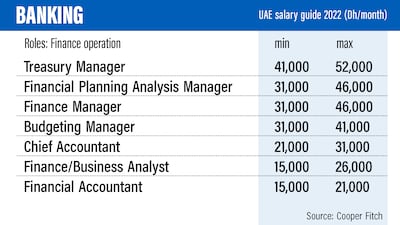
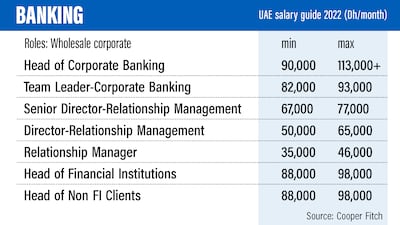
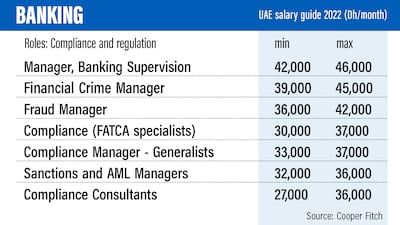
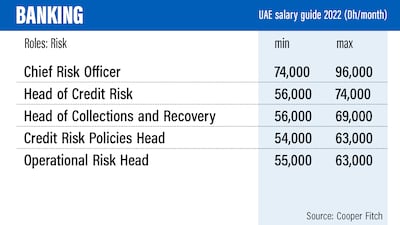
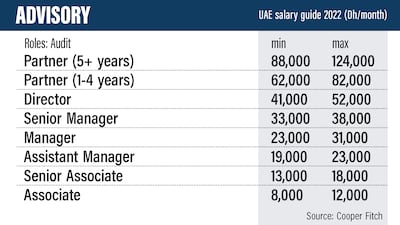
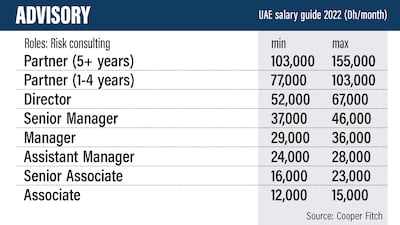
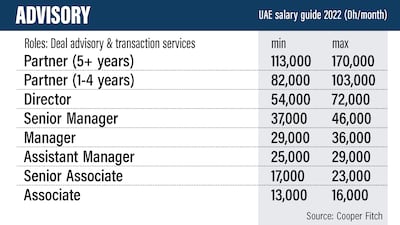
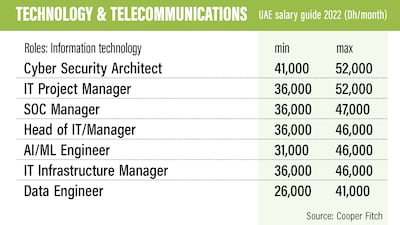
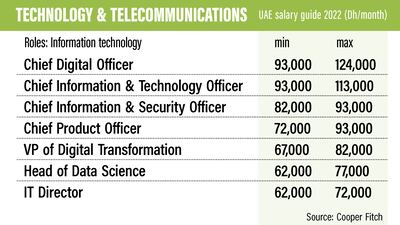
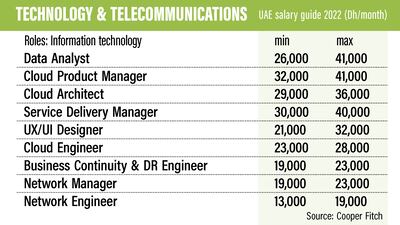
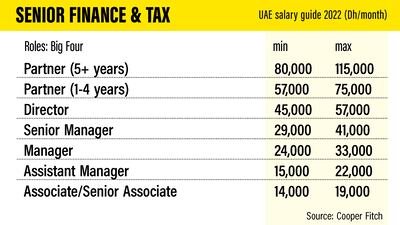
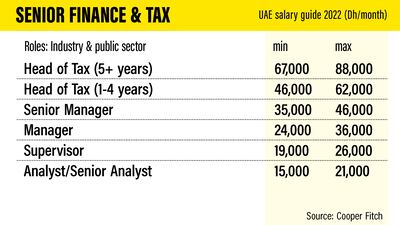
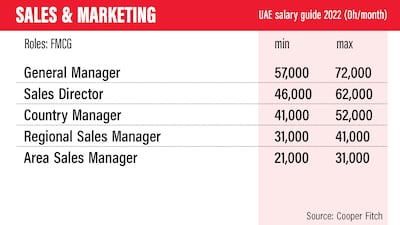
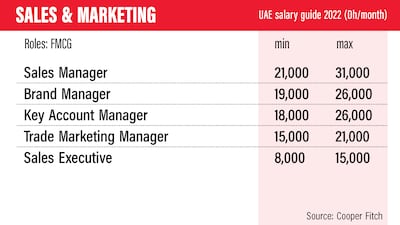
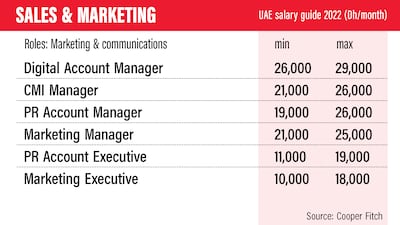
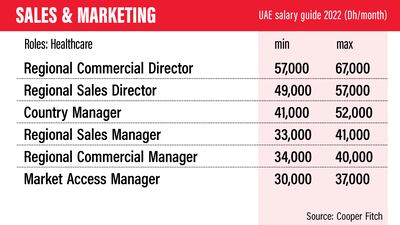
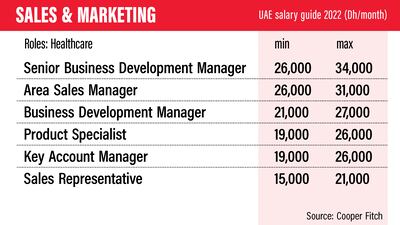
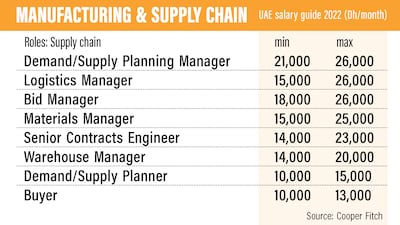
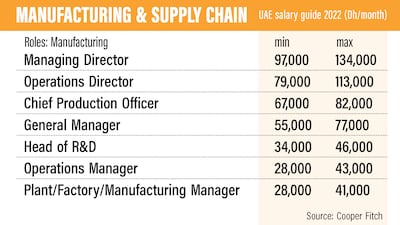
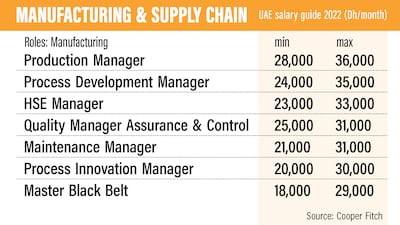
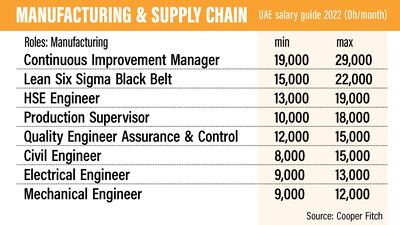
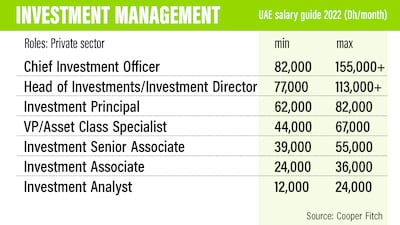
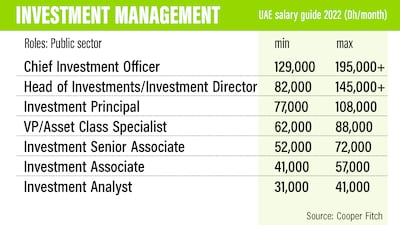
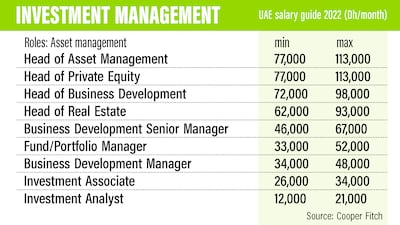
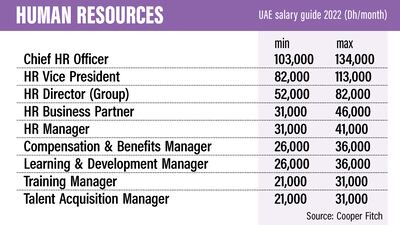
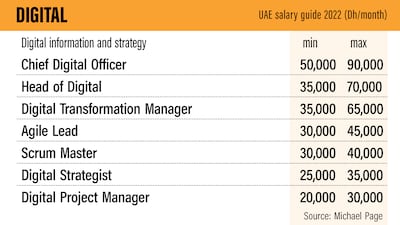
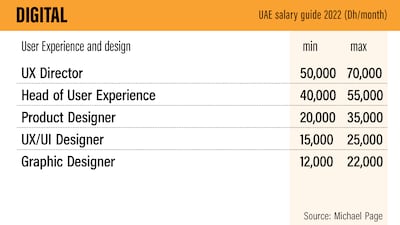
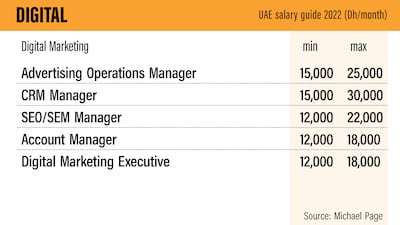
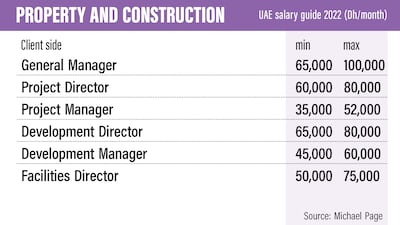
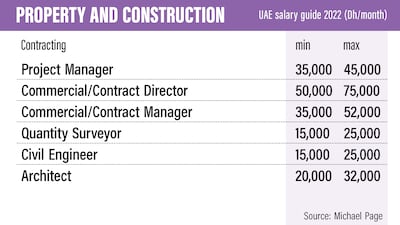
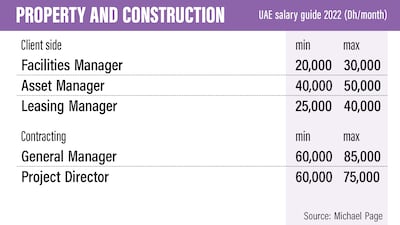
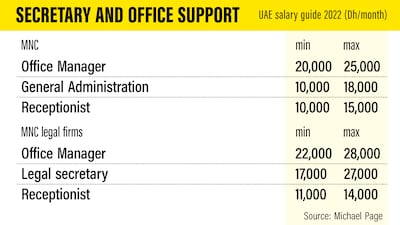
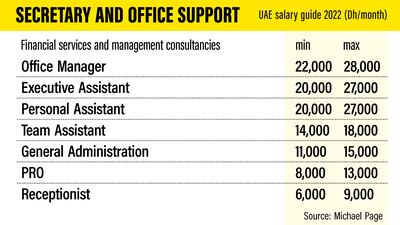
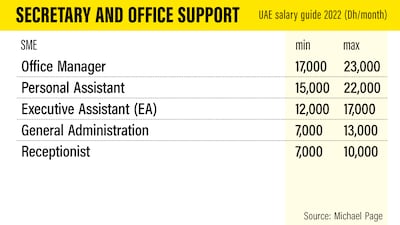
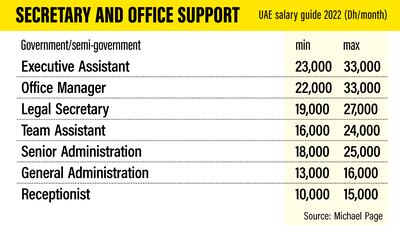
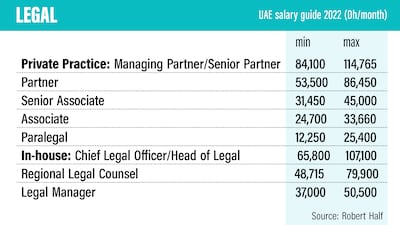
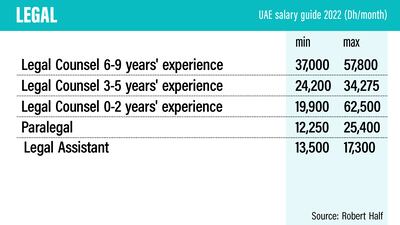
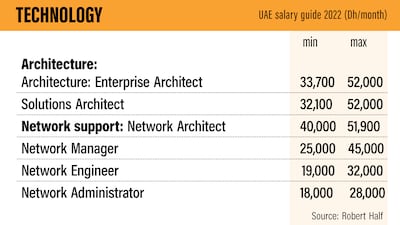
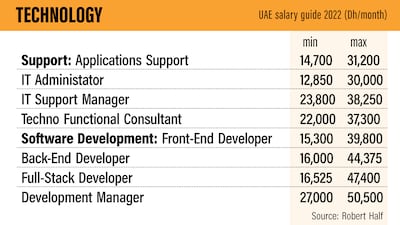
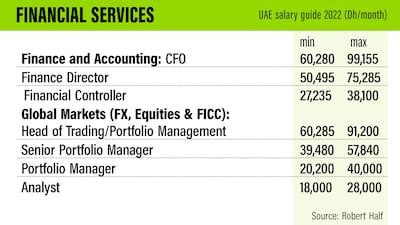
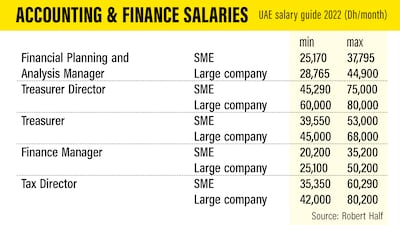
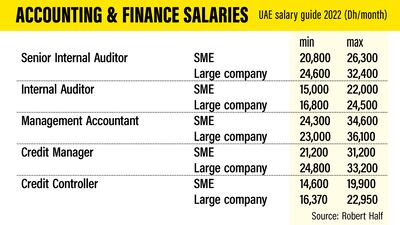
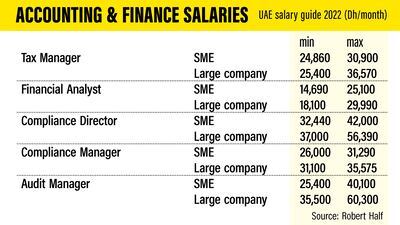
Earlier this week The National spoke to three university teachers about degrees that lead to the best-paying jobs in the UAE. Some observations were unsurprising. “People very rarely have difficulty in finding employment as a result of having done a business degree,” said Dr James Trotter, dean of Murdoch University Dubai. It is little surprise, then, that the subject is "by far the most popular" in a country that since its inception has put commerce at the centre of its development. And, as skyscrapers and modern industries rose to accommodate the new economy, engineering has also become a top choice, perhaps even the most profitable of all, according to Dr Kavita Shukla of Amity University Dubai.
-
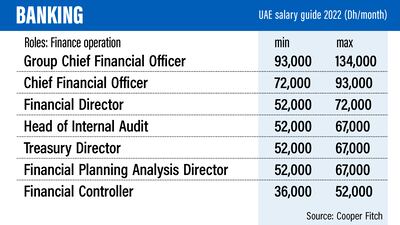
UAE salary guide 2022 -
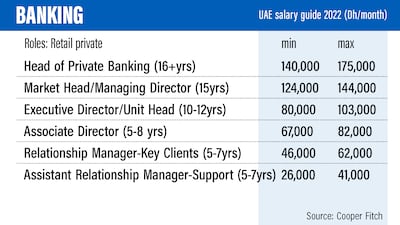
UAE salary guide 2022 -
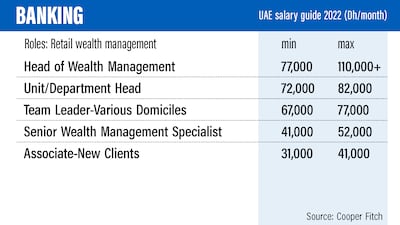
UAE salary guide 2022 -
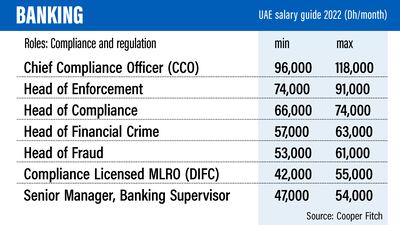
UAE salary guide 2022 -
UAE salary guide 2022 -
UAE salary guide 2022 -
UAE salary guide 2022 -
UAE salary guide 2022 -
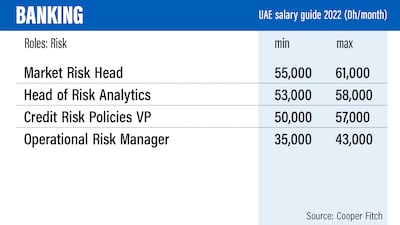
UAE salary guide 2022 -
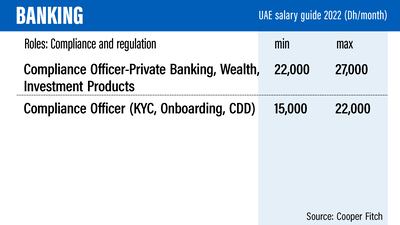
UAE salary guide 2022 -
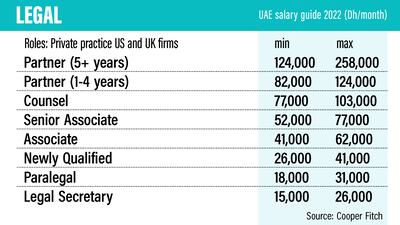
UAE salary guide 2022 -
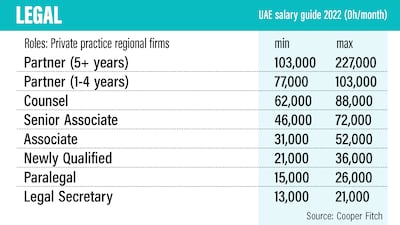
UAE salary guide 2022 -
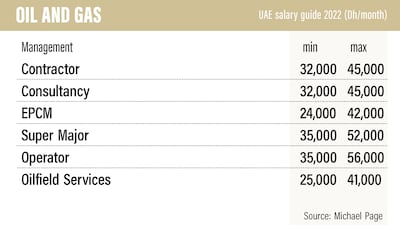
UAE Salary guide 2022 -
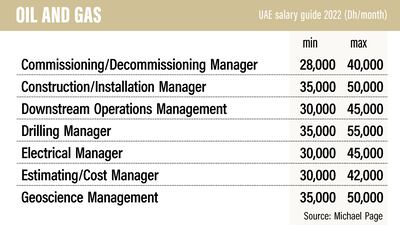
UAE Salary guide 2022 -
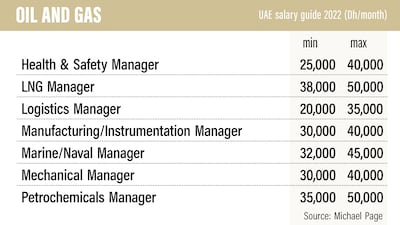
UAE Salary guide 2022 -
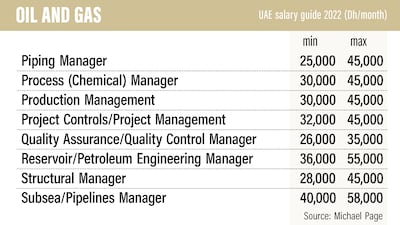
UAE Salary guide 2022 -
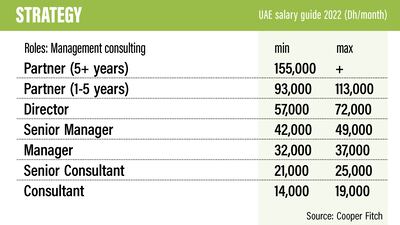
UAE salary guide 2022 -
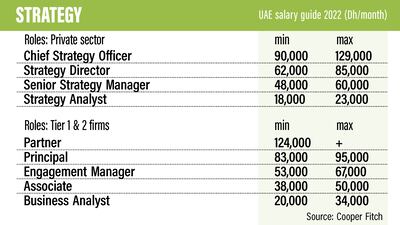
UAE salary guide 2022 -
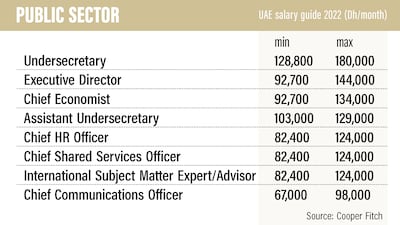
UAE salary guide 2022 -
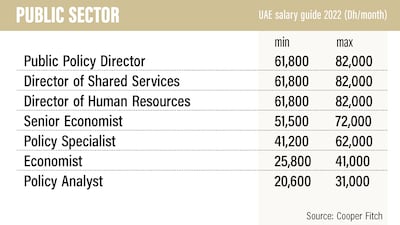
UAE salary guide 2022 -
UAE salary guide 2022 -
UAE salary guide 2022 -
UAE salary guide 2022 -
UAE salary guide 2022 -
UAE salary guide 2022 -

UAE salary guide 2022 -
UAE salary guide 2022 -
UAE salary guide 2022 -
UAE salary guide 2022 -
UAE salary guide 2022 -
UAE salary guide 2022 -
UAE salary guide 2022 -
UAE salary guide 2022 -
UAE salary guide 2022 -
UAE salary guide 2022 -
UAE salary guide 2022 -
UAE salary guide 2022 -

UAE salary guide 2022 -

UAE salary guide 2022 -
UAE salary guide 2022 -
UAE salary guide 2022 -
UAE salary guide 2022 -

UAE salary guide 2022 -

UAE salary guide 2022 -
UAE salary guide 2022 -
UAE salary guide 2022 -
UAE salary guide 2022 -
UAE salary guide 2022 -
UAE salary guide 2022 -
UAE salary guide 2022 -
UAE salary guide 2022 -
UAE salary guide 2022 -
UAE salary guide 2022 -
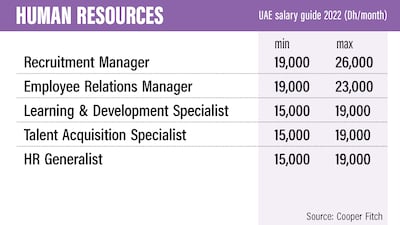
UAE salary guide 2022 -
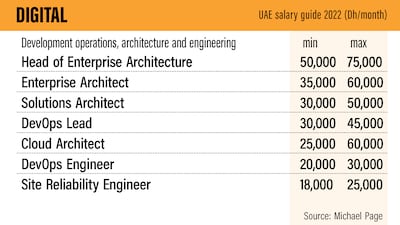
UAE Salary guide 2022 -
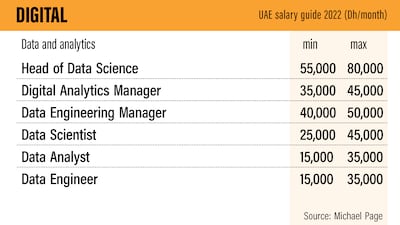
UAE Salary guide 2022 -
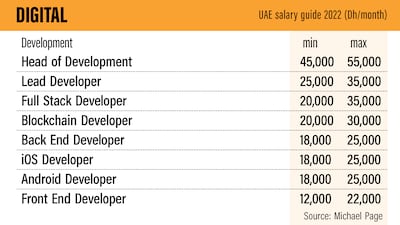
UAE Salary guide 2022 -

UAE Salary guide 2022 -
UAE Salary guide 2022 -
UAE Salary guide 2022 -
UAE Salary guide 2022 -
UAE Salary guide 2022 -
UAE Salary guide 2022 -
UAE Salary guide 2022 -

UAE Salary guide 2022 -
UAE Salary guide 2022 -
UAE Salary guide 2022 -
UAE Salary guide 2022 -
UAE Salary guide 2022 -
UAE Salary guide 2022 -
UAE Salary guide 2022 -
UAE Salary guide 2022 -
UAE Salary guide 2022 -
UAE Salary guide 2022 -
UAE Salary guide 2022 -
UAE Salary guide 2022 -
UAE Salary guide 2022 -
UAE Salary guide 2022 -
UAE Salary guide 2022 -
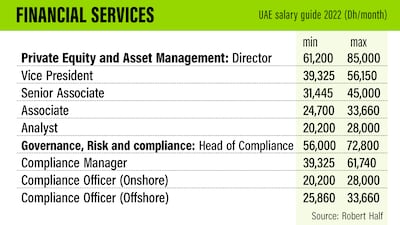
UAE Salary guide 2022 -
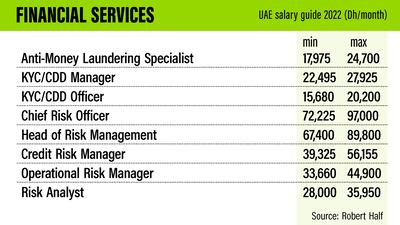
UAE Salary guide 2022 -
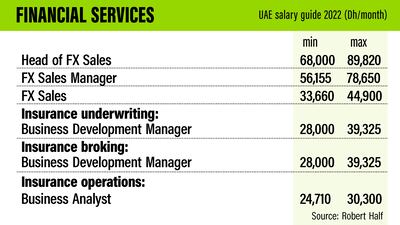
UAE Salary guide 2022 -
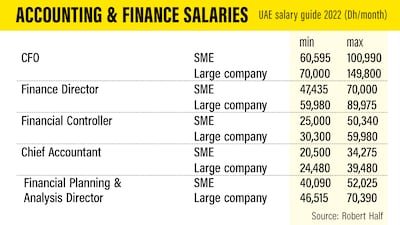
UAE Salary guide 2022 -
UAE Salary guide 2022 -
UAE Salary guide 2022 -
UAE Salary guide 2022 -

UAE Salary guide 2022


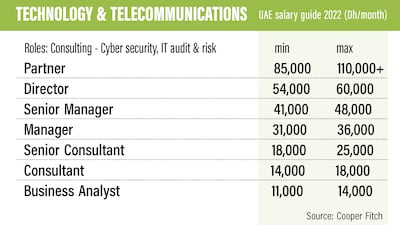
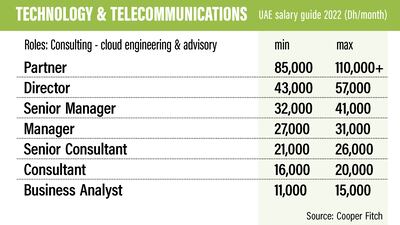
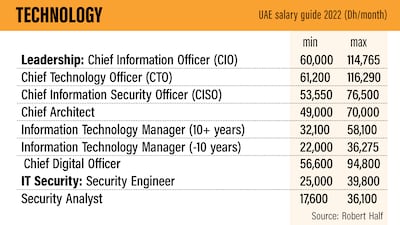
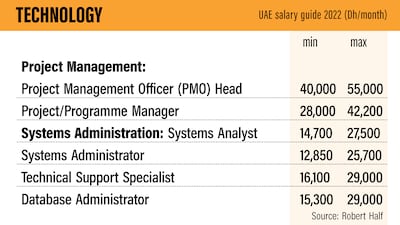
But other trends have emerged more recently. Technical backgrounds are now highly sought-after, with qualifications in IT, artificial intelligence, robotics and nanotechnology increasingly in demand, all a reflection of the impetus the Emirates is putting on creating an economy based on future-focused industries.
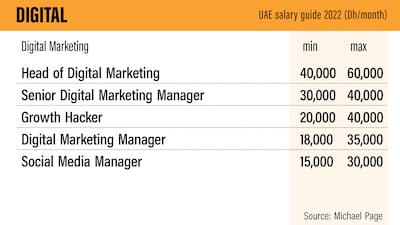
For students who would rather pursue other studies there are still many options. “The UAE is such a vibrant and growing economy and constantly growing population. There’s almost an ever-increasing need for highly skilled employees,” Dr Trotter also says. While he regards a decline in popularity for arts subjects as "unfortunate", he expects they might bounce back. After all, the type of worker the UAE is trying to attract through its Golden Visa programme – a good indicator of which sectors the government most wants to grow – is not just those in technical fields, but artists and creative specialists, too. In another positive sign that the humanities are not being disregarded, the Mohamed bin Zayed University for Humanities in Abu Dhabi announced this week that it will award full scholarships to 100 students for the next academic year.
Prof Ammar Kaka, provost of Heriot-Watt University Dubai, also noted the rising popularity of "upskilling", further specialising in a field, and "reskilling", which involves learning about a new area later on. He said the “vast majority” of students at his institution doing these advanced degrees were “working professionals”, good news for older students who want something new later in life.
There is also growing recognition that the path to profitable graduate careers does not start at university. A key labour reform in recent months allows for the first time those over the age of 15 in the UAE to get part-time jobs. These are unlikely to be in specialist fields, but more in customer-facing, practical ones, excellent environments to build the skills and work ethic in preparation for better-paid jobs. After all, for many, the first pay packet, while not the largest, is often the most memorable.
While some sectors might be more profitable than others, the overall impression from experts is that in the UAE's increasingly diversified economy, whichever field a student chooses, with the right attitude and skills, much is possible.

