


Greek authorities are investigating claims that the country’s coastguard caused the deaths of dozens of migrants, including nine who were deliberately thrown into the sea.
Analysis by the BBC claims that more than 40 people are alleged to have died as a result of the coastguard’s actions, either by being forced out of Greek waters or taken back to sea after reaching the shore.
The coastguard has rejected the accusations, however Greece’s Ministry of Maritime Affairs and Insular Policy has confirmed the footage is being investigated by the country’s independent National Transparency Authority.
In total, the research, which features in a new BBC documentary, Dead Calm: Killing in the Med?, claims 43 people died due to the coastguard's actions in 15 incidents over three years, with sources including local media, NGOs and the Turkish coastguard.

Some of the cases were corroborated by witnesses, including five incidents in which migrants said they had been thrown into the sea.
One man from Cameroon, who was found by Greek authorities after arriving on Samos in 2021, said he and two others were rounded up and taken to a Greek coastguard boat.
“They started with the [other] Cameroonian. They threw him in the water. The Ivorian man said: ‘Save me, I don’t want to die … and then eventually only his hand was above water, and his body was below," the man said.
"Slowly his hand slipped under, and the water engulfed him."
He said he managed to swim to the shore, but the bodies of the other two migrants he was thrown into the water alongside later washed up on the Turkish coastline. The incident had been covered by media.
In a statement issued to The National, Dr Wanda Wyporska, chief executive at Safe Passage International, said "this is not an unfamiliar story" to the group.
She said: “We know from our work in Greece with people fleeing war and persecution that border policies are often extremely aggressive and endanger lives.
“We need countries to work together to open safe routes for refugees, reunite families, end hostile policies, and restore the right to asylum – lives depend on it.”
Last June, the coastguard was forced to defend its response to a maritime disaster in which hundreds of people are believed to have died, after admitting its vessels had monitored the ill-fated ship for several hours before it sank.
Up to 700 people were estimated to be on board. Some 104 survived and 82 corpses were recovered.
The vessel was en route from Libya to Italy.
For months Greek authorities blamed nine Egyptians on board, but they were released last month when a Greek court dismissed the case. The focus of investigations is now likely to fall on the coastguard, legal experts said.
But a year on, no independent investigation has been completed into the coastguard's role, no one has been held accountable, and relatives await news of the fate of loved ones, according to interviews with a dozen survivors, relatives and lawyers.
Greece shipwreck tragedy - in pictures
-
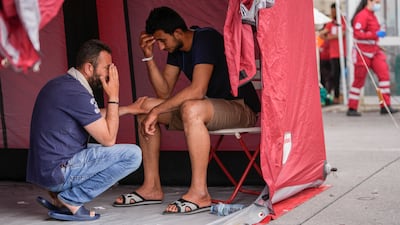
Survivors of the shipwreck outside a warehouse in the port at Kalamata. AP -
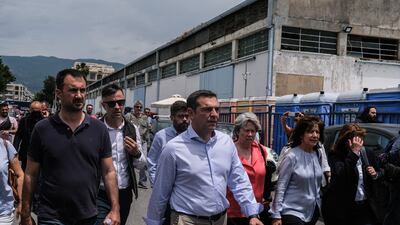
Former prime minister Alexis Tsipras, currently running for office again, arrives at the port. Getty Images -

Kassem Abo Zeed holds up a photograph with his wife, Ezra, who is missing after the fishing boat carrying migrants sank off southern Greece. AP -
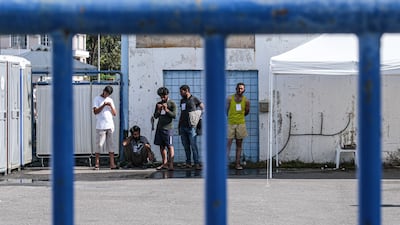
Some of the surviving migrants outside the hangar where they are being temporarily housed. Getty Images -
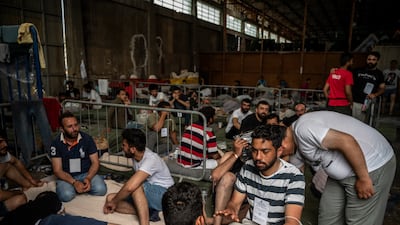
Survivors inside the warehouse. EPA -
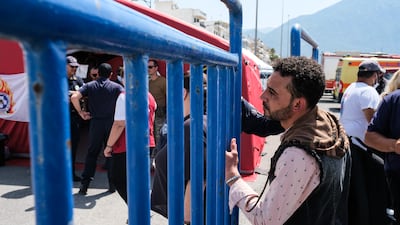
Mahmoud, an Egyptian migrant now living in Italy, arrives to find information about the 10 people he knew on the boat. Getty Images -
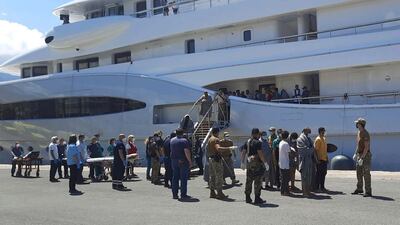
Survivors arrive by yacht at the port in Kalamata, about 240km south-west of Athens. AP -
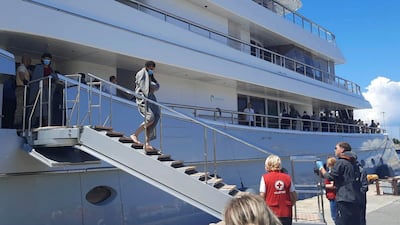
Authorities said at least 32 people died after a fishing boat carrying dozens of migrants capsized and sank off the southern coast of Greece. AP -
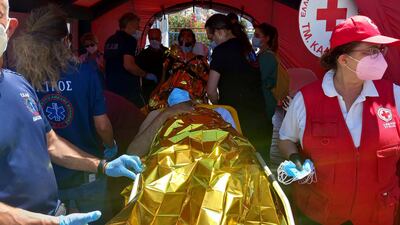
Survivors receive first aid at the port in Kalamata. AP -
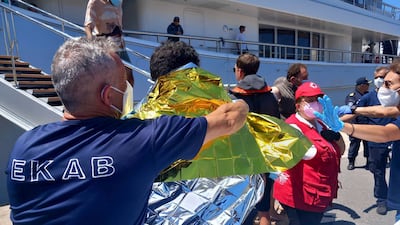
About 100 people were rescued and taken to the town of Kalamata. AP -
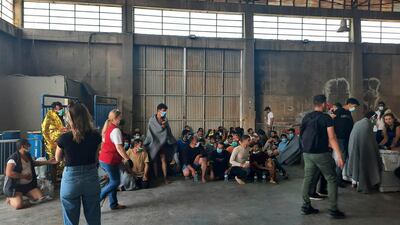
A warehouse at the port. AP -
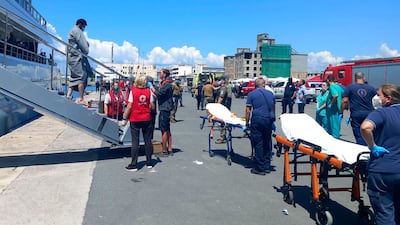
Survivors leave the yacht. AP


Last year, 3,155 migrants died or went missing after trying to cross the Mediterranean, according to the UN's International Organisation for Migration (IOM).
European sea patrols are "very insufficient", IOM spokesman Flavio Di Giacomo said.
And despite fewer numbers this year, "migrants who embark to cross the Mediterranean risk their lives more than last year" because they are less likely to be rescued in the event of shipwreck, he said.


