Life among the ruins in Raqqa - in pictures
-
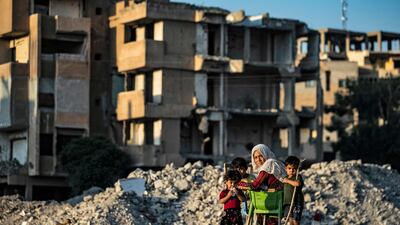
A Syrian woman and children gather amidst rubble in the city of Raqqa, the former Syrian capital of ISIS. All photos: AFP -
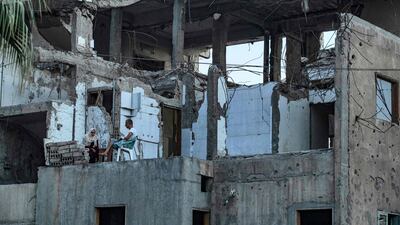
Raqqa was captured in 2013 by the Syrian opposition and then by the Islamic State. ISIS made the city its capital in 2014. -
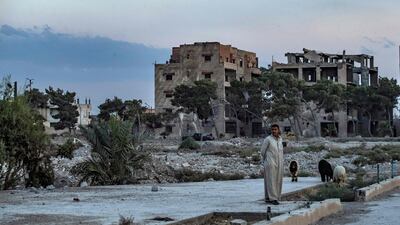
ISIS executed Alawites and suspected supporters of Bashar Al Assad in the city and destroyed Shia mosques and Christian churches. -
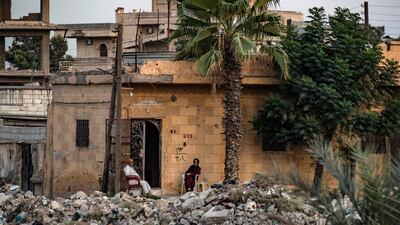
The Christian population of Raqqa, which had been estimated to be as much as 10 per cent of the total population before the civil war began, have largely fled the city. -

In November 2015, France dropped about 20 bombs on multiple ISIS targets in Raqqa in response to attacks in Paris. -
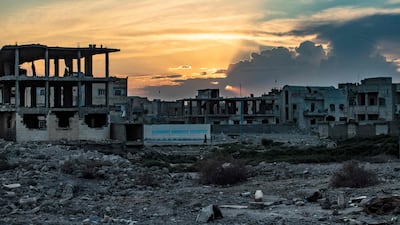
The Kurdish-led Syrian Democratic Forces overran Raqqa in 2017. -
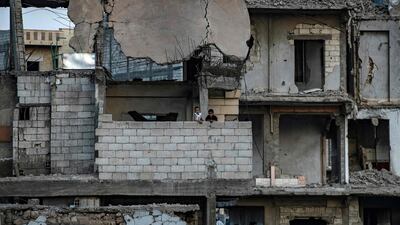
By June 2019, 300,000 residents had returned to the city and many shops had reopened. -
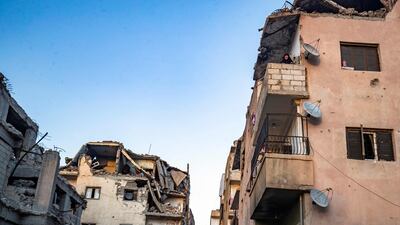
Several public hospitals and schools have reopened, and the stadium, Raqqa Museum, mosques and parks restored. -
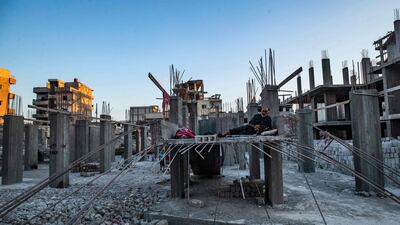
Rebuilding of residential houses and commercial buildings has been placed solely in the hands of civilians. -
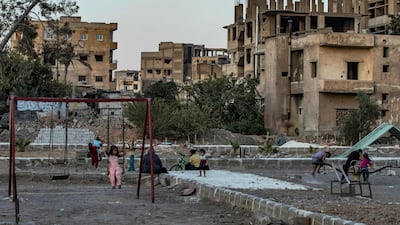
There is a continued presence of rubble, unreliable electricity and water access in some areas. -
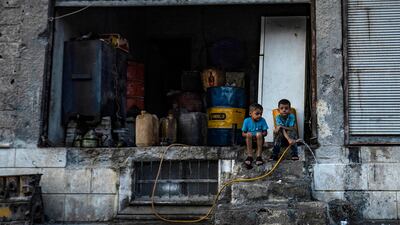
In 2019, the 'Shelter Project' was launched by international organisations in co-ordination with the Raqqa Civil Council, providing funding to residents of partially destroyed buildings to aid with reconstruction. -
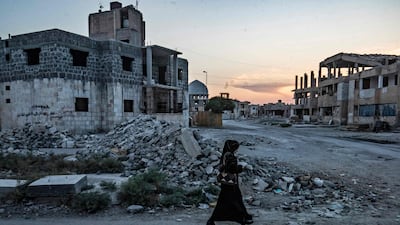
A Syrian woman walks past destruction in the northern Syrian city of Raqqa.


Most popular today

