

Lebanon's Cabinet has approved the demolition of the Beirut silos damaged in the August 2020 port blast which left at least 215 people dead, Lebanese Information Minister Ziad Makari said.
The decision was based on a "technical report" that concluded the silos could collapse in the coming months, Mr Makari said in televised comments after Thursday's Cabinet session. He said it would be too expensive to renovate them.
Families of victims have called for the gutted grain silos to remain in place as a memorial, at least until a stalled probe into the chemical explosion can conclude.
The investigation into the blast, one of the biggest non-nuclear explosions recorded, has faced pushback from senior politicians who have refused to be interrogated.
Mr Makari said that Lebanon's interior and culture ministers had been tasked with overseeing the creation of a separate memorial for the blast.
Culture Minister Mohamed Mortada previously said that the government had decided to demolish the silos and rebuild new ones based on a "purely economic assessment" of Lebanon's food security needs.
Economy Minister Amin Salam previously told The National that the judge investigating the blast, Tarek Bitar, had informed the government that having access to the site was not necessary for his inquiry.
Lebanon needs more wheat storage to cope with global grains shortages resulting from the Russian war in Ukraine, from where Lebanon imports most of its wheat, officials say.
Destroyed Beirut police station reopened after reconstruction — in pictures
-

Beirut's municipal police force building stands fully renovated nearly two years after an explosion at the Lebanese capital's port killed more than 200 people and destroyed thousands of buildings. All photos: International Labour Organisation -

The building was restored while preserving its original architecture, thought to date back to the French Mandate. -
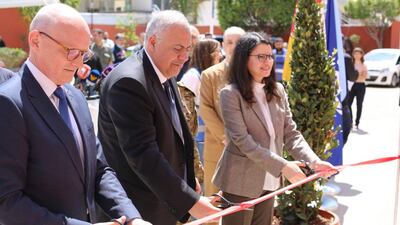
Germany funded the $210,000 restoration of the severely damaged police station, which lies close to Beirut's port and the Mediterranean. -
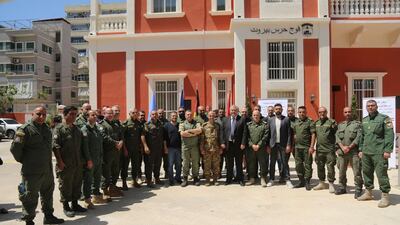
Beirut’s municipal police force station after its restoration. -
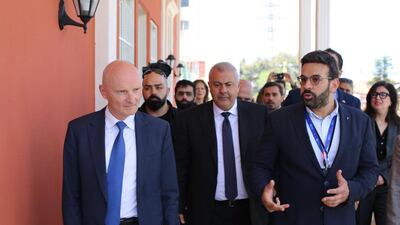
The municipal police force station after its restoration. -

The building was restored while preserving its original architecture. -

Germany's ambassador to Lebanon Andreas Kindl, governor of Beirut Marwan Abboud and ILO Regional Director for Arab States Ruba Jaradat. -
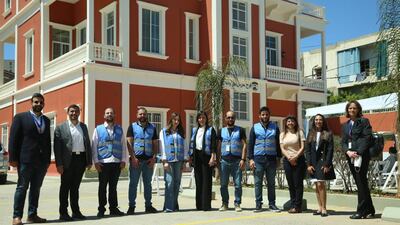
Beirut’s municipal police force station after its restoration. -
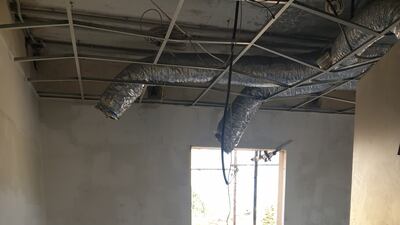
The police station after the August 4, 2020 blast at Beirut’s port. -
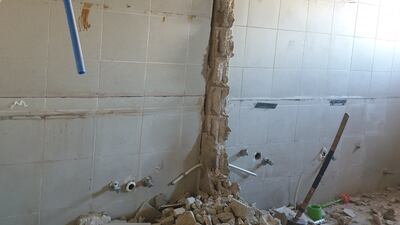
The police station after the August 4, 2020 blast at Beirut’s port. -
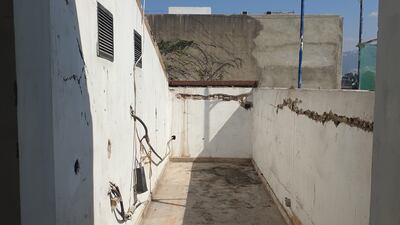
More than 200 people were killed in the Beirut blast. -

The restoration took eight months. -
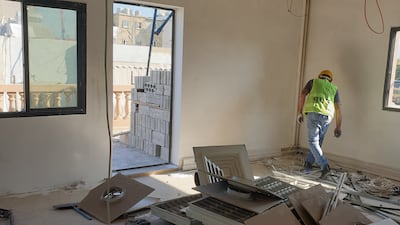
The police station after the 2020 Beirut explosion.



