

One in three families in Lebanon have children still showing signs of trauma a year after the devastating explosion at Beirut's port, the UN said on Tuesday.
Unicef, the UN's agency for children, said a survey last month showed that youngsters from 34 per cent of families in the country were "still showing signs of psychological distress".
"In the case of adults, the figure reaches almost one in two (45.6 per cent)," Unicef said in a report published on the eve of the blast's first anniversary.
The explosion on August 4 last year killed more than 200 people, wounded at least 6,500 others and damaged large parts of the capital city.
Lebanon has since had to grapple with the coronavirus pandemic and an economic crisis described by the World Bank as one of the worst since the mid-19th century.
"One year after the tragic events, children's lives remain deeply affected," said Yukie Mokuo, Unicef's representative in Lebanon.
"Those families have been struggling to recover from the aftermath of the explosion at the worst possible time, in the middle of a devastating economic crisis and a major pandemic."
-
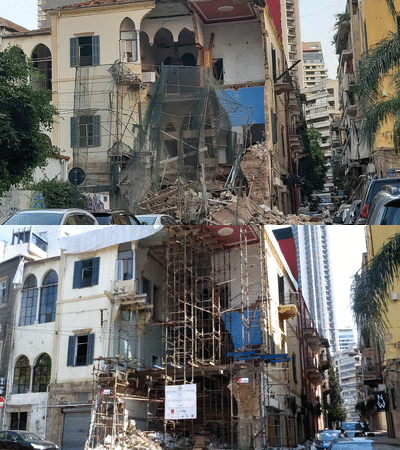
These images show various sites in Beirut on August 5, the day after the blast, and how they look now, one year on. This building has only been partially repaired. -
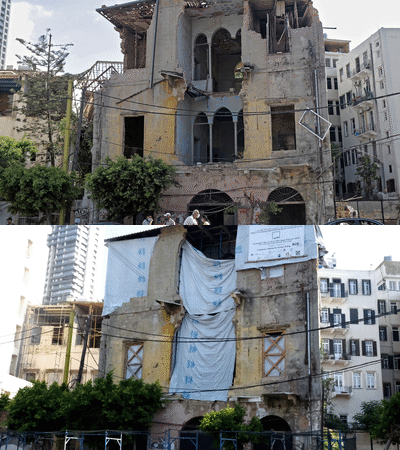
The damage to this house in Beirut has been partially covered. -
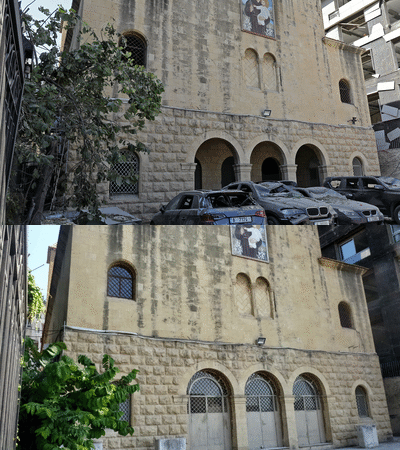
Cars were destroyed next to this church in the blast area. -
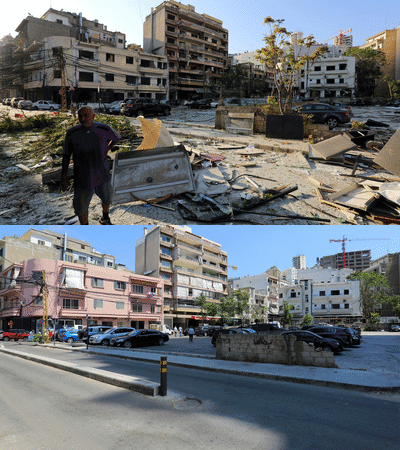
Damage near the site of the explosion and how it looks now. -
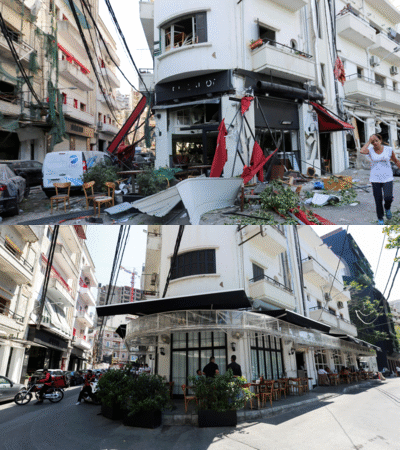
A restaurant damaged by the explosion has been largely repaired and restored. -

A view of the port on the day of the explosion and how it looks today. -

A petrol station and buildings in Al Rmeil area in Beirut. -
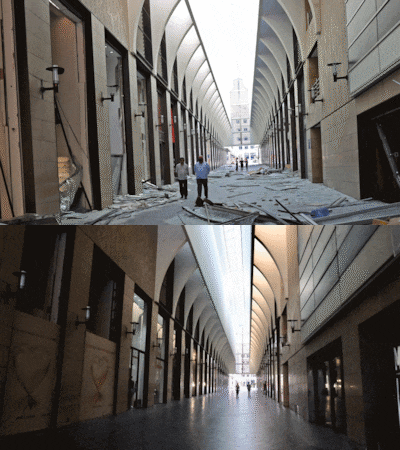
The damage to Beirut Souks in the downtown area of the city has been repaired. -
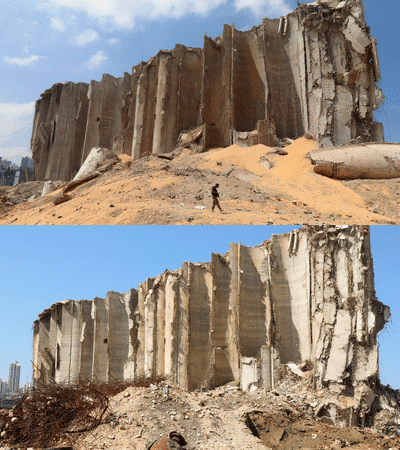
The grain silo at Beirut Port the day after the blast and how it looks now. -
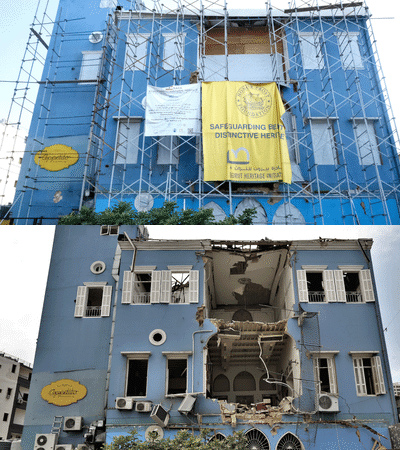
A street in Beirut the day after the blast and how it looks now. -
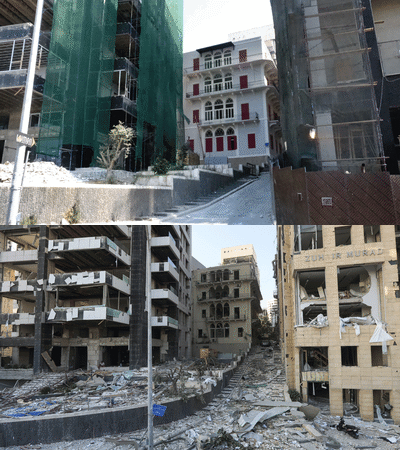
A street in Beirut the day after the blast and how it looks now.


The Unicef survey found that almost all families that requested assistance since the Beirut port blast still need help, especially financial and food assistance.
Many who lost their jobs have yet to find work, Unicef said, as Lebanon grapples with soaring poverty, rampant inflation and shortages of items from medicine to fuel.
"Children's lives are at risk as the escalating crisis is leaving most families unable to afford their basic needs," Ms Mokuo said.
Listen to the latest podcast on the Beirut blast here

