


In a new study carried out by Chinese researchers, almost half of a group of people who fasted intermittently experienced remission of their Type 2 diabetes.
The research found that people who fasted for five days, then ate a normal diet for 10 days, were much more likely to see their condition go into reverse than individuals who did not fast.
The findings may be of particular interest in the UAE because the country has one of the highest rates of diabetes in the world.
90 day experiment
The researchers in China looked at 72 people with Type 2 diabetes, half of whom were for a three-month period put on a regime involving five days of eating about 840 calories a day followed by 10 days of normal food intake. The other 36 participants, who formed a control group, ate normally throughout the three months.
During follow-up analysis three months later, diabetes had gone into remission in 17 of the 36 people (47 per cent) who intermittently fasted. Remission meant that the blood sugar level was below a certain threshold.
As well as being more likely to see their diabetes go into remission, this group experienced an average weight loss of 5.93kg.
In contrast, diabetes went into remission for just one of the 36 members of the control group, while their average weight loss was only 0.27kg.
The benefits of the restricted diet appeared to last, because a year after the experiment ended, diabetes was still in remission for 16 of the 36 people who fasted.
Scientists not involved in the Chinese study adopted a cautionary tone by suggesting that the benefits the study found may be the result of cutting calories rather than the fasting itself.
Writing in the Journal of Clinical Endocrinology and Metabolism this month, the researchers, most based in universities or hospitals in the Chinese city of Changsa, said their study "demonstrated the efficiency" of their method in "achieving diabetes remission for at least one year".
Foods that help to tackle diabetes - in pictures
-

People who have diabetes should eat plenty of fresh vegetables and avoid fried and sugary foods. -

Tuna is rich in omega-3 fatty acids and helps to manage diabetes because it can lower inflammation and improve blood sugar control. Silvia Razgova / The National -

Replacing processed foods with fresh, home-cooked meals brings many health benefits. Antonie Robertson / The National -

Berries are beneficial for people with diabetes because they are packed with antioxidants and fibre. iStockphoto -

Greek salads made with lettuce, onions, tomatoes and cucumbers are low in calories, high in nutrients and help regulate blood sugar levels. -
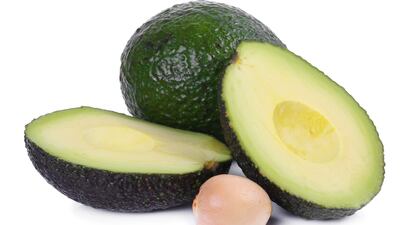
The good fats in avocados can help you prevent diabetes complications, such as heart attacks and strokes, and help your body to use insulin more effectively. -

Citrus fruits can lower blood sugar levels. Pawan Singh / The National -

Walnuts can be a good snack for people with type-2 diabetes. They may help to prevent heart disease, control blood sugar levels and aid weight loss.


Characterised by high blood sugar levels, diabetes has become an acute problem in the UAE, partly because poor diet and sedentary lifestyles have caused many people to become overweight or obese, conditions strongly linked to Type 2 diabetes. Type 1 diabetes is largely the result of genetic rather than lifestyle factors.
Warnings have been made that unless lifestyles improve, the rate of diabetes in the UAE could rise as high as 21.4 per cent by 2030, per global estimates by the World Health Organisation and the International Diabetes Federation.
Globally the prevalence of diabetes has "been steadily increasing over the past few decades", according to the World Health Organisation, and there are now an estimated 422 million people with the condition and about 1.5 million deaths each year are directly linked to it.
How accurate are the study findings?
While the researchers behind the new study suggested their findings indicated an approach that could help put Type 2 diabetes into remission, not all scientists are convinced.
"This study did not compare two diets with the same energy intake, as the intermittent diet was about 75 per cent of energy intake compared to normal intake," Dr Duane Mellor, a senior teaching fellow at Aston University medical school in the UK, told the Science Media Centre this month.
"Therefore, there is no surprise that the intermittent diet group lost weight. As one of the best predictors of achieving remission in Type 2 diabetes is weight loss, it is impossible to say if it is intermittent fasting which is helping to induce remission, as it is most likely to be the result of the weight loss."
He cautioned that people with Type 2 diabetes thinking of changing their diet should consult a medical professional to ensure that risks, such as low blood sugar levels, are minimised.
Prof Keith Frayn, emeritus professor of human metabolism at the University of Oxford in the UK, said that intermittent fasting "may prove useful as it seems the participants found it easy to follow this strategy".
"However, it seems probable that the beneficial effect on diabetes is primarily due to the loss of weight, as has now been shown in several studies, rather than any specific effect of the intermittent fasting protocol," he said.
"A different experimental design would be needed to support any claim that intermittent fasting has beneficial effects beyond loss of body weight."
Also commenting on the study, Victor Zammit, a professor of metabolic biochemistry at the University of Warwick in the UK, said that remission of Type 2 diabetes after very low calorie diets was "well established" and the regime in the new study, which involved spacing out meals, "seems to have similar beneficial effects".
He said research at his university has shown that spacing out meals allows the liver to inhibit liver fat accumulation and secretion, which contribute to symptoms linked to Type 2 diabetes.
Celebrities with Type 2 diabetes - in pictures
-

Larry King. The former CNN anchor has been on medication for diabetes since his diagnosis in the mid-90s. Despite a healthier routine and a lifestyle change after King had a heart attack and underwent bypass surgery in 1987, the news came as a shock. Rose M. Prouser, CNN / AP photo -

Patti LaBelle. The songstress learnt she had type 2 diabetes after passing out onstage. To help combat the disease, she learnt to revamp the way she cooks and adapting her style to suit her needs. She also works out with a trainer and takes walks in her neighorhood to help. Matt Sayles / AP photo -

Paula Deen. The celebrity chef known for her often fattening and calorie-filled Southern dishes, confirmed she had type 2 diabetes in 2012 at the age of 64 but was had been diagnosed three years earlier. Carlo Allegri / AP photo



