
The best photos of Hajj 2023
-
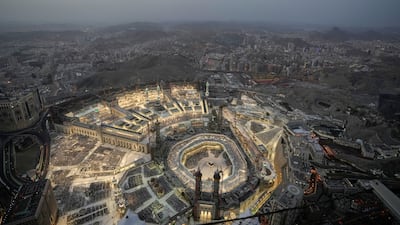
The Grand Mosque seen from the Clock Tower in Makkah, Saudi Arabia, during the Hajj pilgrimage. AP -
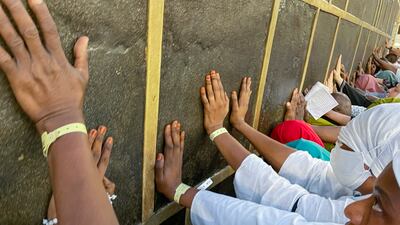
Pilgrims pray in front of the Kaaba, the cubic building at the Grand Mosque in Makkah. AP -
Pilgrims in the Grand Mosque. Photo: Hajj Ministry -
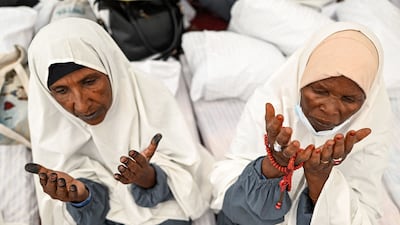
Pilgrims praying in Mina, near Makkah. AFP -

The Grand Mosque in Makkah with its clock tower and the Kaaba, Islam's holiest site, in the centre. AFP -
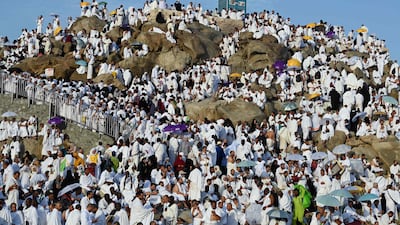
Pilgrims crowd Saudi Arabia's Mount Arafat, also known as the Mount of Mercy, during the Hajj pilgrimage. AFP -

Tents housing pilgrims in Mina for the annual Hajj pilgrimage. SPA -
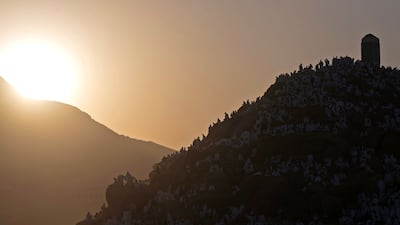
Pilgrims on Saudi Arabia's Mount Arafat during the climax of the Hajj pilgrimage. SPA -

Pilgrims pray on the Mount of Mercy on the plain of Arafat. Reuters -
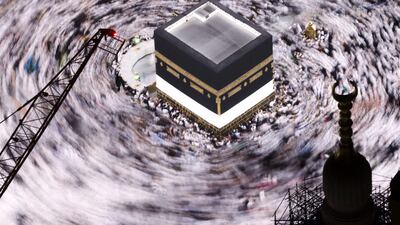
Pilgrims circumambulate the Kaaba in Makkah. Reuters -
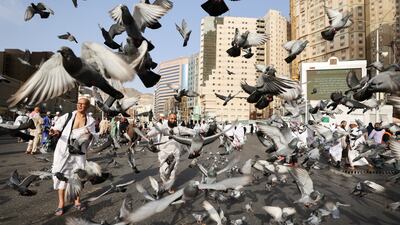
Doves and pilgrims outside the Grand Mosque in Makkah. Reuters -
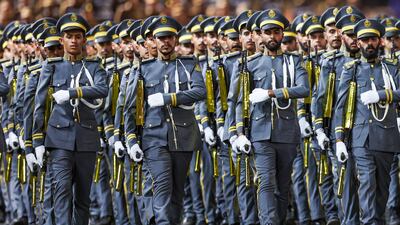
Saudi security forces parade in Makkah as Muslim pilgrims from around the world arrive for the Hajj. AFP -
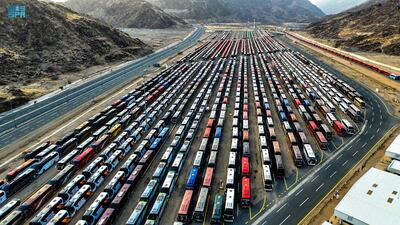
Buses used to transport pilgrims at a station in Makkah during the annual Hajj pilgrimage. SPA -
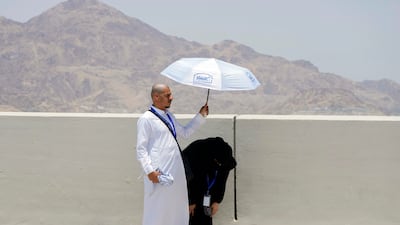
A pilgrim holds an umbrella as his wife prays, before they cast stones at a pillar in the symbolic stoning of the devil, in Mina, south-east of the holy city of Makkah, during the Hajj. AP


10-year-old Mohammed's journey during Hajj - in pictures
-

Mohammed, aged 10, is performing Hajj this year. The National -
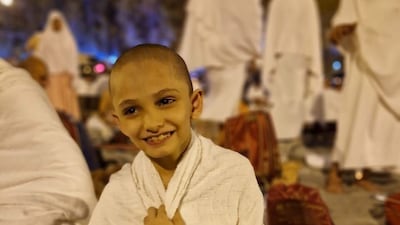
Hajj is not obligatory for minors or for those who cannot perform it for either financial or physical reasons. -
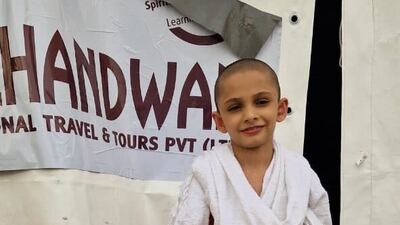
This is not the first time Mohammed has performed Hajj, as he was also brought as a baby. -
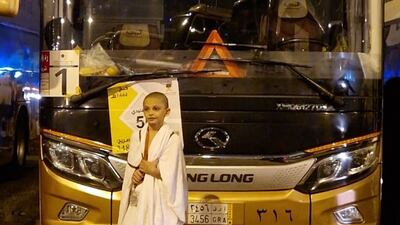
During Covid-19, children were not allowed to come on Hajj with their parents to help preserve their health and safety. -
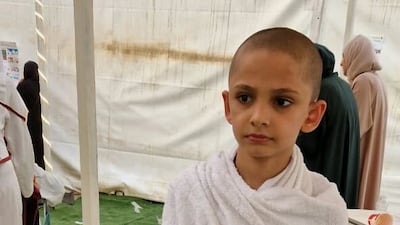
Mohammed during Hajj. The National -

Mohammed sleeping under the stars in Muzdalifah. -
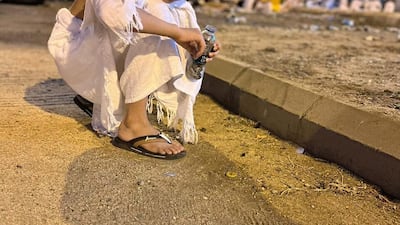
Mohammed collects pebbles ahead of the stoning of the devil ritual.


Stoning ritual at Hajj - in pictures
-
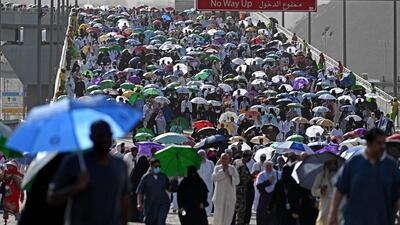
Pilgrims arrive to perform the symbolic stoning of the devil ritual as part of the Hajj pilgrimage in Mina, near Saudi Arabia's holy city of Makkah. AFP -
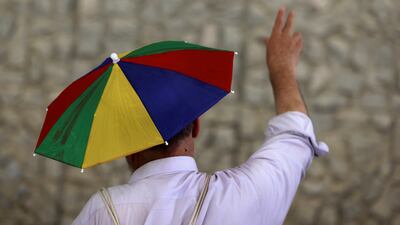
A pilgrim casts a stone at a pillar, symbolising the stoning of Satan, during the Hajj pilgrimage. Reuters -
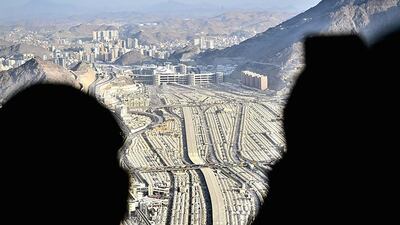
Muslim pilgrims arrive in Mina to perform the Jamarat ritual. SPA -
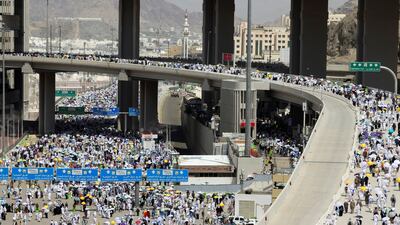
Pilgrims walk before casting their stones at one of three pillars that symbolise the devil. Reuters -
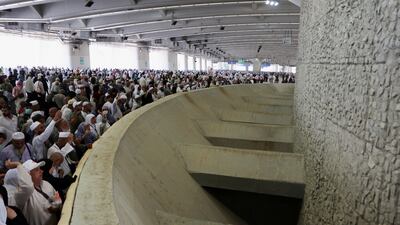
Pilgrims cast their stones at one of three pillars symbolising Satan. Reuters -
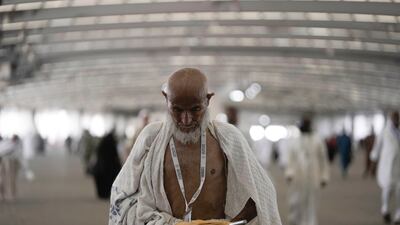
An Iranian pilgrim on the way to the symbolic stoning of the devil, the last rite of the annual Hajj pilgrimage to Makkah, Saudi Arabia. AP -
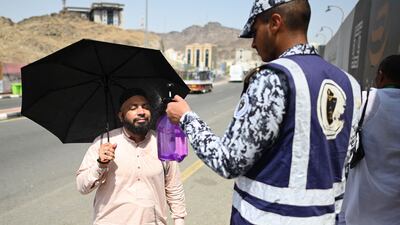
A member of the Saudi security forces sprays water on a pilgrim in Mina, near Makkah. AFP -
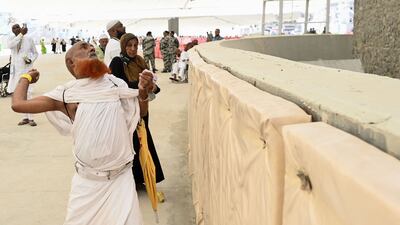
Pilgrims perform the symbolic stoning of the devil ritual in Mina, near Makkah. AFP -

The stoning of the devil ritual takes place at the Jamarat complex in Mina. AFP -

Pilgrims prepare to perform the stoning of the devil ritual. AFP -

The ceremony involves Hajj pilgrims casting seven stones at three pillars. AFP -
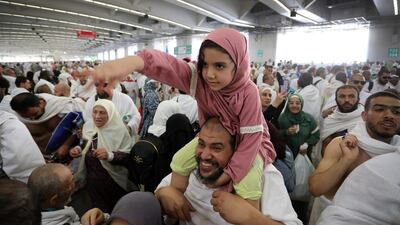
A ride on dad's shoulders during the ceremony at the Jamarat Bridge. EPA -
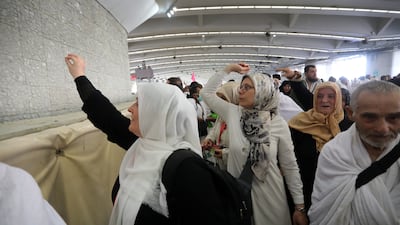
Women hurl pebbles as part of the ritual in Mina, Saudi Arabia. EPA -
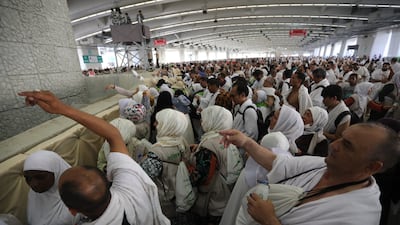
The ceremony at the Jamarat Bridge. EPA -

Pilgrims perform the symbolic stoning of the devil ritual. AFP -

The ritual is a symbolic re-enactment of the Prophet Ibrahim’s Hajj. AFP -
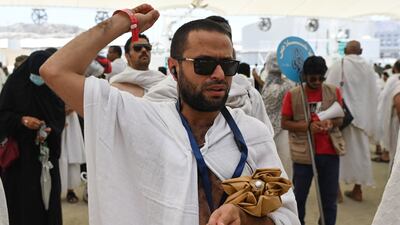
Pilgrims throw stones in the ritual. AFP -

The stoning is part of the Hajj pilgrimage. AFP -

The stones are cast. AFP -
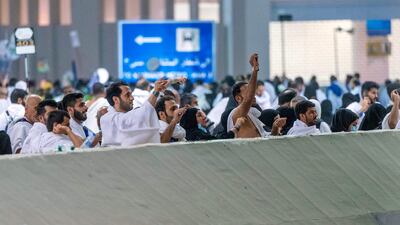
It takes place in Mina, near Makkah in Saudi Arabia. AFP -
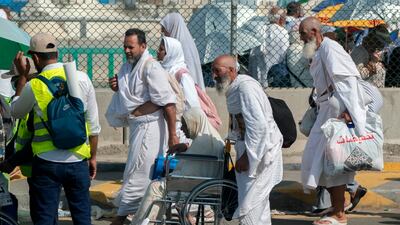
Hajj pilgrims outside a tent camp near Makkah. AP -
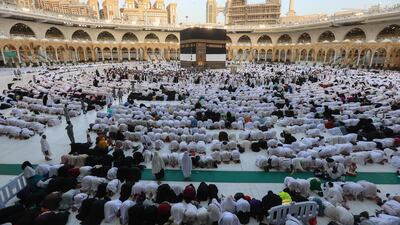
Pilgrims perform Eid Al Adha prayers at the Grand Mosque in Makkah. AFP -
The stoning of the devil ceremony. Photo: Ministry of Hajj & Umrah -
Pilgrims perform the ritual at this year's Hajj in Saudi Arabia. Photo: Ministry of Hajj & Umrah -
The site of the stoning ritual at Hajj. SPA -
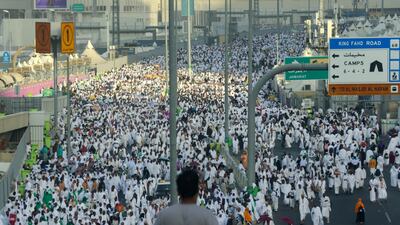
A crowd prepare to cast their stones. Reuters -

They walk to the site in Mina. Reuters -
Millions of pilgrims set off on the journey from Muzdalifah to Mina. SPA


Keeping cool during Hajj - in pictures
-
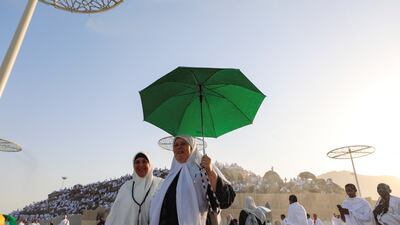
Muslim pilgrims carry umbrellas to protect them from the sun's rays during Hajj as temperatures reach 46°C at Mount Arafat, near Makkah, on Tuesday. Reuters -
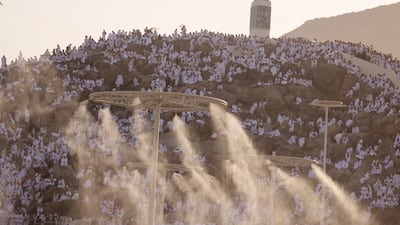
Water mist is sprayed to help pilgrims on Mount Arafat keep cool despite the extreme high temperatures during Hajj. Reuters -

Saudi police officer sprays cold water on pilgrim at tent camp in Mina, near Makkah, on Monday. AP -
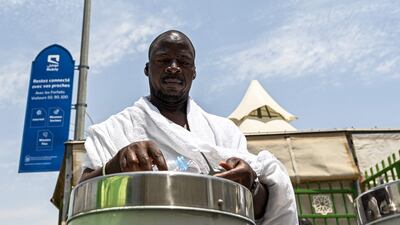
Pilgrim refills water bottle in Mina amid high summer temperatures during Hajj. AFP -
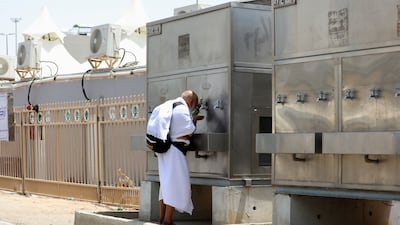
Man splashes face with cold water from taps set up for use during Hajj in Mina, near Makkah. Reuters -
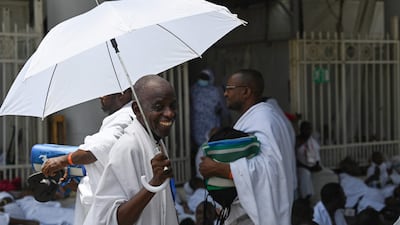
Muslim pilgrims undertaking Hajj seek shade due to extreme heat in Mina on Monday. AFP -
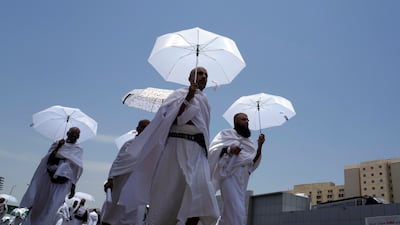
At the largest Hajj since the Covid pandemic began, Muslim pilgrims carry umbrellas to provide shade as temperatures reach very high levels in Mina, near Makkah. AP


Hajj pilgrims gather at Mount Arafat - in pictures
-

Muslim pilgrims pray on top of Saudi Arabia's Mount Arafat during Hajj. AFP -

A Syrian man prays inside a tent near Mount Arafat. AFP -
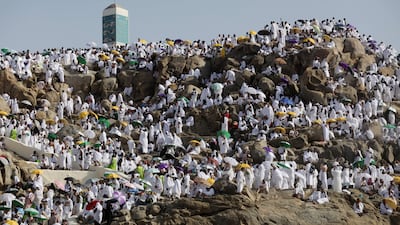
Muslim pilgrims gather on Mount Arafat, to the south-east of Makkah. EPA -

Muslim pilgrims pray on Mount Arafat during Hajj. EPA -
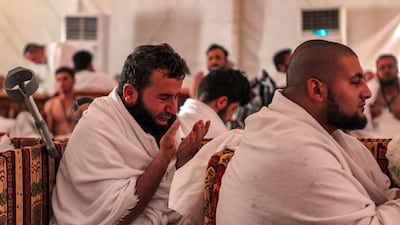
Syrian men pray inside a tent near Mount Arafat. AFP -
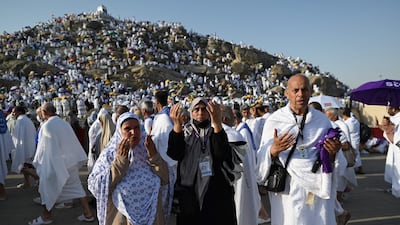
Libyan pilgrims pray at Mount Arafat. AFP -
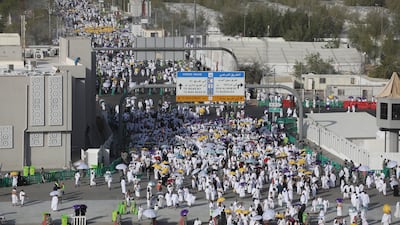
Muslim pilgrims walk on the plains of Mount Arafat. EPA -

A woman prays on Mount Arafat during Hajj. EPA -
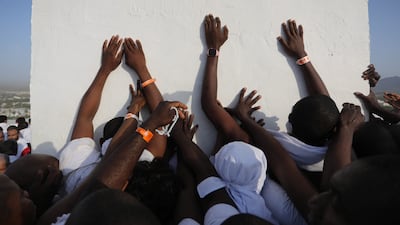
Muslim pilgrims pray on Mount Arafat during Hajj. EPA -
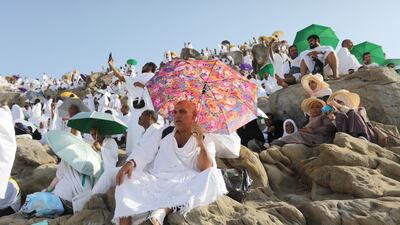
Muslim pilgrims use umbrellas to protect themselves from the heat. EPA -
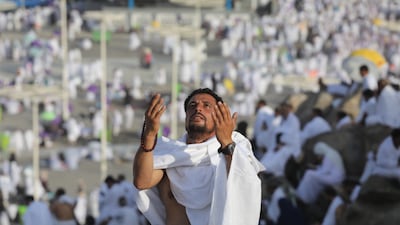
A Muslim man prays on Mount Arafat. EPA -
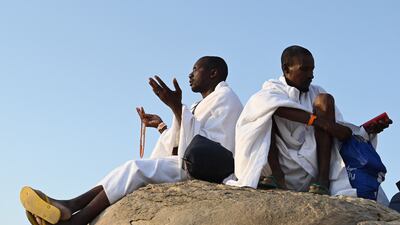
Pilgrims pray atop Mount Arafat during Hajj. Pilgrims who do not visit Mount Arafat on Tuesday will not have completed Hajj. AFP -

A pilgrim protects herself from the sun near the holy city of Makkah. AP -

The crowd on Mount Arafat during the Hajj pilgrimage. AFP -

Pilgrims collect pebbles at Mount Arafat. Worshippers are recommended to collect 70 pebbles so they may participate in Jamarat. AFP -
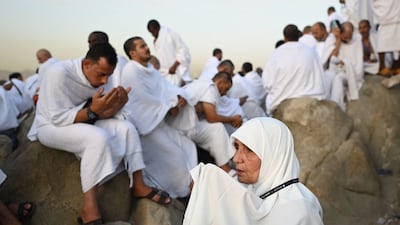
Pilgrims pray atop Mount Arafat. AFP -
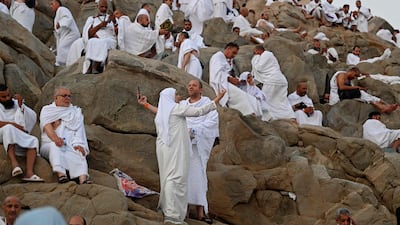
On the second day of Hajj millions of pilgrims will perform Fajr in Mina, then make their way to Mount Arafat, about 21 kilometres away. AFP -
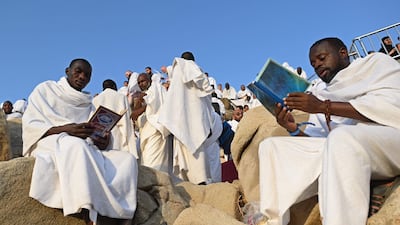
Pilgrims pray atop Mount Arafat. AFP -
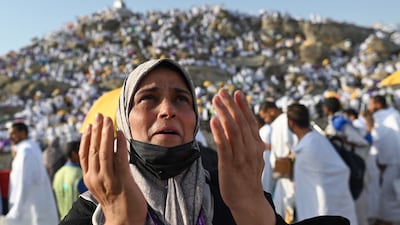
The mountain is where Prophet Mohammed is said to have delivered his final sermon. AFP -
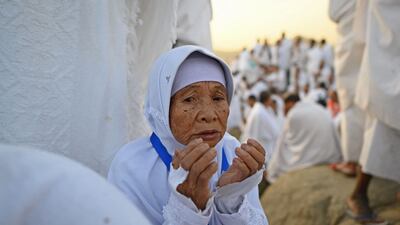
Pilgrims typically spend the full day at Mount Arafat, praying and supplicating to God. AFP -
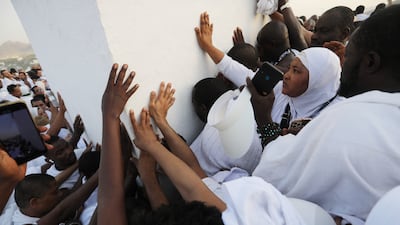
Rituals end at sunset, when pilgrims make their way to Muzdalifah, south of Mina, for shortened Maghrib and Isha prayers. EPA -
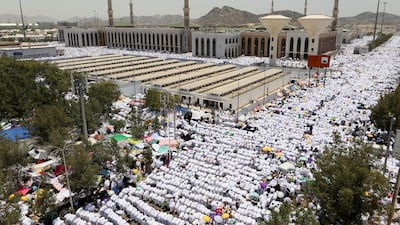
Muslim pilgrims pray at Namira Mosque on the plain of Arafat during the annual haj pilgrimage, outside the holy city of Mecca, Saudi Arabia. Reuters -

Syrian amputees rest inside their tent near Mount Arafat. AFP -

Muslim pilgrims gather on Mount Arafat near Makkah, Saudi Arabia for the second day of Hajj. Reuters -

Water mist is sprayed to help pilgrims keep cool as temperatures on Mount Arafat reach extreme highs. Reuters -
Muslim pilgrims pray on Mount Arafat during the annual Hajj pilgrimage outside the holy city of Makkah. Reuters -

Saudi authorities expect more than 2 million pilgrims to undertake Hajj this year following the lifting of Covid restrictions. Reuters -
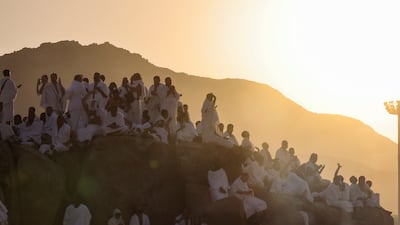
On the second day of Hajj, pilgrims travel from Mina, near Makkah, to Mount Arafat, where they will hear a sermon by Sheikh Yousef bin Mohammad. Reuters -
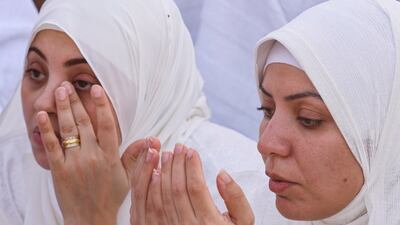
On the morning of the Day of Arafah, the second day of Hajj, pilgrims offer a prayer at Nimrah mosque before heading to Mount Arafat. Reuters -
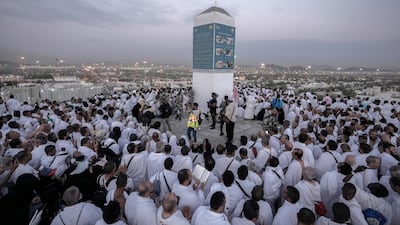
Muslim pilgrims gather at top of the rocky hill known as Mount Arafat, where the Prophet Mohammed gave his final sermon. AP -
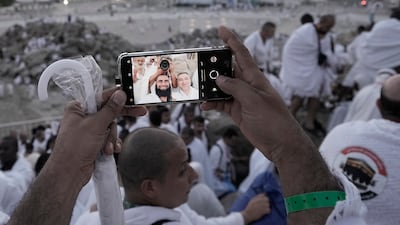
This year's sermon will be translated into 20 languages and is expected to be heard by around 300 million listeners. AP -
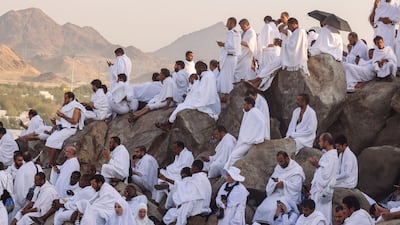
Pilgrims typically spend the full day at Mount Arafat, praying and supplicating to God. Reuters -

Mount Arafat is said to be where Adam and Eve were reunited on Earth after falling from heaven. Reuters -
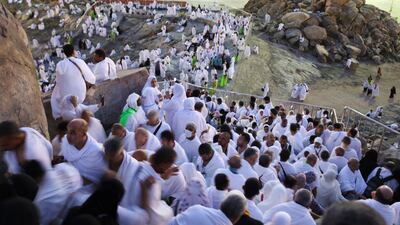
Dhuhr (past midday) and Asr (late afternoon) prayers will be performed communally in the Arafat valley after the Hajj sermon is read. Reuters -
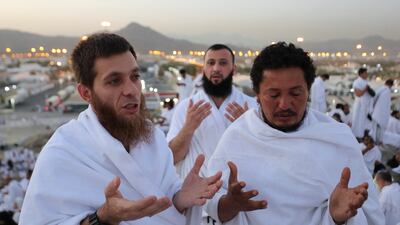
Rituals end at sunset, when pilgrims will make their way to Muzdalifah, south of Mina, for shortened Maghrib and Isha prayers. Reuters -
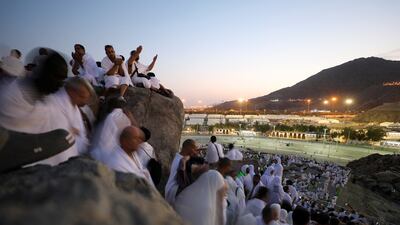
All over the world, millions of Muslims not undertaking Hajj this year will mark the Day of Arafah by fasting. Reuters


Babies and children on Hajj - in pictures
-
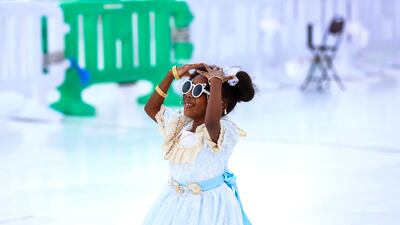
A girl dressed up for Eid Al Adha after morning prayers at the Grand Mosque in Makkah, Saudi Arabia. AFP -
Morning prayers at the Grand Mosque in Makkah. AFP -
Morning prayers in Makkah on the first day of Eid Al Adha. AFP -
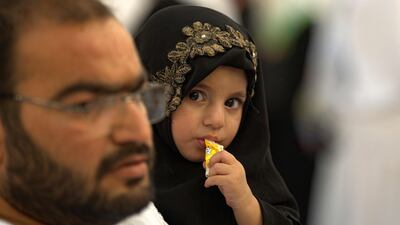
Pilgrims take their children on this once-in-a-lifetime Hajj journey, as attendance numbers reach pre-pandemic levels. SPA -
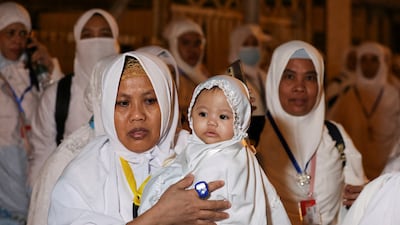
A woman carries a baby as pilgrims walk to climb Mount Arafat during the pilgrimage. Reuters -
A toddler takes refuge under an umbrella as the temperature hit 45°C during the Hajj season. SPA -
A little girl dressed in Hajj clothing poses for the camera. SPA -
More than two million worshippers are expected, in the biggest turnout since the Covid-19 pandemic. SPA -
It is the ninth day of Dhu Al Hijjah – the second day of Hajj – when millions of pilgrims will perform Fajr. SPA -
A toddler in his ihram ahead of his long journey to fulfil the Hajj pilgrimage. SPA -
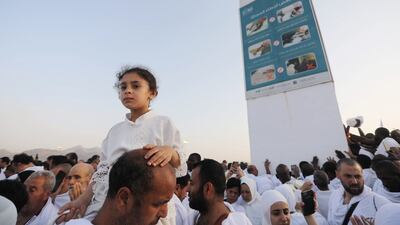
A Muslim man carries a child on his shoulders as pilgrims pray on Mount Arafat. EPA -
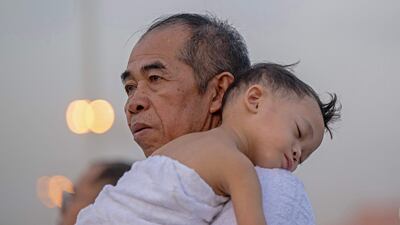
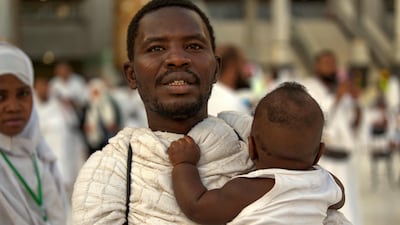
A pilgrim carrying his child on Mount Arafat on the second day of Hajj. AFP


Pilgrims gather in Makkah as Hajj season begins - in pictures
-
Pilgrims pray upon their arrival in Mina, near Islam's holy city of Makkah. AFP -

A view of Mina, 'the city of tents', south-east of Makkah. AFP -
Pilgrims walk round the Kaaba, the sacred cube-shaped building at the centre of the Grand Mosque in Makkah, as they arrive to perform the Hajj. Reuters -
Hajj pilgrims gather on the Mount of Mercy on the plain of Arafat, outside the holy city of Makkah. Reuters -
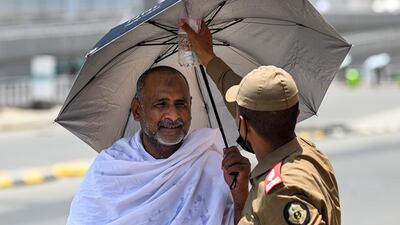
A member of security staff sprays water to help a pilgrim stay cool in Mina, as temperatures passed 40°C. AFP -
Pilgrims walking through the Grand Mosque. Photo: Hajj Ministry -
Pilgrims in front of the Kaaba, at the Grand Mosque. AP -
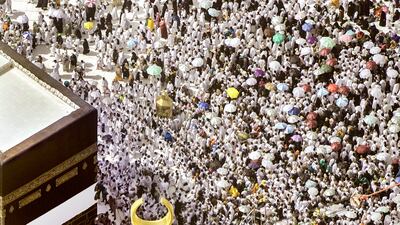
Pilgrims walk around the Kaaba, the sacred cube-shaped building at the centre of the Grand Mosque. AP -
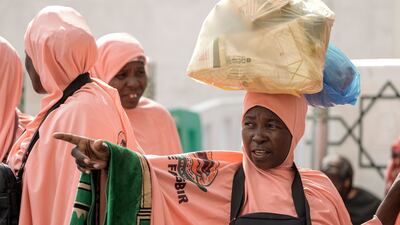
Nigerian pilgrims outside the Grand Mosque in Makkah. AP -

Sudanese pilgrim Um Safaa, who came from Port Sudan for the Hajj, outside the Grand Mosque. AP -
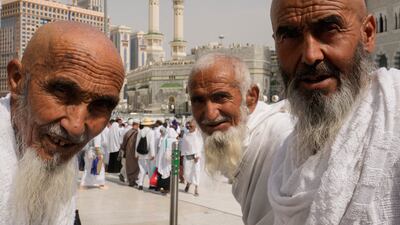
Afghan Hajj pilgrims wait outside the Grand Mosque, in Makkah, Saudi Arabia. AP -

A pigeon flies by as Iranian pilgrims pose for a selfie outside the Grand Mosque. AP -
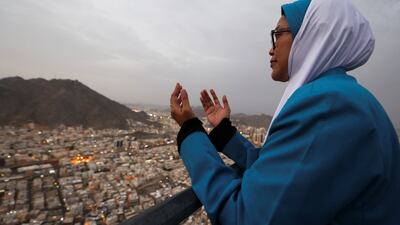
A woman visits Mount Al Noor, where Muslims believe Prophet Mohammed received the first words of the Quran in the Hira cave, in Makkah. Reuters -
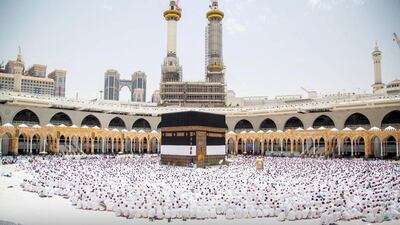
Worshippers perform Friday prayers at the Grand Mosque. Reuters -

Muslim worshippers and pilgrims gather around the Kaaba, Islam's holiest shrine, in the holy city of Makkah, as they arrive for the annual Hajj pilgrimage. AFP -
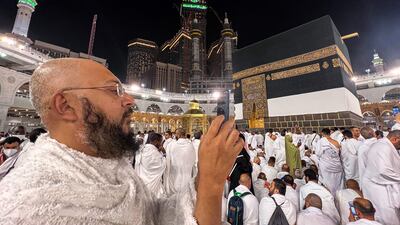
A worshipper uses his phone to film the crowd of pilgrims around the Kaaba at the Grand Mosque. AFP -
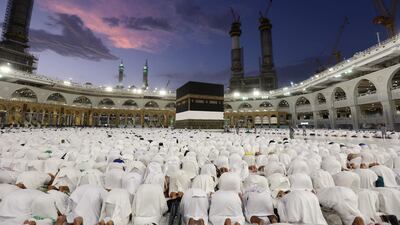
The annual pilgrimage takes place during Dhu Al Hijjah, the last month of the Islamic calendar. AFP -

Muslim pilgrims circumambulate anti-clockwise around the Kaaba. Seven complete circuits constitute Tawaf, one of the principal rites of Hajj. AP -

A general view of the Grand Mosque is seen from the Clock Tower during the Hajj pilgrimage in the Muslim holy city of Makkah. AP -
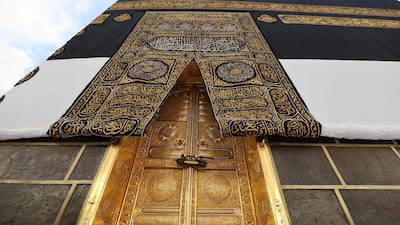
The Kiswa, the cloth used to cover the Kaaba, and the Kaaba's gold doors underneath. The Kiswa is draped every year on the ninth day of Dhu Al Hijjah. AFP -
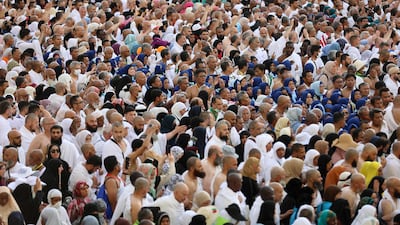
Pilgrims perform prayers at the Grand Mosque. AFP -
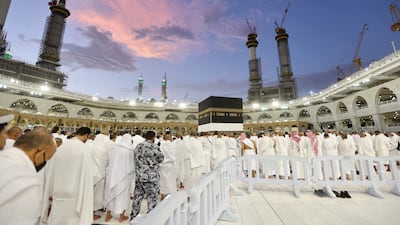
Muslims pray around the Kaaba. AFP -
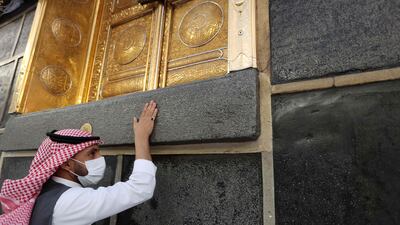
A Muslim worshipper touches the Kaaba. AFP -
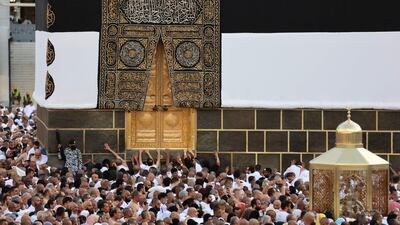
Prayers at the Grand Mosque in Makkah. AFP -
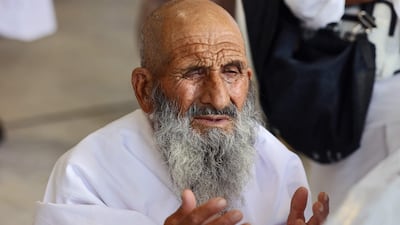
A pilgrim performs prayers. AFP -
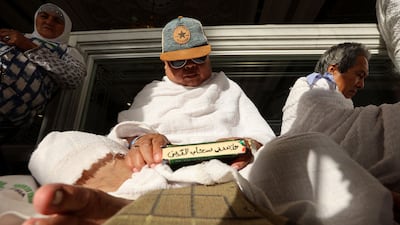
Ministry of Hajj and Umrah officials have asked people to take precautions due to the heat. AFP -
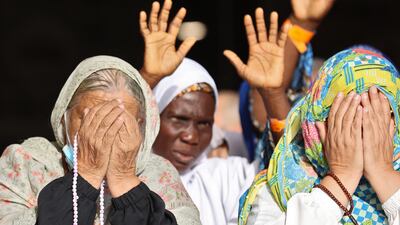
The ministry will guide pilgrims on the etiquette and rituals of Hajj as part of the 'Proclaim to the People' initiative. AFP


Saudi Arabia's security forces hold parade in preparation for Hajj
-
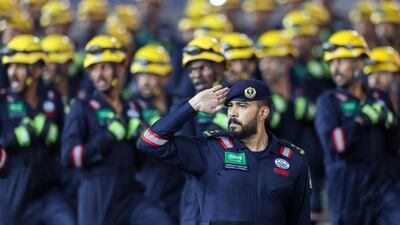
Members of the Saudi security forces participate in a military parade in Makkah, as Muslim pilgrims from around the world arrive for the Hajj. AFP -
Members of the Saudi security forces participate in a military parade in Makkah. AFP -
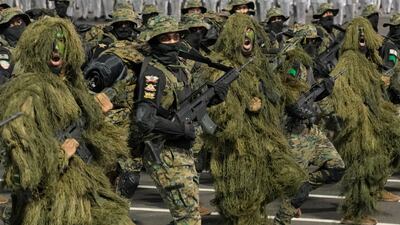
Members of the Saudi security forces participate in a military parade in Makkah. AFP -
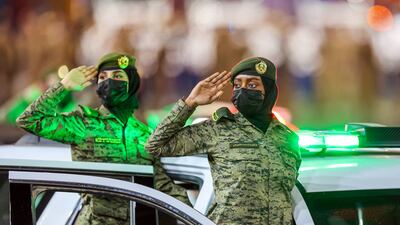
The parade included female members of the Saudi security forces. AFP -
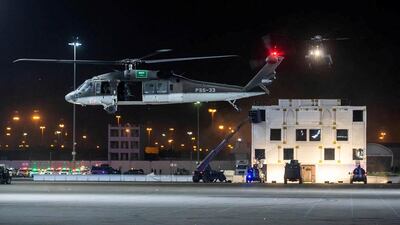
A helicopter in the parade. Reuters -
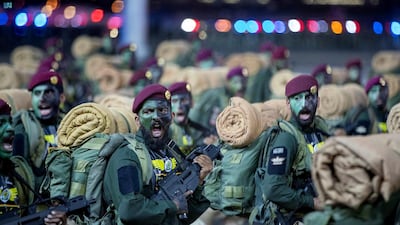
Members of the Saudi security forces participate in a military parade in Makkah. Reuters -
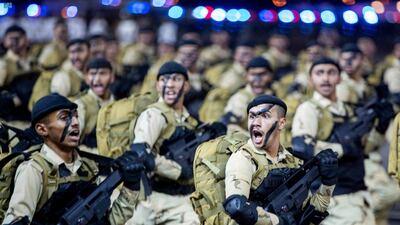
Members of the Saudi security forces participate in a military parade in Makkah. Reuters -
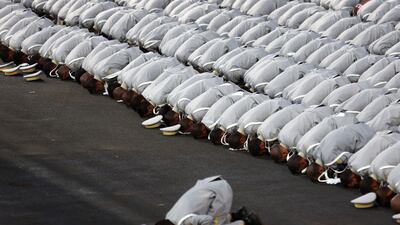
Saudi security forces pray during the parade. AFP -
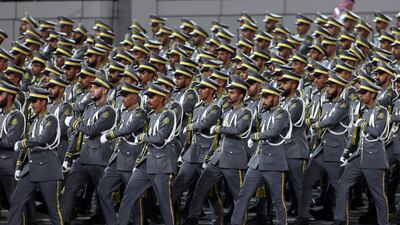
Members of the Saudi security forces participate in a military parade in Makkah. AFP -
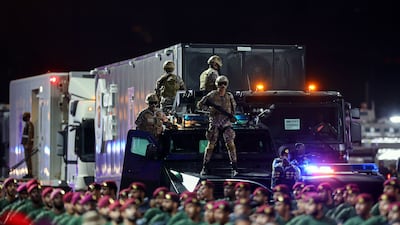
Military vehicles were part of the parade. AFP -

Banners showing Saudi King Salman and Crown Prince Mohammed bin Salman. AP -
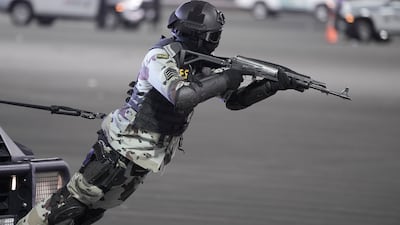
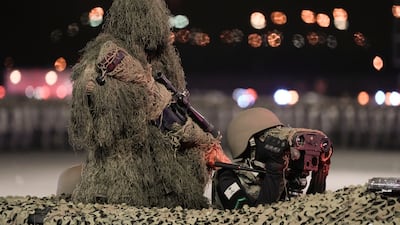
A member of the Saudi special forces for Hajj and Umrah. AP -
More members of the Saudi special forces. AP -

Special forces abseil down a building at the parade. AP -
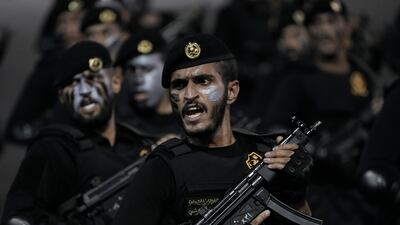
Makkah is ready for the largest Hajj since the pandemic severely curtailed access. AP


Pilgrims travel to Makkah for Hajj - in pictures
-
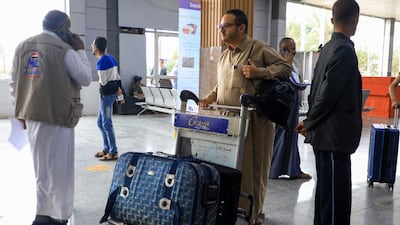
Yemeni Muslims prepare to board a flight heading to Makkah. AFP -

A passport control officer checks the travel documents of a Palestinian pilgrim at the Rafah crossing point with Egypt in the southern Gaza Strip. AFP -

Iraqi pilgrims prepare to fly to Makkah for Haj, at Baghdad airport. AP Photo -

Palestinian pilgrims at the Rafah crossing point with Egypt in the southern Gaza Strip. AFP -
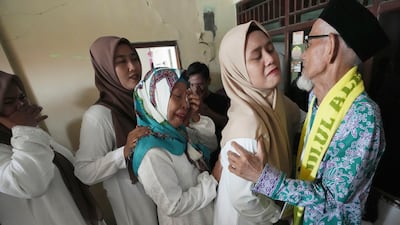
Husin bin Nisan, right, bids farewell to relatives before departure for the Hajj pilgrimage at his house in Tangerang, Indonesia. AP Photo -
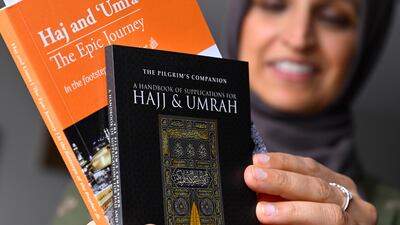
Saadiha Khaliq with books she read to prepare for her pilgrimage, in Murfreesboro, Tennessee. The Khaliq family plan to travel together to Makkah in Saudi Arabia for Hajj. AP Photo -
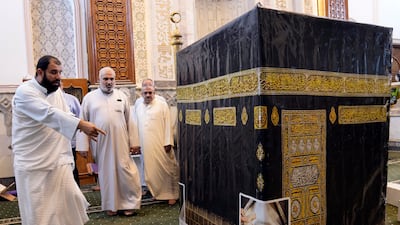
Iraqi pilgrims walk around the model of Kaaba during a lecture on performing the Hajj rituals in Tikrit, Iraq. AP Photo -
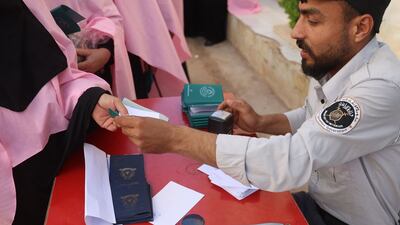
Syrian pilgrims register for a training session on how to perform Hajj rituals in Hazzanu, Idlib province. AFP -
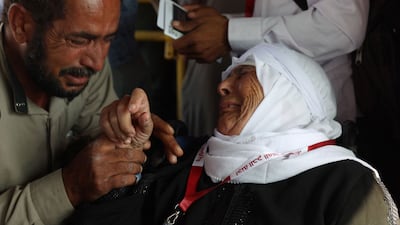
A Syrian man bids an elderly woman farewell as Hajj pilgrims board a bus in Sarmada on the first leg of their journey to Saudi Arabia. AFP -
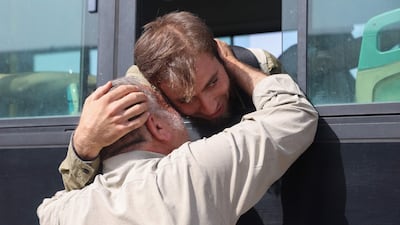
A man bids another farewell as pilgrims board a bus in Sarmada town before leaving for the annual Hajj pilgrimage. AFP -

People bid relatives farewell as pilgrims board a bus in Sarmada town in Syria's north-western Idlib province. AFP -

Muslim pilgrims arriving from north-western Syrian areas pass baggage checks at the Bab Al-Hawa border crossing with Turkey. AFP -
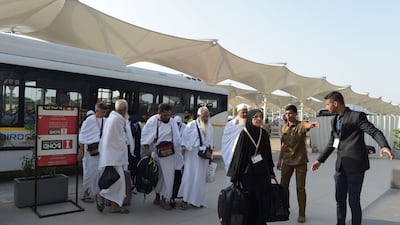
Pilgrims arrive at Sardar Vallabhbhai Patel International Airport in Ahmedabad, India, as they prepare to fly to Saudi Arabia. AFP -

A Kashmiri pilgrim waves goodbye. EPA -
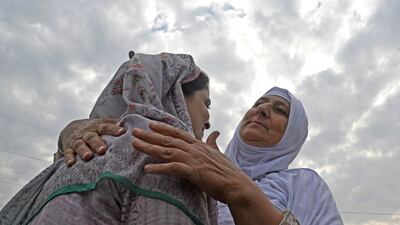
A pilgrim is embraced by her relative before leaving for the annual Hajj pilgrimage. AFP -
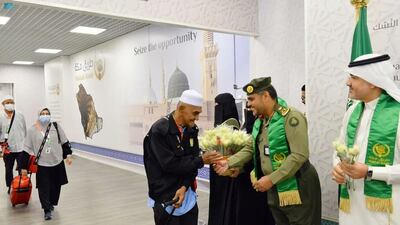
The first flights from Malaysia have arrived in Saudi Arabia under the Makkah Route Initiative. SPA -
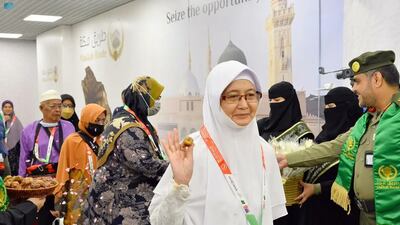
It has been expanded to Turkey and the Ivory Coast this year, joining Pakistan, Malaysia, Indonesia, Morocco and Bangladesh. SPA -
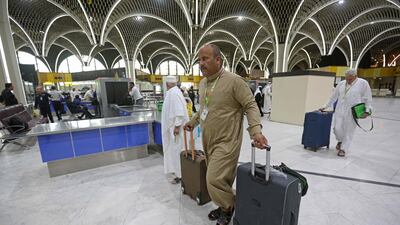
All Hajj pilgrims this year must be fully vaccinated against Covid-19 and aged under 65. AFP -
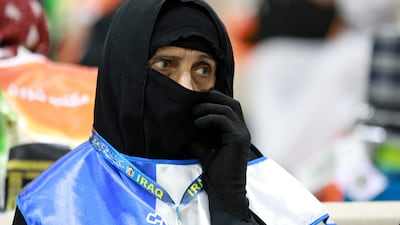
They must also present a negative PCR test conducted within 72 hours of their departure flight. AFP -

A pilgrim takes his luggage after inspection in Baghdad. AFP -
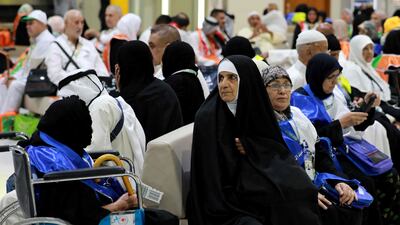
Hajj is one of the five pillars of Islam and a once-in-a-lifetime obligation for every Muslim. AFP


Hajj 2023: Dates, cost, packages and what you need to know
This year, Hajj will return to pre-pandemic numbers as Saudi Arabia removes all Covid-19 restrictions.
Last year's pilgrimage, the first largely without Covid-19 restrictions in two years, attracted almost a million domestic and foreign pilgrims.
In 2019, before the pandemic, about 2.6 million people performed Hajj.
Saudi Arabia has said those wishing to perform Hajj have to apply online.
Hajj generates about $12 billion in revenue for the country every year.
Deputy Minister of Hajj and Umrah Abdul Fattah Mashat said Hajj, as well as Umrah, a shorter pilgrimage that can be performed at any time of the year, are major components of the Saudi Vision 2030.
One of the programme's aims is to boost the religious tourism sector and host 30 million Umrah pilgrims annually by 2030.

What is Hajj?
Hajj, the Arabic word for pilgrimage, is one of the five pillars of Islam and a once-in-a-lifetime obligation for every Muslim, if they are able.
Millions of faithful make the pilgrimage to the holiest sites of Islam in the cities of Makkah and Madinah beginning on the eighth day of Dhu Al Hijja, the last month of the Islamic calendar.
What is special about Hajj?
Hajj is the most revered spiritual experience for devout Muslims – considered a chance to start afresh and celebrate the spirit of unity in Islam. Pilgrims are all required to perform the same rituals taught by the Prophet Mohammed to remind them that they are all equal before God.
When does Hajj begin this year? How long does it take?
This year, Hajj is expected to begin on June 26. The pilgrimage takes three days, but most pilgrims extend their stay by a week to pray in the holy cities of Makkah and Madinah.
Will Hajj be open to international pilgrims?
The ministry opened registration for Hajj 2023 in February for international pilgrims and to give those who had performed Hajj more than five years ago another chance to apply for a permit.
The ministry said that priority for registration this year will go to those who have not made the pilgrimage before.
A new pilgrim can accompany a main applicant, provided they highlight their first-time status in their application.
Most pilgrims arrive at the airport in Jeddah, which is the major city closest to Makkah.

What are the Hajj packages available this year?
The Hajj ministry announced four categories of packages for domestic pilgrims performing Hajj this year.
The price of domestic pilgrim packages will begin at 3,984 Saudi riyals ($1,060).
The most expensive package will cost 11,435 riyals, with pilgrims accommodated in the six towers in Mina, near Jamarat.
What are the health guidelines for performing Hajj this year?
Authorities have outlined procedures that must be followed at entry points within and before entering the country. These include verification of all health documents, including vaccination certificates, and screening in person.
Pilgrims will be divided into groups for transport to holy sites.
Saudi health authorities said they would continue to assess and update the precautions as needed.
What do pilgrims wear during Hajj?
During Hajj, as with Umrah, men wear two sheets of plain white cloth, to cover the upper and lower body. Women must wear modest clothes that cover their bodies to the ankle and scarves to cover their hair. The clothes are usually white, although there is no restriction on colour.

What happens during Hajj?
On the first day, Muslims perform Umrah, which includes Tawaf and Sa'i. The first involves circumambulating the Kaaba, the holiest site in Islam, built by the Prophet Ibrahim and his son Ismail, at the Grand Mosque in Makkah. During Sa'i, pilgrims walk seven times between two hills, called Safa and Marwa, in the mosque complex.
After Umrah, Muslims travel to Mina, a holy site south-east of Makkah, by shuttle and camp there in tents overnight. Mina, also known as the city of tents, can host up to three million people.
On the second day, pilgrims travel to Mount Arafat, 5km from Makkah, where the Prophet Mohammed is believed to have delivered his last sermon.
Pilgrims spend the day praying at Arafat until sunset, then walk 7km to the third holy site, Muzdalifah. There, they perform the sunset and night prayers and spend the night worshipping under the open sky.
On the third morning, the pilgrims gather pebbles and return to Mina for the stoning ceremony. They throw seven pebbles each at Jamrat Al Aqabah, a stone monument that signifies the temptations of Satan, between sunrise and sunset.
The pilgrims’ three concluding acts include sacrificing an animal to feed people in need, which can be done by purchasing a voucher, and cutting or shaving their hair, then returning to Makkah for another Umrah. Most women cut a few strands of hair, while men prefer to shave it all off.

