

Muslim communities across the Mena region are facing significant challenges due to soaring livestock prices ahead of Eid Al Adha.
Eid Al Adha, also known as the Festival of Sacrifice, is an important occasion for Muslims worldwide.
The sacrifice of livestock, including sheep, goats and cows, happens before the Eid Al Adha prayer.
It commemorates a story from the Quran in which the Prophet Ibrahim was commanded by God to sacrifice his son, Ismail.
The command was said to be an ultimate test of faith and obedience to God. It ended with the angel Gabriel replacing Ismail with a ram at the last moment.
Inflation has made the tradition of sacrificing an animal increasingly difficult.
“I love sacrificing sheep in this occasion and everyone does, but it is becoming hard year after year due to rocketing prices and inflation,” Baghdad resident Akeel Hameed, 50, told The National.
At the end of 2019, Mr Hameed ran a successful business, owning a number of pastry and sweet shops in Baghdad.
But widespread pro-reform protests and the coronavirus pandemic had a devastating impact on the local economy, forcing him to declare bankruptcy.
“In previous years, we had no problem with the money, but now every penny counts,” said Mr Hameed.
-
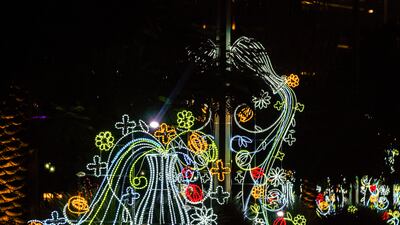
Eid Al Adha lights along the Corniche in Abu Dhabi. Victor Besa / The National -
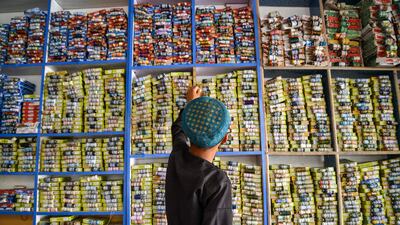
A child chooses a thread spool from a display at a tailor's shop in Kandahar, southern Afghanistan, ahead of Eid Al Adha. AFP -

A Saudi shepherd and his flock await Eid customers at a market in Riyadh. Reuters -
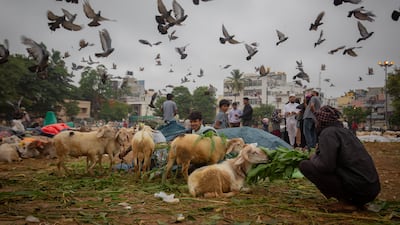
Feeding sheep in a temporary livestock market in Bengaluru, southern India, in the lead up to Eid Al Adha. Getty Images -
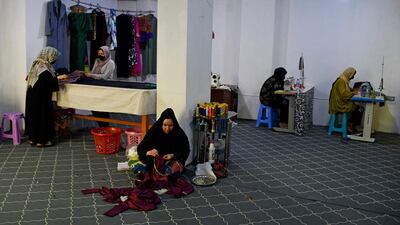
Women working in a tailor's shop at a market in Mazar-i-Sharif, northern Afghanistan, ahead of Eid al-Adha. AFP -
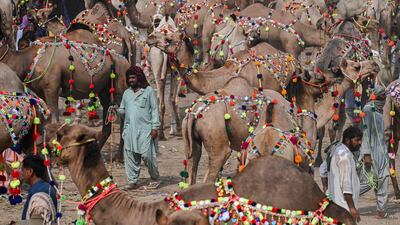
Sacrificial camels and vendors at a cattle market in Lahore, northern Pakistan, in the lead up to Eid Al Adha. AFP -
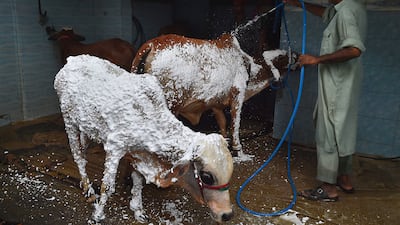
A man washes a sacrificial cattle at a car wash in Karachi, southern Pakistan, before Eid Al Adha. EPA -

Children with goats in a street in Rawalpindi, northern Pakistan, ahead of Eid Al Adha. AFP -
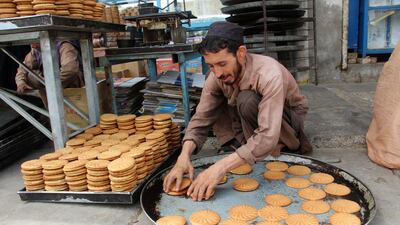
A vendor prepares traditional sweets in Kandahar, southern Afghanistan, before Eid Al Adha. EPA -
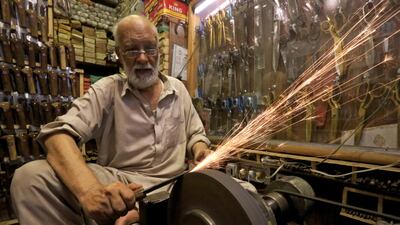
A blacksmith sharpens knives in Peshawar, north-west Pakistan, ahead of Eid Al Adha. EPA -
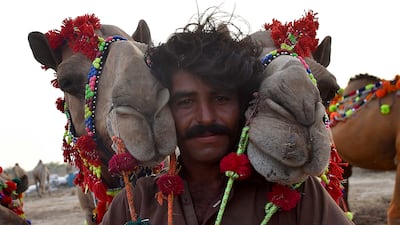
A man sells camels at a market in the lead up to Eid Al Adha, in Karachi, Pakistan. EPA -
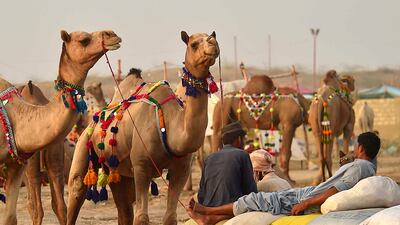
Muslims often slaughter animals during Eid Al Adha, which is the “feast of the sacrifice". EPA -
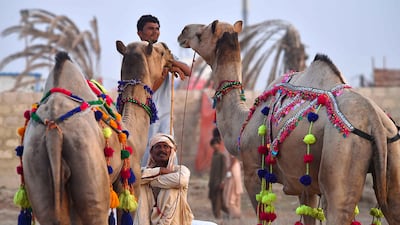
At most Eid markets, camels cost more than cows and sheep. EPA -
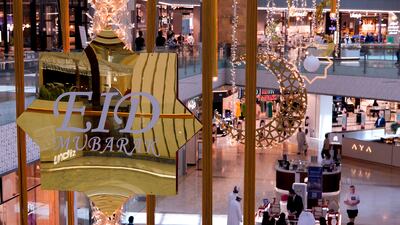
Eid Al Adha decor at the Yas Mall in Abu Dhabi. Victor Besa / The National -
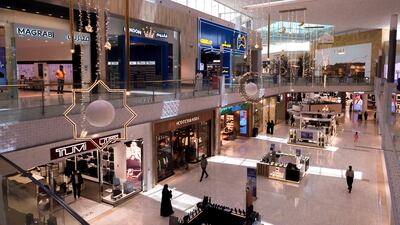
Eid Al Adha decor at the Yas Mall in Abu Dhabi. Victor Besa / The National -

Eid Al Adha decor at the Yas Mall in Abu Dhabi. Victor Besa / The National -
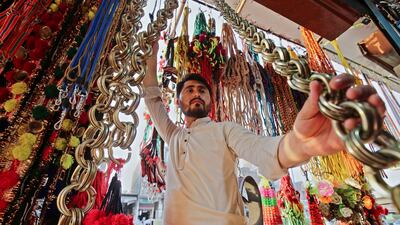
Ornaments for sacrificial animals at a roadside shop before Eid Al Adha in Peshawar, Pakistan. EPA -
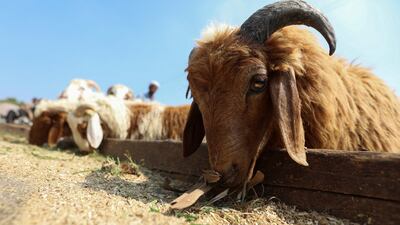
A livestock market with cattle due to be slaughtered for Eid Al Adha near Giza, Egypt. Reuters -
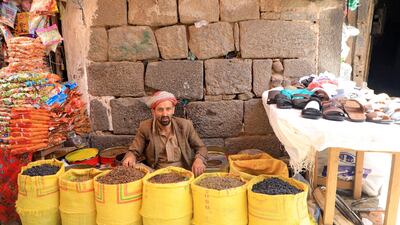
A Yemeni market trader sells dried fruit in Sanaa before Eid. AFP -
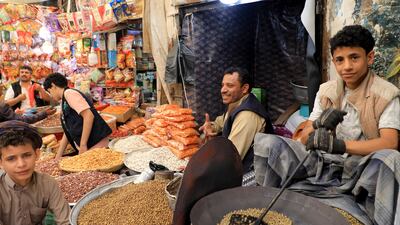
Roasted nuts for sale in Sanaa ahead of Eid Al Adha. AFP -

Yemenis shop in Sanaa before the festival. AFP -
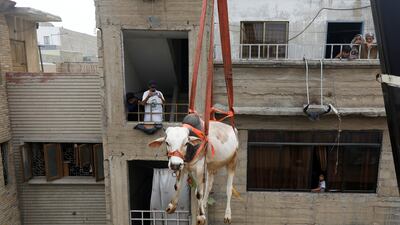
A sacrificial bull is lowered from a roof by crane in Karachi, Pakistan. Reuters -
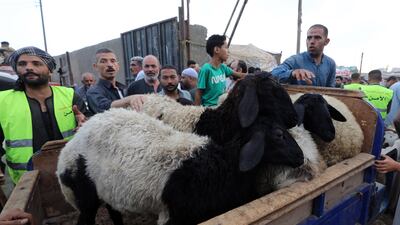
A sacrificial animal market in Giza, Egypt. EPA -
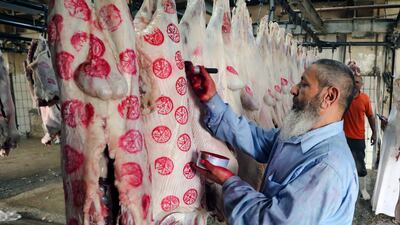
An Egyptian butcher prepares slaughtered sacrificial sheep in Cairo. EPA -
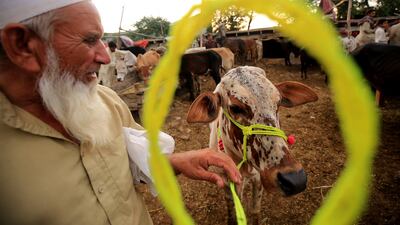
During Eid Al Adha, Muslims slaughter an animal divide the meat for family, friends and the poor and needy. EPA -
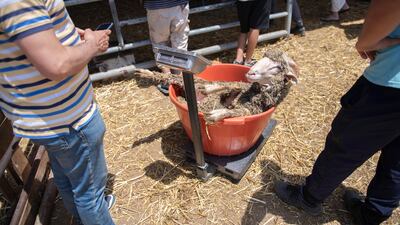
A sheep imported from Spain is weighed in Skhirat, Morocco. EPA -
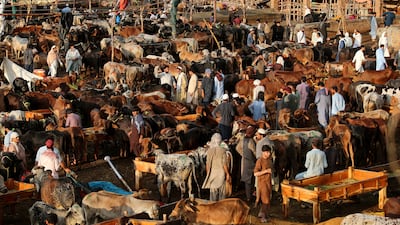
A market in Peshawar, Pakistan. Eid Al Adha is one of the holiest Muslims holidays. EPA -
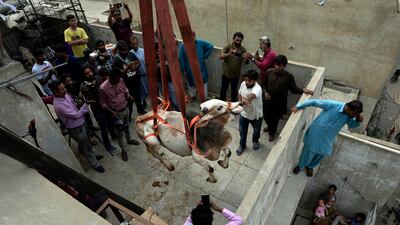
A bull is brought down from the rooftop of a house where it was raised to be sold for Eid Al Adha in Karachi. AP -
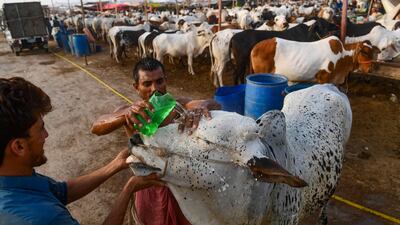
A bull at a cattle market on the outskirts of Karachi. AFP -
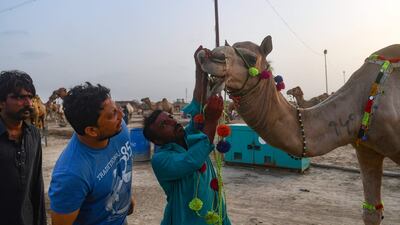
Customers check the teeth of a camel on the outskirts of Karachi. AFP -
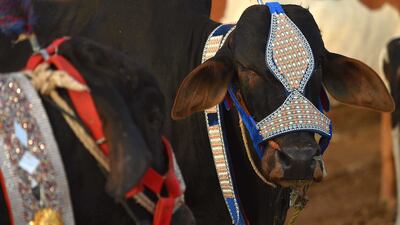
Decorated sacrificial animals for sale in Karachi. EPA -
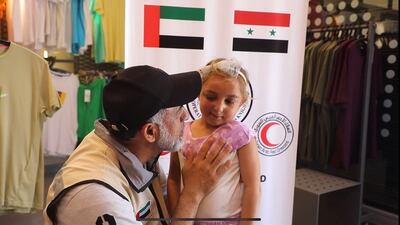
Emirates Red Crescent staff distribute clothes to 44,000 people in Syria for Eid Al Adha. Wam


Since late 2020, the prices of the majority of goods have increased by at least 50 per cent in a nation where the national poverty rate is 31.7 per cent in a population of 40 million.
With the price of meat up by at least 20 per cent on last year, escalating costs have placed a strain on individuals and families who wish to participate in the tradition.
Inflation, combined with other economic factors, have resulted in exorbitant prices that are unaffordable for many.
Many, including Mr Hameed, are relying on more affordable options to maintain the cherished tradition.
The mosque in his neighbourhood is leading an initiative to collect 25,000 Iraqi dinars, about $17, from each resident to share sacrifices – an initiative that has gained popularity in recent years.
“This collaborative approach not only reduces individual financial burdens but also fosters a sense of unity and community spirit,” he said.
Inflation affects remittances for Eid
Slaughterhouses around the world prepare for the event, but for some residents in the Gulf sending money to their home country for the Eid slaughter is cheaper.
Many Muslims, particularly in the West, cannot attend sacrifices themselves and often pay a charity or a relative living in a Muslim country to do it on their behalf.
The size and type of farm animal that is to be sacrificed is determined by each household's finances.
-
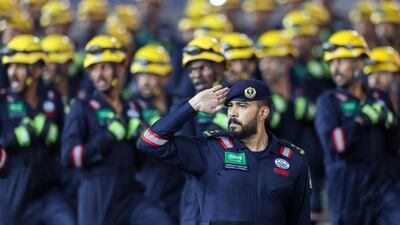
Members of the Saudi security forces participate in a military parade in Makkah, as Muslim pilgrims from around the world arrive for the Hajj. AFP -
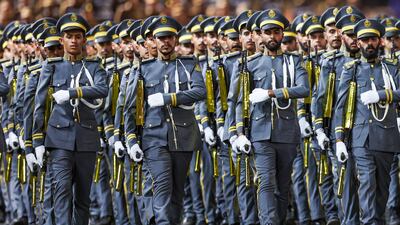
Members of the Saudi security forces participate in a military parade in Makkah. AFP -
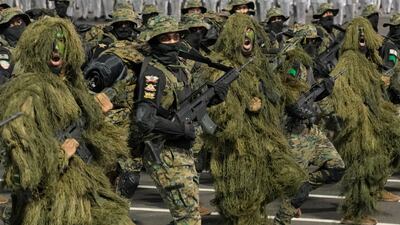
Members of the Saudi security forces participate in a military parade in Makkah. AFP -
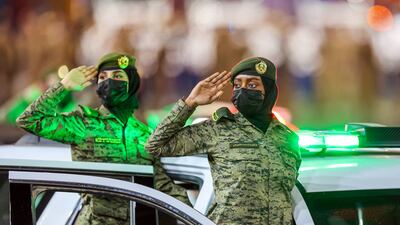
The parade included female members of the Saudi security forces. AFP -
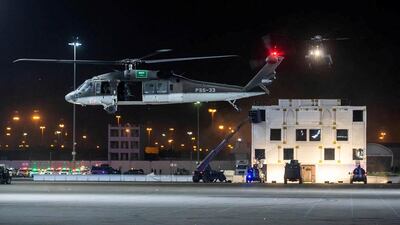
A helicopter in the parade. Reuters -
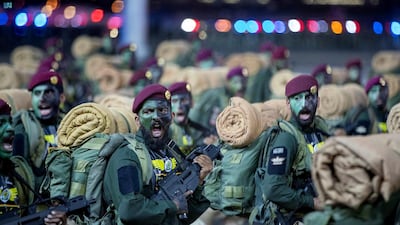
Members of the Saudi security forces participate in a military parade in Makkah. Reuters -
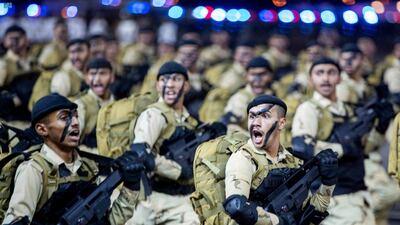
Members of the Saudi security forces participate in a military parade in Makkah. Reuters -
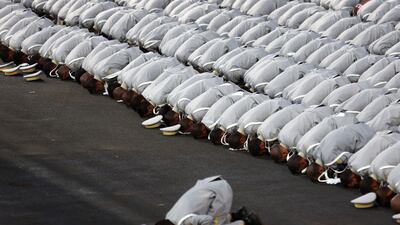
Saudi security forces pray during the parade. AFP -
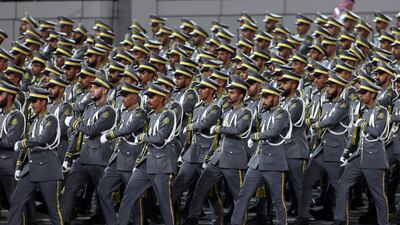
Members of the Saudi security forces participate in a military parade in Makkah. AFP -
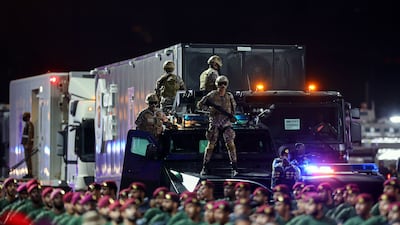
Military vehicles were part of the parade. AFP -

Banners showing Saudi King Salman and Crown Prince Mohammed bin Salman. AP -

A member of the Saudi special forces for Hajj and Umrah. AP -
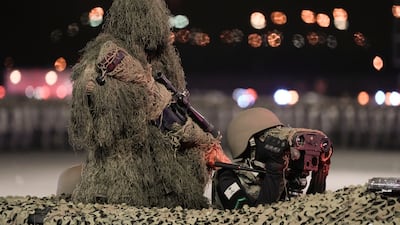
More members of the Saudi special forces. AP -

Special forces abseil down a building at the parade. AP -
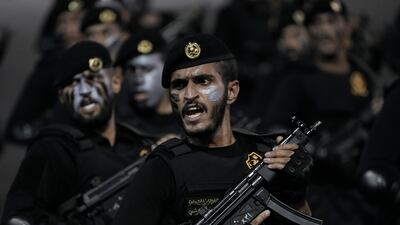
Makkah is ready for the largest Hajj since the pandemic severely curtailed access. AP


“Depending on their financial situation, people will buy the smaller or larger sacrificial animal, so every size of livestock sells in the market,” said Naeem Ali, a Pakistani expatriate living in Jeddah.
“Everyone will distribute and consume according to their needs and means. It is expensive for us to buy here so we send money back home for it.”
In Saudi Arabia, prices for sacrifices can range from 400 riyals to 1,500 riyals ($106 to $400).
On Jeddah’s Palestine road, Al Safa Halaga is one of the main marketplaces allocated to bringing in livestock for the occasion.
A Sri Lankan expatriate in Jeddah said sellers usually transport the livestock in lorries to the markets.
“I usually do my sacrifice in Sri Lanka due to the cheap conversion rate. It’s easier and cheaper for me and my family,” said Naleem Moin, a Sri Lankan resident of Jeddah.
Ashfaq Rana, from Pakistan, told The National: “The prices have been rising over the few years and now with inflation and tax more and more expats are sending money back home to get the sacrifice done there.
“I usually get the sacrifice done there on behalf of my wife and sons, who live in UAE, as well.”
Other residents and locals prefer to use the government’s official website Adahi.
“I trust the government’s portal and honestly it is the easiest and fastest transaction which we are lucky to have now instead of going to the market and dealing with the process,” said Salma Hashem, a Saudi citizen.
“This ensures our money goes to the right place and meals are distributed by the government too.”

