

Oman’s social security recipients will receive their biggest boost in six years in the 2023 fiscal budget.
Sultan Haitham approved 11.35 billion rials ($28.34 billion) in spending for 2023, down 6.4 per cent from last year. The projected revenue of 10.05 billion rials is estimated to be 5 per cent less than in 2022.
Oman predicts that its budget deficit for this year will fall to 1.3 billion rials, from 1.55 billion rials in 2022.
But the main highlight for 2023 is the money allocated to social security, which rose by 22 per cent since 2017 to 946 million rials.
Social security recipients welcomed the increase.
“We are delighted, very delighted that our social security payouts will increase,” said Fatma Al Shamsi, 74, a resident of Muscat.
“As a widow living alone, my social security is about 105 rials a month and it has not increased with inflation for some years.”
Ms Shamsi expects her income monthly income to be about 130 rials now.
While there is no projected increase in fiscal spending this year, experts said the planned spending cut will affect low earners.
However, the budget is prudent, outlining spending cuts in other areas of the economy to benefit those who need the money the most, said Mohammed Al Farsi, a retired financial management lecturer formerly with the Sultan Qaboos University.
“The increase in social security budget will help the social security recipients [to keep pace] with the market inflation,” he said.
The Gulf state has more than 65,000 people on social security, including widows, orphans, people with disabilities or those who lost their jobs.
-
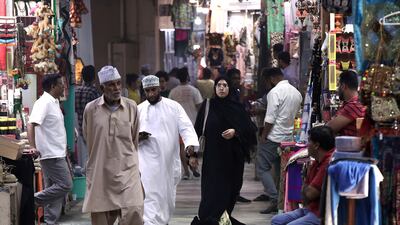
Oman predicted a fiscal deficit of 1.5 billion rials ($3.9bn) in 2022, down about 32 per cent from the previous year. Victor Besa / The National -

A draft law introducing income tax on high earners in Oman was passed on Sunday by the country's Shura Council. AFP -

Pending approval from the Council of Ministers and a final endorsement from Sultan Haitham, the tax will then become law. AFP -
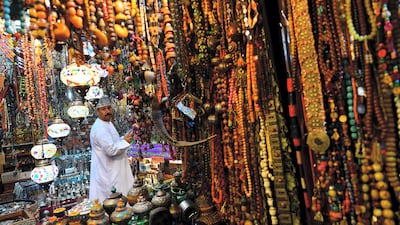
As the levy for wealthier people becomes more of a reality in Oman, citizens at both ends of the pay scale have expressed mixed reactions. AFP -
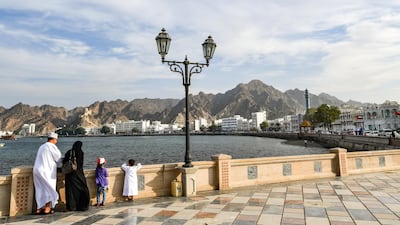
If a tax on income is introduced, the sultanate would be the first GCC country to do so. AFP -

Oman began weighing up plans to introduce income tax on high earners two years ago, as part of the finance ministry's 2020-2024 economic scheme and efforts to reduce the fiscal deficit. Unsplash -
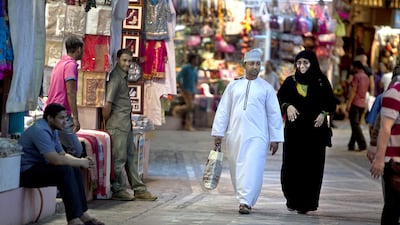
Plans for an income tax on high earners were mentioned in a bond prospectus published by the ministry in 2020, when the sultanate raised $2 billion in external financing. Silvia Razgova / The National


-
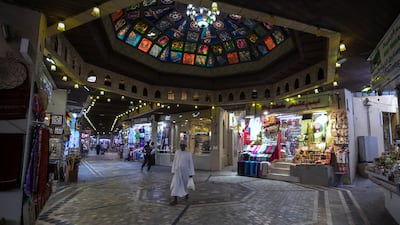
Mutrah Souq is located along the corniche in Muscat, Oman. All photos: Victor Besa / The National -

Jamal Muhammad Ali Al Balooshi, shopowner at Mutrah Souq. -
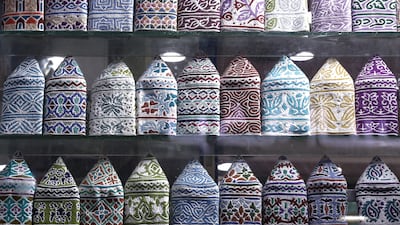
Omani kuma which is worn as a cap under the masar or head scarf. -
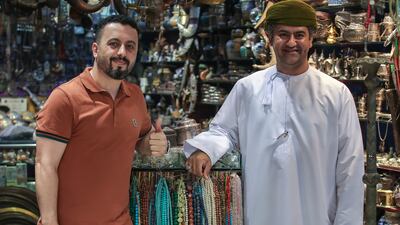
Mr Al Balooshi with a customer. -
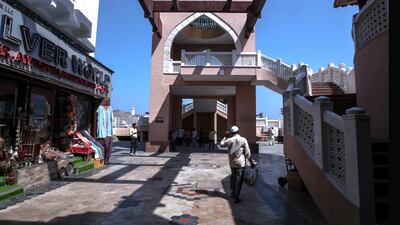
It is one of the oldest souqs on the Arabian Peninsula. -

The building itself was rebuilt in the 1970s. -
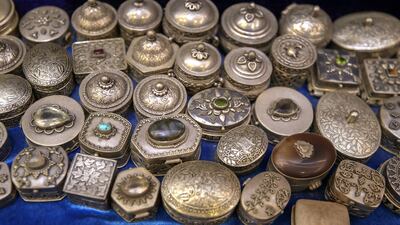
Omani silver for sale at the Mutrah Souq. Victor Besa / The National -
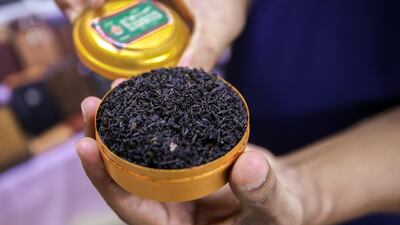
Some of the wares at Mutrah Souq. -

A colourful stall at the historic venue. -

A shopper browses at Mutrah Souq. -

Traditional architecture at the souq. -

One of the shops at the souq. -

A shopowner waits for customers. -

Outside the traditional souq. -
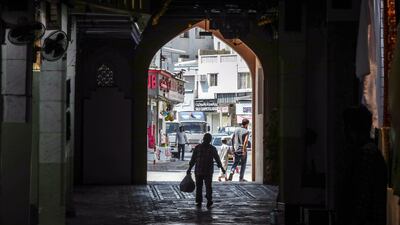
A shopper goes home with a bag full of goods. -

Clocks on sale at the souq. -

Compasses available for purchase.


Buoyed by higher crude prices last year, Oman achieved a budget surplus of 1.14 billion rials in 2022 when the average price of oil was $94 a barrel, almost double the budgeted oil price of $50 a barrel.
Oman has set its 2023 budget based on an oil average price of $55 a barrel.
International oil prices are currently at about $82 a barrel as energy demand in Europe stays high due to the onset of winter.
The 2023 budget revealed a total current debt of 17.7 billion rials at the end of 2022, down from 20.8 billion rials at the end of 2021.
The sultanate, according to the 2023 budget estimate, will borrow 1.2 billion rials this year.

