


Twitter is moving forward with plans to introduce a payments feature on its platform, steering it towards chief executive Elon Musk's plans to tap into new revenue streams.
The company has applied for regulatory licences across the US and the efforts are being led by Esther Crawford, director of product management, who is rising up the ranks at the San Francisco-based microblogging site, the Financial Times reported, citing sources.
The state licences are needed by Twitter to launch its payments services. The company had already registered as a payments processor with the US Treasury in November, a regulatory filing showed.
The remainder will be filed shortly, in the hope that the US licensing process is completed within a year, the Financial Times said, citing sources.
Twitter did not respond to an email request for a comment from The National.
The company's communications team in the Mena region was among those laid off last year shortly after Mr Musk took over in October after his $44 billion purchase of the company, in an effort to rein in costs and spending.
Twitter's move would fulfil Mr Musk's goal of helping the company out of financial instability.
He had previously claimed that the company was losing $4 million a day, and laid out plans to boost the microblogging platform's revenue by five times to $26.4 billion by 2028.
In its last financial report, the company swung to a net loss of more than $270 million in the second quarter of 2022, compared to a net income of about $65.6 million in the same period a year earlier.
Introducing a payments service will not be new to Mr Musk. In 1999, he cofounded X.com, one of the first digital banks, which later merged with Confinity to become PayPal, currently one of the world's biggest FinTech companies.
If things pan out at Twitter, it would be another step in Mr Musk's bigger plan to create an “everything app” that would offer social media, e-commerce, peer-to-peer payments and financial technology services.
-
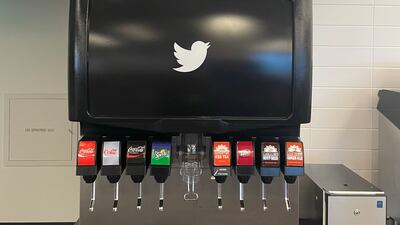
Manitowoc Ice Machines & Beverage Dispensers. Photo: HGP Auction -
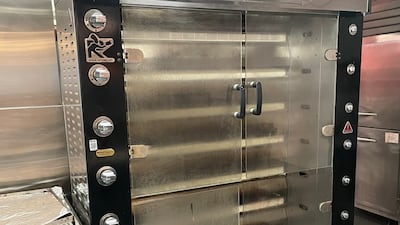
Rotisol Rotisserie. Photo: HGP Auction -

LA Marzocco Espresso Machines. Photo: HGP Auction -
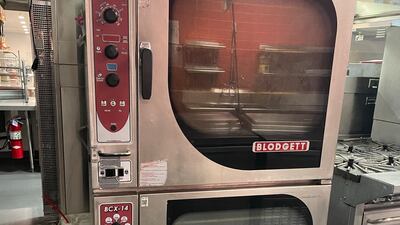
Blodgett Stacked Ovens. Photo: HGP Auction -

Knoll “Task Chairs”. Photo: HGP Auction -
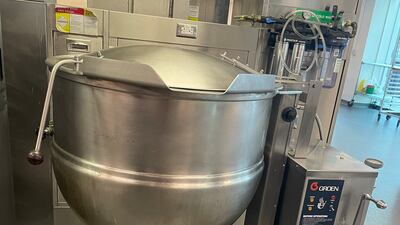
Groen Braising Pans. Photo: HGP Auction -
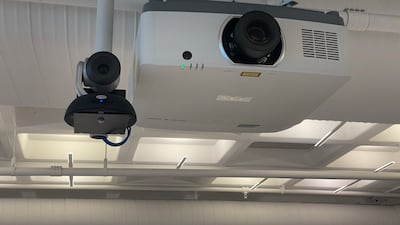
NEC Projectors. Photo: HGP Auction -
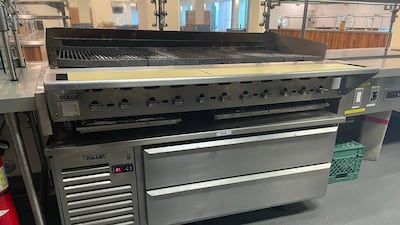
Vulcan Grills and Griddles. Photo: HGP Auction


However, Twitter's move into payments could face regulatory challenges. Mr Musk had fired more than half of the company's employees, raising concerns there may not be enough people to carry out an oversight role or to report any suspicious activity.
Before Mr Musk took over, Twitter had introduced Tips, which lets users add links to their profile so they can receive digital payments.

