For a businessperson juggling multiple roles, the pace of regulatory change can be disorientating. New regimes keep arriving on top of existing ones, and a logical question follows: where does it all come from and who is setting the road map?
Just as nations form business councils or industry bodies to look after their members' interests, our regulatory authorities hold regular gatherings with their global peers. Recently, 142 nations met at the 29th St Petersburg International Economic Forum to discuss a broad range of topics, from tax to AI to digitisation. All of it will, in some way, touch your business and may already have.
GCC's shared road map
Let us start by looking at the GCC from a leader-follower perspective. Keep in mind that none of the six-member countries is approaching any regime as a race. If you need proof, there is an agreed framework for VAT that contains a timetabled road map. This is more collaborative rather than competitive.

The dates for all members to launch have passed without comment. This should not be surprising, as no protocol was included to enforce compliance. As the first agreement of this type, I do not see it as concerning. The region is attempting to do in 10 years what the western world began in the 19th century.
UAE as pathfinder
The UAE is positioning its systems to be best in class, with a view to leading its neighbours supportively as taxation evolves in the region.
EmaraTax, the Federal Tax Authority online portal, is its vehicle for this. It is a one-stop shop that incorporates excise duty, corporate tax and application, and issuing of tax residency certificates for individuals and organisations, among other things.
While Saudi Arabia has already launched electronic invoicing, the UAE is close to rolling it out within its single digital platform. This has many advantages, the greatest of which is familiarity.
There cannot be a business that has not interacted with EmaraTax. Yes, there are occasional issues driven by unforeseen situations, but these are addressed. The Federal Tax Authority's online person-to-person help desk has been a very welcome innovation. Better still, cubicles have been placed in their offices, so you can walk in to seek support.
I would encourage everyone who has an issue that would make people like me raise an eyebrow to use it. Or you can reach out by email for matters that are easier to resolve.
If the UAE succeeds in being the leading technological solution pathfinder, professionals here will have an advantage over their peers elsewhere. It is not that other countries will copy and paste our solution, but it is likely that the logic used will strongly impact their platforms.
Understanding the kernel logic will make it easier to support companies that trade or operate regionally. It is not even 10 years since VAT was launched. These are the early days, so there is a long road ahead.
-
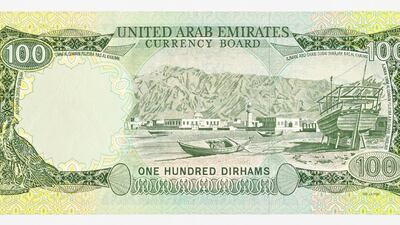
The back of the 1973 Dh100 note. -
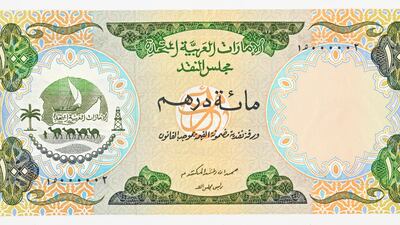
The front of the 1973 Dh100 note. -
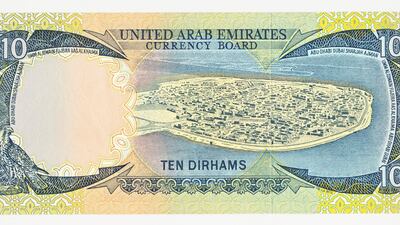
The back of the 1973 Dh10 note. -
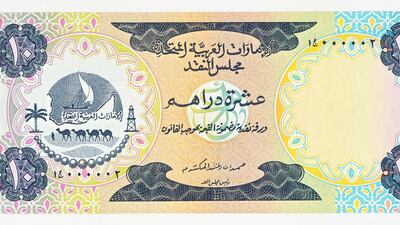
The front of the 1973 Dh10 note. -

The back of the 1973 Dh1 note. -
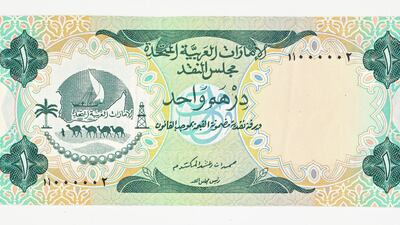
The front of the 1973 Dh1 note. -

The back of the 1973 Dh50 note. -
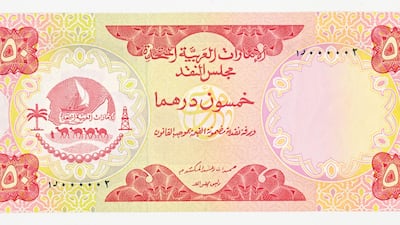
The front of the 1973 Dh50 note. -
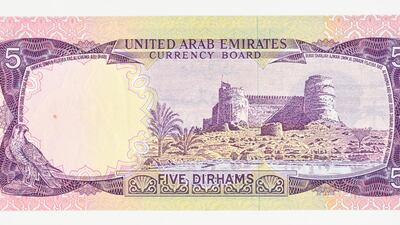
The back of the 1973 Dh5 note. -
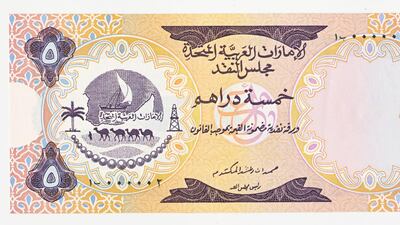
The front of the 1973 Dh5 note. -
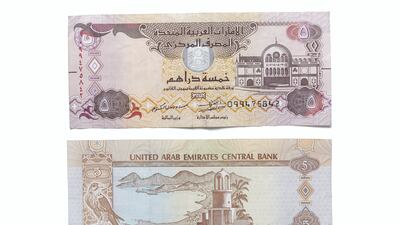
The UAE's Dh5 banknote. Antonie Robertson / The National -
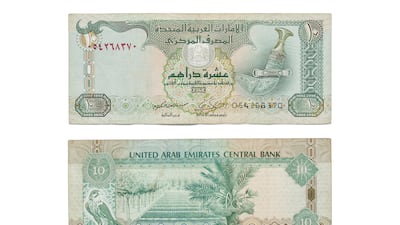
The Dh10 banknote. Antonie Robertson / The National -
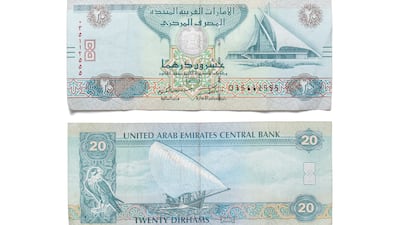
The Dh20 banknote. Antonie Robertson / The National -
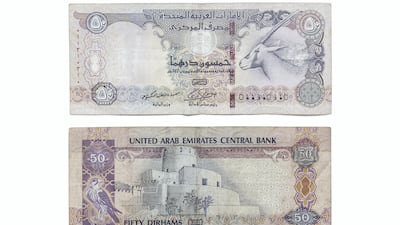
The Dh50 banknote. Antonie Robertson / The National -
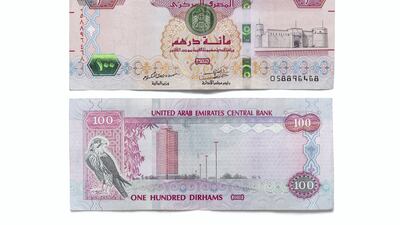
The Dh100 banknote. Antonie Robertson / The National -
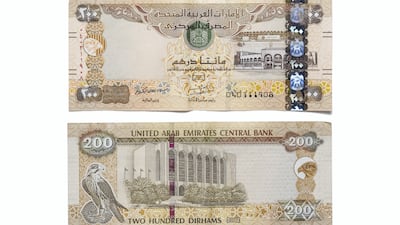
The Dh200 banknote. Antonie Robertson / The National -
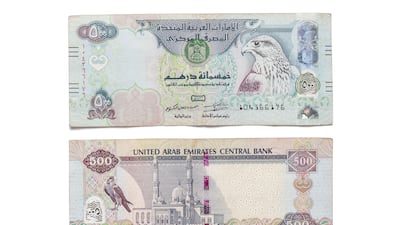
The Dh500 banknote. Antonie Robertson / The National -

The Dh1,000 banknote. Antonie Robertson / The National -
The UAE dirham first went into circulation on May 19, 1973. Antonie Robertson / The National


Betting on AI
At the conference, the Federal Tax Authority emphasised its intent to harness artificial intelligence to deliver a world-class solution, aligning with international best practices and, I imagine, striving to set some.
Yes, we can expect faster turnaround times for queries, but it has a much more ambitious AI agenda. It has laid out a three-year road map with multiple detailed initiatives. From reconsideration requests to risk analysis, this is not just a simple service improvement project. It aims to identify and manage issues as early as possible.
Once areas of risk are identified, careful selection of audits, be it individual businesses, a representative sample or the entirety – should the sector structure so permit – can allow authorities to nip a problem in the bud before it becomes destabilising.
For the avoidance of doubt, I am not talking about individuals attempting to defraud the system. It could be genuine misunderstandings of the law. For the good health of the country's commercial environment, any deviant behaviour needs to be addressed and resolved quickly.
Tourist VAT and global shift
One final area discussed was VAT refunds for tourists, with a focus on how e-commerce could be integrated into that framework. This is interesting because there may be the start of a move away from this facility globally. For example, the UK removed its VAT refunds for overseas visitors after Brexit.
If this process could be digitised, it would make the tourist experience more enjoyable and could turn what was considered a standard offering into a competitive advantage.
There is a drive to make tax systems as idiot-proof as possible. This protects everyone, and the UAE wants to be at the forefront of that journey.