


The “Great Resignation” is set to continue well into 2024, with 26 per cent of employees globally saying it is likely they will change jobs over the next 12 months as the ongoing cost-of-living crisis forces cash-strapped workers to seek higher salaries, a report by consultancy PwC has found.
Workers who said they are most likely to switch employers include 44 per cent who feel overworked and 38 per cent who struggle to pay the bills every month, while 35 per cent represented Generation Z, PwC’s Global Workforce Hopes and Fears survey said.
“With the continuing economic uncertainty, we see a global workforce that wants more pay and more meaning from their work,” said Bhushan Sethi, a US-based partner at Strategy&, PwC's strategy consulting business.
“Evaluating and upskilling people based on what they can do in the future, not just what they have demonstrated in the past, can deliver sustainable economic, business and societal outcomes.”
PwC polled 54,000 people in 46 countries for the survey, including 1,563 respondents in Saudi Arabia, the UAE, Egypt and Qatar.
The global economic uncertainty has been compounded by the Russia-Ukraine war, supply chain crunch and record high inflation, which resulted in a cost-of-living crisis for millions of people worldwide as central banks raised interest rates to cool their economies.
Despite this, employees have been leaving their jobs at much higher rates than normal since the outbreak of the Covid-19 pandemic, in what has been called The Great Resignation.
The Great Resignation was coined in 2021 by Anthony Klotz, a psychologist and professor of business administration at Texas A&M University.
The phrase refers to the millions of workers in advanced economies who are resigning from their jobs to seek a more flexible work-life balance and higher salaries after working remotely during the pandemic.
In the US, for example, about 4.2 million Americans quit their jobs for better working conditions and wages in 2022, the US Bureau of Labour Statistics said in November.
It is a similar scenario in the UK, where employers are struggling to fill vacancies and high inflation continues to erode the value of workers’ salaries, the Office for National Statistics said earlier this month.
US inflation rose to a 40-year high of 9.1 per cent in June last year, while in the UK, it hit a 41-year high of 11.1 per cent in October.

Globally, employees are increasingly feeling cash-strapped as cooling economies and inflationary challenges continue to impact their finances, PwC said in the report.
“The proportion of the global workforce who said they have money left over at the end of the month has fallen to 38 per cent, down from 47 per cent last year,” it said.
“The economic squeeze is also driving up pay demands, with the proportion of workers planning to ask for a pay increase jumping from 35 per cent to 42 per cent year on year. Among workers who are struggling financially, that number rises to nearly half [or 46 per cent].”
Meanwhile, 21 per cent of respondents to the survey said they now work multiple jobs, with 69 per cent doing so because they need additional income.
The share of workers with more than one job is higher for Gen Z, at 30 per cent, and ethnic minorities at 28 per cent, PwC said.
Workers struggling financially are also less able to meet the challenges of the future, including the need to develop new skills and adapt to the rise of artificial intelligence in the workplace, the survey found.
Compared with workers who can pay their bills comfortably, those who struggle or cannot pay their bills are 12 percentage points less likely to say they are actively seeking out opportunities to develop new skills, it added.
“We found that often, those without the skills are less financially secure and less able to access training in the skills of the future,” said Bob Moritz, global chairman of PwC.
“In a world where CEOs know they need to transform their businesses to succeed, they need to combine the benefits of technology with a plan to unlock the talents of all workers. It is in no one’s interest for businesses to chase the same group of skilled workers while the rest of society gets left behind.”

However, skilled workers globally are more optimistic about the rapidly evolving economic and workplace environment and are more likely to anticipate changes in the future, PwC said.
Fifty-one per cent of respondents said the skills their job requires will change significantly in the next five years, compared with only 15 per cent for employees who don’t have specialised training.
About two thirds of those polled also said they are confident their employer will help them to develop the digital, analytical and collaboration skills needed to adapt.
However, these numbers fall to below half for respondents who do not work in jobs that require specialist training, the survey found.
“Addressing these needs will be critical as leaders seek to transform their workplaces enabling business model reinvention, profitable growth and job creation,” Mr Sethi said.
“A critical part of this transformation agenda will include accessing alternative talent pools through a skills-first hiring approach, to address today's skills and labour shortages.”
Meanwhile, survey respondents from Saudi Arabia, the UAE, Egypt and Qatar said that upskilling is essential to unlock the future of work in their respective countries.
Fifty-two per cent of those polled believe their jobs will change significantly in the next five years, requiring them to acquire new skills and capabilities. This compares with 36 per cent globally.
UAE salary guide – in pictures
-
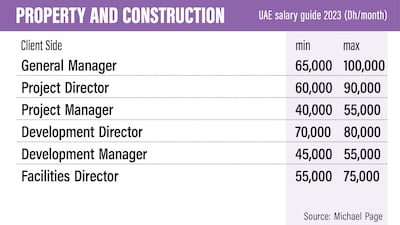
UAE salary guide 2023 -
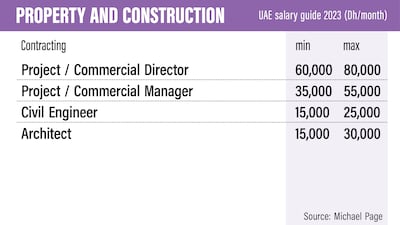
UAE salary guide 2023 -
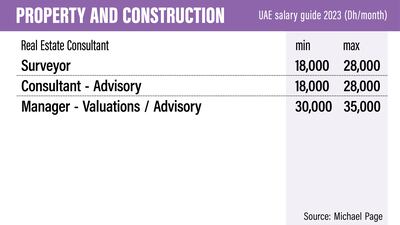
UAE salary guide 2023 -
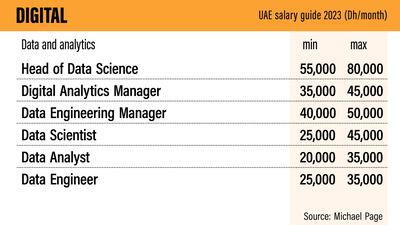
UAE salary guide 2023 -
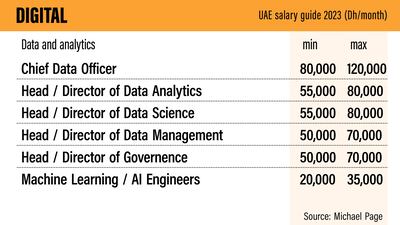
UAE salary guide 2023 -
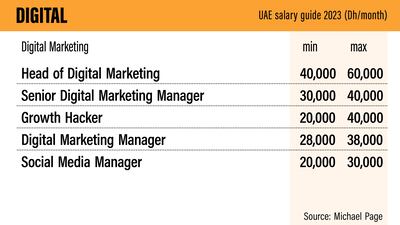
UAE salary guide 2023 -

UAE salary guide 2023 -
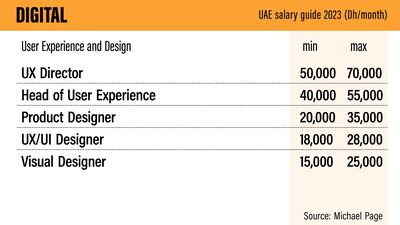
UAE salary guide 2023 -

UAE salary guide 2023 -
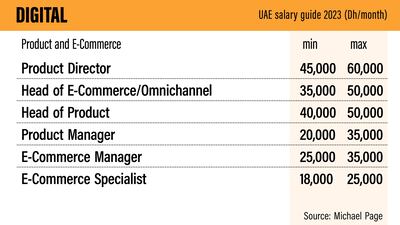
UAE salary guide 2023 -
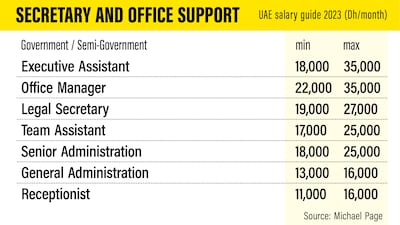
UAE salary guide 2023 -
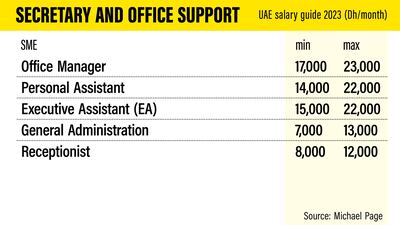
UAE salary guide 2023 -
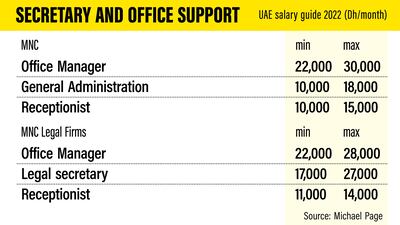
UAE salary guide 2023 -
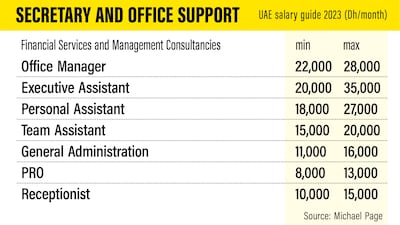
UAE salary guide 2023 -
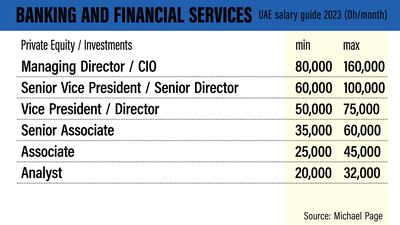
UAE salary guide 2023 -
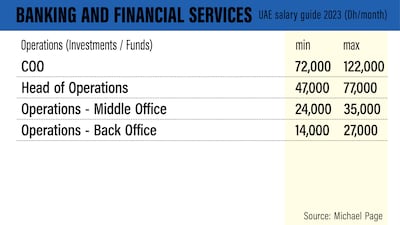
UAE salary guide 2023 -
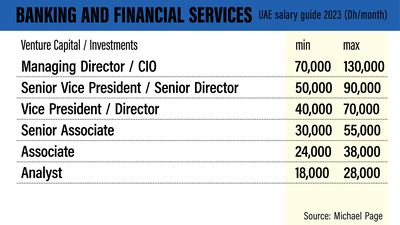
UAE salary guide 2023 -
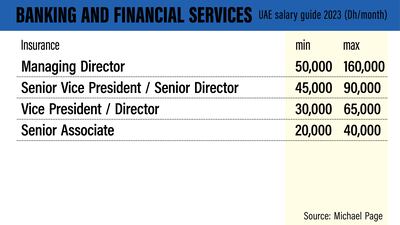
UAE salary guide 2023 -
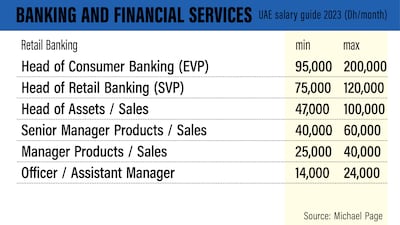
UAE salary guide 2023 -
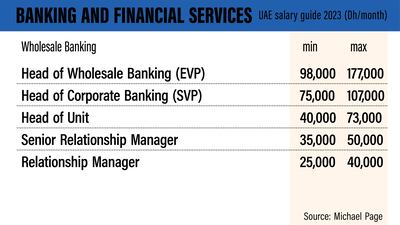
UAE salary guide 2023 -
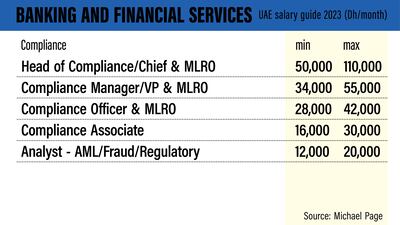
UAE salary guide 2023 -
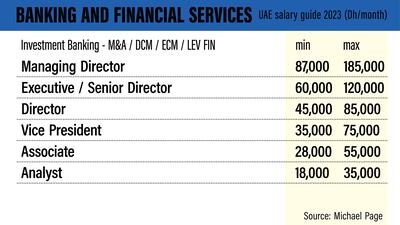
UAE salary guide 2023 -
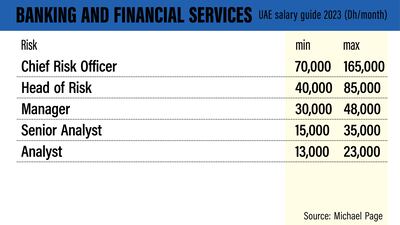
UAE salary guide 2023 -
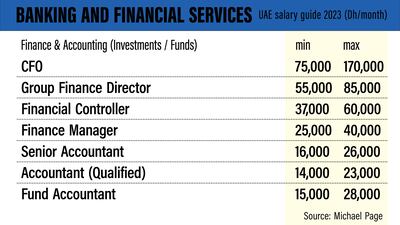
UAE salary guide 2023 -
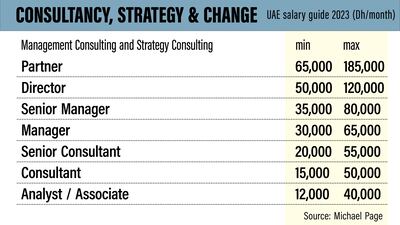
UAE salary guide 2023 -
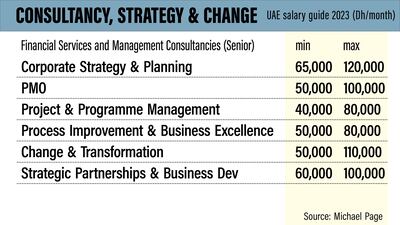
UAE salary guide 2023 -
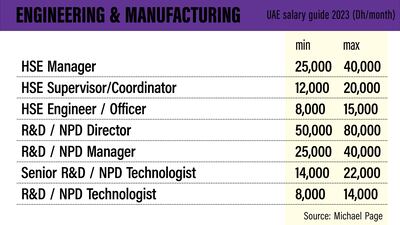
UAE salary guide 2023 -
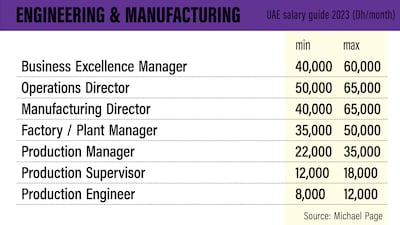
UAE salary guide 2023 -
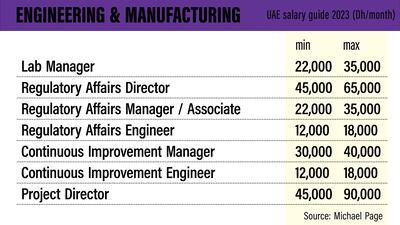
UAE salary guide 2023 -

UAE salary guide 2023 -
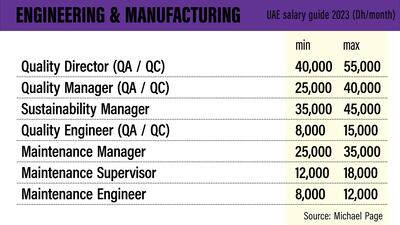
UAE salary guide 2023 -
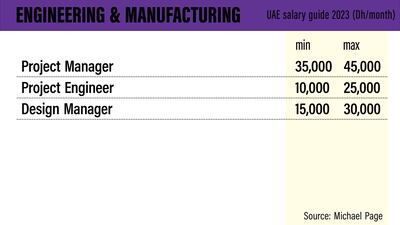
UAE salary guide 2023 -
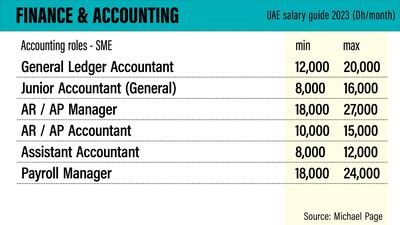
UAE salary guide 2023 -
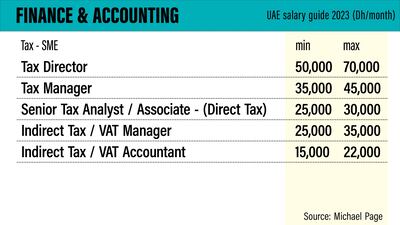
UAE salary guide 2023 -
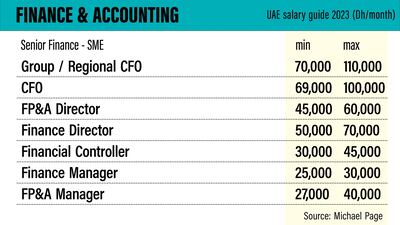
UAE salary guide 2023 -
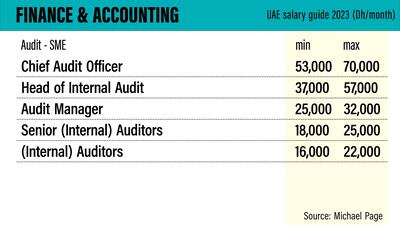
UAE salary guide 2023 -
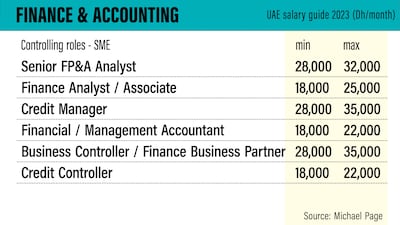
UAE salary guide 2023 -
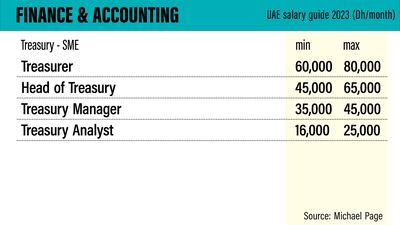
UAE salary guide 2023 -
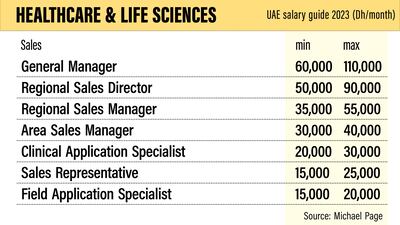
UAE salary guide 2023 -
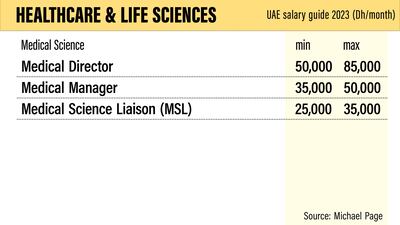
UAE salary guide 2023 -
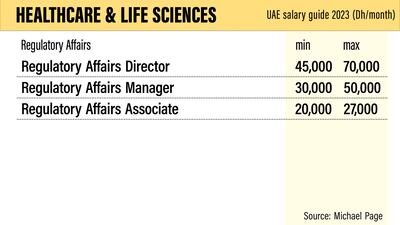
UAE salary guide 2023 -

UAE Salary Guide -
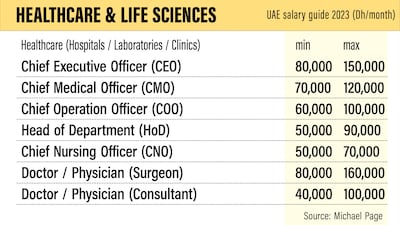
UAE salary guide 2023 -
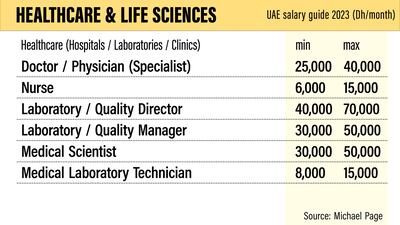
UAE salary guide 2023 -
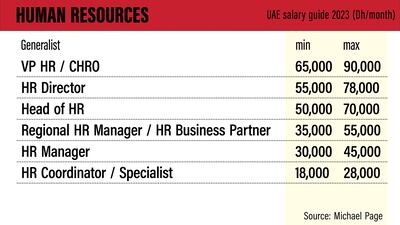
UAE salary guide 2023 -

UAE salary guide 2023 -
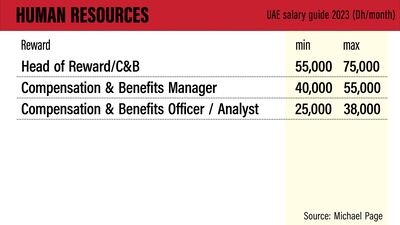
UAE salary guide 2023 -
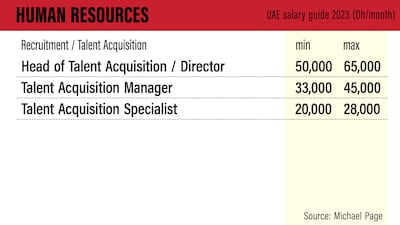
UAE salary guide 2023 -
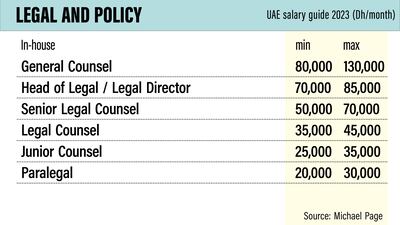
UAE salary guide 2023 -
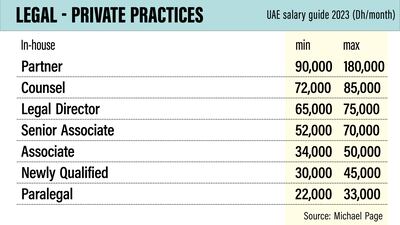
UAE salary guide 2023 -
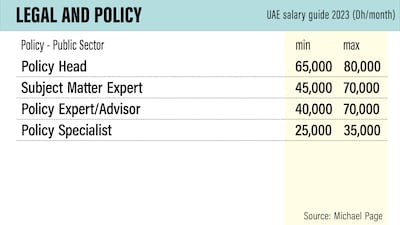
UAE salary guide 2023 -
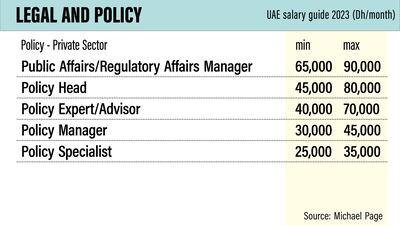
UAE salary guide 2023 -
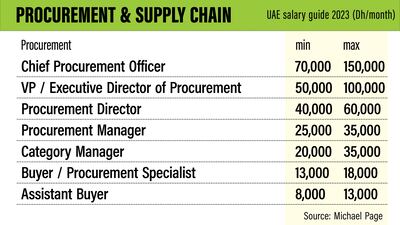
UAE salary guide 2023 -
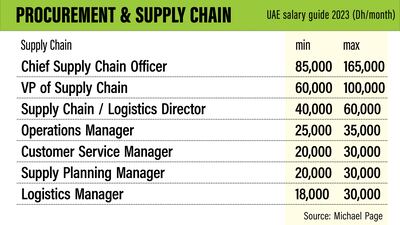
UAE salary guide 2023 -
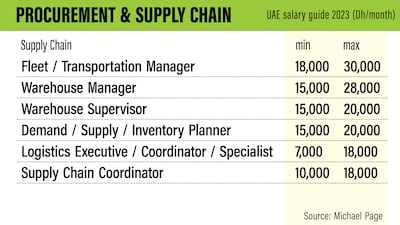
UAE salary guide 2023 -

UAE salary guide 2023 -
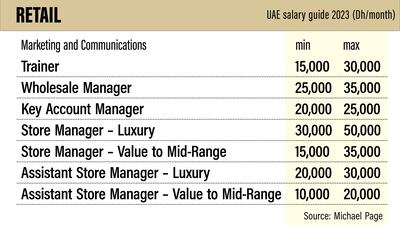
UAE salary guide 2023 -

UAE salary guide 2023 -
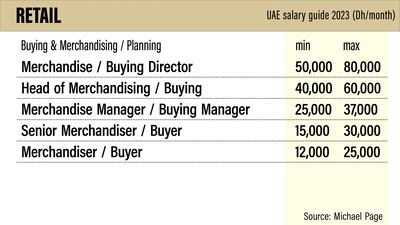
UAE salary guide 2023 -
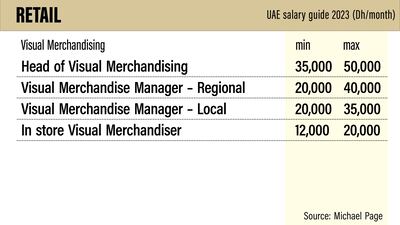
UAE salary guide 2023 -

UAE salary guide 2023 -

UAE salary guide 2023 -
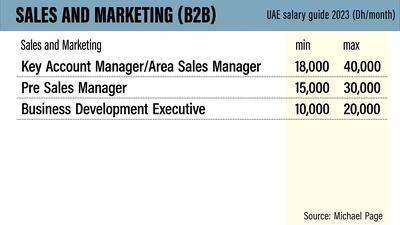
UAE salary guide 2023 -
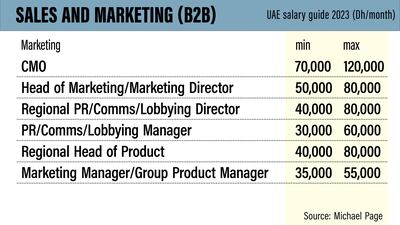
UAE salary guide 2023 -
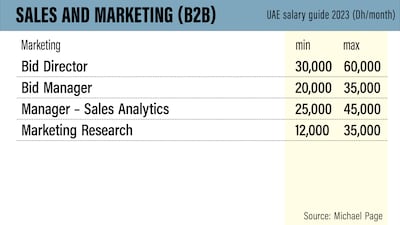
UAE salary guide 2023 -
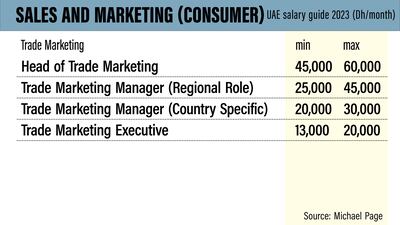
UAE salary guide 2023 -
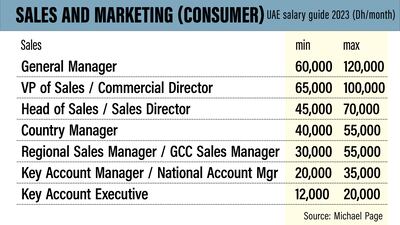
UAE salary guide 2023 -
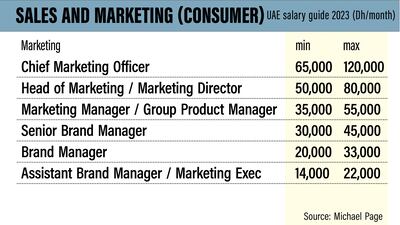
UAE salary guide 2023 -

UAE salary guide 2023 -
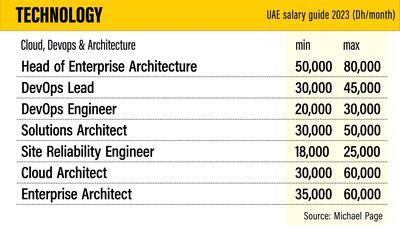
UAE salary guide 2023 -
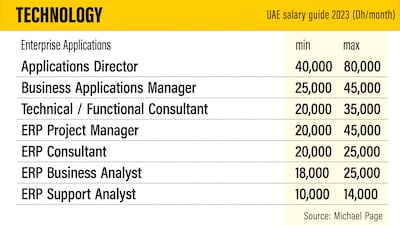
UAE salary guide 2023 -
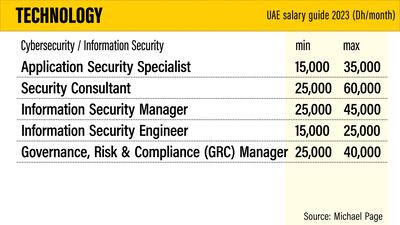
UAE salary guide 2023 -
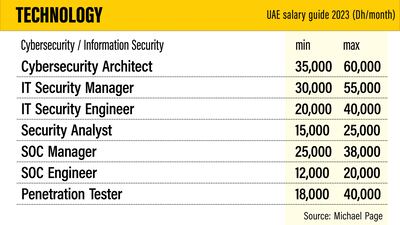
UAE salary guide 2023 -
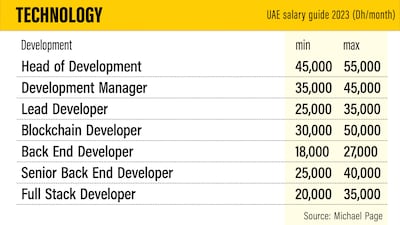
UAE salary guide 2023 -
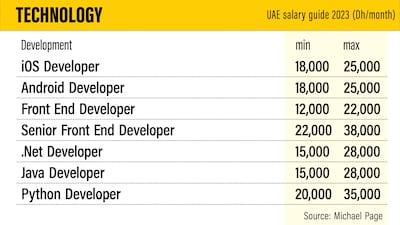
UAE salary guide 2023 -
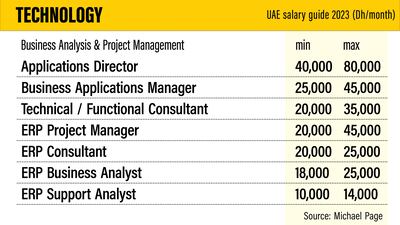
UAE salary guide 2023 -
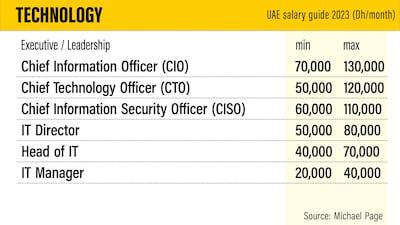
UAE salary guide 2023 -
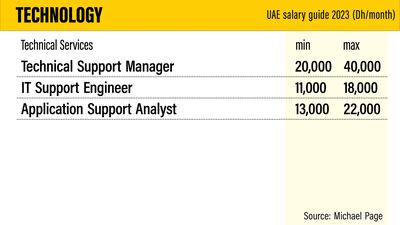
UAE salary guide 2023 -

UAE salary guide 2023 -
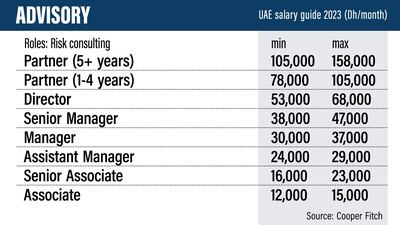
UAE salary guide 2023. -

UAE salary guide 2023. -
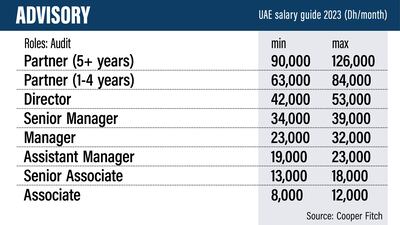
UAE salary guide 2023. -
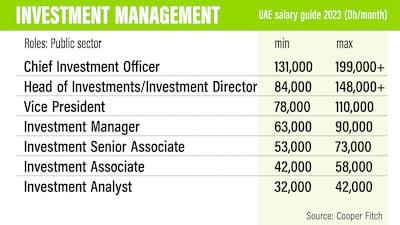
UAE salary guide 2023 -

UAE salary guide 2023 -
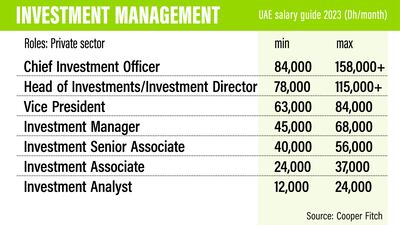
UAE salary guide 2023 -

UAE salary guide 2023 -
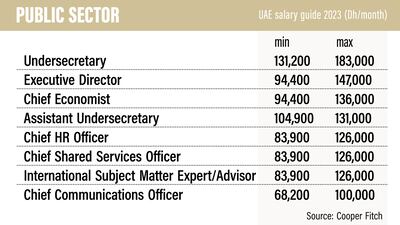
UAE salary guide 2023 -

UAE salary guide 2023 -
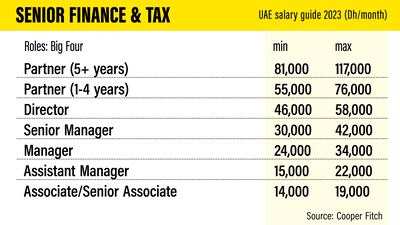
UAE salary guide 2023 -

UAE salary guide 2023 -
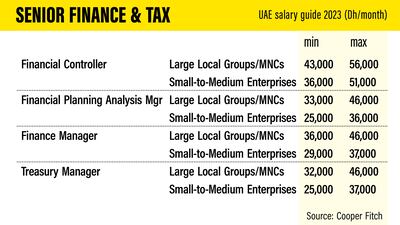
UAE salary guide 2023 -
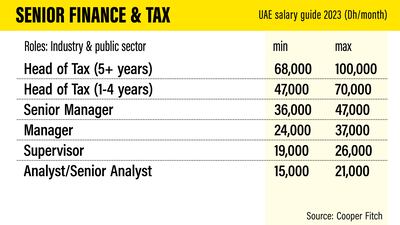
UAE salary guide 2023 -
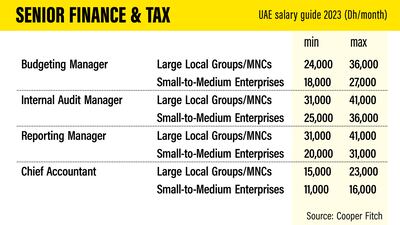
UAE salary guide 2023 -
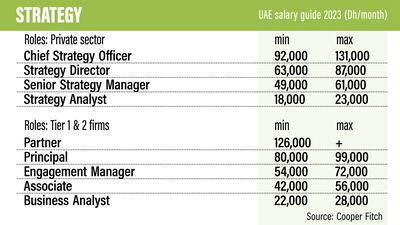
UAE salary guide 2023 -
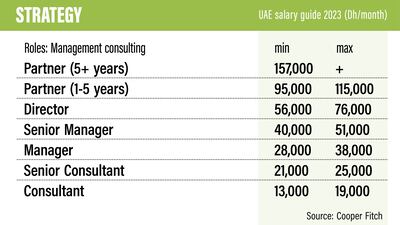
UAE salary guide 2023


About 61 per cent of respondents in the Middle East also believe they possess a “distinct understanding of how their skills are anticipated to evolve” in the future, while 46 per cent recognise that AI has the potential to enhance their workplace productivity, PwC said.
The jobs market in the UAE, the second-largest Arab economy, has recovered strongly from the pandemic-induced slowdown on the back of the government’s fiscal and monetary measures.
The UAE has also undertaken several economic, legal and social reforms to strengthen its business environment, increase foreign direct investment, attract skilled workers and provide incentives to companies to set up or expand their operations.
The government’s overhaul of a number of visa programmes, including the golden visa, green visa and digital nomad visa, has also boosted opportunities for professionals to set up their own businesses in the Emirates.
However, 39 per cent of respondents from the Middle East said there was a higher likelihood of switching employers in 2023, compared with 30 per cent reported last year - 37 per cent of Gen Z and 40 per cent of millennials are driving this trend, PwC said.
“Our survey highlights that organisations need to recognise the emergence of a new generation in the workforce, Gen Z, which embraces its own characteristics,” Randa Bahsoun, government and public sector partner and labour, employment and skills leader at PwC Middle East, said.
“Organisations need to tailor their structures to create an inclusive workplace environment for all of their professionals, recognising the age diversity in their workforce and adapting as the balance continues to shift towards younger employees, along with their expectations and demands.”

