


Decades after Veneto’s last silk mills were shuttered as a post-war economic boom lured Italian farmers to cities, entrepreneurial silkmakers are trying to spin a niche businesses tied to the country’s traditional specialities - in this case, fashion.
-
-
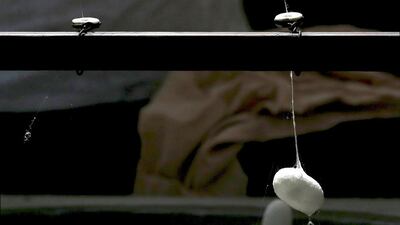
A frame spins a thread of silk from a cocoon on an antique loom. Alessandro Bianchi / Reuters -
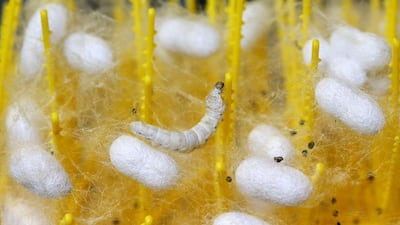
A late-developing silkworm sits suspended in the fibres its fellow larvae released as they spun their own cocoons. Alessandro Bianchi / Reuters -
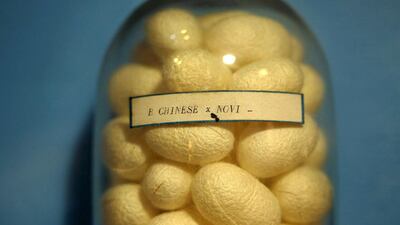
Silk cocoons are displayed in a glass jar in the museum of an agricultural research centre. Alessandro Bianchi / Reuters -
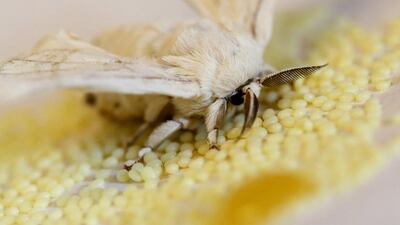
A silkmoth is seen at a research centre in Padua. The Padua research unit houses some 200 different genetic types of silkworm. Alessandro Bianchi / Reuters -
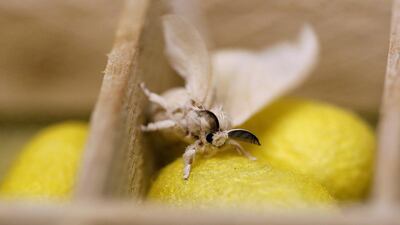
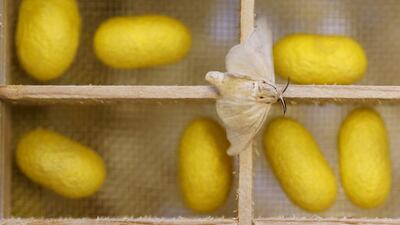
A silkmoth sits in a box of cocoons like the one from which it has recently emerged. Alessandro Bianchi / Reuters -
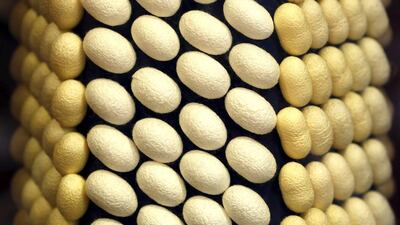
Silk cocoons are displayed in the glass jars at the museum of CRA agricultural research unit in Padua. Alessandro Bianchi / Reuters -
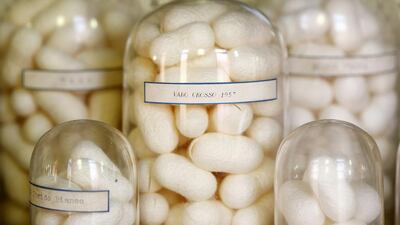
Silk cocoons are displayed in glass jars inside the museum of a CRA agricultural research unit. Alessandro Bianchi / Reuters -
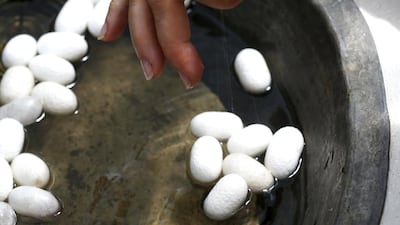
A woman spins a thread of silk from a cocoon on an antique loom. The return of raw silk production to Italy, which boasted 40,000 spinning mills during the industry’s 1950s heyday, will please the country's fashion industry. Alessandro Bianchi / Reuters -

A frame spins a thread of silk from a cocoon on an antique loom. Alessandro Bianchi / Reuters -
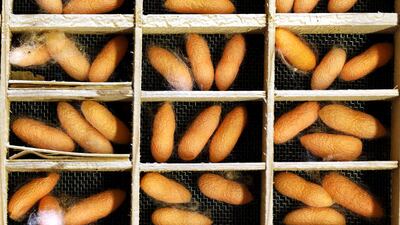
Silkworm cocoons in a box at the CRA agricultural research unit in Padua. The Padua research unit houses some 200 different genetic types of silkworm. Alessandro Bianchi / Reuters -
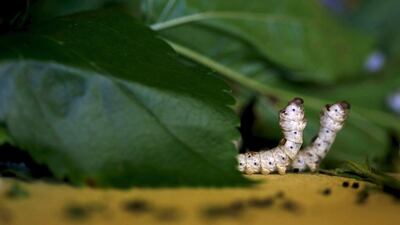
Silkworms munch on piles of locally-grown mulberry at the CRA agricultural research unit in Padua. Alessandro Bianchi / Reuters -
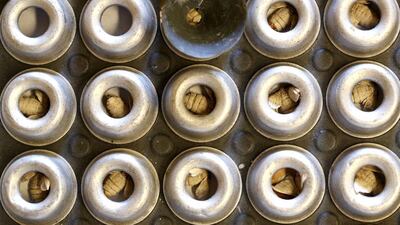
Silkmoths that have hatched out of their cocoons at the CRA research unit in Padua. Alessandro Bianchi / Reuters -
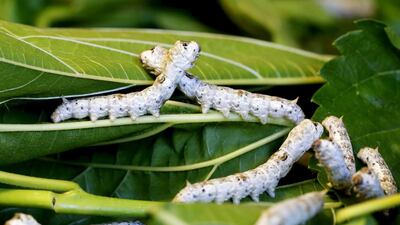
Silkworms munch on piles of locally-grown mulberry leaves at the CRA agricultural research unit in Padua. Alessandro Bianchi / Reuters -
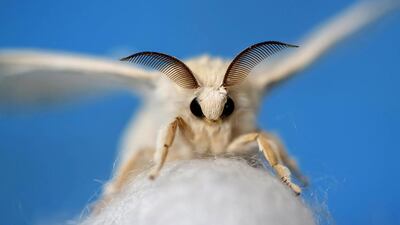
A silkmoth that has hatched out of its cocoon at the Campoverde cooperative, Castelfranco Veneto in Italy. Alessandro Bianchi / Reuters -
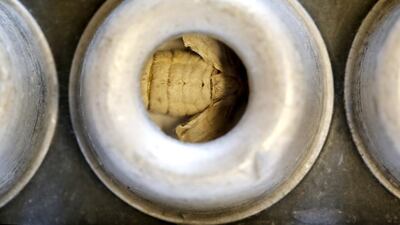
A silkmoth that has hatched out of its cocoon at the CRA research unit in Padua. Alessandro Bianchi / Reuters -
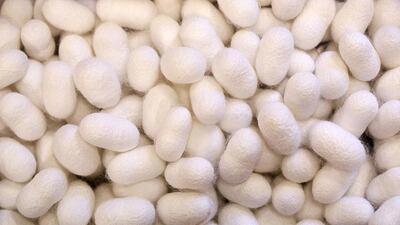
Silkworm cocoons stored in a box at the CRA agricultural research unit in Padua. Alessandro Bianchi / Reuters
Italian silkmakers weave new future for 1,000 year-old industry – in pictures
Most popular today

