


The soldier-poets of the First World War redefined English verse, turning the traumas of the trenches into timeless literature — and the recent conflicts in Iraq and Afghanistan have created soldier-poets of their own.
-
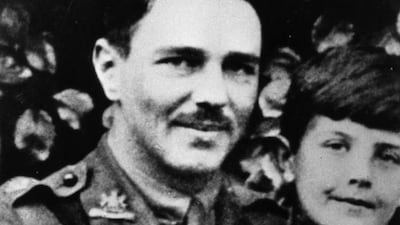
-
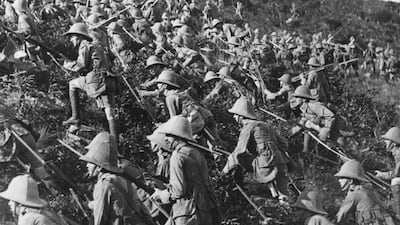
'They press on, the true bull dog rush of our troops at Gallipoli', Turkey, World War I, 1915. The Allied assault on Gallipoli was chaotic, bloody and dogged by poor planning and provided much material for war writers. The Print Collector / Print Collector / Getty Images -

English soldiers, bayonets fixed, await the German attack at Ypres in 1915. This bloody episode provided the material for the famous poem In Flanders Fields by Canadian doctor John McCrae. Photo 12 / UIG / Getty Images -
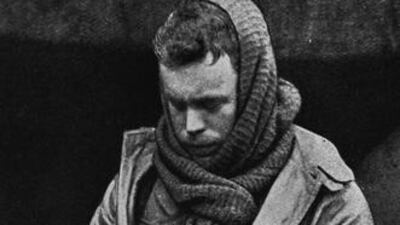
A mud-covered British "Tommy" eating from a can. Poets contrasted the mechanised industrial nature of the conflict with the ordinary person. Popperfoto / Getty Images -
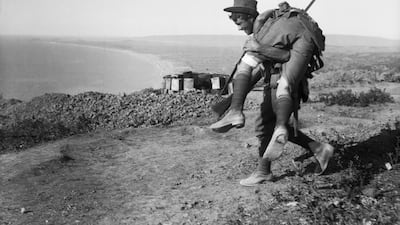
An Australian carrying his wounded mate to a medical aid post for treatment, Gallipoli, 1915. With Troy visible across the water, Gallipoli was a place rife with symbolism. Lt Ernest Brooks / IWM via Getty Images -
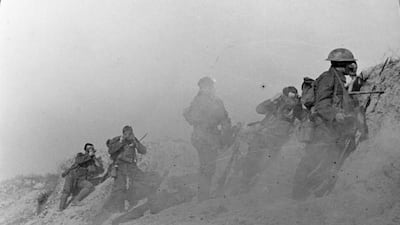
On 22 April 1915, during the Second Battle of Ypres, the Germans released 168 tons of chlorine gas at the front, in the first gas attack of the war. The response of poets and writers to this new type of horror meant that literature would never be the same again. The Print Collector / Print Collector / Getty Images
Soldier-poets of the First World War – in pictures
Most popular today

